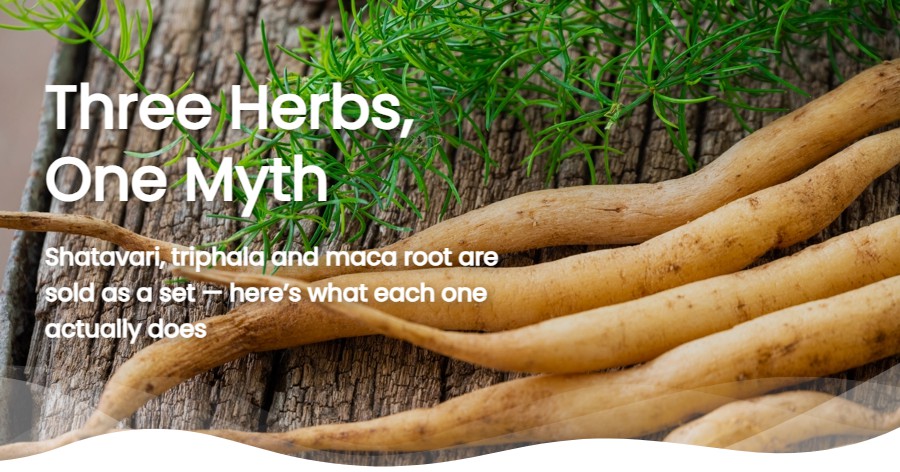
Walk into the “women’s health” section of most Ayurvedic supplement ranges and you’ll typically find the same three names: shatavari, triphala, and maca root. They’re often marketed together as a package, sometimes even implying they do the same thing. They don’t. Each has a genuinely different traditional use and a genuinely different research base — and, as we’ll cover below, some of the marketing claims attached to them hold up to scrutiny better than others.
Shatavari — Traditional Support Through Perimenopause
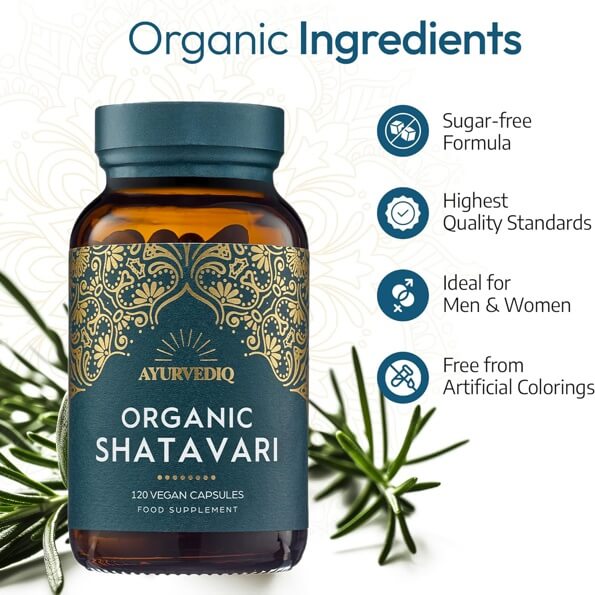
Shatavari (Asparagus racemosus) is a climbing plant in the asparagus family, and one of the most widely used herbs in Ayurvedic women’s health, traditionally associated with reproductive health and lactation support.
What the Research Actually Shows
Shatavari’s root contains steroidal saponins called shatavarins, which have a genuine, measurable affinity for oestrogen receptors — this isn’t a marketing invention, it’s an established pharmacological mechanism. Where the research gets more interesting is in how differently it’s been studied depending on the claimed benefit. For perimenopausal symptoms specifically, a randomised, double-blind, placebo-controlled trial gave 80 women either 300mg of shatavari root extract or a placebo daily for eight weeks and found a genuine improvement in symptoms in the treatment group — a reasonably solid piece of human evidence by herbal-supplement standards. Compare that with the claim, sometimes seen on shatavari products, that it “boosts testosterone” in men: that claim rests on animal studies in rats, not human trials, and is a considerably weaker basis for a health claim. It’s worth reading shatavari’s various marketed benefits with this distinction in mind rather than assuming equal evidence backs all of them.
The Oestrogenic Activity Question
Because shatavari’s mechanism involves genuine oestrogen receptor activity, a sensible degree of caution applies to anyone with a hormone-sensitive health condition, including a personal or strong family history of hormone-sensitive cancers — this is a reasonable precaution based on the known mechanism, not a documented case of harm, and it’s exactly the kind of question worth raising with your GP rather than guessing. The same caution applies during pregnancy: despite shatavari’s traditional reproductive-health branding, safety data in pregnancy is limited, so checking with a GP or midwife before use is genuinely important if you’re pregnant or trying to conceive.
Ayurvedic Remedies
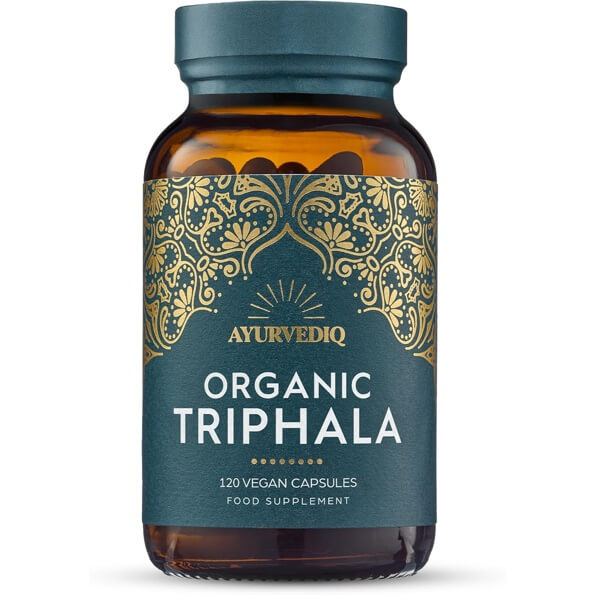
Triphala — The Best-Supported of the Three
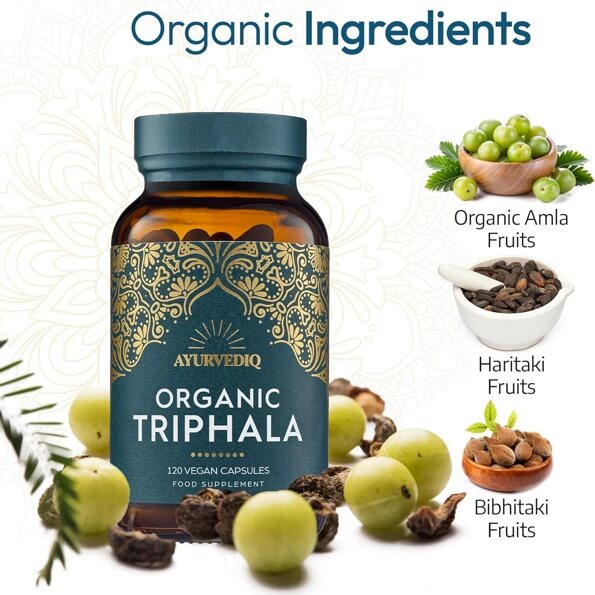
Triphala is a traditional Ayurvedic formulation combining equal parts of three fruits — amla (Indian gooseberry), bibhitaki, and haritaki — and it’s arguably the most rigorously studied of the three herbs covered here.
Gut Microbiota and Digestive Regularity
This is where triphala’s evidence is genuinely strongest. Research, including a randomised, double-blind trial looking specifically at gut microbiota, has found associations between triphala use and improved bowel frequency and stool consistency, alongside increases in beneficial bacteria such as Bifidobacterium and Lactobacillus. This lines up closely with triphala’s traditional primary use for digestive regularity, which is a reassuring pattern — traditional use and modern research pointing in the same, fairly narrow direction.
Where the Evidence Stops
It’s worth being precise here, because some marketing goes further than this. Claims that triphala can “protect against some medical conditions” significantly overstate what the evidence actually establishes and edge toward implying disease prevention or treatment, which triphala isn’t established to do. Beyond digestion, some research has explored antioxidant and anti-inflammatory properties, and a smaller body of work has looked at cholesterol and metabolic markers, with modest, mixed results best read as an area of ongoing interest rather than a settled additional benefit. Triphala is generally well tolerated, though mild digestive effects — particularly loose stools when starting at a higher dose — are possible, and easing in gradually is a sensible approach.
Ayurvedic Remedies
Maca Root — Separating Maca From the Zinc in the Bottle
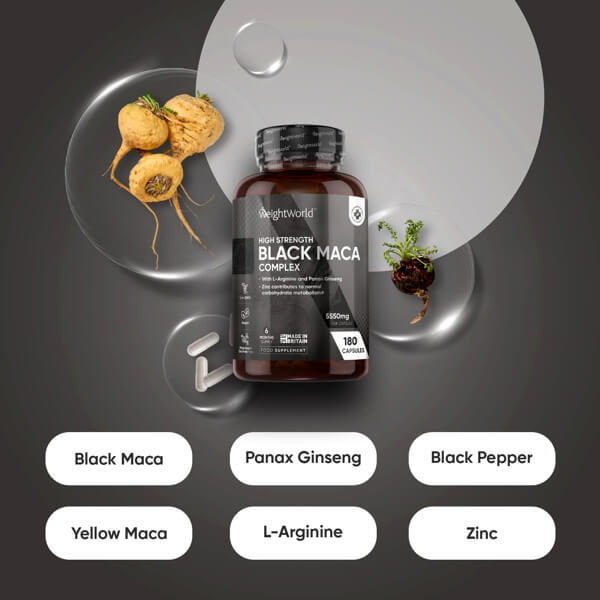
Maca is a root vegetable from the Peruvian highlands rather than a South Asian Ayurvedic herb, but it’s frequently sold alongside shatavari and triphala in “women’s wellness” ranges, often blended with other ingredients like Panax ginseng, L-arginine, and zinc.
What Maca Doesn’t Do
This is worth being direct about, because it’s a common source of confusion in combination products: zinc genuinely has an EFSA-recognised role in maintaining normal testosterone levels in the blood, particularly relevant if there’s a genuine zinc deficiency — but that’s a fact about zinc, not about maca. Multiple rigorous human trials, including one specifically testing 1.5g and 3g daily doses over 12 weeks, have found that maca itself doesn’t change testosterone, LH, FSH, or prolactin levels at all. If a combination product markets a hormonal effect, it’s worth checking which ingredient in the formula is actually doing that work.
What Maca Might Actually Help With
Maca’s genuinely better-supported research area is libido and sexual function, where it appears to work through a different, non-hormonal pathway rather than by shifting hormone levels — worth knowing so expectations are set around the right mechanism rather than an assumed hormonal one.
The Thyroid Caution
Maca belongs to the cruciferous vegetable family and contains compounds called glucosinolates that can potentially interfere with thyroid hormone production in some people. Anyone with a thyroid condition, or taking thyroid medication, should check with their GP before regular use.
What Else Is Usually in the Bottle
Combination maca products frequently include other active ingredients with their own separate considerations. L-arginine is a precursor to nitric oxide and is studied in relation to blood flow — worth checking with your GP before combining it with blood pressure medication or PDE5 inhibitors (medication for erectile dysfunction), given the shared effect on blood vessel dilation. Panax ginseng, also commonly included, may affect blood sugar and can interact with blood-thinning medication — covered in more detail in our Korean ginseng guide.
Herbal Supplements
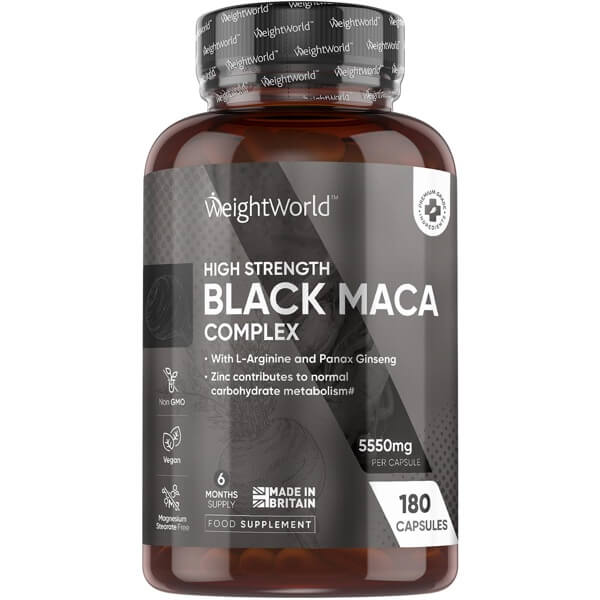
Maca Root 5550mg Black & Yellow Maca with Ginseng 180 Capsules
This applies across the category rather than to any one herb specifically, but it’s worth knowing. The UK’s Medicines and Healthcare products Regulatory Agency (MHRA) has, over the years, issued warnings after finding some unlicensed herbal products — including certain Ayurvedic preparations sourced through informal or unregulated channels — contaminated with heavy metals such as lead, mercury, or arsenic. This risk relates specifically to unlicensed products of uncertain origin, not to Ayurvedic herbs as a category, and reputable manufacturers selling in the UK, tested by independent laboratories and produced to GMP standards, are a genuinely different proposition. As a practical habit, checking for clear manufacturing standards and third-party testing is a sensible step with any herbal supplement, Ayurvedic or otherwise.
Choosing a Quality Supplement
A few practical markers are worth checking regardless of which of these three you’re considering: manufacturing to GMP standards, ideally with organic certification (Soil Association or equivalent) for herbs where pesticide residue is a reasonable concern, a clear single-ingredient or fully disclosed ingredient list rather than a vague “proprietary blend,” and — particularly relevant for triphala — a realistic starting dose you can adjust rather than the highest strength available on your first purchase.
Common Myths, Addressed
“Shatavari balances hormones.” This is broader than the evidence actually supports. Shatavari has a specific, studied effect relevant to perimenopausal symptoms through genuine oestrogen receptor activity — that’s meaningfully different from a general claim to “balance hormones,” which implies a broader corrective effect across the endocrine system that hasn’t been established.
“Maca boosts testosterone, so it’s good for hormonal health.” As covered above, rigorous human trials specifically looked for this effect and didn’t find it. Maca’s genuine research strength is libido and sexual function through a separate mechanism, not a hormonal one.
If These Aren’t Right for You
If shatavari’s oestrogenic mechanism gives you pause, or you’re looking for a different angle on stress and hormonal wellbeing, ashwagandha is a reasonable alternative worth reading about in our ashwagandha guide, or see how it compares to other adaptogens in our adaptogen comparison. For a broader look at hormonal wellbeing support generally, our natural hormone balance guide covers additional options, and our supplements for women over 40 guide covers menopause and bone health specifically. If digestive regularity is your main goal rather than a broader Ayurvedic approach, our digestive support guide covers a wider range of options beyond triphala.
Final Thoughts
Shatavari, triphala, and maca root get bundled together in marketing far more often than their actual evidence bases justify bundling them together. Triphala has the most consistent research behind its primary use. Shatavari has a genuine, specific mechanism and a reasonably solid human trial for perimenopausal symptoms, alongside weaker claims worth reading more sceptically. Maca has real research support for libido, but not for the hormonal effects sometimes implied by the ingredients it’s commonly sold alongside. None of that makes them not worth considering — it just means they’re worth choosing for the right, specific reason rather than as an interchangeable “women’s wellness” bundle.
Disclaimer: This article is for informational purposes only and does not constitute medical advice. Always consult your GP before starting shatavari, triphala, or maca root, particularly if you are pregnant, breastfeeding, trying to conceive, have a hormone-sensitive or thyroid condition, or take regular prescription medication.