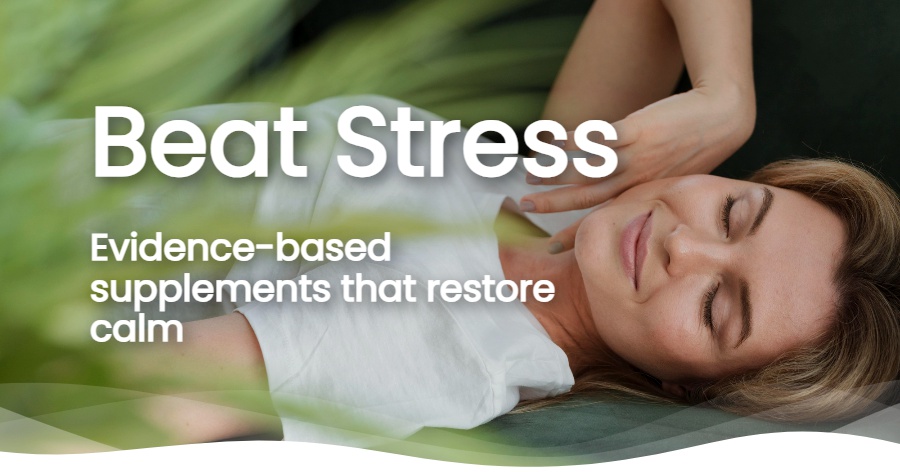
Feeling overwhelmed by life’s pressures is a genuinely widespread experience — UK surveys have repeatedly found a large proportion of adults report feeling unable to cope with stress at some point in the past year. Lifestyle changes remain the foundation of managing this, with certain supplements offering reasonable additional support when the evidence genuinely backs them.
What Happens to Your Body Under Stress?
Stress triggers the release of hormones like cortisol and adrenaline, part of the body’s short-term “fight or flight” response. This is genuinely useful for brief, acute threats, but when stress becomes chronic, it’s linked in research to weakened immune function, sleep disturbances, digestive issues, mood changes, cognitive difficulties, and, over time, an increased risk of more serious health conditions.
Five Supplements Worth Knowing About
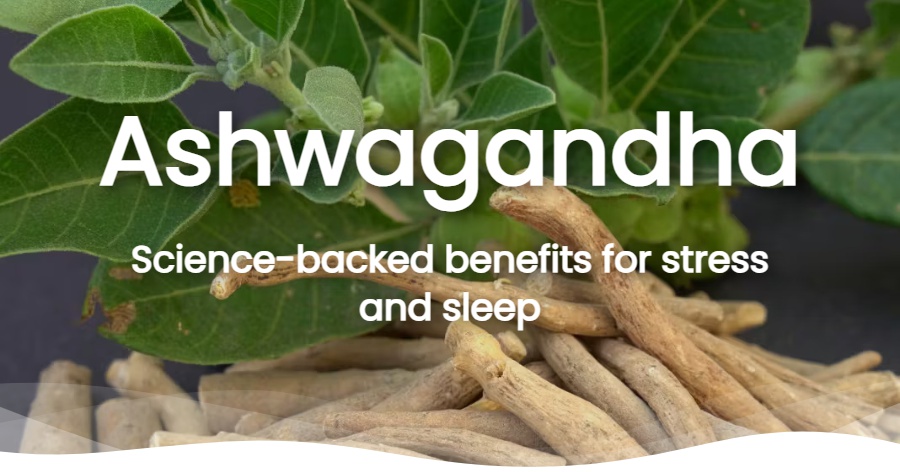
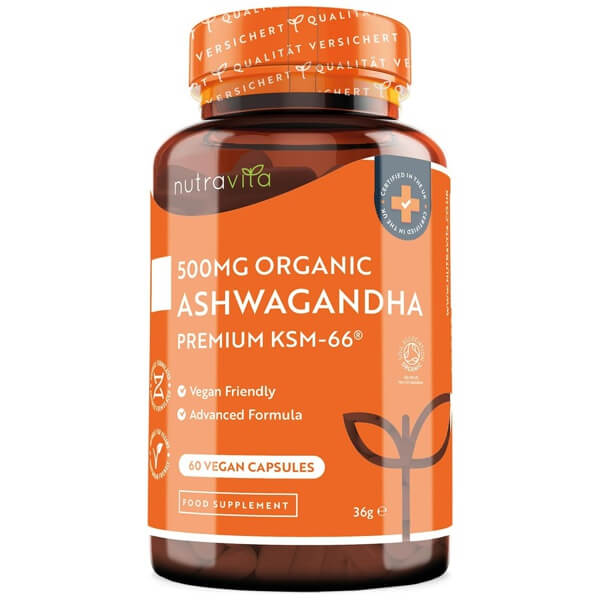
Ashwagandha
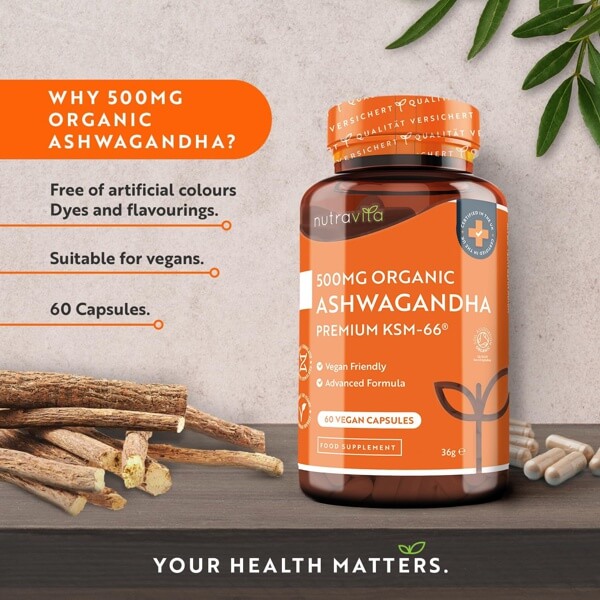
This adaptogenic herb has centuries of use in Ayurvedic tradition and, unusually for a traditional remedy, a genuinely substantial body of modern clinical research behind it. Ashwagandha is studied for reducing cortisol and influencing stress-signalling pathways in the brain — a 2019 clinical trial found a significant reduction in Perceived Stress Scale scores in participants taking ashwagandha compared to a much smaller change in the placebo group, a real, replicated finding across several studies, even if exact percentages vary between trials.
KSM-66 is one of the more extensively studied standardised extracts, though “extensively studied” is a more accurate description than “highest quality available” — several reputable standardised extracts exist, and the right choice depends on the specific product’s quality controls rather than the extract name alone.
Worth knowing before starting: ashwagandha genuinely affects thyroid hormone levels in some people. If you have a thyroid condition or take thyroid medication, check with your GP before starting — this is a real consideration, not just a footnote, and it’s covered in more detail in our dedicated ashwagandha guide.
Magnesium
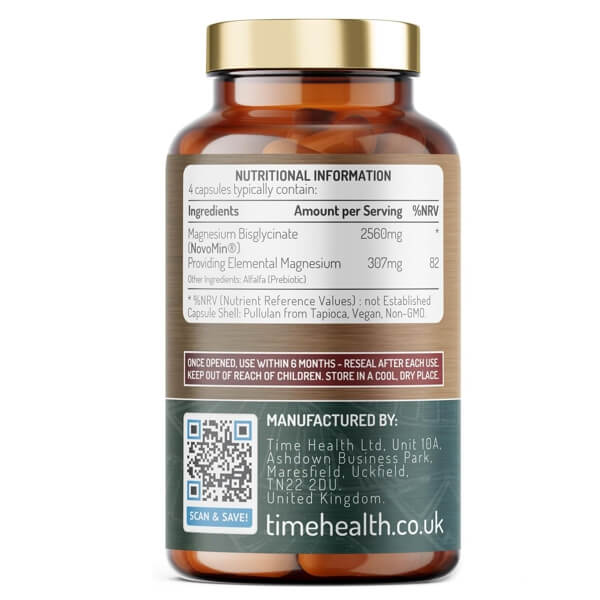
Magnesium is involved in over 300 biochemical reactions, including those relevant to the stress response, and a meaningful proportion of people in the UK don’t get enough through diet alone. It’s studied for a role in regulating calming neurotransmitters, supporting muscle relaxation, and improving sleep quality — all relevant to managing stress, given how closely stress and sleep tend to affect each other.
Magnesium glycinate is generally well absorbed and gentler on digestion than magnesium oxide, making it a reasonable default choice for this purpose, often taken in the evening given its association with relaxation and sleep.
Worth knowing: if you have kidney disease or take bisphosphonate medication (commonly prescribed for osteoporosis), speak to your GP before starting magnesium — it needs specific care with kidney function, and can significantly reduce bisphosphonate absorption if not appropriately timed apart.

Vitamins & Minerals
L-Theanine
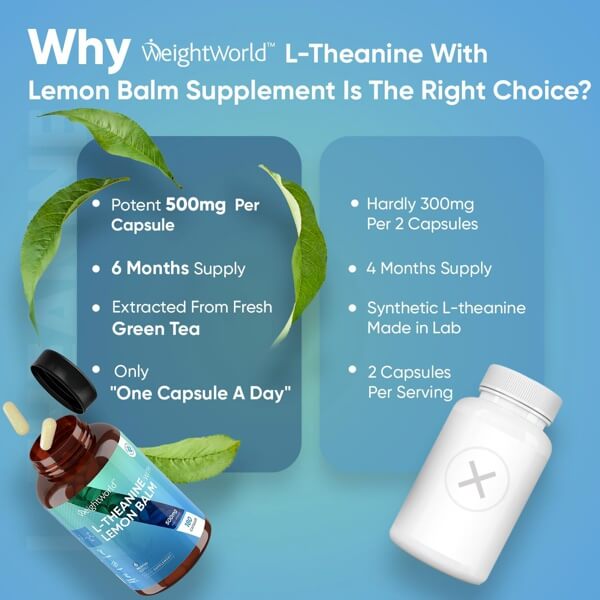
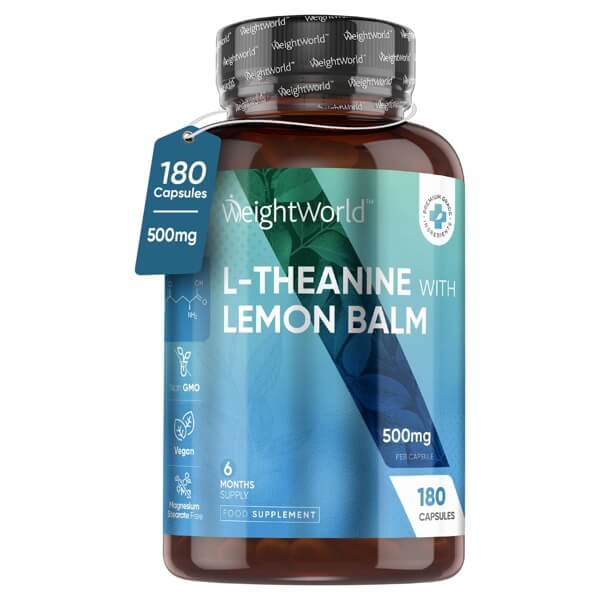
Found primarily in green tea, L-theanine is studied for promoting relaxation without drowsiness — a useful combination for people who need to stay functional during a stressful day rather than sedated. Research points to increased alpha brain wave activity (associated with “relaxed alertness”) and support for GABA, serotonin, and dopamine, neurotransmitters relevant to mood and emotional regulation.
L-theanine is generally considered one of the better-tolerated options in this guide, with few specific interaction concerns, making it a reasonable first choice for people wary of starting with something that has more cautions attached. Commonly used doses are 200-400mg, either as needed for acute stress or regularly for ongoing support.
Amino Acids
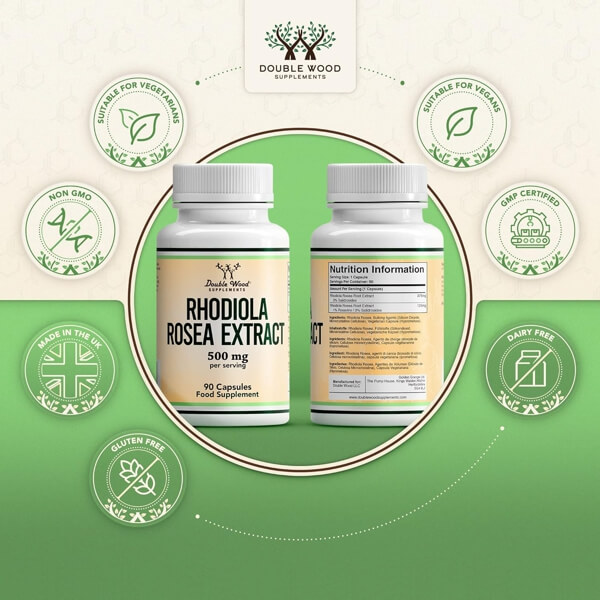
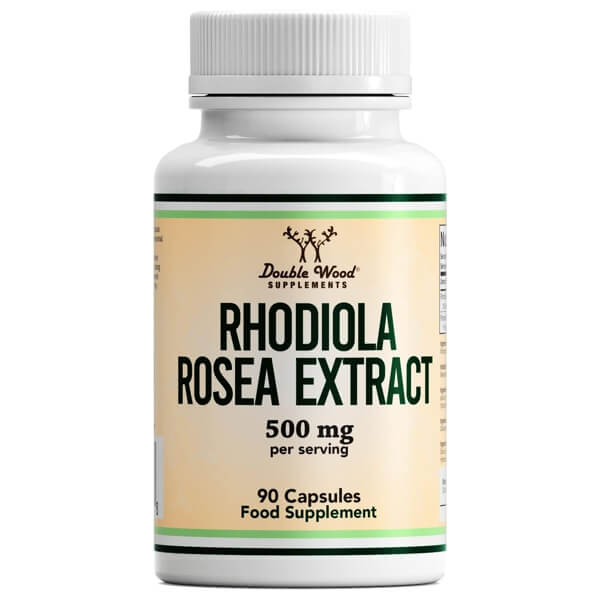
Rhodiola Rosea
Another adaptogenic herb, used traditionally across Europe and Asia, rhodiola is studied specifically for stress-related fatigue — the exhaustion that comes from sustained pressure over time, rather than general relaxation. Research suggests a role in normalising cortisol and supporting neurotransmitters relevant to mood, with reviews of the evidence generally supportive of benefits for fatigue and performance under stress, though as with most herbal research, individual study quality varies.
Look for extracts standardised to around 3% rosavins and 1% salidroside, matching the composition used in most research.
Worth knowing: rhodiola is generally best avoided by people with bipolar disorder, given its mildly stimulating properties and a genuine risk around mood episodes — worth discussing with a GP if this applies to you. It’s also generally better taken earlier in the day, since some people find it mildly energising, which can interfere with sleep if taken too late.
Vitamins & Minerals
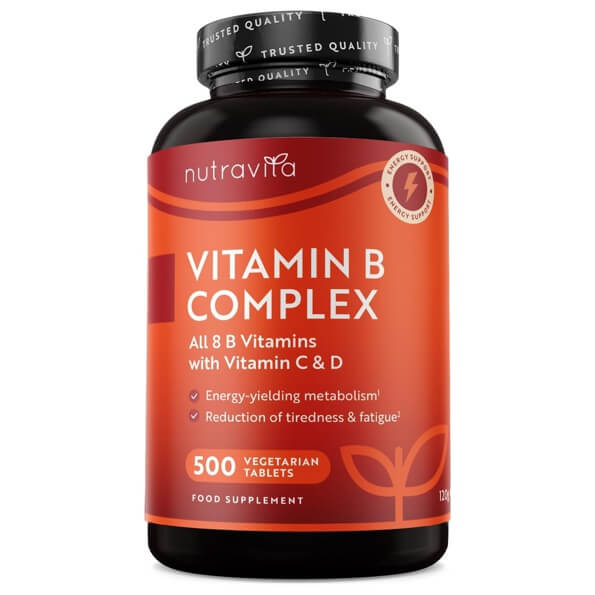
B-Complex Vitamins
B vitamins support both nervous system function and energy production from food, and periods of sustained stress are understood to increase the body’s demand for them. Methylated forms (methylcobalamin for B12, methylfolate rather than standard folic acid) are generally better utilised by people with reduced conversion efficiency, though standard forms work well for most people without a specific reason to choose otherwise.

Vitamins & Minerals
Safety Considerations Across This Guide
Given that several of these supplements have genuine, specific cautions, it’s worth gathering them in one place rather than scattering them: ashwagandha needs care if you have a thyroid condition or take thyroid medication; rhodiola is generally best avoided with bipolar disorder; magnesium needs care with kidney disease or bisphosphonate medication; and L-theanine and B-complex are generally the lower-risk options in this group for most people. If you’re pregnant, breastfeeding, or take any regular medication, check with your GP before starting any of these — and if you’re combining more than one, mentioning your full list at that same conversation is more useful than checking each one separately.
Choosing a Quality Supplement
Look for third-party testing for purity and potency, well-absorbed forms (magnesium glycinate over oxide, for instance), a clean ingredient list without unnecessary fillers or artificial additives, and a dose that matches what’s actually been used in the research behind each ingredient — a suspiciously high or vague dose is often more about marketing than efficacy.
Building a Sensible Approach
Rather than trying everything at once, it’s worth identifying your main stress-related symptom first — fatigue, sleep disruption, or racing thoughts tend to point toward different supplements — and starting with one, commonly ashwagandha or L-theanine as a reasonable foundation, before adding anything else. Most adaptogens and nutrients in this guide need 2-4 weeks of consistent use to show their full effect, so tracking how you’re doing over that period is more informative than judging after a few days. Supplements are a genuine complement to lifestyle changes, not a substitute for them.
Lifestyle Factors That Matter Just as Much
Regular physical activity — even 20 minutes of moderate exercise — measurably reduces stress hormones. Mindfulness practices (meditation, deep breathing, yoga) activate the body’s relaxation response directly. Consistent sleep of 7-9 hours, balanced nutrition rich in whole foods, and maintaining genuine social connection all have strong, independent evidence for buffering against the effects of stress — arguably stronger evidence than any single supplement in this guide.
When to Seek Professional Help
Supplements are reasonable support for everyday stress, but they aren’t a substitute for professional care. Speak to a healthcare provider if stress feels overwhelming or unmanageable, if you experience panic attacks or significant anxiety, if stress is significantly affecting your daily functioning, or before starting any of these supplements if you’re pregnant, breastfeeding, or taking regular medication.
Final Thoughts
No supplement removes the sources of stress in your life, but the options in this guide have reasonable evidence behind them as part of building genuine resilience — provided you’re aware of the specific cautions that apply to a few of them, particularly ashwagandha and thyroid function, and rhodiola and bipolar disorder.
Start with the supplement that best matches your main symptom, choose a quality, appropriately dosed product, and give it genuine time to work alongside the lifestyle factors that matter just as much.
Disclaimer: This article is for informational purposes only and does not constitute medical advice. Always consult your GP before starting a new supplement, particularly if you have a thyroid condition, bipolar disorder, kidney disease, are pregnant or breastfeeding, or take regular medication.