Feeling constantly tired or lacking the energy for daily activities is a genuinely common complaint — persistent low energy affects a lot of people in the UK, and lifestyle factors are usually the foundation of addressing it, with certain supplements offering meaningful support when chosen based on what’s actually causing the fatigue, rather than guessed at.
Understanding What Causes Fatigue
Energy deficiency has several possible roots: nutritional gaps (missing specific vitamins or minerals), hormonal factors (thyroid issues in particular), poor sleep quality, chronic stress, and underlying health conditions like anaemia or, less commonly, chronic fatigue syndrome. Given how many different things can cause persistent fatigue, it’s worth seeing a GP before self-supplementing if fatigue is severe, persistent, or unexplained — a simple blood test can identify several of the causes above far more reliably than matching supplements to symptoms alone.
Supplements Worth Knowing About
Vitamin B12
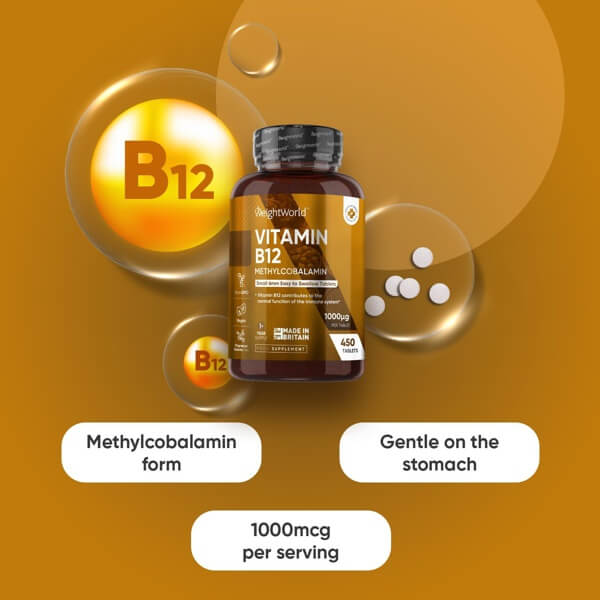
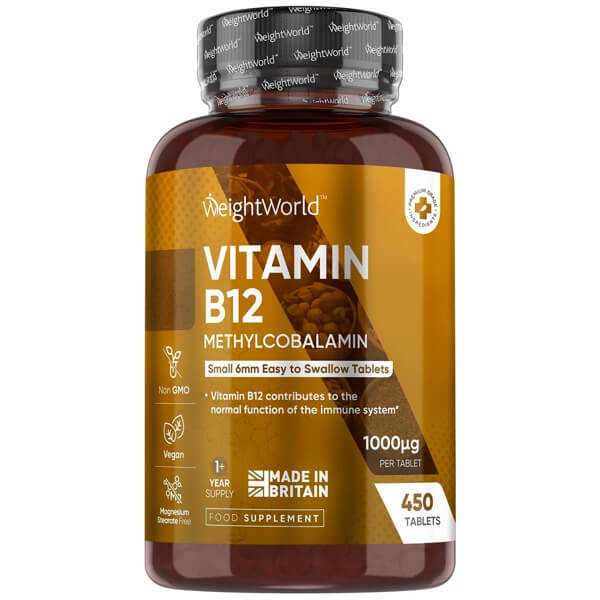
B12 plays a genuine role in cellular energy production and red blood cell formation, which is why deficiency — common among people on plant-based diets, adults over 50, and those with certain digestive conditions affecting absorption — often shows up as fatigue specifically. Methylcobalamin or adenosylcobalamin forms are generally preferred over cyanocobalamin, since they’re the body’s active forms and don’t require conversion; sublingual tablets or sprays are a reasonable choice if absorption is a specific concern.
Products delivering 1,000-5,000mcg per dose are common, and morning dosing is generally preferred by people using it specifically for daytime energy support — though if you’re not actually deficient, extra B12 isn’t well established to provide additional energy beyond correcting a genuine shortfall.
Vitamins & Minerals
Iron
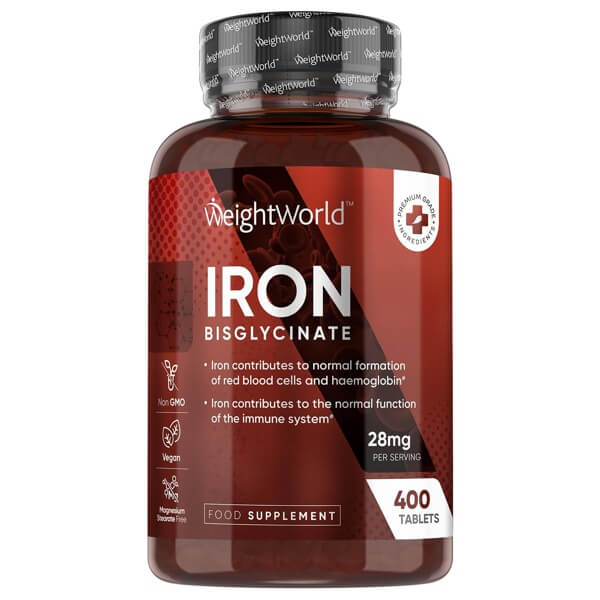
Iron deficiency is genuinely one of the more common nutritional shortfalls in the UK, particularly among women of reproductive age, and can progress to anaemia, which causes persistent fatigue and weakness through reduced oxygen transport in the blood.
An important point before considering iron specifically: unlike most supplements in this guide, iron supplementation without a confirmed deficiency isn’t simply “extra insurance” — excess iron can accumulate in the body and cause genuine harm over time, and constipation is a common side effect even at appropriate doses. A blood test confirming iron deficiency, ideally through your GP, is a much more reliable starting point than matching a symptom like tiredness or pale skin to “try iron” on your own.
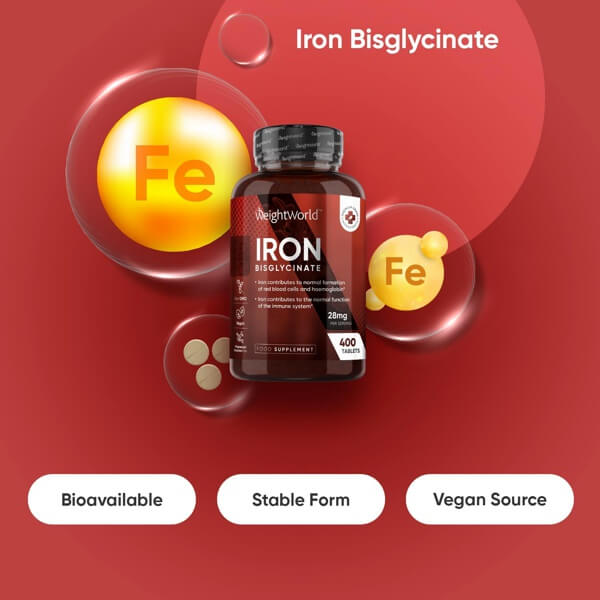
If iron deficiency is confirmed, iron bisglycinate (or ferrous bisglycinate) is generally gentler on digestion than ferrous sulphate, and pairing it with vitamin C improves absorption. Avoid taking iron alongside tea, coffee, or calcium supplements, all of which can meaningfully reduce how much iron your body actually absorbs — spacing these apart by a couple of hours is worth building into your routine. Rebuilding iron stores typically takes 8-12 weeks of consistent use once a genuine deficiency is confirmed and appropriately dosed.
Vitamins & Minerals
Coenzyme Q10 (CoQ10)
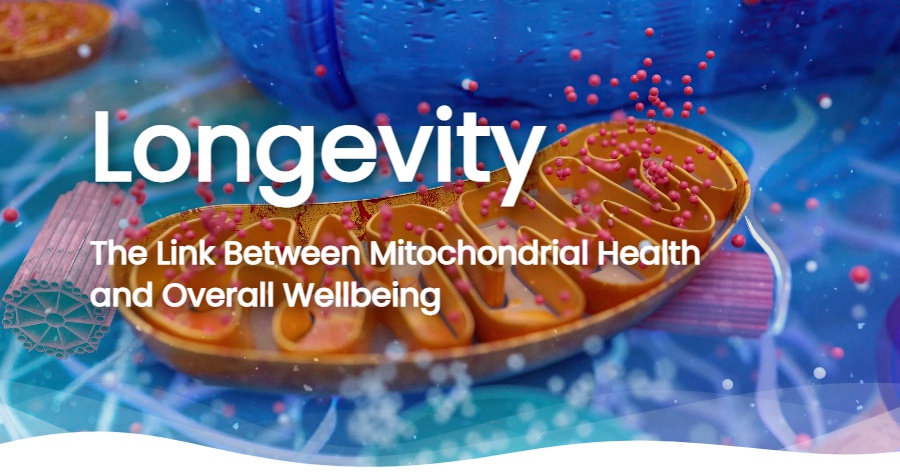
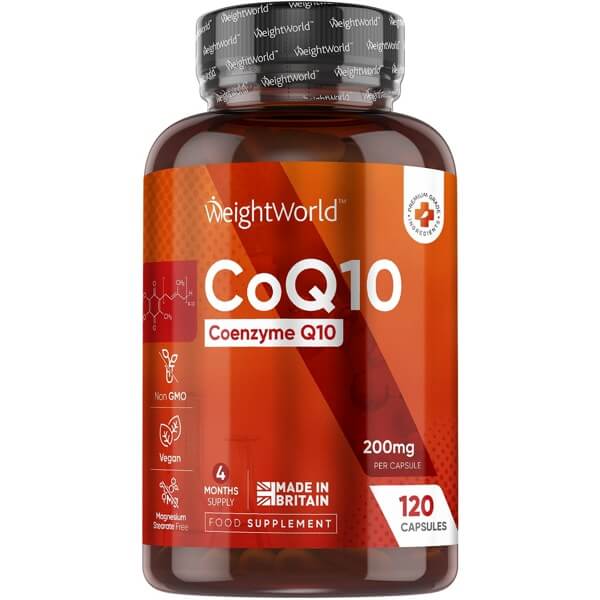
CoQ10 occurs naturally in every cell, concentrated particularly in energy-demanding organs like the heart, and plays a genuine role in mitochondrial function — the cellular process that converts food into usable energy. Natural CoQ10 production is understood to decline with age, which is part of why it’s more commonly discussed for adults over 40 specifically.
As covered in more detail in our dedicated CoQ10 guide, it’s worth knowing that independent research generally shows no significant absorption difference between ubiquinol and standard ubiquinone, despite ubiquinol often being marketed as clearly superior — that specific comparison typically traces back to a single manufacturer’s own research rather than independently replicated findings. Products providing 100-200mg per serving, taken with a meal containing some fat for better absorption, are a reasonable general approach regardless of which form you choose.

Immunity & Antioxidants
L-Carnitine
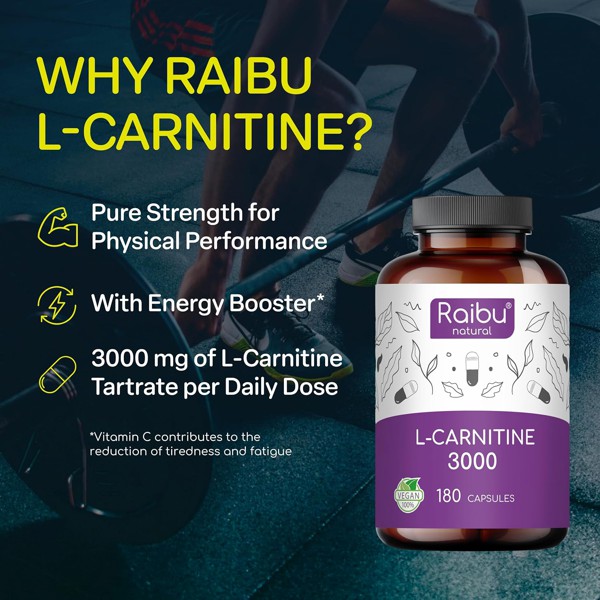
L-carnitine plays a genuine role in transporting fatty acids into cells’ mitochondria for energy production — a related mechanism to CoQ10 above, though through a different pathway. This is the basis for its research interest in exercise recovery and fat metabolism, though results across studies are mixed rather than uniformly positive, and it works best alongside, not instead of, regular exercise and balanced nutrition.
It’s worth being precise about the cardiovascular research specifically, since this is more nuanced than a simple “supports heart health” framing suggests: gut bacteria metabolise L-carnitine into a compound called TMAO, which observational research — including a well-known 2013 study in Nature Medicine — has associated with cardiovascular risk markers including atherosclerosis. The clinical significance of this for people taking L-carnitine supplements specifically remains under active scientific investigation and debate rather than a settled concern, but it’s worth knowing about rather than only hearing the positive framing.
A few genuine medication interactions worth knowing: L-carnitine may interfere with thyroid hormone action at the tissue level, relevant if you have hypothyroidism or take thyroid medication such as levothyroxine. It carries a documented, though rare, association with increased seizure activity in people with existing seizure disorders, can potentiate warfarin’s blood-thinning effect, and people with chronic kidney disease or on dialysis should avoid over-the-counter carnitine without specialist guidance.
Ashwagandha
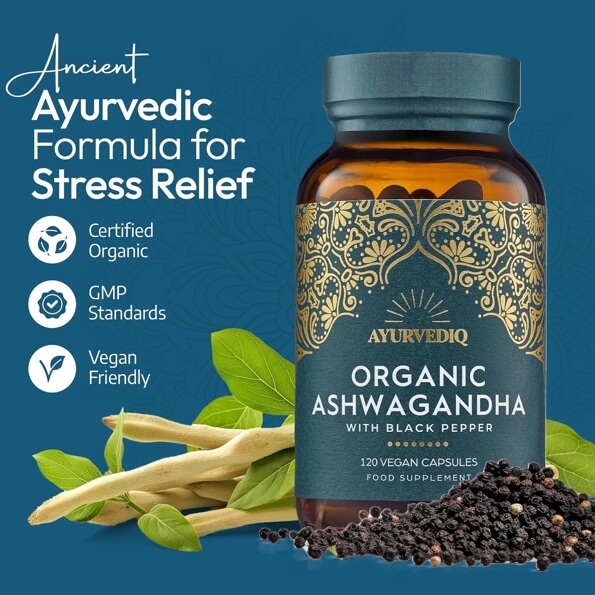
This adaptogenic herb is studied for a role in regulating cortisol, which is why it’s often discussed for stress-related fatigue specifically — the “wired but tired” feeling — rather than fatigue generally. KSM-66 and Sensoril are the two most-researched standardised extracts, generally used at 300-600mg daily, taken in the morning or early afternoon rather than close to bedtime, since some people find it mildly alerting.
As covered in more detail in our dedicated ashwagandha guide, it genuinely affects thyroid hormone levels in some people — worth knowing given thyroid issues are themselves a common cause of fatigue covered earlier in this guide. Anyone with a thyroid condition or on thyroid medication should check with their GP before starting ashwagandha, rather than assuming it’s a safe default for stress-related tiredness.

Magnesium
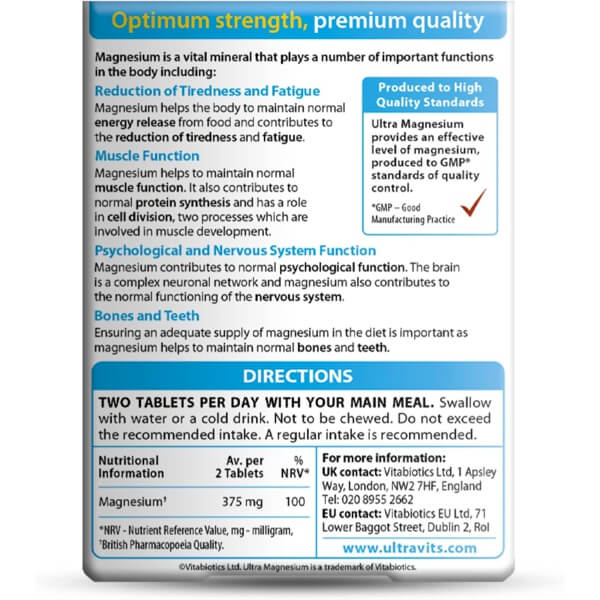
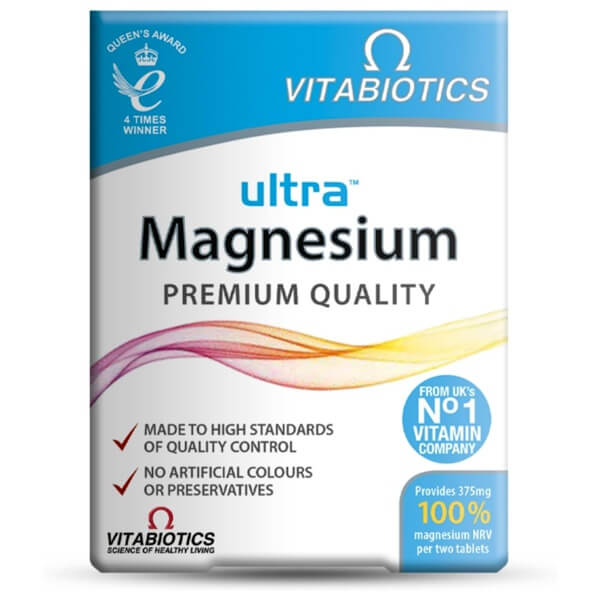
Magnesium is involved in over 300 biochemical reactions, including those converting food into energy, and also plays a role in nervous system regulation relevant to sleep quality — which matters here, since poor sleep is itself a major contributor to daytime fatigue. Magnesium glycinate or threonate are generally better absorbed and gentler on digestion than magnesium oxide.
Products delivering 200-400mg of elemental magnesium are common — some people take it before bed specifically for sleep support, while others split the dose across the day for more general energy-related support, depending on which aspect (sleep or daytime energy) is the bigger priority for them.
Vitamins & Minerals
Building a Sensible Approach
Rather than matching a supplement to a single symptom, it’s worth thinking about your fatigue pattern more broadly and, where the cause isn’t obvious, discussing it with your GP — morning tiredness, an afternoon crash, and constant low-grade exhaustion can each point toward different underlying factors, and a blood test is a far more reliable way to identify a genuine deficiency than symptom-matching alone, particularly for iron and thyroid-related causes.
If you do start a supplement, begin with one — ideally the one most clearly matched to a cause you’ve identified or had confirmed — and give it 4-8 weeks before adding another, tracking your energy levels along the way so you can tell what’s actually helping. Timing is worth being deliberate about too: B12 and iron generally suit mornings (iron alongside a vitamin C source), CoQ10 and L-carnitine work well with a meal containing some fat or food generally, ashwagandha suits morning or early afternoon, and magnesium is often best in the evening if sleep is part of what you’re addressing.
When choosing a product, prioritise addressing a specific, ideally confirmed cause over a generic “energy blend,” check for third-party testing and a reasonably absorbable form, and consider any interactions with medication you’re already taking — particularly relevant for iron, ashwagandha, L-carnitine, and CoQ10, each of which has specific considerations covered above.
Lifestyle Factors That Matter Just as Much
Supplements work best alongside genuinely foundational habits: balanced nutrition built around whole foods, complex carbohydrates, lean protein, and healthy fats; regular physical activity, even light exercise, which reliably supports energy levels; consistent, good-quality sleep; active stress management through mindfulness, meditation, or whatever genuinely works for you; and adequate hydration, since even mild dehydration measurably affects energy levels.
When to See a Doctor
Persistent fatigue deserves medical attention, particularly alongside unexplained weight changes, sleep disturbances despite good sleep hygiene, mood changes like depression or anxiety, pain or shortness of breath, or recurring infections. Your GP can arrange blood tests to check for thyroid disorders, anaemia, or specific vitamin deficiencies — a far more targeted starting point than trying supplements one at a time and hoping one happens to address the actual cause.
Final Thoughts
Persistent low energy is worth taking seriously, and the right approach usually combines identifying genuine underlying causes (ideally with your GP’s help, particularly for iron and thyroid-related fatigue), addressing lifestyle fundamentals, and adding a well-chosen supplement where it genuinely fits rather than matching one to a single symptom.
Start with whichever supplement best matches a cause you’ve identified or confirmed, choose a quality product in an appropriate form, and give it a genuine 4-8 weeks of consistent use before judging whether it’s helping — while keeping in mind that persistent, unexplained fatigue is always worth a GP conversation rather than an extended trial-and-error approach with supplements alone.
Disclaimer: This article is for informational purposes only and does not constitute medical advice. Always consult a healthcare professional before starting any new supplement regimen, particularly if you have existing health conditions or take medications, and before starting iron supplementation specifically without a confirmed deficiency.