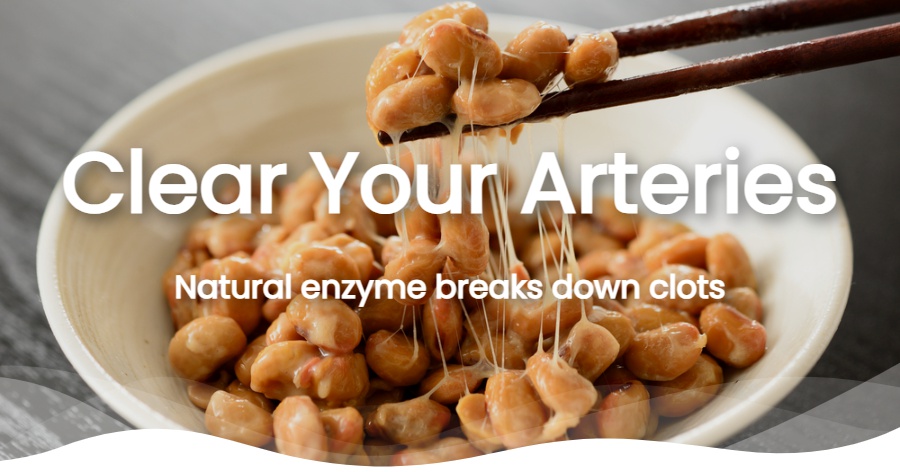
Atherosclerosis — the buildup of plaque in your arteries — affects millions of Britons and is a leading cause of heart attacks and strokes. Nattokinase, an enzyme derived from fermented soybeans, has attracted research interest specifically in relation to arterial plaque and blood clotting. This guide focuses on what that atherosclerosis-specific research shows — and, just as importantly, the serious safety considerations anyone should understand first. For a broader look at what nattokinase is and how it works in the body generally, see our companion guide, Nattokinase for Heart Health.
What Is Atherosclerosis?
Atherosclerosis occurs when fatty deposits, cholesterol, and other substances build up in and on your artery walls, forming plaques that restrict blood flow. These plaques can rupture, causing blood clots that may lead to serious cardiovascular events.
The condition develops silently over decades, often with no symptoms until an artery is severely narrowed or completely blocked. Risk factors include high cholesterol and triglycerides, high blood pressure, smoking, diabetes, family history, age (risk increases as you get older), obesity, and physical inactivity.
Atherosclerosis is diagnosed and managed by your GP or a cardiovascular specialist, typically through blood tests, imaging, and prescribed treatment. Nothing in this guide is a substitute for that care.
Important Safety Information — Please Read First
Nattokinase is studied for its effect on blood clotting — which is exactly why it isn’t suitable for everyone. Speak to your doctor before considering nattokinase if you:
- Use blood-thinning medication: including warfarin, aspirin, or clopidogrel — nattokinase may increase the risk of dangerous bleeding when combined with these.
- Have a bleeding disorder or low blood pressure
- Have surgery scheduled: stop nattokinase at least two weeks beforehand due to its effect on clotting.
- Are pregnant or breastfeeding
- Have a soy allergy
If you have an existing cardiovascular condition or take any regular medication, this is a conversation to have with your GP before starting — not after.
What the Research Says About Nattokinase and Atherosclerosis
Nattokinase is best known for its fibrinolytic (clot-dissolving) activity — a handful of studies have looked specifically at what this might mean for arterial health. A 2008 study published in Hypertension Research found that nattokinase supplementation reduced both systolic and diastolic blood pressure in participants, though this is one study, not a consistent body of evidence, so it’s best treated as preliminary rather than established. Some research has explored whether nattokinase influences LDL (“bad”) and HDL (“good”) cholesterol levels, with mixed and limited results so far, and some studies have observed anti-inflammatory effects relevant to atherosclerosis, though this research is still at an early stage. Research published in Current Medicinal Chemistry also suggested nattokinase might help maintain arterial elasticity, allowing blood vessels to expand and contract properly — again, an area of ongoing rather than conclusive research.
None of the above establishes that nattokinase can reverse existing arterial plaque or treat atherosclerosis — it’s a summary of what researchers have been investigating, not a clinical outcome.
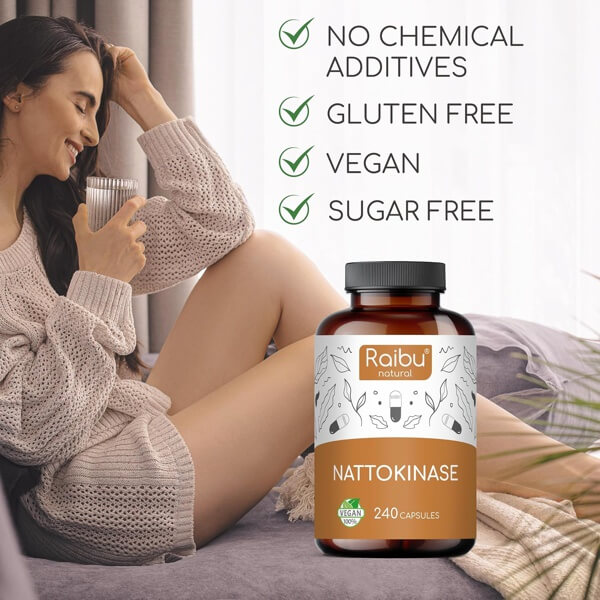
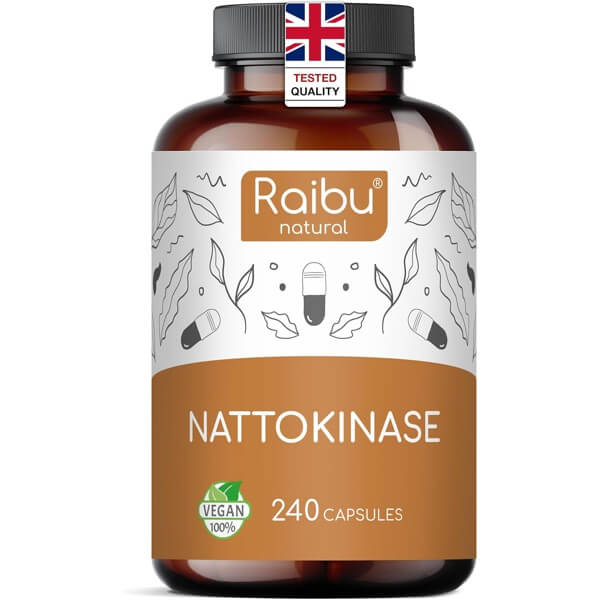
Nattokinase
Nattokinase Supplements Available in the UK
If, after speaking with your GP, you’re considering nattokinase, a few options are available in the UK: Ezyleaf Nattokinase offers 2,000 FU per capsule; Mystic Nature Nattokinase contains 200mg / 4,000 FU per capsule and is among the longer-established products in this category; Hybrid Health Nattokinase provides 4,000 FU per serving with enzyme activity testing; and NutriMali Premium Nattokinase offers a vegan-friendly, higher-potency formula.
Products are typically measured in “FU” (Fibrinolytic Units) — most of the studies above used doses in the region of 2,000 FU. For more detail on supplement forms, dosing approaches, and how nattokinase compares with eating natto directly, see our companion guide, Nattokinase for Heart Health.
Lifestyle Approaches for Arterial Health
Whatever you decide about supplements, these lifestyle factors have the strongest evidence behind them for supporting arterial health: a Mediterranean-style diet rich in fruits, vegetables, whole grains, fish, and olive oil; regular exercise, aiming for at least 150 minutes of moderate activity weekly; stopping smoking, one of the most significant steps for artery health; stress management, since practices like meditation may help with stress-related inflammation; and adequate sleep, with 7-9 hours nightly associated with better cardiovascular outcomes in observational research.
Final Thoughts
The research on nattokinase and atherosclerosis specifically is still early — interesting enough to justify continued study, but not enough to call it a treatment. Its blood-thinning effect means it carries real safety considerations that shouldn’t be an afterthought, particularly if you take any blood-thinning medication.
It is not a treatment for atherosclerosis and should never be started or stopped without your GP’s knowledge. If you’re interested in nattokinase, the right first step is a conversation with your GP — not a purchase.
Disclaimer: This article is for informational purposes only and does not constitute medical advice. Always consult a qualified healthcare professional before starting any supplement or making changes to your health regimen, particularly if you take blood-thinning medication or have a cardiovascular condition.