Trillions of microorganisms live in the digestive tract, and research increasingly points to their influence on immunity, mood, and overall health. The gut microbiome has become one of the most actively studied areas in health science, though — as with most fast-moving research fields — public understanding often runs ahead of what’s actually been firmly established.
What Is the Gut Microbiome?
The gut microbiome is the community of bacteria, fungi, viruses, and other microorganisms living primarily in the large intestine — a genuinely active ecosystem, weighing roughly 2kg and containing over 1,000 different bacterial species, not a passive collection of hitchhikers.
How the Gut Microbiome Is Understood to Influence Health
Immunity
A substantial portion of immune-related tissue is located in the gut (often cited as up to 70%, though that’s better understood as a rough approximation than a precise figure), and gut microbes play a genuine role in training the immune system to distinguish harmful invaders from beneficial substances — supporting the intestinal barrier, helping regulate inflammatory responses, producing antimicrobial compounds, and supporting immune cell production. Research published in the British Journal of Nutrition has found that people with more diverse gut bacteria tend to experience fewer respiratory infections and recover somewhat more quickly when they do get ill.
The Gut-Brain Connection
The relationship between gut and brain, often called the “gut-brain axis,” involves the microbiome communicating with the brain through neural, immune, and hormonal pathways — an area of research relevant to mood regulation, stress response, anxiety, and cognitive function. Research across multiple institutions has found that certain gut bacteria can produce or influence levels of serotonin and GABA, neurotransmitters central to mood regulation — a genuinely active research area (you’ll sometimes see specific studies attributed to particular universities online, though it’s worth treating any single named source with some caution given how fast-moving and widely distributed this research actually is). This connection helps explain the commonly observed overlap between digestive discomfort and low mood or anxiety, though the exact mechanisms are still being worked out.
Beyond Digestion
A well-functioning gut ecosystem is also relevant to nutrient absorption, weight regulation, hormone balance, sleep quality, skin health, and cardiovascular health — reflecting just how interconnected gut function is with the rest of the body, even if the specific mechanisms for each of these areas vary considerably in how well-established they are.
Signs Your Gut Microbiome May Need Attention
A number of things are sometimes linked to gut imbalance — frequent digestive discomfort (bloating, gas, constipation, or diarrhoea), food intolerances, unexplained fatigue, frequent infections, skin issues like eczema, mood fluctuations or brain fog, and sugar cravings. It’s worth being upfront that every one of these is genuinely non-specific and can have many causes beyond gut health — persistent or significant symptoms are worth discussing with a GP rather than assumed to be purely microbiome-related.
Prebiotics and Probiotics
Diet and supplementation are the two main levers most people use to support gut health.
Prebiotics are specialised plant fibres that feed beneficial gut bacteria, helping them thrive — onions, garlic, leeks, Jerusalem artichokes, asparagus, bananas, oats, and apples are all good natural sources. For convenience, a prebiotic fibre supplement like inulin powder dissolves easily into water or a smoothie and is specifically studied for supporting Bifidobacteria growth.
Probiotics are live bacteria and yeasts, commonly added to yoghurts or taken as standalone supplements, often described as “good” or “friendly” bacteria. There’s reasonable evidence that probiotics can help with some specific situations — easing some IBS symptoms, for instance — though evidence varies considerably by strain and condition, and probiotics aren’t a universal fix for digestive issues generally. Good dietary sources include live yoghurt with active cultures, kefir, sauerkraut, kimchi, and kombucha.
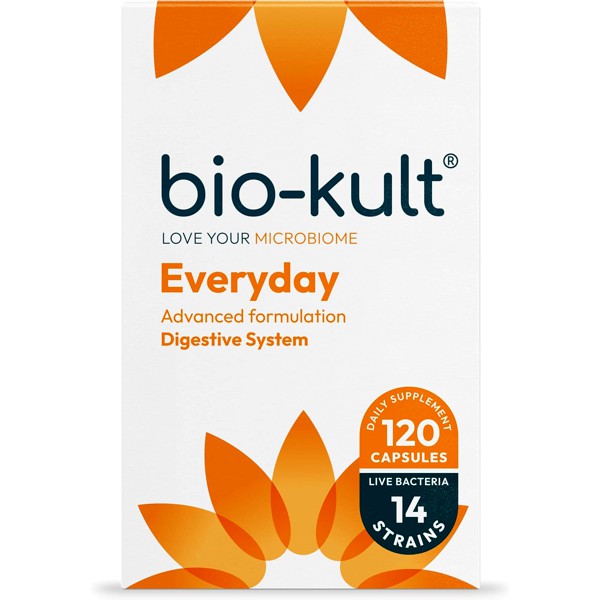
For a supplement, multi-strain products combining diverse Lactobacillus and Bifidobacterium strains are generally preferred over single-strain options, and most guidance suggests looking for at least 1 billion CFU (colony-forming units) per strain as a reasonable general benchmark, though the ideal count varies by strain and purpose. Bio-Kult’s Advanced Multi-Strain Formula is a well-regarded UK option combining 14 bacterial strains. Symprove takes a different approach, using a water-based (rather than capsule) format intended to reduce exposure to stomach acid and digestive enzymes before the bacteria reach the gut — the brand cites strong customer-reported satisfaction within 12 weeks, though it’s worth noting this reflects the company’s own customer feedback rather than an independent clinical trial, so it’s best read as a reasonable option worth trying rather than a guaranteed result.

Bacterial Cultures
Lifestyle Factors Beyond Supplements
Prebiotics and probiotics are only part of the picture. Eating a genuinely wide variety of plant foods — often cited as a target of 30+ different plants weekly — nourishes a broader range of beneficial bacteria than any single “superfood” could, since different plants feed different bacterial species. Ultra-processed foods, on the other hand, particularly those high in emulsifiers, artificial sweeteners, and preservatives, are increasingly understood to disrupt gut bacteria — relevant given how common these ingredients are in a typical UK diet. Chronic stress genuinely alters gut function and microbial composition too, which is part of why mindfulness, adequate sleep, and regular physical activity all support gut health indirectly, via the gut-brain connection covered earlier.
Antibiotics, while sometimes genuinely necessary, can significantly reduce microbial diversity — using them only when prescribed (not saved or shared) matters, and some people find a targeted probiotic like Symprove worth considering specifically during and after a course of antibiotics, to help support recovery of gut balance.
Being Realistic About Timelines
It’s worth being honest here: despite considerable hype around gut health supplements, research evidence for specific, universal recommendations remains genuinely limited in places, and not every claimed benefit has strong backing behind it. That said, where changes do occur, they take time — gut microbiome shifts aren’t instant, and consistency with prebiotics, probiotics, and the lifestyle factors above typically shows any noticeable effect over 4-12 weeks, not days.
When to See a Doctor
If you have an existing health condition or a weakened immune system, check with a doctor before starting any probiotic supplement. More generally, persistent digestive symptoms lasting more than two weeks, a sudden change in bowel habits, blood in stool, unexplained weight loss, or severe abdominal pain all warrant a GP visit rather than continued self-management with supplements.
Final Thoughts
The gut microbiome is a genuinely active participant in health, not a passive collection of bacteria — and nurturing it through varied nutrition, appropriate supplementation, and supportive lifestyle habits is a reasonable, evidence-informed goal. That said, not everyone needs a supplement, particularly if you’re generally healthy with no specific symptoms — a varied diet often does most of the work on its own.
For anything beyond general maintenance, particularly with a specific or complex health condition, a registered nutritional therapist or GP familiar with gut health is a more reliable guide than general online advice, including this guide.
Disclaimer: This article is for informational purposes only and does not constitute medical advice. Always consult your GP before starting a probiotic supplement if you have an existing health condition or a weakened immune system, and seek prompt medical attention for symptoms like blood in stool, unexplained weight loss, or severe abdominal pain.