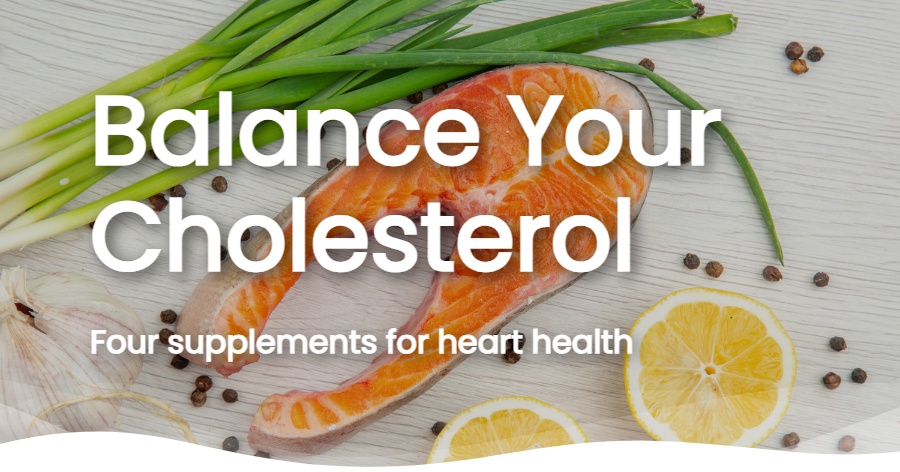
Your cholesterol levels affect your heart health directly. High cholesterol affects around 40% of the UK population. Many Britons seek natural ways to support healthy levels alongside their normal medical care.
This guide explains cholesterol types, helps you recognise imbalance symptoms, and looks at what current research says about supplements sometimes used alongside — never instead of — medical management of cholesterol.
Understanding Cholesterol: The Balance
Cholesterol serves essential functions. This waxy substance builds healthy cells and produces hormones. Your body creates all the cholesterol needed, but food adds more.
Types of Cholesterol
- HDL (High-Density Lipoprotein): HDL removes other forms of cholesterol from your bloodstream. The liver processes and eliminates these transported molecules.
- LDL (Low-Density Lipoprotein): High LDL levels lead to buildup in arteries, restricting blood flow and increasing heart health risks.
- Triglycerides: These fat particles accompany cholesterol issues. Elevated levels contribute to arterial narrowing.
Signs of Cholesterol Imbalance
Many high cholesterol sufferers remain unaware because elevated blood cholesterol levels show no symptoms. Some indirect signs suggest checking your levels: persistent fatigue, yellowish deposits around the eyes or on skin (xanthomas), chest discomfort or shortness of breath, dizziness or cognitive concerns, and numbness or cold extremities. Blood tests remain the only reliable way to determine your cholesterol levels accurately.
Supporting Healthy Cholesterol Through Lifestyle
Healthy cholesterol requires multiple lifestyle approaches: a balanced diet built around fruits, vegetables, whole grains, and lean proteins; regular physical activity, at least 150 minutes of moderate exercise weekly; healthy weight maintenance, reducing excess body fat particularly around the midsection; limited alcohol consumption, following recommended guidelines; avoiding tobacco products, since smoking damages vessel walls and accelerates cholesterol deposition; and stress management, given chronic stress impacts heart health and metabolism.
Top UK Supplements for Cholesterol Support
Lifestyle changes form the foundation. Here’s what current research says about four supplements sometimes used alongside them:
1. Plant Sterols and Stanols
Plant sterols and stanols have a similar structure to cholesterol and are understood to reduce the amount of cholesterol absorbed by the gut. This is one of the few areas in this category with an EU-authorised health claim specifically for blood cholesterol.
Research found that around 3.3 grams of phytosterols daily was associated with a gradual 6 to 12 percent reduction in LDL cholesterol after around four weeks. Studies generally used a daily intake of 1500-3000mg plant sterols to achieve this effect.
Biopharm-X High Strength Plant Sterols is one way to incorporate these compounds into your routine, alongside — not instead of — any treatment your GP has prescribed.
2. Omega-3 Fatty Acids
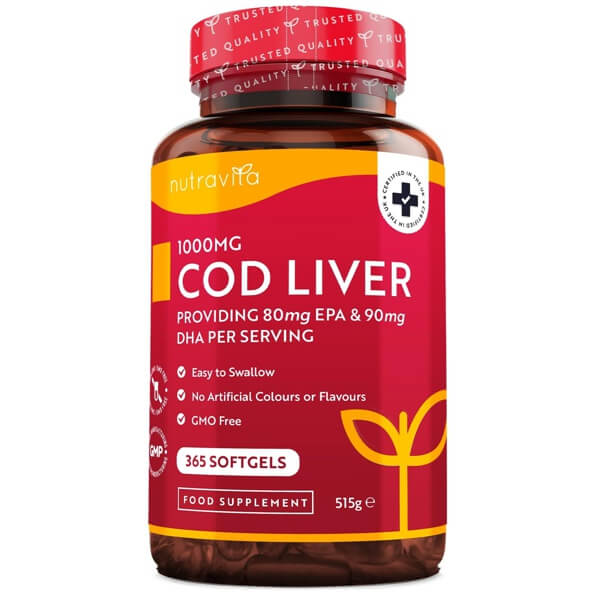
Omega-3 supplements have been studied for their effects on triglycerides, inflammation markers, and HDL cholesterol levels.
A meta-analysis covering 72,598 participants found that consuming supplements containing two types of omega-3s daily for around 13 weeks was associated with lower blood triglycerides. However, the same body of research found that taking over 2g of these omega-3 supplements daily decreased triglyceride levels further but also raised LDL cholesterol in some participants — a reminder that “more” is not automatically better.
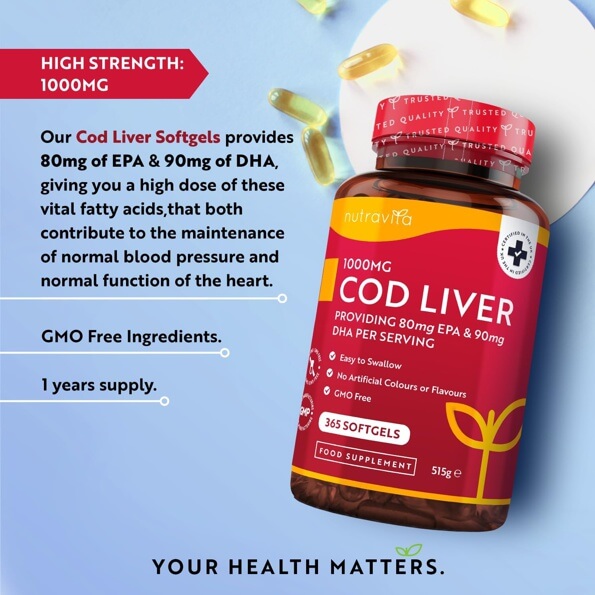
For heart health specifically, look for supplements with adequate EPA and DHA content, and discuss the right dose with your GP if you take other cardiovascular medication.
Omega-3 & Fatty Acids
3. Red Yeast Rice
Red yeast rice extract contains monacolin K, a compound with a similar chemical structure to the active ingredient in the prescription statin lovastatin. Because of this similarity, monacolin K is subject to specific EU/UK dosage restrictions for food supplements, and its regulatory status has been reviewed by EFSA in recent years.
Some studies have compared red yeast rice’s effect on LDL cholesterol to that of statins, but this is not a basis for treating it as a substitute for prescribed medication. The amount of active monacolin K in supplements varies considerably between products, unlike the precisely controlled dose in a prescription statin.
If you are already taking a statin, red yeast rice should not be added to your routine without first speaking to your GP, given the shared mechanism of action and the risk of compounding side effects.
Fairvital Red Yeast Rice provides a standardised extract from this fermented rice product, for those who have discussed it with their doctor.
4. Coenzyme Q10 (CoQ10)
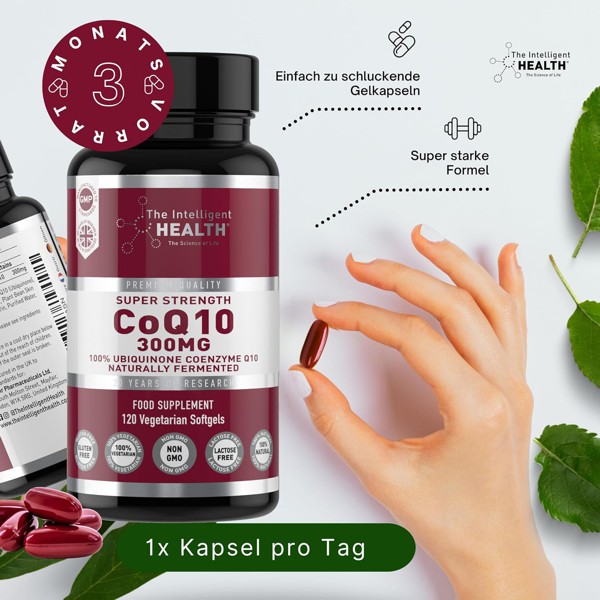
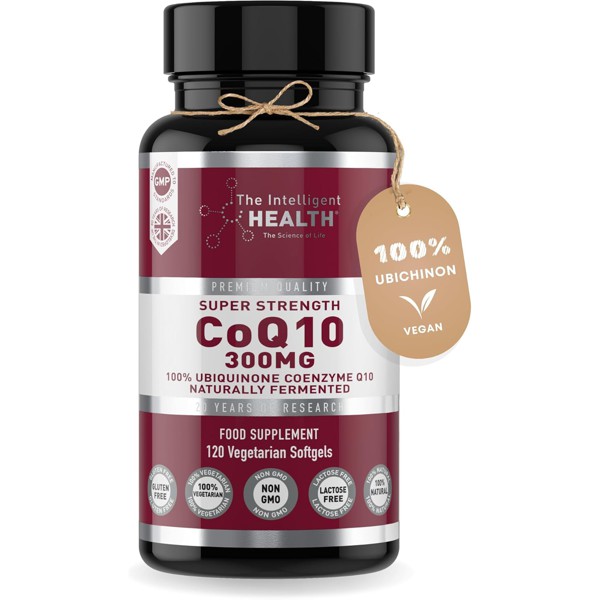
This antioxidant supports heart muscle function and energy production. Statin medications reduce the amount of cholesterol your body makes, which as a side effect also depletes natural CoQ10 levels.
Some people taking statins discuss CoQ10 supplementation with their doctor as a way to help offset this depletion — it is not a treatment for cholesterol itself, but a complementary consideration for those already on statin therapy.
Immunity & Antioxidants
Building a Comprehensive Approach to Heart Health
An effective approach combines regular monitoring through GP-supervised blood tests, personalised dietary adjustments, appropriate physical activity, targeted supplementation discussed with your GP, and stress reduction techniques. Supplements are not a standalone solution and work best as one part of a plan agreed with your healthcare provider.
When to Consult a Healthcare Professional
A few situations warrant professional medical attention: a family history of heart conditions or high cholesterol, existing cardiovascular concerns, multiple risk factors such as age or blood pressure issues, taking medications that might interact with supplements, or persistently elevated cholesterol despite lifestyle changes.
Final Thoughts
Supporting healthy cholesterol levels involves informed choices, sustainable lifestyle habits, and — for some people — supplements discussed with a healthcare provider. None of the above replaces regular monitoring or prescribed treatment.
Understanding cholesterol types, recognising warning signs, and knowing what current research does and doesn’t show about supplements can help you have a more informed conversation with your GP.
Consistency drives results. Small, sustainable changes often yield the most significant long-term benefits for cholesterol levels and overall wellbeing.
Disclaimer: This article is for informational purposes only and does not constitute medical advice. Always consult your GP or pharmacist before starting any supplement, particularly if you take regular medication or have an existing health condition.