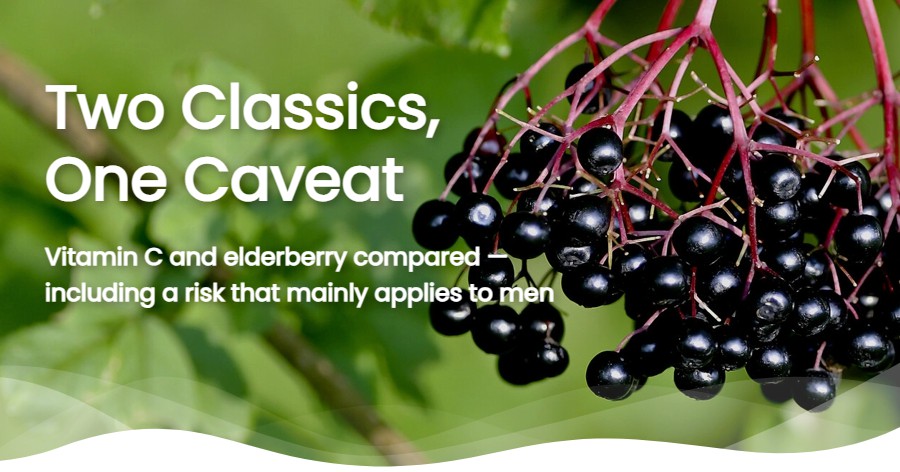
Vitamin C & Elderberry are two of the most recognisable names in immune support, often sold side by side, and sometimes combined in the same product. Both have genuine research behind them, which is worth taking seriously — and vitamin C, specifically at higher doses, carries a well-documented risk that mainly applies to one group of people, worth knowing about before you commit to taking it daily, long-term.
Vitamin C — Genuine Claims, and a Gender-Specific Risk Worth Knowing
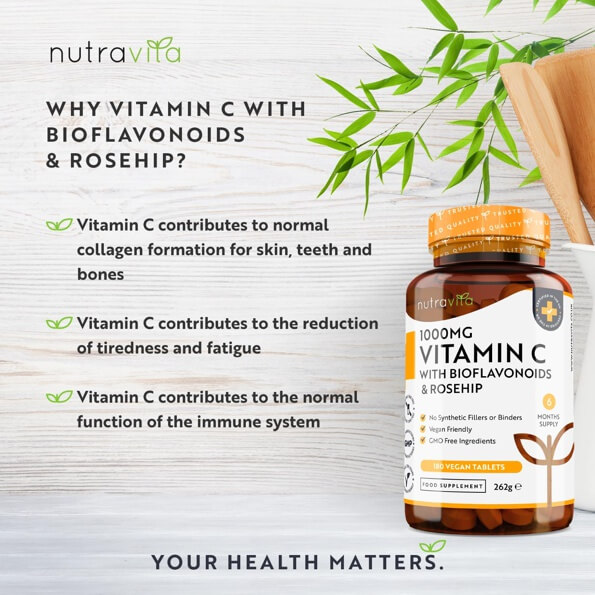
Vitamin C has a solid, EU-authorised evidence base: it contributes to normal immune function, supports normal collagen formation (relevant to skin, bones, teeth, and gums), and contributes to the reduction of tiredness and fatigue. These are genuine, tested claims, not marketing embellishment.
The Kidney Stone Risk, Precisely Stated
Vitamin C intake at or above 1,000mg daily is associated with an increased risk of kidney stones — but specifically in men, not women. The clearest evidence for this comes from a prospective study published in JAMA Internal Medicine, which followed over 23,000 Swedish men for more than a decade and found regular vitamin C supplement users had roughly double the risk of developing kidney stones compared with non-users.
A separate, larger analysis combining data from over 197,000 people confirmed the same pattern: an association in men at daily intakes of 1,000mg or more, but no association at all in two large cohorts of women. The mechanism is well understood — part of any excess vitamin C is metabolised into oxalate, a component of the most common type of kidney stone.
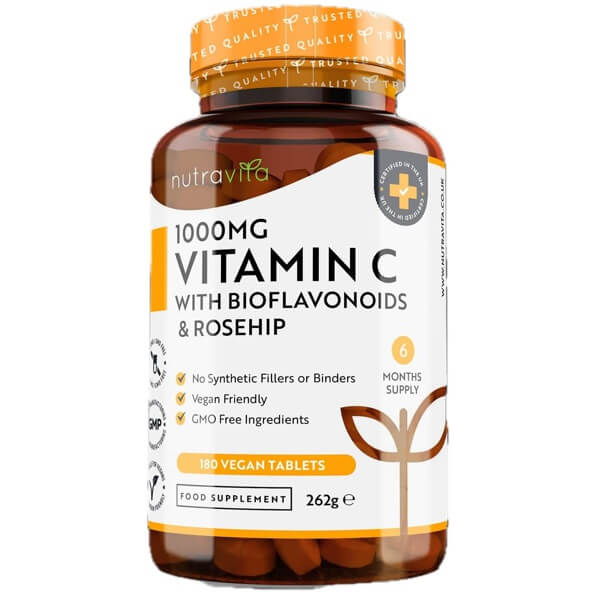
This isn’t a reason to avoid vitamin C altogether, and it doesn’t apply to normal dietary vitamin C from food. It’s specifically relevant if you’re a man taking a 1,000mg-plus dose routinely and long-term, rather than for a short, specific reason. Staying well hydrated helps mitigate the risk, and if you have a personal history of kidney stones, this dose is worth discussing with your GP directly rather than assuming it’s automatically fine. The UK upper limit for vitamin C from all sources is 2,000mg daily — this product, at 1,000mg per tablet, sits at half that ceiling on its own.
Mild stomach upset is possible at this dose in sensitive individuals; splitting a higher total daily amount across two smaller doses can sometimes help, though this specific product is formulated as a single daily tablet.
Vitamins & Minerals
Elderberry — Encouraging Research, With Honest Limits
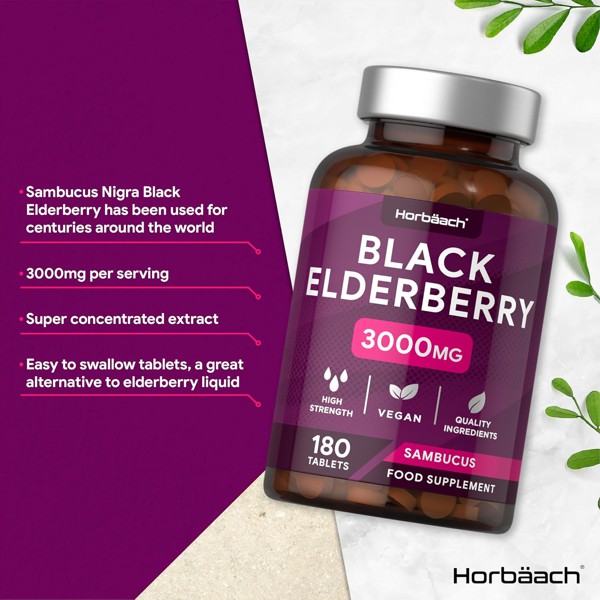
Black elderberry (Sambucus nigra) has genuine traditional use across multiple cultures, and modern research has explored a number of studies suggesting a possible reduction in the duration and severity of upper respiratory infection symptoms specifically.
What the Research Actually Supports, and What It Doesn’t
It’s worth being precise here: study quality and sample sizes vary meaningfully across the elderberry research base, and elderberry is not established as a treatment for flu, COVID-19, or any other diagnosed respiratory illness. The genuinely supported use is narrower and more modest — a possible reduction in how long and how severe common cold-type symptoms feel, not a cure or a substitute for medical treatment of a diagnosed infection.
Dosing Genuinely Differs by Purpose
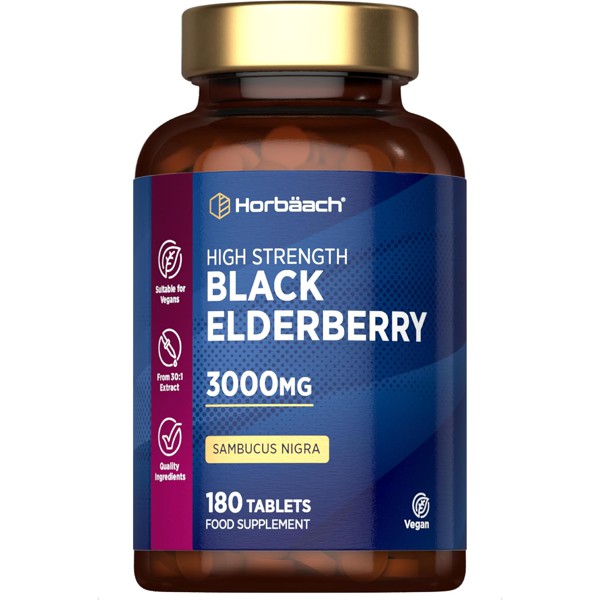
This product delivers a 30:1 concentrated extract, equivalent to 3,000mg raw elderberry across three tablets daily. Dosing approaches differ depending on why you’re taking it: for general preventive use through cold season, a lower daily amount is commonly used on an ongoing basis, while a higher amount for a shorter period — typically 5 to 7 days — is sometimes used at the first sign of symptoms, with earlier use generally considered more useful than starting once symptoms are already established.
Who Should Check With Their GP First
Because of elderberry’s immune-modulating properties, anyone with an autoimmune condition or taking immunosuppressant medication should check with their GP before regular use — stimulating immune activity isn’t necessarily desirable in that specific context. Elderberry may also interact with certain other medications that affect the immune system. Claims about skin health benefits rest on elderberry’s general antioxidant content rather than dedicated research for that specific use, and are best read as a secondary consideration rather than a primary, well-established benefit.
Fruit & Berry Extracts
Vitamin C & Elderberry – Combining the Two
Vitamin C & elderberry are frequently taken together, and there’s no specific interaction risk between them. The one practical thing worth checking: if either product you’re taking already includes the other ingredient, or if you’re taking multiple vitamin C-containing products at once, it’s worth adding up your total daily vitamin C intake against the 2,000mg UK upper limit, rather than assuming each product’s dose exists in isolation.
Common Myths, Addressed
“Vitamin C prevents colds.” The evidence for this specific claim, in the general population, is weaker than commonly assumed — most research shows a modest effect on the duration of a cold once you have one, rather than meaningfully preventing colds from happening in the first place, for most healthy adults.
“If it’s a vitamin, more is always safer than less.” Vitamin C’s kidney stone association at higher, regular doses is a clear example of why this isn’t reliably true, even for a nutrient with a genuinely good overall safety record.
Final Thoughts
Vitamin C & elderberry both have real research behind their most-marketed uses, which distinguishes them from a lot of supplements in this category. Vitamin C’s immune, collagen, and fatigue-related claims are genuinely EU-authorised, not invented — but the kidney stone association at 1,000mg-plus daily, specifically in men, deserves more visibility than most vitamin C marketing gives it. Elderberry’s cold-symptom research is genuinely encouraging within its actual, narrower scope, without stretching into flu or COVID-19 treatment claims it doesn’t support. Taken with those specific caveats in mind, both are reasonable additions to a cold-season routine for most people.
Disclaimer: This article is for informational purposes only and does not constitute medical advice. Always consult your GP before starting vitamin C or elderberry supplements, particularly if you have a history of kidney stones, an autoimmune condition, take immunosuppressant medication, are pregnant, or are breastfeeding.