Cardiovascular disease remains one of the leading causes of death in the UK, and increasingly affects people at younger ages than in previous generations — a combination of sedentary lifestyles, processed diets, and chronic stress genuinely places extra strain on the heart over time. Alongside lifestyle changes, which remain the foundation of heart health, this guide looks at what research actually supports among the Heart Health Supplements most commonly discussed.
Who Should Pay Extra Attention
A few factors are worth being particularly mindful of: age over 40, a family history of heart disease, high cholesterol or blood pressure, excess weight around the midsection, diabetes or pre-diabetes, and high stress or poor sleep. None of these mean supplements are the answer on their own — they’re reasons to have a genuine conversation with your GP about your cardiovascular risk, with Heart Health Supplements considered as one part of the picture your GP helps you build.
Nutrients Studied for Cardiovascular Health
Omega-3 Fatty Acids (EPA & DHA)
Omega-3s from fatty fish and algae are studied in relation to triglyceride levels, blood pressure, and inflammation in blood vessels. It’s worth being accurate about the current evidence picture here, since it’s more nuanced than often presented: a 2020 Cochrane review found that increasing omega-3 intake probably makes little or no difference to cardiovascular mortality or events in the general population, and NICE doesn’t recommend routine omega-3 supplementation for primary prevention.
The clearer benefits relate to specific situations — such as elevated triglycerides in people already on statin therapy — where the strongest results come from a high-dose prescription form, not standard over-the-counter supplements. This doesn’t mean standard omega-3 has no value, but “reduces heart attack risk by 25%” oversimplifies a genuinely more complicated picture, and it’s covered in full detail in our dedicated omega-3 guide.
Omega-3 & Fatty Acids
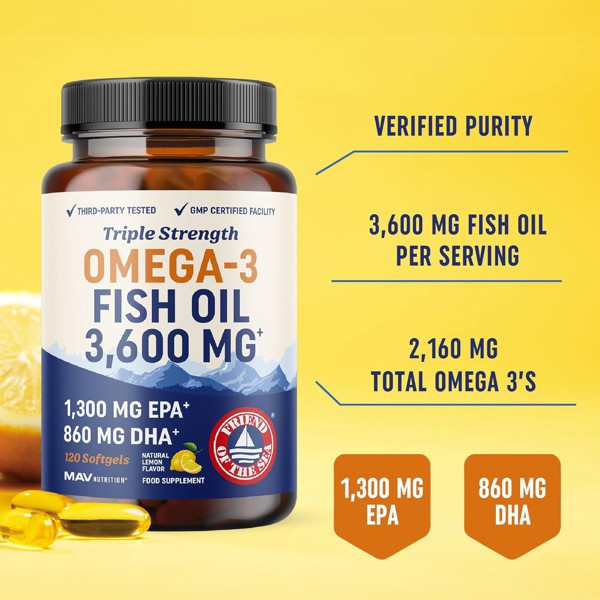
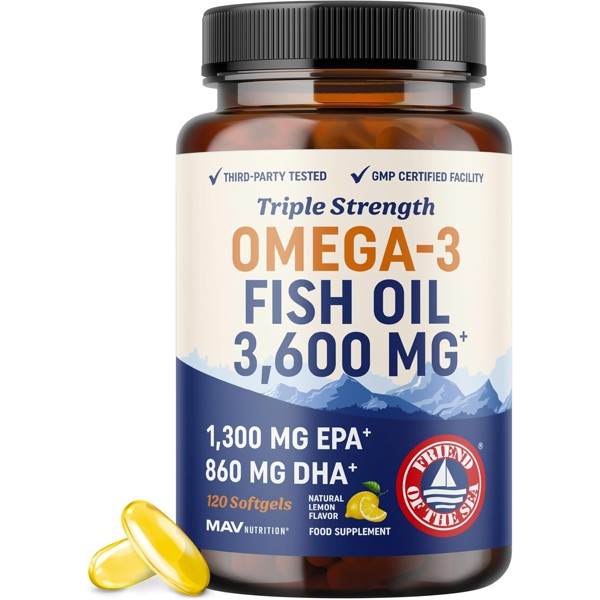
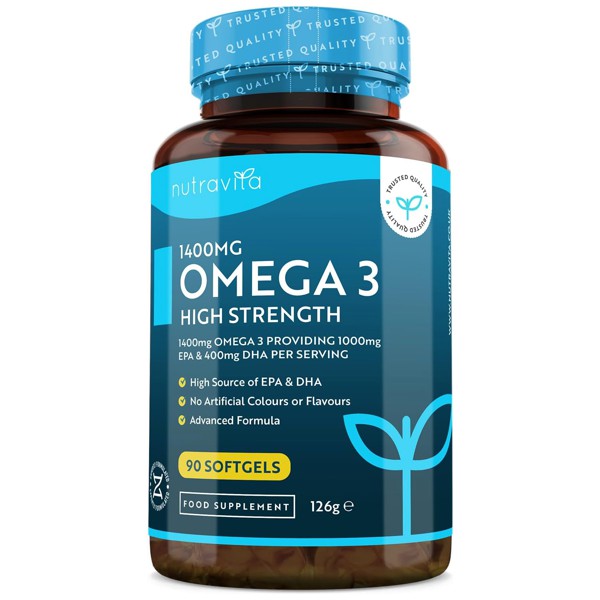
For a specific product, Nutravita’s high-strength fish oil delivers 1,000mg of combined EPA and DHA per serving, is IFOS certified, sustainably sourced, and enteric-coated to reduce fishy aftertaste — a reasonable option if you’re looking for a well-tested, appropriately dosed omega-3 specifically.

Omega-3 & Fatty Acids
Coenzyme Q10 (CoQ10)
CoQ10 supports energy production within heart cells specifically, and statin medication is understood to reduce the body’s natural CoQ10 levels as a side effect of how it works — relevant given how many people in the UK take statins for cholesterol management.
It’s worth being precise here rather than overstating things, as covered in more detail in our dedicated CoQ10 guide: whether CoQ10 reliably resolves statin-related muscle fatigue remains genuinely uncertain in research, and independent studies generally find no significant absorption difference between ubiquinol and standard ubiquinone — claims of one absorbing several times better than the other typically trace back to a single manufacturer’s own research on its branded ingredient, not independently replicated findings. Some research has explored CoQ10 in relation to heart failure symptoms specifically, generally as a complement to prescribed treatment under a cardiologist’s guidance, never as a replacement for it.
Immunity & Antioxidants
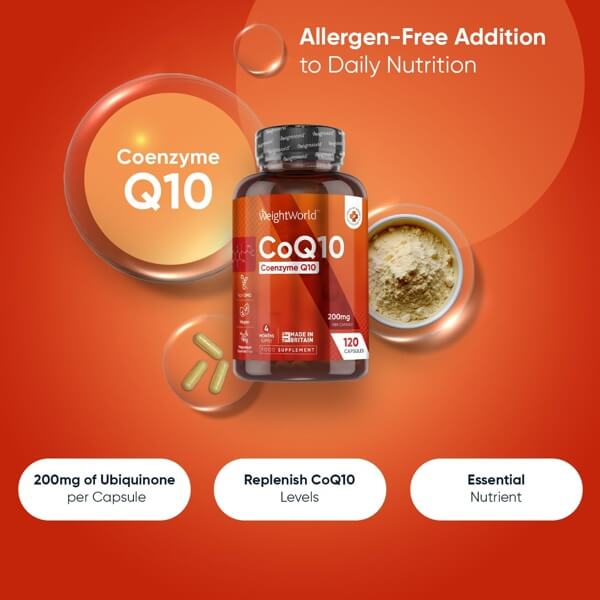
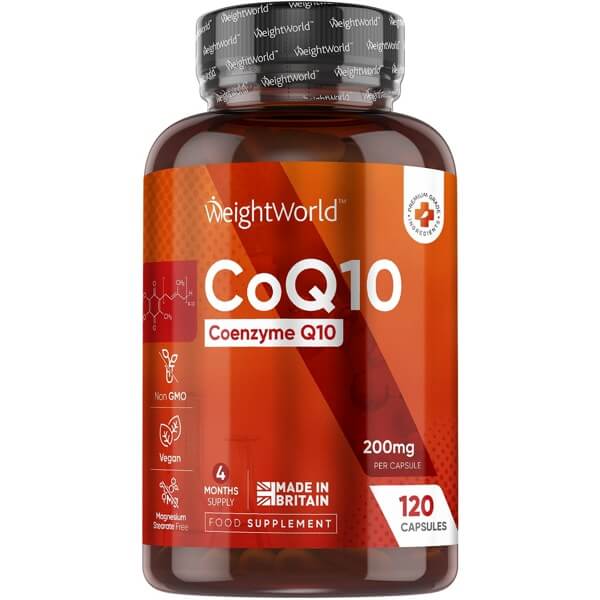
WeightWorld’s CoQ10 200mg is one specific option worth considering, particularly for anyone on statin medication looking to discuss CoQ10 with their GP.
Magnesium
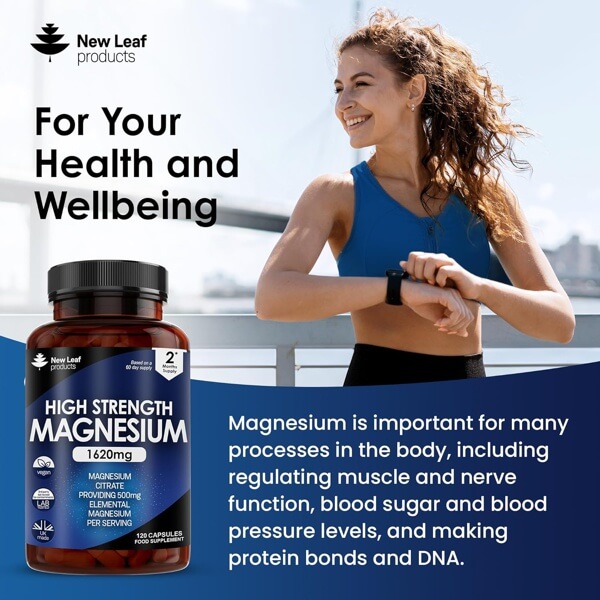
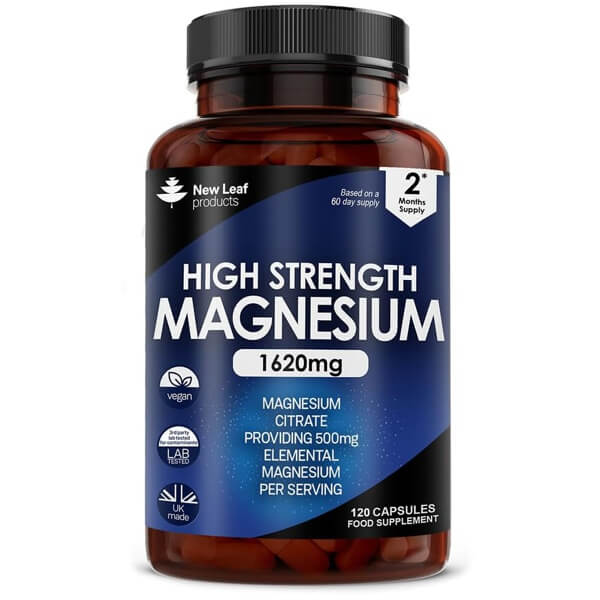
Magnesium plays a genuine role in regulating heartbeat, supporting blood pressure already within a healthy range, and managing the body’s stress response — and a meaningful proportion of people in the UK fall short of adequate intake through diet alone. Some research has explored links between magnesium intake and cardiovascular outcomes including stroke and heart failure risk, though it’s worth treating any single specific percentage from this research with some caution, since findings vary between studies and most of this evidence is observational (based on diet and intake patterns) rather than controlled trials of supplementation specifically.
Vitamins & Minerals
Vitamin D3 + K2
These two nutrients are studied together in relation to calcium regulation — vitamin D supports calcium absorption, while K2 is studied for helping direct that calcium toward bone rather than arterial tissue. The UK’s limited sunshine makes vitamin D shortfalls common, and some research links low vitamin D levels to blood pressure and general cardiovascular markers, though — as covered in more detail in our dedicated vitamin D3+K2 guide — this research area is still genuinely developing, with researchers themselves noting that larger, more definitive trials are needed before firmer conclusions can be drawn, particularly for cardiovascular outcomes specifically as opposed to bone health.


Vitamins & Minerals
Turmeric/Curcumin
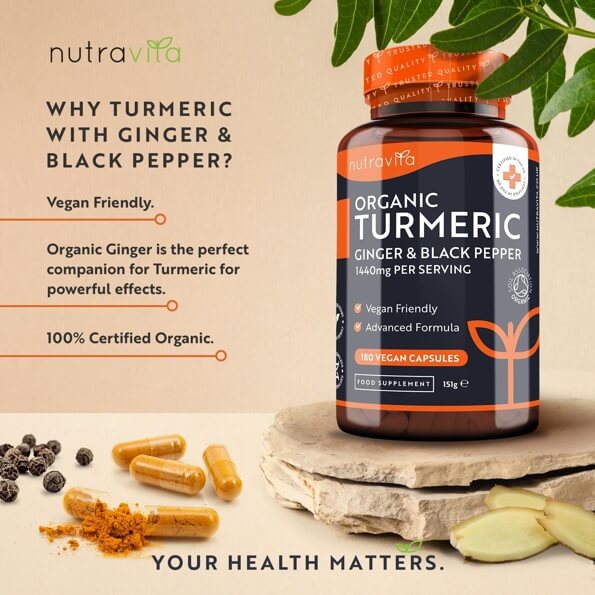
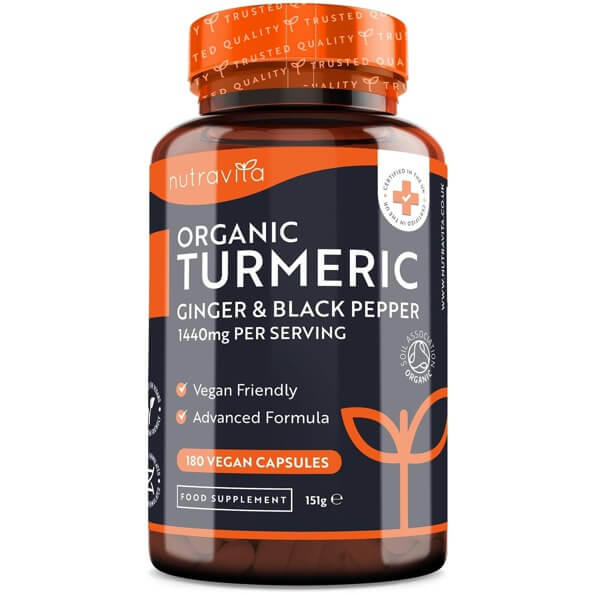
Curcumin is studied for anti-inflammatory and antioxidant properties, including some research on endothelial function — how well blood vessels dilate and contract, relevant to overall cardiovascular health. It’s worth knowing, given the topic of this guide, that concentrated curcumin supplements have, in rare cases, been linked to documented instances of liver injury; if you notice unusual fatigue, yellowing skin or eyes, or dark urine after starting curcumin, stop and see your GP. Curcumin also has mild blood-thinning properties, worth knowing if you’re already on anticoagulant medication, which isn’t uncommon among people specifically interested in heart health supplements.
Traditional Herbs
Organic Turmeric with Black Pepper & Ginger 180 Vegan Capsules
Garlic Extract
Garlic has a long history of traditional medicinal use, and allicin, its active compound, is studied for a role in blood pressure and cholesterol via a vasodilating (blood vessel widening) effect. Aged garlic extract is the form most commonly used in clinical research, partly because it addresses the pungent taste and smell of raw garlic while aiming to preserve activity.
Worth knowing: garlic has genuine blood-thinning properties, so it’s worth discussing with your GP before combining with anticoagulant medication or before any scheduled surgery — a relevant consideration given how many people interested in heart health are also managing blood pressure or cholesterol with medication.
Plant Sterols
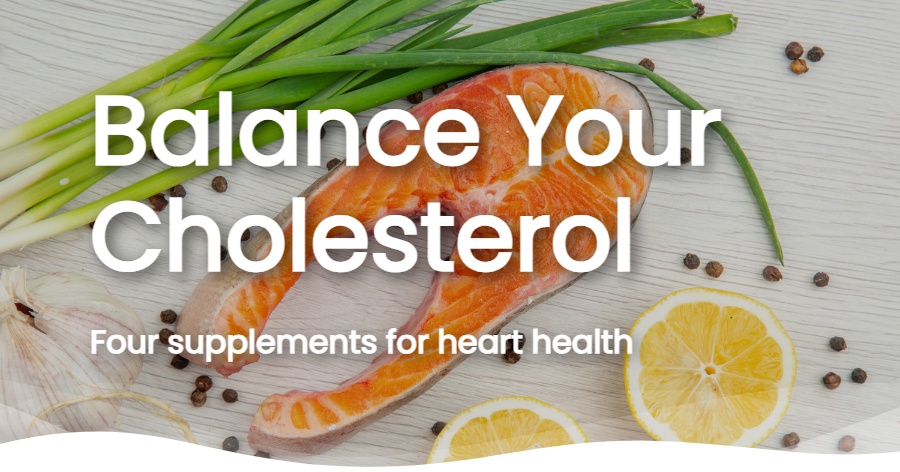
Plant sterols block cholesterol absorption in the gut and have one of the few genuinely EU-authorised health claims in this entire category specifically for blood cholesterol — a more solid regulatory footing than most of the other ingredients in this guide. They’re commonly discussed as part of a broader cholesterol management approach, alongside — not instead of — dietary changes and any prescribed treatment.
Choosing Quality Products
Beyond the specific ingredients above, general quality markers matter: UK/EU GMP certification, third-party testing, transparent labelling without vague “proprietary blends,” bioavailable nutrient forms, and a clean ingredient list without unnecessary fillers or artificial additives. For omega-3 specifically, IFOS certification and enteric coating (to reduce fishy aftertaste) are reasonable additional things to look for.
Safety Considerations Across This Guide
Given how many of these supplements have genuine interaction potential with heart-related and other medication, it’s worth gathering the key points together: CoQ10 has mild blood-thinning properties; curcumin carries the rare liver risk noted above and also has mild blood-thinning effects; garlic has genuine blood-thinning properties too; and magnesium needs care if you have kidney disease or take bisphosphonate medication. If you’re on any cardiac medication, blood thinners, or blood pressure medication, bring your full supplement list to your GP appointment — patients often forget to mention supplements, but they can genuinely affect how prescribed medication works, and this matters more, not less, for anyone specifically managing a diagnosed heart condition.
Matching Supplements to Specific Concerns
This is general information to think through with your GP, not a self-directed treatment plan — particularly for anyone who has had a cardiac event, who should only consider supplements under direct medical supervision, not based on a general guide like this one. With that caveat: plant sterols, omega-3, and bergamot extract are commonly discussed in relation to cholesterol; magnesium, garlic, and CoQ10 in relation to blood pressure; magnesium, CoQ10, and B vitamins in relation to palpitations; and vitamin K2, omega-3, and pomegranate extract in relation to arterial health research specifically.
Lifestyle Factors That Matter More Than Any Supplement
Heart health supplements cannot compensate for poor lifestyle choices, and what you eat daily has a far greater cardiovascular impact than any supplement — think of supplements as filling specific nutritional gaps, not replacing a heart-healthy diet.
A Mediterranean-style eating pattern has consistently strong evidence behind it: olive oil as the primary fat source, abundant vegetables and fruit, fatty fish like salmon, mackerel, and sardines a couple of times weekly, moderate nuts and seeds, and limited processed food and added sugar. The British Heart Foundation recommends at least 150 minutes of moderate activity weekly — walking meetings, taking the stairs, gardening, swimming, or cycling all count, and small movement breaks throughout the day add up meaningfully over time. Chronic stress raises cortisol and blood pressure, so genuine stress management — mindfulness, time outdoors, 7-8 hours of quality sleep, and maintaining social connections — is a legitimate, evidence-backed part of heart health, not just a wellness add-on.
Final Thoughts
Your heart works continuously, and it deserves genuine attention rather than an afterthought — but the most impactful things you can do are diet, activity, sleep, and stress management, with heart health supplements as a reasonable, well-informed addition where the evidence supports them, not a replacement for any of it.
Focus on quality over marketing claims, be aware of the genuine safety considerations covered above (particularly if you’re on cardiac or blood-thinning medication), and discuss anything beyond general, low-risk options with your GP — especially if you have a diagnosed heart condition or take regular medication.
Disclaimer: This article is for informational purposes only and does not constitute medical advice. Always consult your GP before starting a heart health supplement, particularly if you take blood-thinning, blood pressure, or other cardiac medication, or have a diagnosed heart condition.