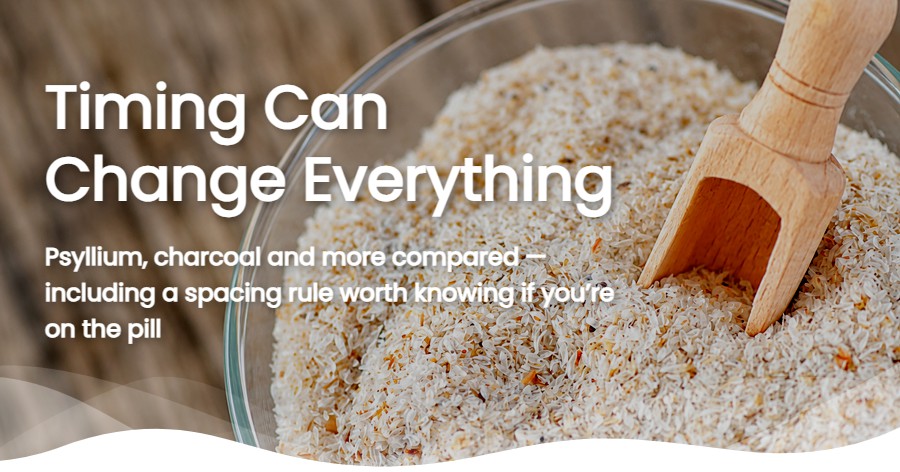
Psyllium, digestive enzymes, peppermint oil, apple cider vinegar, and activated charcoal all get grouped under “digestive support” in supplement aisles, but they work through entirely different mechanisms, and they carry entirely different safety considerations. One of them in particular comes with a rule worth understanding properly rather than skimming past.
Psyllium Husk — Fibre That Needs Careful Handling
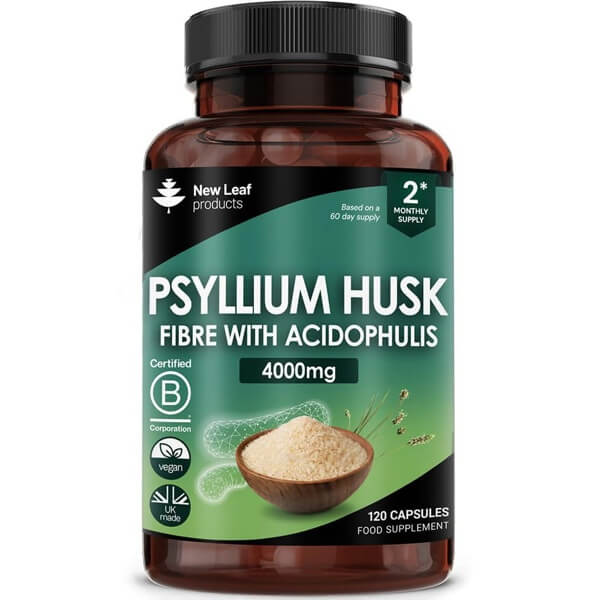
Psyllium is a soluble, viscous fibre genuinely supported by research for digestive regularity and, more specifically than most ingredients on this site, cholesterol — soluble fibre like this binds cholesterol-containing compounds in the gut, reducing their absorption.
Two Practical Points That Matter More Than “Drink Water” Alone Conveys
Fluid intake genuinely matters here more than most supplement labels suggest. Taking psyllium without adequate fluid carries a real risk of throat or oesophageal blockage, particularly in capsule form — always take it with a full glass of water, and make sure you’re drinking enough fluid across the day generally, not just at the moment you take the capsules. Separately, psyllium can reduce the absorption of medications taken around the same time, since it forms a gel in the gut. The general guidance is to take psyllium at least one to two hours apart from other medications — worth discussing with your GP or pharmacist if you take regular prescriptions.
The acidophilus probiotic strain included here is very safe for most healthy people; documented cases of probiotic-associated bloodstream infections exist, but almost exclusively in people who are immunocompromised, critically ill, or have a central venous catheter. Allergic reactions to psyllium, while uncommon, are a genuine possibility — stop use and seek medical attention if you notice swelling, difficulty breathing, or a widespread rash.

Digestive Health
Digestive Enzymes — Two Ingredients in One, With Different Rules
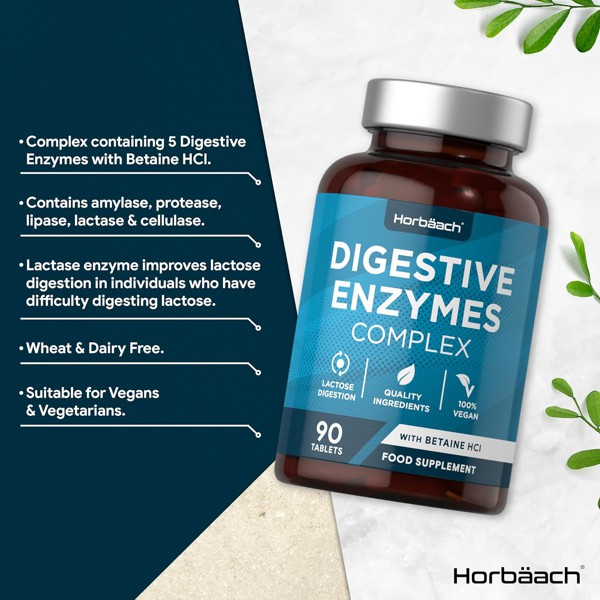
This is worth reading carefully if you’re considering an enzyme product that also includes betaine HCl, since it’s genuinely two different types of ingredient in one tablet.
The Enzyme Blend Itself
Amylase, protease, lipase, lactase, and cellulase each break down a specific type of food component — carbohydrates, proteins, fats, dairy sugars, and plant fibre respectively — and this blend is generally gentle and well tolerated, supporting digestion if your body’s own enzyme production falls short in a specific area.
Betaine HCl Is a Different Matter
Betaine hydrochloride is a source of stomach acid, used to temporarily increase acidity in people with genuinely low stomach acid — and it has real, specific contraindications that don’t apply to the enzyme blend itself. It should not be used by anyone with an active peptic ulcer, gastritis, or oesophagitis, since adding acid to an already irritated stomach or oesophageal lining can cause genuine injury. It should not be combined with NSAIDs (ibuprofen, aspirin, naproxen) or corticosteroids, since these already compromise the stomach’s protective lining, and additional acid meaningfully raises the risk of ulceration and gastrointestinal bleeding. It also works directly against acid-reducing medication (PPIs or H2 blockers) if you take these for reflux. If any of this applies to you, a plain enzyme blend without betaine HCl is the more appropriate choice, not this specific formula.
Tablets should be swallowed whole with food, never crushed, chewed, or taken on an empty stomach. It’s also worth knowing that general claims about improved energy or mental clarity from digestive enzymes go beyond what’s specifically established — better digestion may have secondary knock-on effects, but this isn’t a direct, guaranteed benefit of enzyme supplementation itself.

Digestive Health
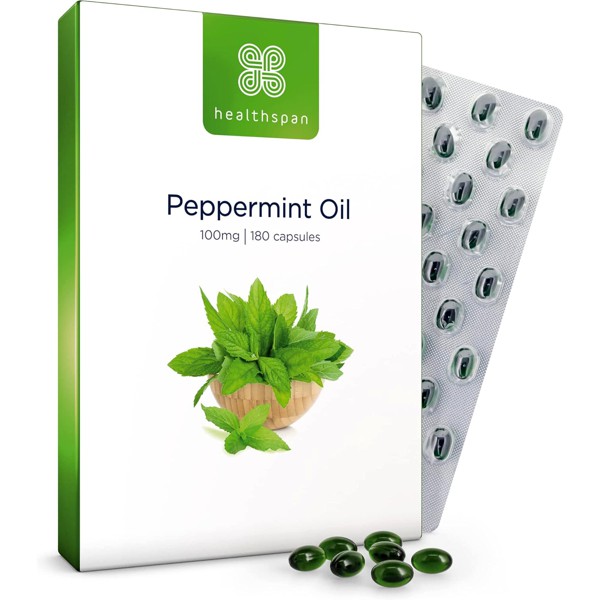
Peppermint Oil — Why the Enteric Coating Matters
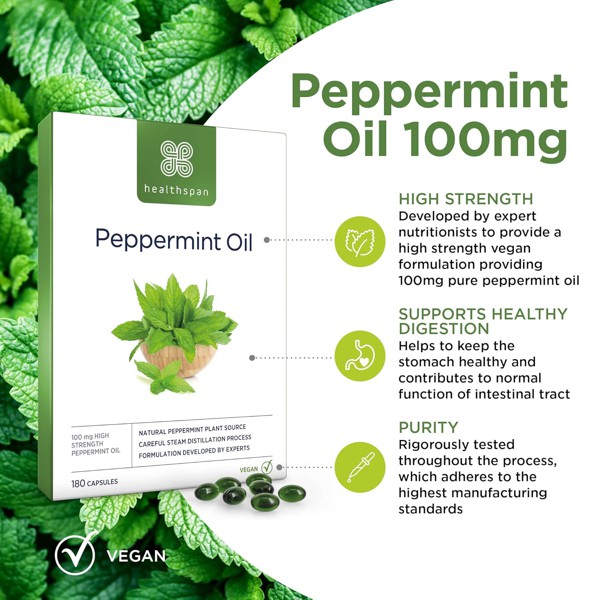
Peppermint oil is one of the more researched natural options specifically for IBS-related abdominal discomfort and gas — covered in more detail in our bloating and IBS guide. Menthol, the compound believed responsible for its effects, has a studied relaxant effect on intestinal muscle, though results vary between individuals.
Not Just “Reaching Where It’s Needed”
The enteric coating on this type of capsule is specifically designed to help it survive stomach acid intact, releasing the peppermint oil in the intestines rather than the stomach. This matters for comfort as much as effectiveness: without this coating, peppermint oil can worsen symptoms for people with acid reflux or heartburn. Taking the capsule whole — never crushing or opening it — matters for this reason specifically, not just as a general instruction. Worth noting too: this is an oral capsule supplement, not a liquid essential oil, and isn’t intended for topical or household use.
Vitamins & Minerals
Apple Cider Vinegar — Five Ingredients Stacked Into One Capsule
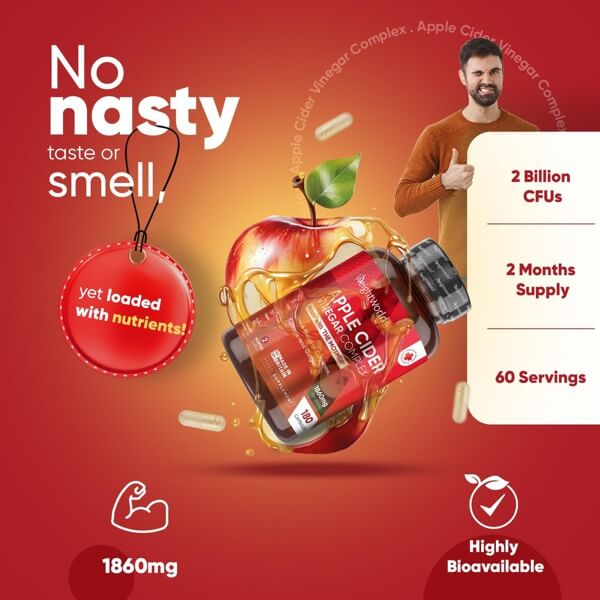
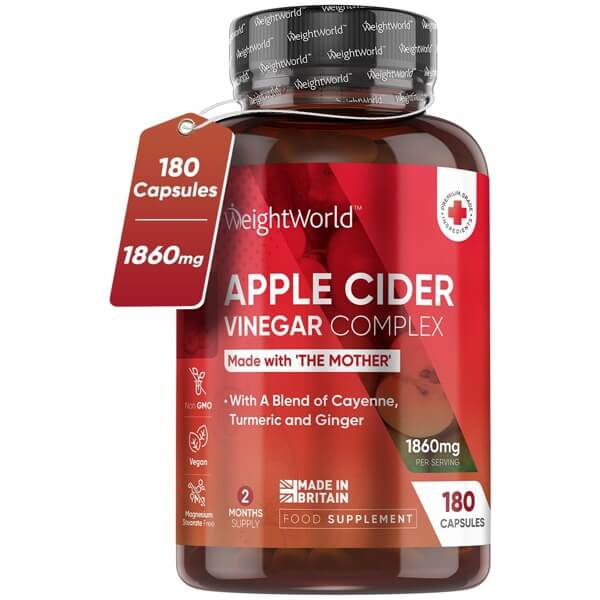
The product covered here isn’t simply apple cider vinegar — it combines ACV with “the mother,” cayenne pepper, ginger, turmeric, and four probiotic strains, which means five separate sets of safety considerations worth knowing, not just one.
Apple Cider Vinegar’s Own Profile
Worth correcting upfront: ACV’s genuine evidence relates mainly to modest post-meal blood sugar effects, not the “metabolism boosting” framing often attached to it. ACV can lower potassium levels with regular use, relevant if you take diuretic medication or have kidney disease, and it can increase the risk of blood sugar dropping too low if combined with insulin or diabetes medication.
Cayenne Pepper — A Genuine Cardiac Case Worth Knowing
Cayenne pepper, included here for “metabolism support,” has a documented case of a previously healthy 25-year-old man experiencing a heart attack with coronary vasospasm after taking cayenne pepper pills for weight loss. You can read the full case report, published in the International Journal of Emergency Medicine. This is a single documented case rather than a common outcome, but it’s a genuine, serious possibility worth knowing rather than dismissing cayenne as “just a spice.” Cayenne can also worsen acid reflux and GERD symptoms, has mild blood-thinning properties of its own, and interacts specifically with cyclosporine.
Turmeric — The Same Liver Point Covered Elsewhere on This Site
Despite genuine research interest for inflammation, concentrated turmeric has been linked in rare cases to liver injury — covered in full in our turmeric guide. Stop use and see your GP if you notice unusual fatigue, yellowing skin or eyes, dark urine, or abdominal pain after starting this product.
Ginger and the Probiotic Strains
Ginger has mild blood-thinning properties of its own, which adds to cayenne’s similar effect within this same formula. The probiotic strains included are generally very safe for healthy adults, with the same rare bloodstream-infection caution noted above for the psyllium product, mainly relevant to people who are immunocompromised or critically ill.
Given how many individually significant ingredients are combined here, this product genuinely needs a GP conversation before starting if you take any regular medication — not a general caution, but a specific one, given that cayenne, ginger, ACV, and turmeric each carry their own considerations that stack within a single capsule.
Digestive Health
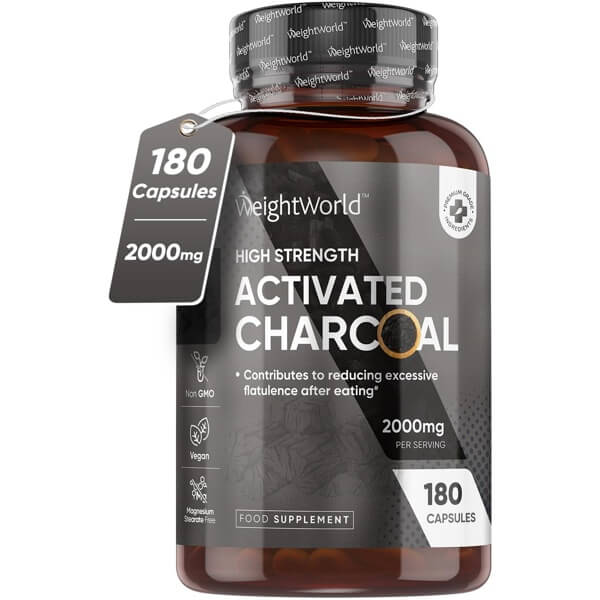
Activated Charcoal — The One Non-Negotiable Timing Rule
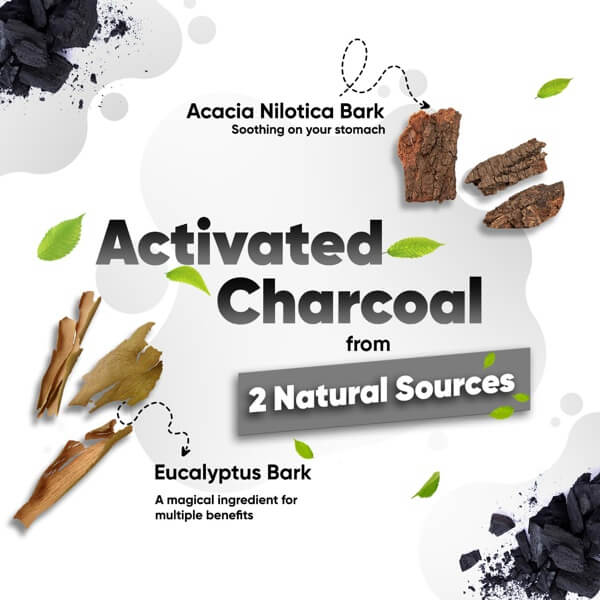
Activated charcoal works by binding to substances in the digestive tract — this is its genuine medical basis, used in hospitals for certain poisonings and overdoses. But this binding property is non-selective: it doesn’t distinguish between something you’re trying to eliminate and medication you need to work.
The Point Worth Getting Exactly Right
Activated charcoal can reduce the absorption of a wide range of oral medications, including hormonal contraceptive pills. This is worth being precise about, rather than either dismissing it or overstating it: research directly testing this combination found that when activated charcoal was taken with adequate separation from the pill — starting a few hours afterwards — ovulation was not triggered, meaning contraceptive protection was maintained. The practical takeaway is that timing separation genuinely solves this, not that activated charcoal should never be combined with the pill at all — but the separation needs to be deliberate, not incidental. The standard guidance is to take activated charcoal at least two hours before or after any medication, including contraceptive pills, and this is worth planning specifically with your GP or pharmacist if you take regular medication, rather than relying on general “with meals” habits, since many people take medication with food.
On the “Detox” Framing
It’s worth being accurate here too: activated charcoal’s genuine, evidence-based use is in specific medical contexts — acute poisoning or certain overdoses, under clinical supervision — not general daily use for digestive comfort or “detox.” It doesn’t distinguish between anything you’d call a toxin and nutrients or medications you actually need.
Repeated or high-dose use can cause constipation or, rarely, bowel obstruction. It isn’t suitable for anyone with a bowel obstruction, slowed gut motility, or a history of bowel surgery, and adequate water intake alongside use matters.
Digestive Health
If You’re Combining More Than One of These
If you’re considering more than one product from this list, it’s worth thinking about timing as a shared theme: psyllium and activated charcoal both reduce medication absorption if taken too close to other supplements or medication, so stacking them together needs even more deliberate spacing, not less. If you take any regular prescription medication and are considering combining several of these, planning the timing with your GP or pharmacist in one conversation is more reliable than working it out product by product.
Common Myths, Addressed
“Activated charcoal detoxes your body.” Its genuine evidence base is specific medical use for poisoning and overdose, under supervision — general daily “detox” use isn’t the same claim, and the non-selective binding that makes it useful in an emergency is exactly what makes it risky alongside your regular medication.
“Apple cider vinegar boosts your metabolism.” The stronger evidence relates to modest post-meal blood sugar effects, not metabolic rate. This is worth knowing before expecting a weight-loss effect from ACV specifically.
Final Thoughts
These five ingredients don’t deserve one uniform level of caution. Peppermint oil and the plain enzyme blend within the digestive enzymes product are reasonably straightforward for most people. Psyllium needs genuine attention to fluid intake and medication timing. Betaine HCl has real contraindications that don’t apply to enzymes generally. The apple cider vinegar formula stacks several individually significant ingredients into one capsule, including a documented, serious cayenne pepper case worth knowing. And activated charcoal’s medication-timing rule — including for contraceptive pills — is specific and solvable with proper spacing, not something to guess at.
Disclaimer: This article is for informational purposes only and does not constitute medical advice. Always consult your GP before starting any of these supplements, particularly if you take regular prescription medication (including contraceptive pills), have an active ulcer, gastritis, reflux, kidney disease, a bowel condition, are pregnant, or are breastfeeding.