Living with bloating or irritable bowel syndrome (IBS) can significantly affect daily life. The discomfort, unpredictability, and sometimes embarrassing symptoms often leave people searching for ways to feel more comfortable. While prescription treatment has its place for diagnosed IBS, some people also look into natural digestive supplements alongside their care.
This guide looks at what UK-relevant research says about several natural options — explained clearly, without overselling what any of them can do. Whether you’re dealing with occasional bloating or diagnosed IBS, understanding the evidence helps you have a more informed conversation with your GP or pharmacist.
Before You Start: When Bloating Needs a GP, Not a Supplement
Bloating and digestive discomfort are usually harmless, but they can occasionally be a symptom of something that needs medical assessment rather than a supplement. See your GP promptly if bloating comes with:
- Unexplained weight loss
- Blood in your stool, or dark/tarry stools
- Persistent change in bowel habit lasting several weeks
- Severe or worsening abdominal pain
- A new, persistent feeling of fullness or abdominal swelling, particularly in women over 50 — these can occasionally indicate conditions unrelated to IBS
IBS itself should be diagnosed by a GP, who can rule out other causes first — this guide is written for people managing bloating generally or supporting a diagnosis they already have, not as a way to self-diagnose IBS.
What Causes Bloating and IBS?
Bloating and IBS can stem from several potential sources: diet sensitivities (particularly FODMAPs, gluten, or dairy), stress and anxiety affecting gut-brain communication, imbalanced gut bacteria, slow digestion or enzyme deficiencies, and intestinal inflammation.
IBS differs from occasional digestive discomfort in its chronic nature and specific diagnostic criteria. While bloating might be temporary, IBS involves recurring abdominal pain related to bowel movements and changes in stool consistency, with symptoms persisting for months — which is why it needs a GP diagnosis rather than self-identification.
Some people consider natural supplements alongside conventional care for a few reasons: most work with the body’s existing digestive processes and side effects are often mild; some are studied for effects on specific factors like enzyme levels or gut bacteria balance, though “natural” doesn’t automatically mean more effective than conventional options, just different; they’re available without prescription across the UK in health shops, pharmacies, and online retailers; and some can be combined with prescribed medication, though always check with your GP or pharmacist first, particularly if you take regular medication.
Natural Supplements Sometimes Used for Bloating and IBS
1. Probiotics
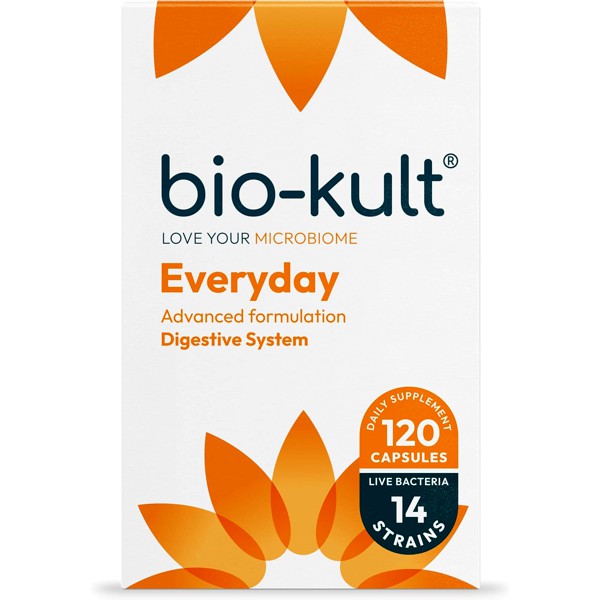
Probiotics are live bacteria studied for a possible role in gut microbial balance. Some research has explored specific strains in relation to IBS symptoms and bloating, with certain strains more studied than others — sometimes considered for general gut balance, occasional bloating, and after a course of antibiotics, though ongoing IBS management is always worth discussing with your GP. Lactobacillus plantarum is studied in relation to gas and bloating, Bifidobacterium infantis in relation to IBS symptoms, and Saccharomyces boulardii in relation to diarrhoea-predominant IBS. Optibac Probiotics, Symprove, and Bio-Kult are UK brands offering strains that have been used in published research. Starting with a lower dose and increasing gradually may help reduce temporary gas some people experience as they begin.

Bacterial Cultures
2. Digestive Enzymes
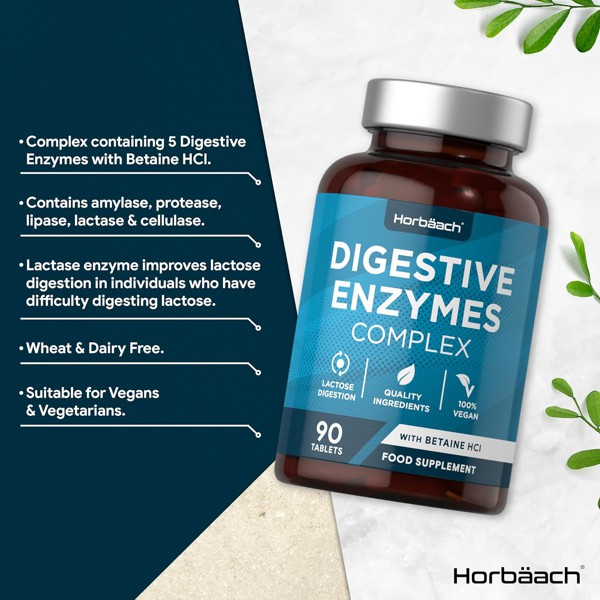
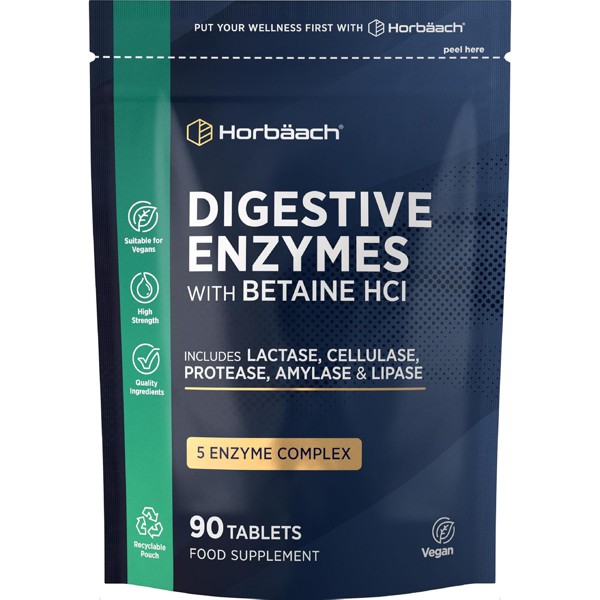
These supplements provide additional enzymes intended to help break down certain foods, which may be relevant if your body doesn’t produce enough of a specific enzyme — sometimes considered for bloating after meals containing beans, dairy, or complex carbohydrates. Commonly included enzymes are lactase (for dairy digestion), alpha-galactosidase (for beans and certain vegetables), and protease, lipase, and amylase for general digestion. Horbäach Digestive Enzymes Complex, Holland & Barrett Digestive Enzyme Complex, and BioCare Digestaid are UK options worth knowing about.
Digestive Health
3. Peppermint Oil
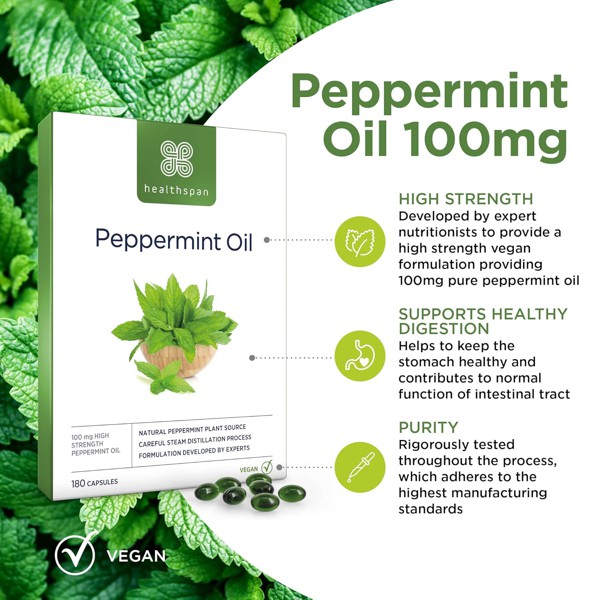
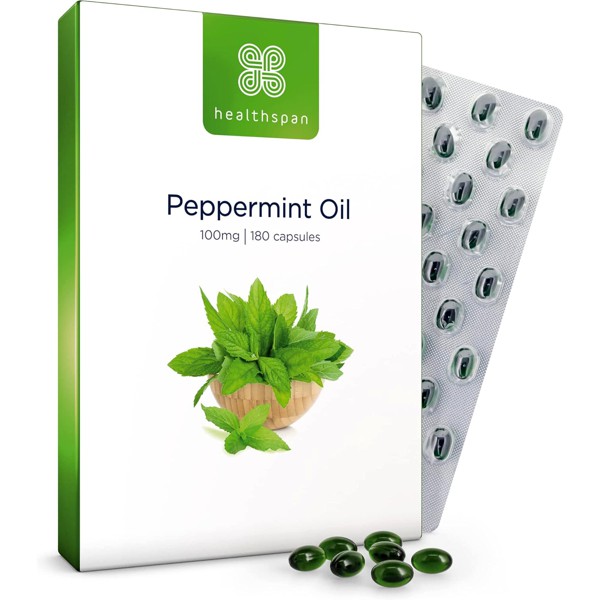
Peppermint oil is one of the more researched natural options discussed in relation to IBS, typically taken as enteric-coated capsules so the oil reaches the intestines rather than being released in the stomach — sometimes considered for abdominal discomfort and gas associated with IBS. Menthol is understood to have a relaxant effect on intestinal muscle, which researchers believe may explain the effects observed in some studies, though results vary between individuals and studies. Healthspan Peppermint Oil, Colpermin IBS Relief, and Holland & Barrett Peppermint Oil Capsules are UK options. Enteric-coated capsules matter here specifically — they help avoid heartburn and ensure the oil reaches the intestines, since peppermint oil can worsen symptoms for some people with acid reflux.
Vitamins & Minerals
4. Ginger Root
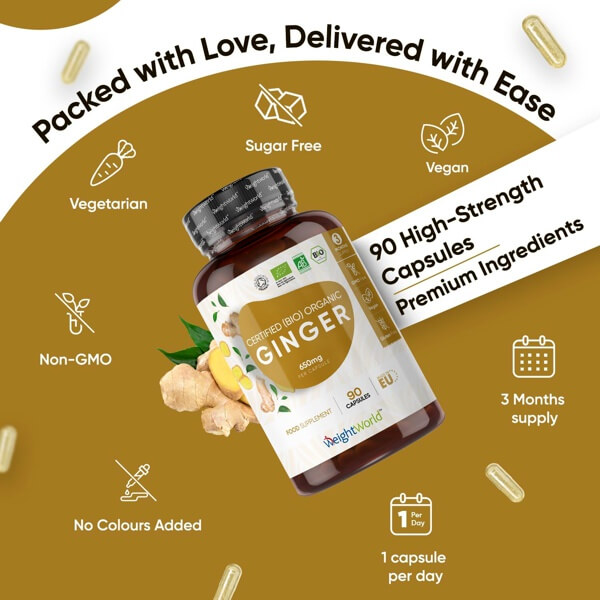
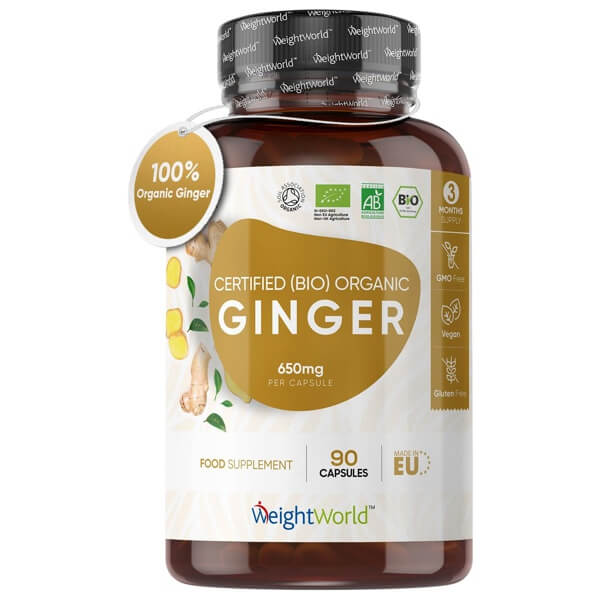
A familiar kitchen spice that’s also studied as a digestive aid, sometimes considered for nausea and general digestive comfort. Ginger is understood to support digestive processes and gut motility, and has been studied for its anti-inflammatory properties, though most evidence relates to nausea specifically rather than bloating or IBS directly. Traditional Medicinals Ginger Tea, WeightWorld Organic Ginger, and Pukka Organic Ginger supplements are worth knowing about.
Herbal Supplements
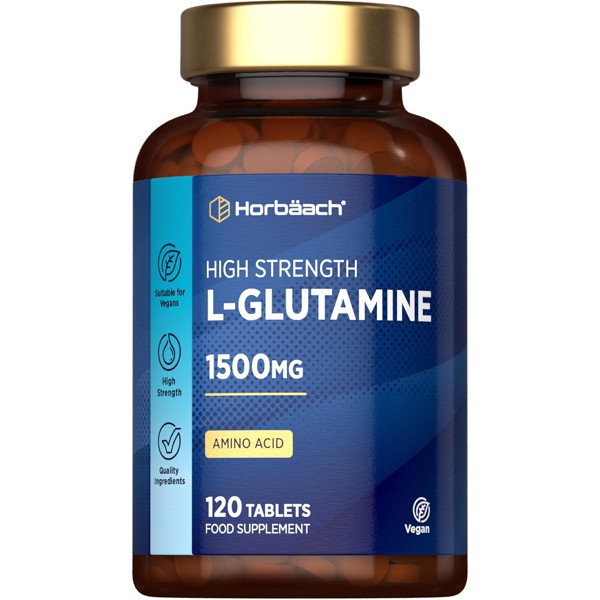
5. L-Glutamine
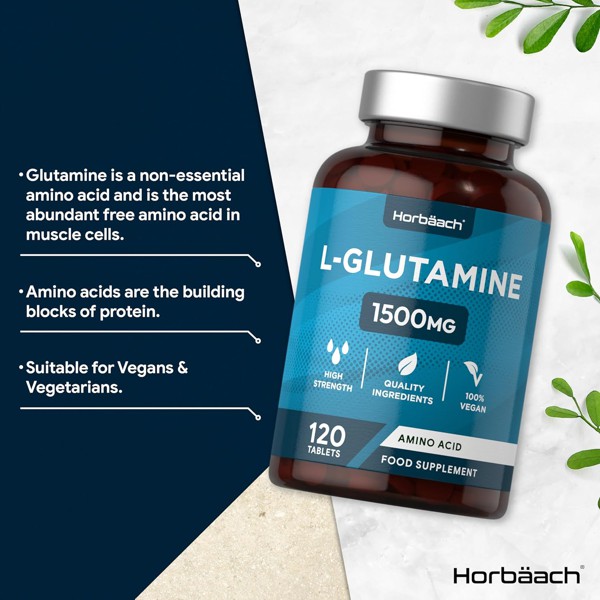
An amino acid the body uses as fuel for intestinal cells, sometimes discussed in relation to gut lining maintenance — sometimes considered for diarrhoea-predominant IBS and recovery after digestive illness. It’s also often mentioned in relation to “leaky gut,” worth noting this isn’t a term recognised as a diagnosis by the NHS, though the underlying idea (intestinal permeability) is a genuine, if still-developing, area of research. Some research suggests glutamine may play a role in supporting the intestinal barrier, though this research is still developing and isn’t a guarantee of symptom improvement. Horbäach L-Glutamine High Strength, MyProtein L-Glutamine, and Healthspan L-Glutamine powder are UK options.
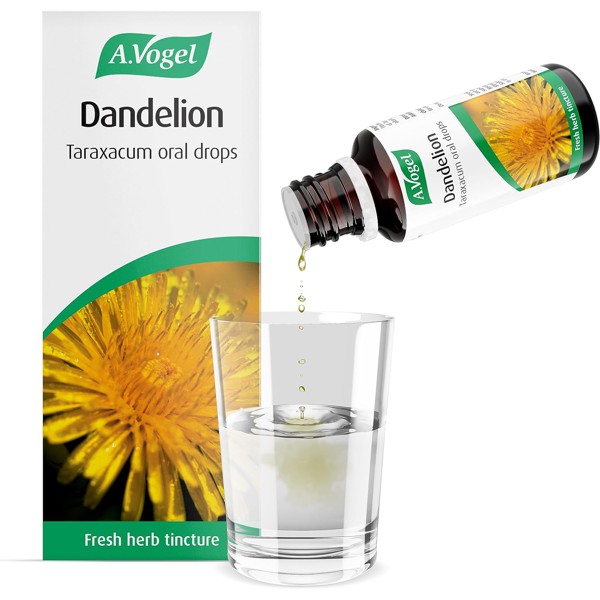
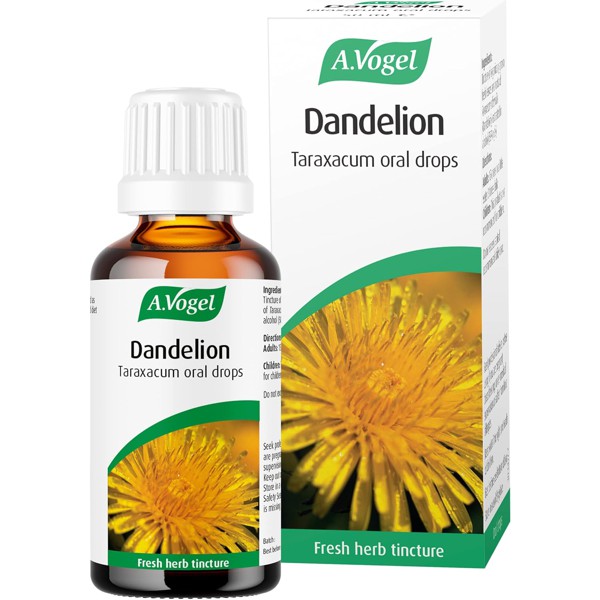
6. Dandelion Root
A traditional herbal remedy, sometimes used as a gentle diuretic — sometimes considered for water retention and a feeling of bloating. Dandelion root is traditionally understood to stimulate bile production and increase urine output, which may help with the sensation of bloating linked to fluid retention specifically — it isn’t a general treatment for digestive bloating from other causes. Traditional Medicinals Dandelion Root Tea, A.Vogel Dandelion Root Taraxacum Drops, and Pukka Cleanse Tea are UK options.
Multivitamins
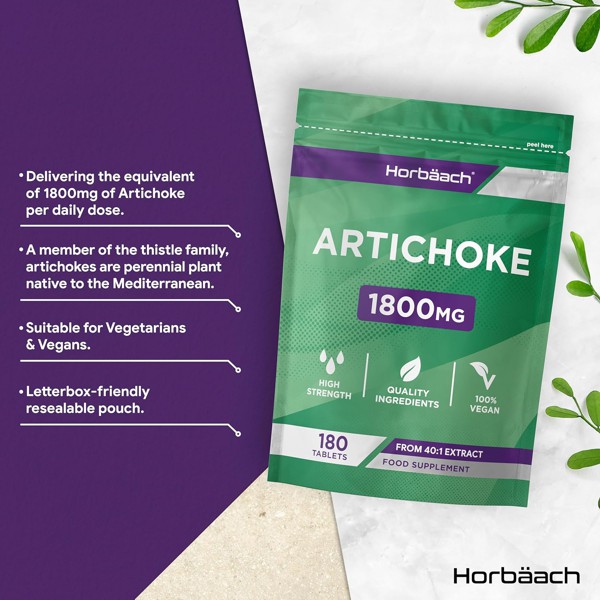
7. Artichoke Leaf Extract
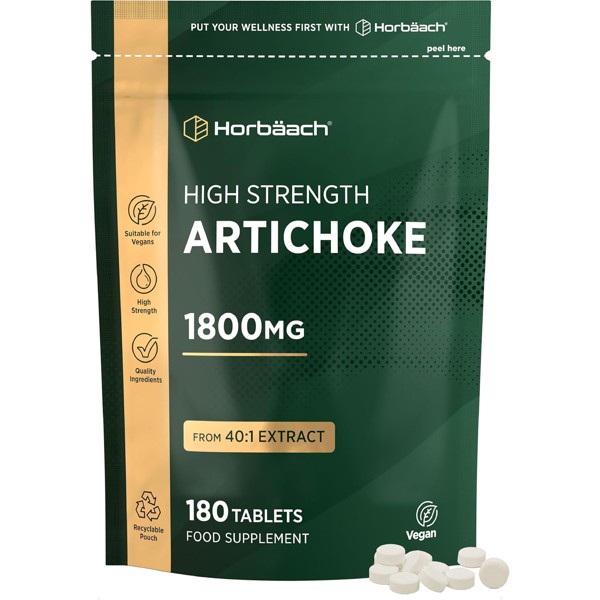
A Mediterranean traditional remedy studied in relation to digestion, sometimes considered for fat digestion and constipation-predominant IBS. Artichoke leaf is understood to stimulate bile flow, which may aid fat digestion and support regular bowel movements for some people. Horbaach Artichoke Extract, Holland & Barrett Artichoke Capsules, and Healthspan Artichoke tablets are UK options.
Herbal Supplements
Supplement Comparison Guide
| Supplement | Studied In Relation To | Sometimes Considered For | Popular UK Product |
|---|---|---|---|
| Probiotics | Gut bacteria balance | General gut comfort, post-antibiotics | Symprove |
| Digestive Enzymes | Food breakdown | Meal-related bloating | Enzymedica Digest Gold |
| Peppermint Oil | Intestinal muscle relaxation | IBS-related discomfort | Colpermin IBS Relief |
| Ginger | Nausea, digestive comfort | Nausea, sluggish digestion | Pukka Three Ginger |
| L-Glutamine | Intestinal barrier support | IBS-D, gut lining support | Pure Encapsulations |
| Dandelion Root | Fluid balance | Water-retention bloating | Viridian Extract |
| Artichoke Extract | Bile production | Fat digestion, IBS-C | Nutravita Artichoke |
Thinking Through Your Options
What might be worth discussing with your GP or pharmacist depends on your specific symptoms — peppermint oil is one of the more researched options for cramping and discomfort, digestive enzymes are sometimes discussed for bloating after specific meals, probiotics are commonly considered for general gut balance, and dandelion root is sometimes mentioned for fluid-related bloating specifically. This is general information, not a diagnosis-matching tool — persistent or recurring symptoms are worth discussing with your GP, who can advise on what’s actually appropriate for your situation.
Whichever you’re considering, a few quality markers are worth checking: third-party testing, clear ingredient lists without unnecessary additives, appropriate potency and bioavailability, and UK-based manufacturing where possible. Introducing one option at a time also makes it much easier to tell what’s actually helping, rather than changing several things at once.
Lifestyle Factors Worth Considering
Supplements are, at most, one part of the picture. On the dietary side, a low FODMAP diet (ideally under the guidance of a dietitian rather than self-directed), identifying and limiting personal food triggers, and staying hydrated — at least 1.5 litres of water daily is a common general guideline — all matter. Eating habits play a role too: eating slowly and chewing thoroughly, avoiding large meals close to bedtime, and smaller, more frequent meals if that suits you better.
Stress management is worth prioritising given the gut-brain connection — relaxation techniques, gentle movement such as walking after meals, and mindful eating practices can all genuinely help alongside anything else you try.
Final Thoughts
Natural digestive supplements are a reasonably well-researched option for some people dealing with bloating or supporting a diagnosed IBS management plan — probiotics and peppermint oil have more research behind them than most others discussed here, while digestive enzymes and ginger are more commonly considered for occasional discomfort.
Digestive symptoms vary a great deal between individuals, and what helps one person may do little for another — patience, and trying one thing at a time, tends to be more useful than switching between several supplements at once. Most people allow around 2-4 weeks before assessing whether something is making a difference.
If your digestive symptoms persist, worsen, or come with any of the warning signs listed at the start of this guide, see your GP rather than continuing to try supplements on your own. These options work best as part of a plan developed with medical guidance, not as a replacement for a diagnosis.
Disclaimer: This article is for informational purposes only and does not constitute medical advice. If you have persistent digestive symptoms, or any of the warning signs mentioned above, see your GP for proper assessment before relying on supplements.