What L-Glutamine Research Shows, and Safety Points Worth Adding
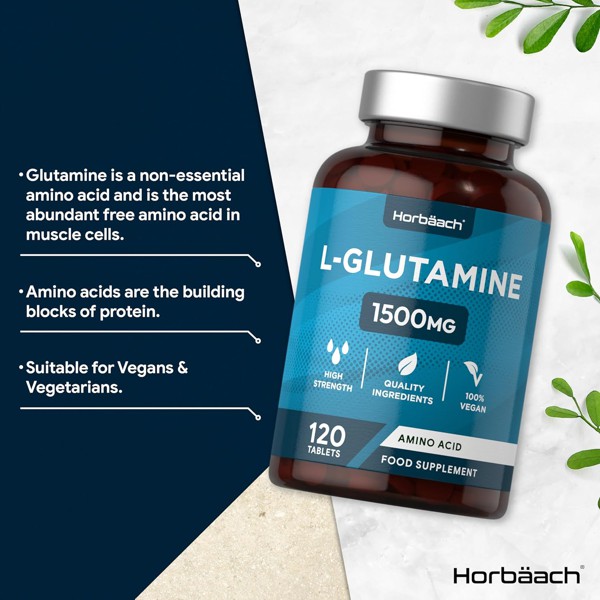
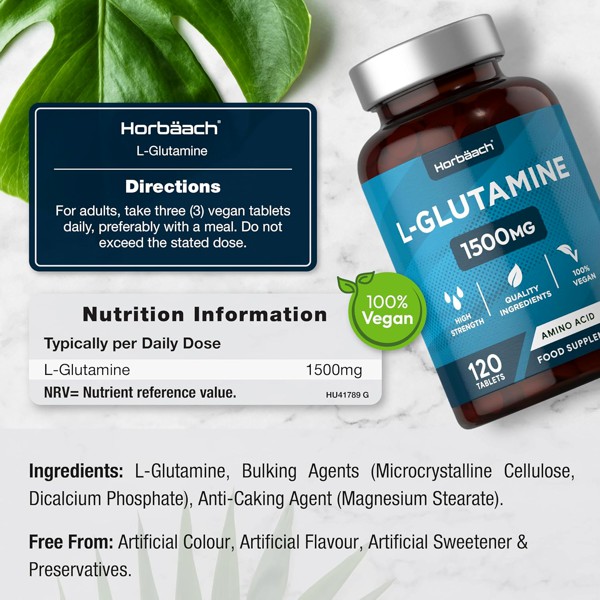
L-glutamine is the most abundant free amino acid in the body, and demand can genuinely increase during intense exercise, illness, or physical stress. It’s studied for a role in muscle recovery, and as a precursor to glutathione, one of the body’s key antioxidants. As covered in more detail in our amino acids category guide, it’s also studied for supporting the intestinal barrier — worth being precise that this relates to general gut lining research rather than “leaky gut,” a term not recognised as a diagnosis by the NHS, even though the underlying intestinal permeability research is genuine.
A few genuine safety points worth knowing that go beyond general “consult your GP” caution: the body metabolises glutamine into glutamate, an excitatory brain chemical — this means high-dose glutamine can potentially reduce the effectiveness of anti-epilepsy medication, and animal research has found oral glutamine supplementation increased seizure severity in a model of epilepsy. If you have a seizure disorder or take anti-epilepsy medication, this is a genuine reason to speak with your GP before starting, not an optional precaution. If you’re sensitive to MSG (monosodium glutamate), you may also be more likely to react to glutamine, since the body converts one into the other.
On liver health specifically: glutamine breaks down into ammonia in the body, which is why anyone with liver disease should check with their GP before use — this can also interfere with lactulose, a medication used to manage high ammonia levels in some liver conditions. There’s also a rare case report of high-dose glutamine potentially triggering manic episodes in people with no prior history of bipolar disorder, worth being aware of if you or a family member has any history of mood disorders.
As already noted in this product’s own information, anyone undergoing cancer treatment should speak with their oncologist before starting glutamine, given some concern about its interaction with tumour growth and chemotherapy response — this is genuinely important, not a routine caution.
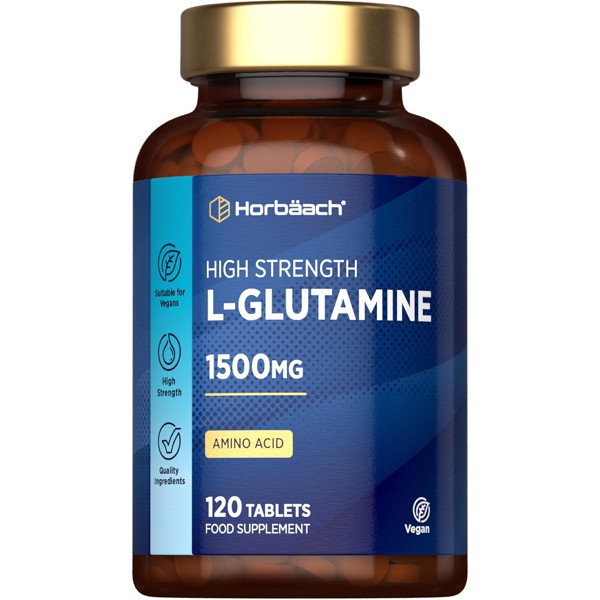
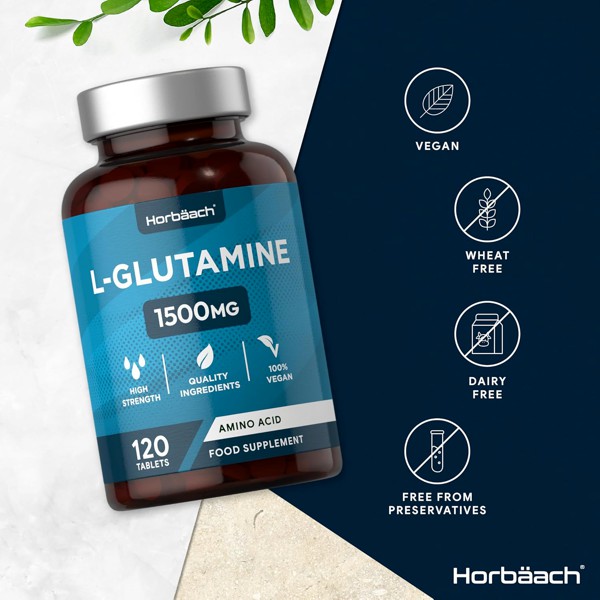
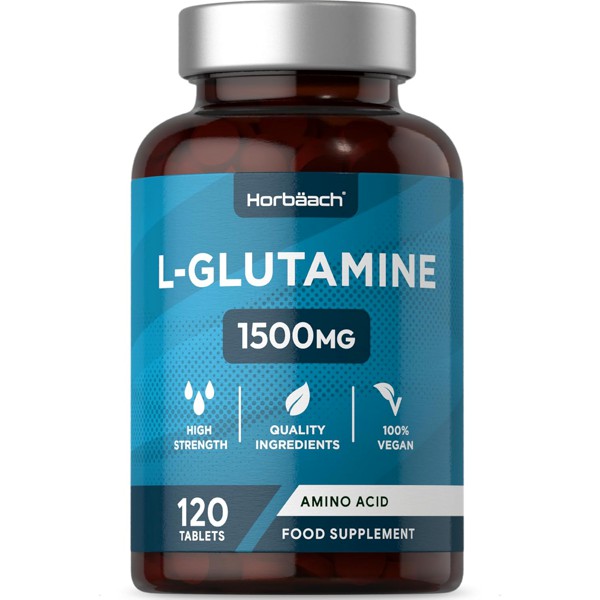
Ingredients: L-glutamine, bulking agents (microcrystalline cellulose, dicalcium phosphate), anti-caking agent (magnesium stearate). Vegan, free from artificial colours or preservatives. Take three tablets daily with meals. Speak to your GP before starting if you have a seizure disorder, liver disease, a history of bipolar disorder, are undergoing cancer treatment, are pregnant or breastfeeding, or take regular medication.
The Research Behind This Product
Sports & Performance Nutrition
BCAA, CLA, L-Arginine and More: Amino Acids Explained
BCAA, CLA, L-arginine, taurine, glutamine and NAC are usually bought individually for a specific goal, rather than as a group. Here's what UK-relevant research actually shows for each one — including a genuine cardiac safety finding for one of them that's worth knowing before you buy.
Get the Full Guide