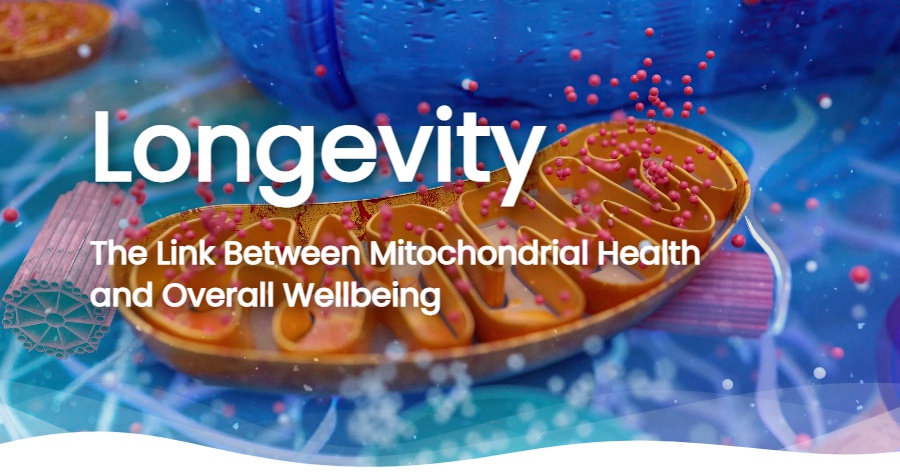
Cells produce enormous amounts of ATP daily — the molecule that powers essentially every biological process — yet most people never think about the mitochondria responsible for making it until energy crashes become hard to ignore. This guide looks at what research actually supports among the supplements most commonly discussed for mitochondrial function.
Understanding Mitochondria
Mitochondria convert nutrients into ATP, existing in the hundreds to thousands per cell, with the highest concentrations in energy-demanding tissue like the brain, heart, and skeletal muscle. Each mitochondrion carries its own DNA, separate from the DNA in the cell’s nucleus — and because mitochondrial DNA lacks some of the protective proteins that shield nuclear DNA, it’s understood to be particularly vulnerable to oxidative damage over time.
Why Mitochondrial Function Matters
Research links impaired mitochondrial function to persistent fatigue, cognitive changes, cellular ageing, metabolic disorders, and — in more serious, diagnosed cases — certain neurodegenerative and cardiovascular conditions. It’s worth being clear that mitochondrial dysfunction being linked to these conditions in research doesn’t mean a supplement targeting mitochondria treats or prevents any of them.
Mitochondrial efficiency does decline with age — a well-known study of skeletal muscle found roughly a 50% decrease in ATP production capacity between ages 20 and 80, a gradual decline across six decades rather than something that happens dramatically within a person’s 20s and 30s alone. Environmental factors, chronic stress, poor nutrition, and certain medications can accelerate this decline beyond what ageing alone would cause.
Recognising Possible Signs
A number of things are sometimes associated with reduced mitochondrial efficiency: persistent fatigue that rest doesn’t resolve, unusually rapid muscle fatigue during exercise with slower-than-expected recovery, concentration or memory difficulties, feeling cold when others don’t, unexplained digestive symptoms (the gut is genuinely energy-demanding tissue), poor sleep despite exhaustion, and slower-than-usual recovery from illness or stress.
It’s important to be upfront about these: every one of them is genuinely non-specific and has many possible causes well beyond mitochondrial function — thyroid conditions, anaemia, depression, and various other conditions can produce a very similar picture. This is a reasonable prompt to see your GP, particularly if several apply together, rather than a basis for self-diagnosing mitochondrial dysfunction specifically.
Supplements Studied for Mitochondrial Support
Coenzyme Q10
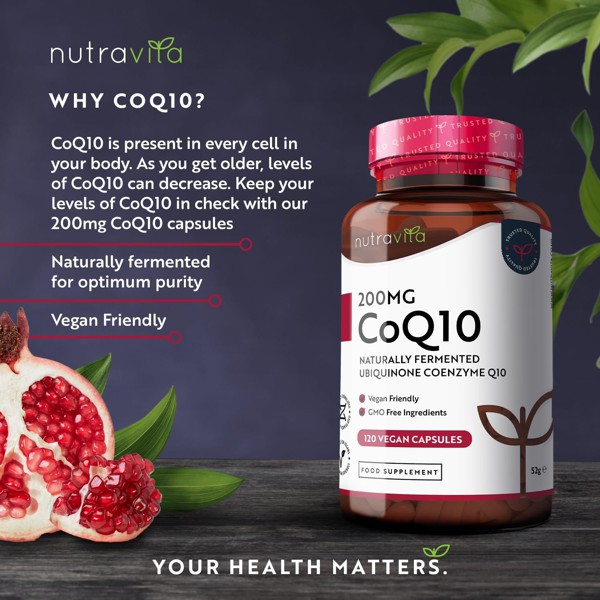
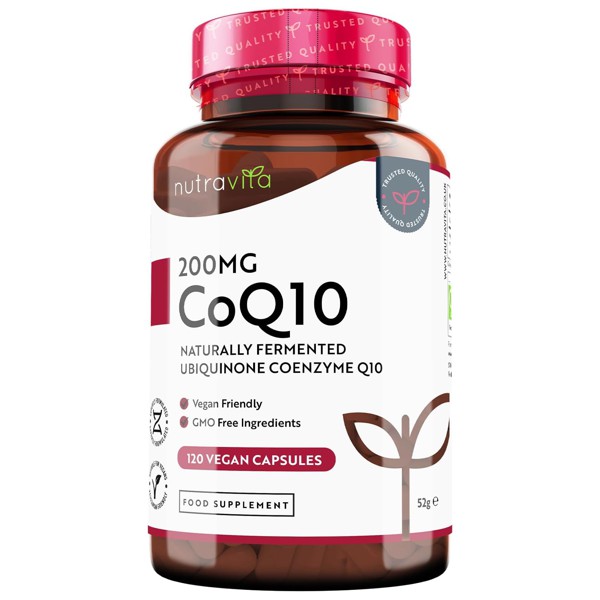
CoQ10 plays a genuine role in the mitochondrial electron transport chain, the process that generates ATP. The body’s natural CoQ10 production is understood to decline considerably between early adulthood and later life, and statin medication reduces CoQ10 further, since it blocks a metabolic pathway shared with cholesterol production.
As covered in more detail in our dedicated CoQ10 guide, it’s worth being accurate here rather than overstating the evidence: whether CoQ10 supplementation reliably restores energy levels specifically in statin users remains genuinely uncertain in research, and independent studies generally find no significant absorption difference between ubiquinol and standard ubiquinone — claims of ubiquinol being several times better absorbed typically trace back to a specific manufacturer’s own research on its branded ingredient, rather than independently replicated findings, so it’s worth treating that comparison as one data point rather than settled fact.
Immunity & Antioxidants
Pyrroloquinoline Quinone (PQQ)
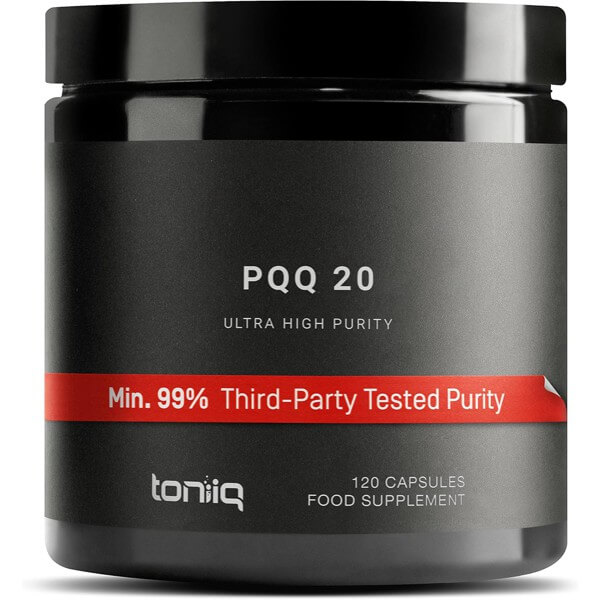
PQQ is studied for a role in stimulating mitochondrial biogenesis — the creation of new mitochondria — which distinguishes it from compounds that mainly protect existing mitochondria rather than encouraging new ones. Some research has explored PQQ’s effect on mitochondrial density, including studies combining it with CoQ10 for a potentially complementary effect, though PQQ remains a newer, less extensively studied compound compared to CoQ10, and larger human trials would help confirm the size of any real-world effect.

Immunity & Antioxidants
Alpha-Lipoic Acid
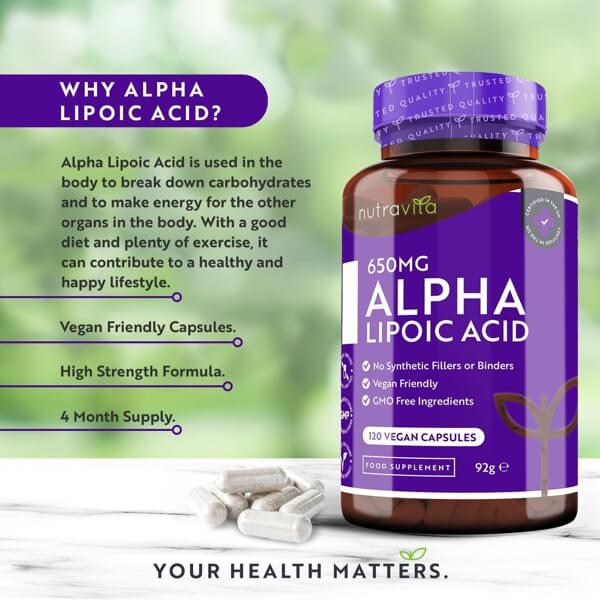
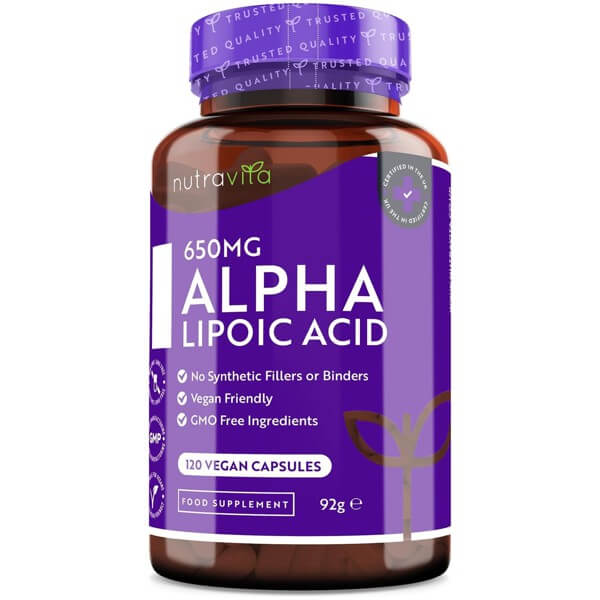
ALA is unusual among antioxidants for working in both water- and fat-soluble environments within cells, which is thought to give it broader reach in protecting mitochondria from oxidative stress than antioxidants limited to one environment. It’s also studied for a role in regenerating other antioxidants, including vitamins C and E, potentially extending their protective effects. Commonly referenced doses for general antioxidant support are 300-600mg daily, though — as covered in our other guides discussing ALA — it also affects blood sugar, which matters if you’re diabetic or on diabetes medication.
Immunity & Antioxidants
Acetyl-L-Carnitine
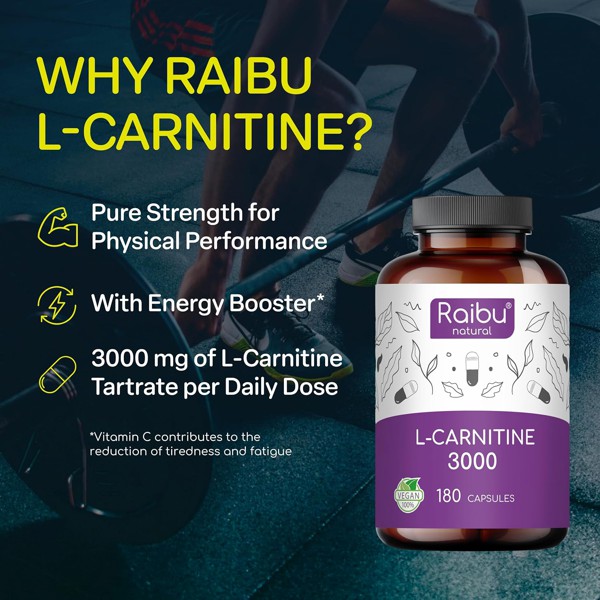
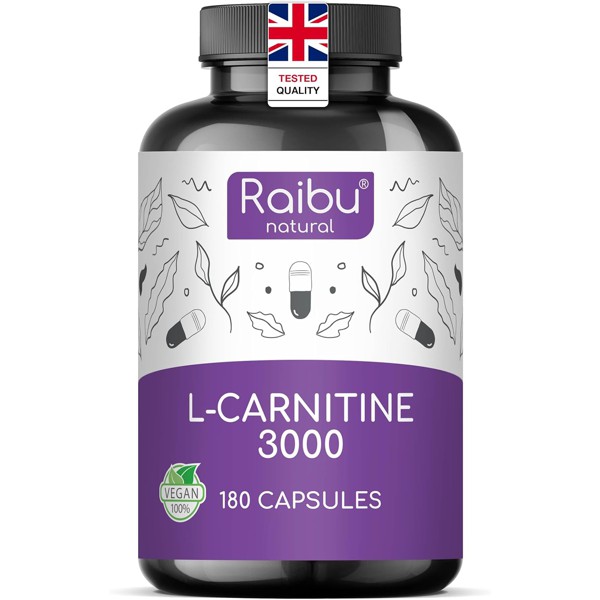
This amino acid derivative helps shuttle fatty acids across mitochondrial membranes for energy production, and the acetyl group allows it to cross the blood-brain barrier more readily than standard L-carnitine, which has generated particular research interest in brain-related applications. Some clinical research has explored doses in the 1,500-2,000mg daily range for cognitive function in older adults, with encouraging findings, though as with several supplements in this guide, individual response varies and larger, more consistent trials would strengthen confidence in the size of the effect.
B Vitamin Complex
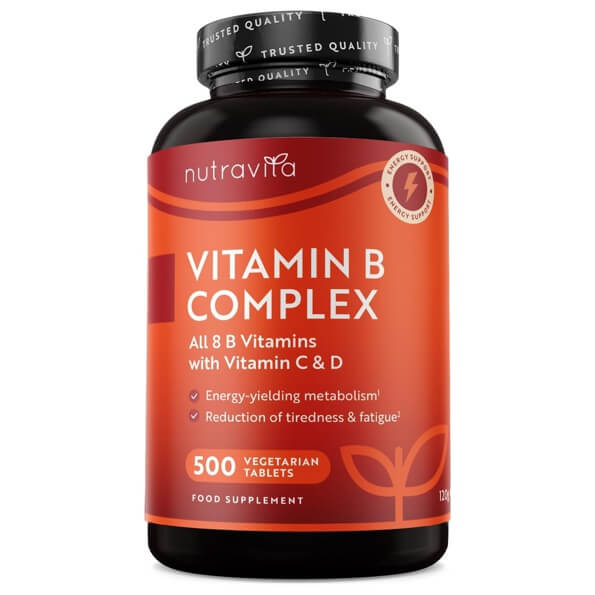
B vitamins act as cofactors at multiple points in mitochondrial energy production — riboflavin (B2) and niacin (B3) in particular participate directly in the electron transport chain. A genuine B vitamin shortfall can impair ATP production even when other nutrients are adequate, which is why a complete B-complex is often suggested as a foundational addition rather than a specialised, targeted supplement.

Vitamins & Minerals
Lifestyle Factors That Matter at Least as Much
Regular exercise, particularly high-intensity interval training, is understood to stimulate mitochondrial biogenesis more effectively than steady-state cardio alone, with some research suggesting meaningful increases in mitochondrial density over consistent weeks of training — though exact figures vary considerably between studies and individuals, so it’s worth treating any single specific percentage as indicative rather than a personal guarantee.
Intermittent fasting approaches, such as a 16-hour overnight fast a few times weekly, are studied for triggering mitophagy — the process by which cells clear out damaged mitochondria — though this isn’t necessary or appropriate for everyone, and it’s worth checking with a GP first if you have any relevant health condition. Quality sleep matters too, since mitochondrial repair is understood to occur predominantly during deep sleep, and chronic stress is worth managing directly given its link to mitochondrial membrane damage via sustained cortisol elevation — regular meditation or breathwork is a reasonable, low-risk way to address this.
Reducing exposure to environmental pollutants where practical (choosing organic produce when accessible, using simpler household products) is a sensible, if more modest, additional consideration, rather than the primary lever for mitochondrial health.
Safety and Building a Sensible Routine
If you’re considering more than one of the supplements above, a staged approach makes it easier to judge what’s actually helping: many people start with CoQ10 as a foundation, add another supplement after a few weeks, and continue gradually rather than starting everything simultaneously.
A few genuine interaction points are worth knowing: ALA affects blood sugar and needs care alongside diabetes medication; CoQ10 has mild blood-thinning properties relevant if you’re on anticoagulant medication; and anyone undergoing chemotherapy or taking other significant medication should discuss any of these supplements with their oncologist or GP first, since interactions in this context can be more serious and less predictable than with general medication. Speak to a healthcare professional before starting, particularly if you take regular medication or manage an existing health condition.
Most people who notice a difference do so within 4-6 weeks of consistent use, with fuller effects, where they occur, generally taking around 3 months to become clear — tracking energy levels, exercise tolerance, and general cognitive function over that period is more informative than judging after a few days.
Final Thoughts
Mitochondrial function is a genuinely important, if often overlooked, part of overall energy and healthy ageing — and several of the supplements in this guide have a reasonable, if still-developing, research base behind them. That said, it’s worth reading specific percentages and comparative claims (particularly around CoQ10 absorption and statin-related benefits) with some caution, since marketing in this space often overstates what independent research actually shows.
The supplements here work best as a complement to the lifestyle fundamentals — exercise, sleep, stress management, and general nutrition — that have their own strong, independent evidence base, rather than a shortcut around them.
Disclaimer: This article is for informational purposes only and does not constitute medical advice. Always consult your GP before starting these supplements, particularly if you take blood-thinning or diabetes medication, are undergoing chemotherapy, or have an existing health condition.