Omega-3 fatty acids (EPA and DHA) are essential fats the body can’t produce on its own, most commonly sourced from oily fish, algae, or supplements. Below you’ll find our picks across fish oil, algae-based, and cod liver oil options — with an honest note that the evidence for omega-3 and general cardiovascular benefit is more nuanced than often presented, so it’s worth knowing what it can genuinely support before choosing a product.
Omega-3 & Fatty Acids
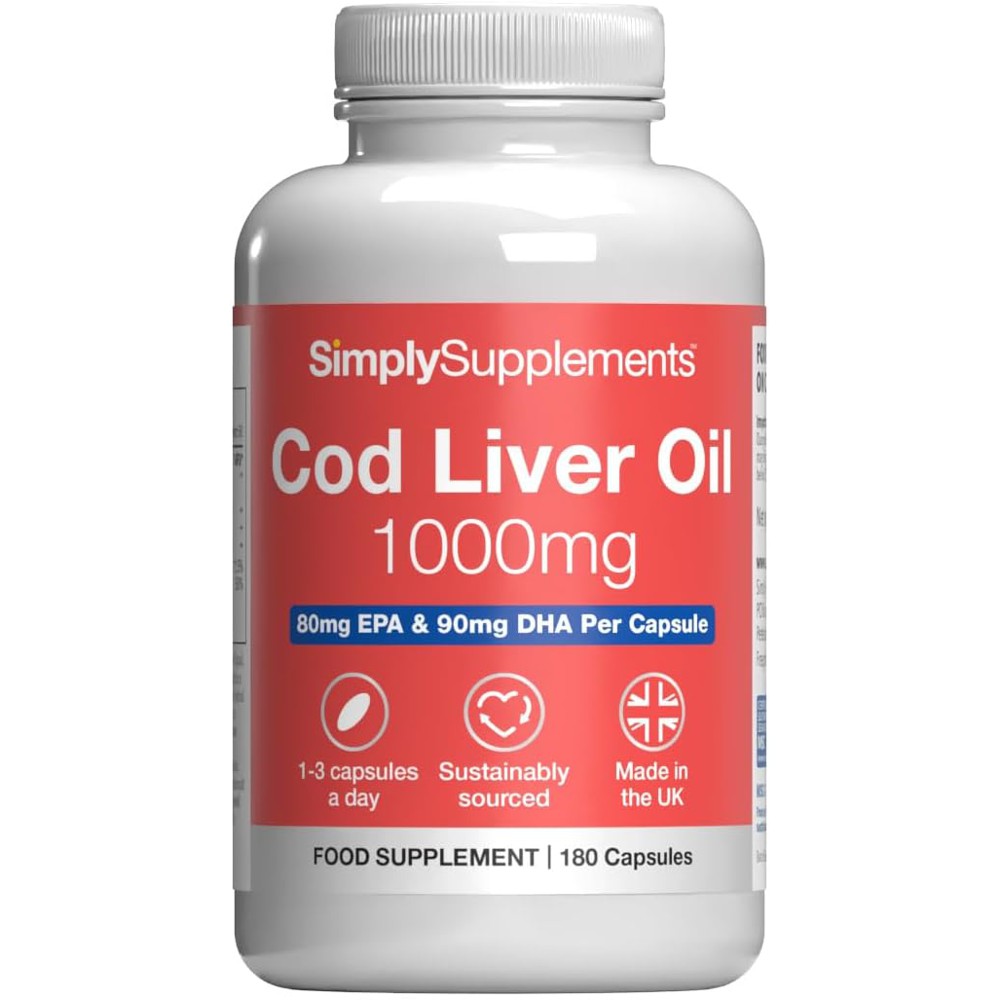
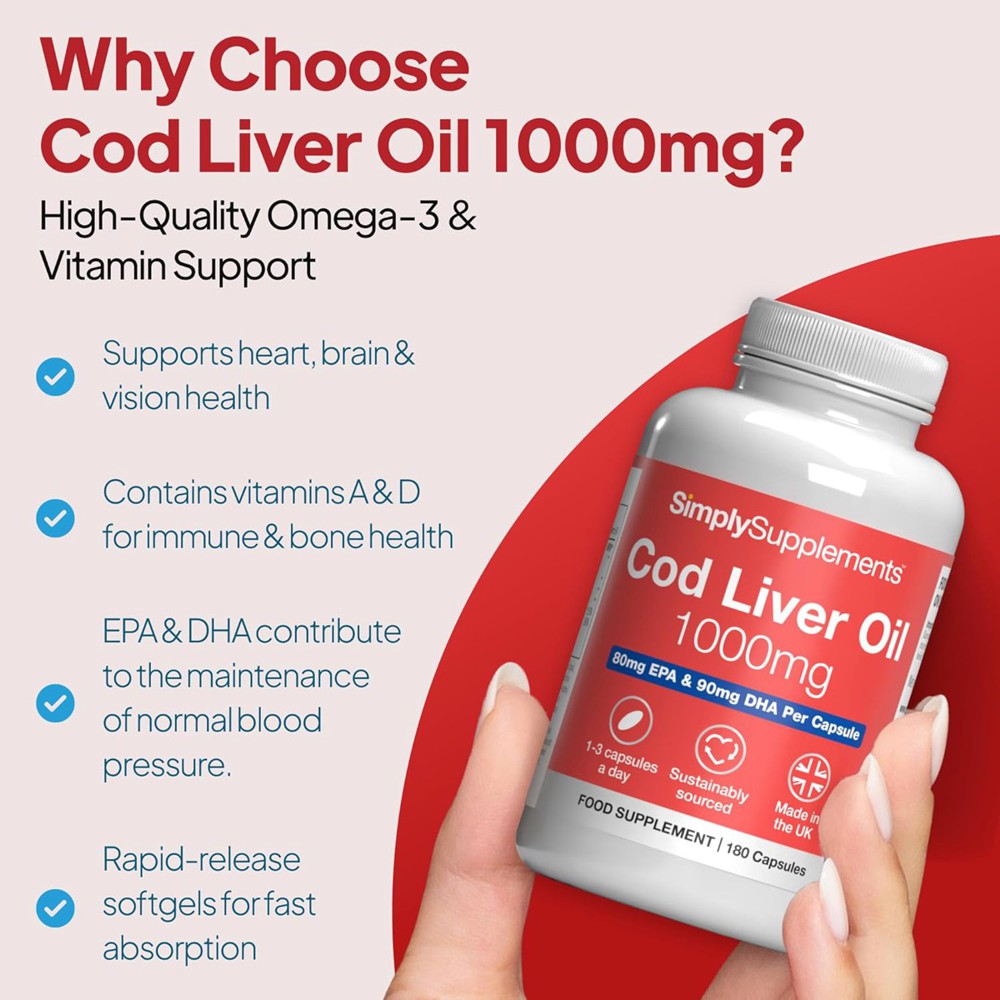
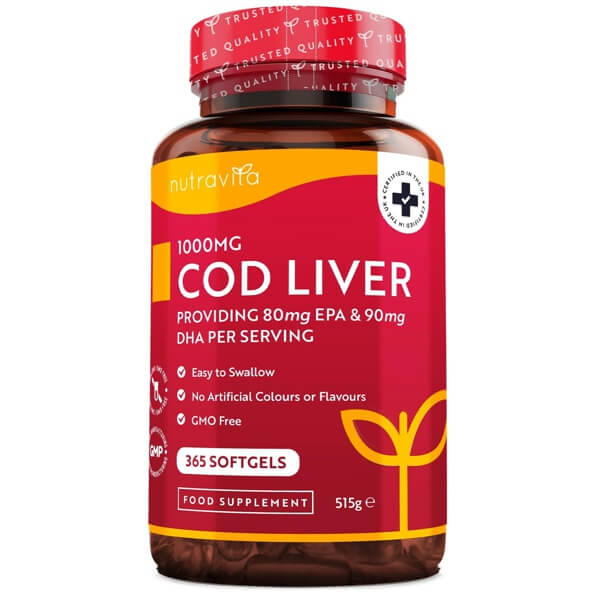
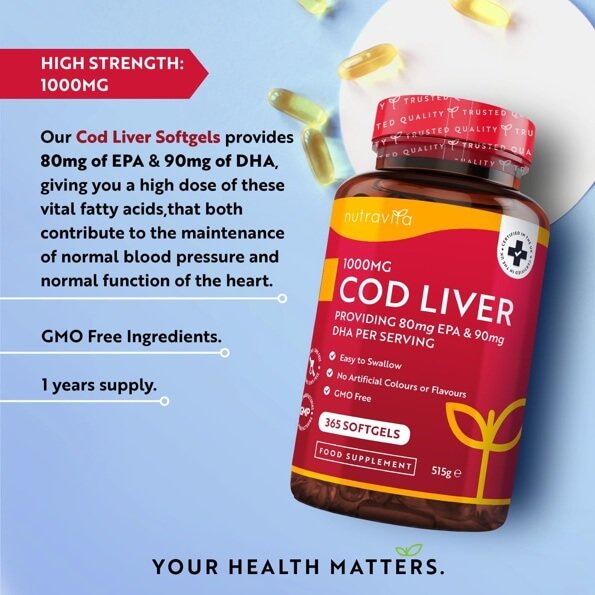
Cod Liver Oil 1000mg Omega-3, EPA, DHA, Vitamins A & D 180 Capsules
Omega-3 & Fatty Acids
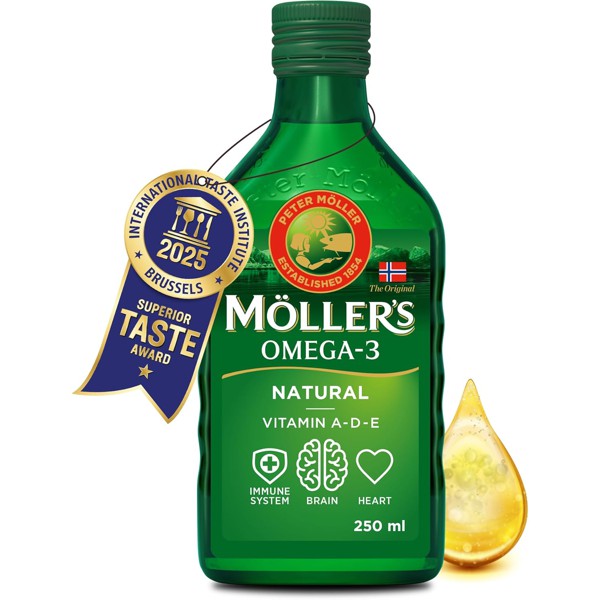
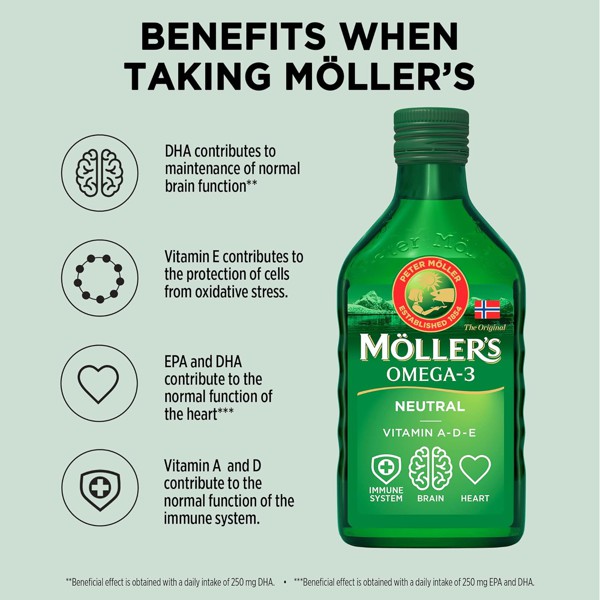
Omega-3 & Fatty Acids
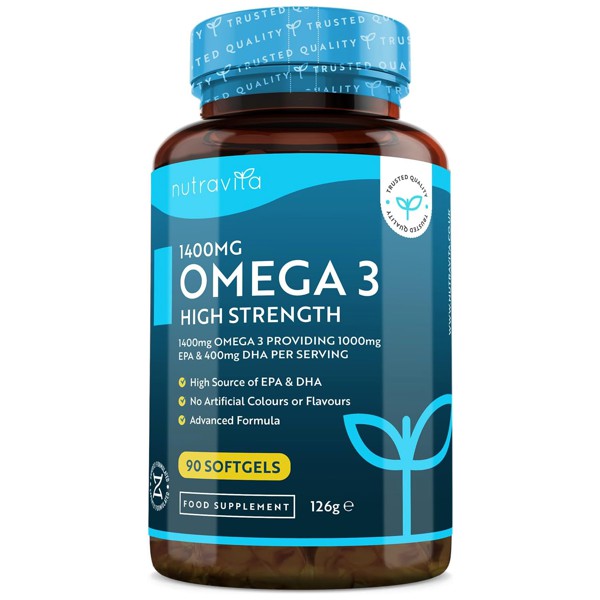
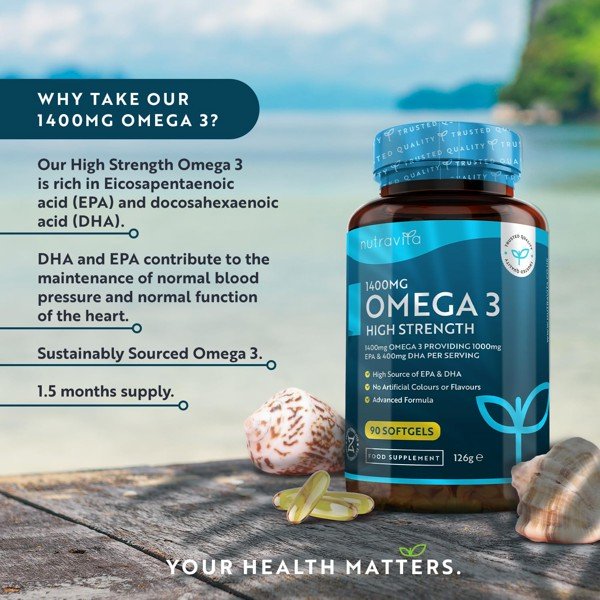
Omega-3 & Fatty Acids
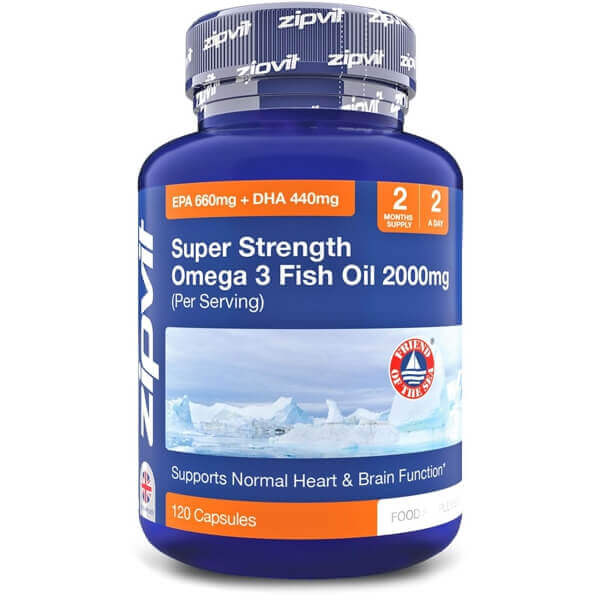
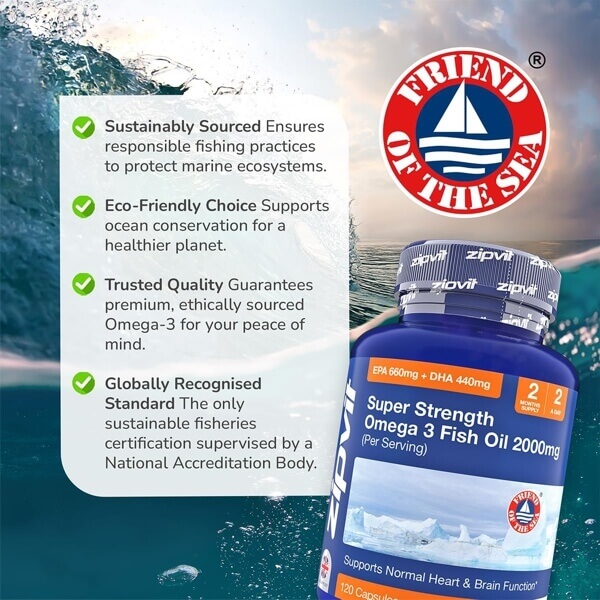
Omega-3 & Fatty Acids
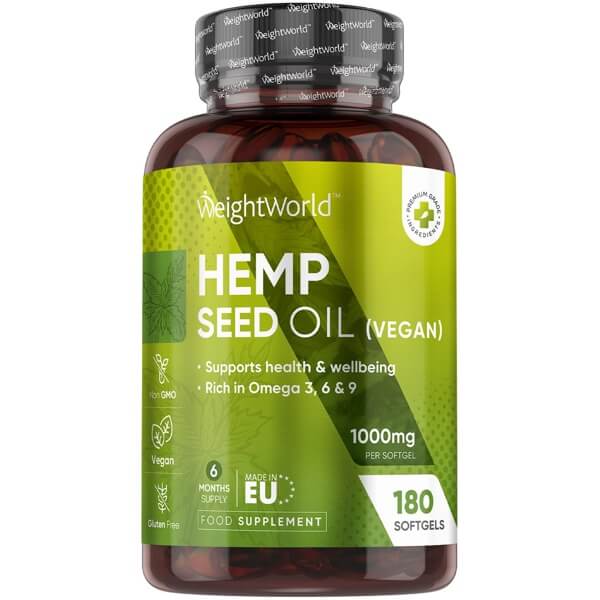
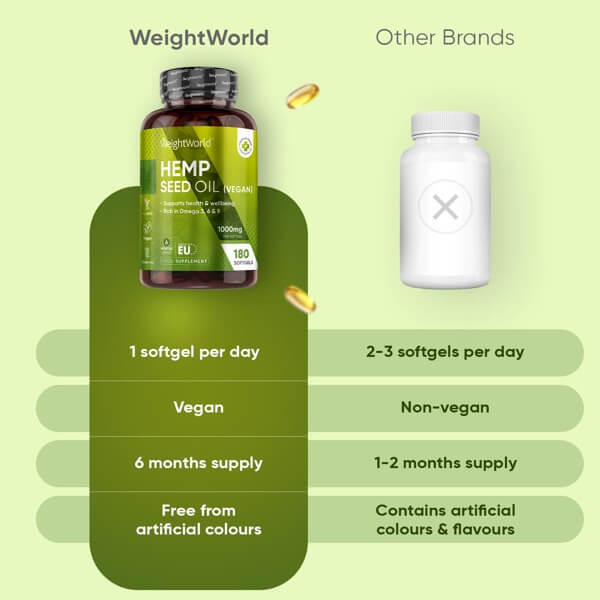
Omega-3 & Fatty Acids
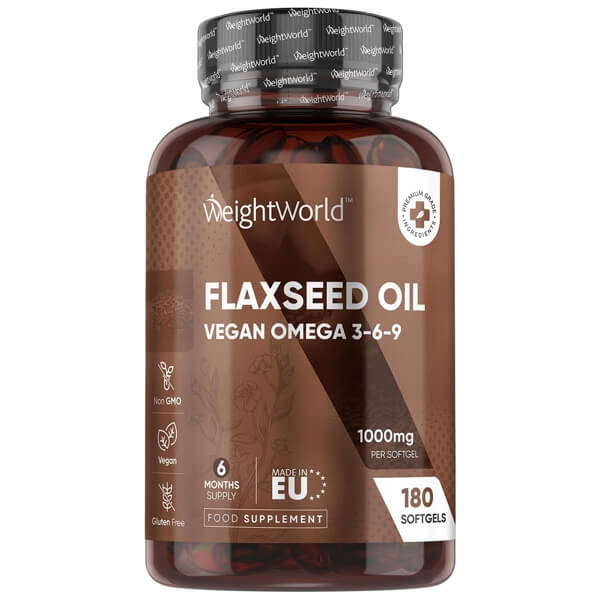
Omega-3 & Fatty Acids
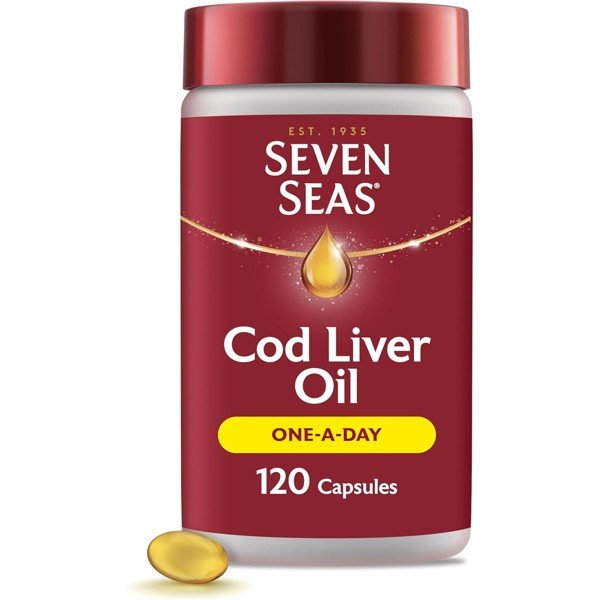
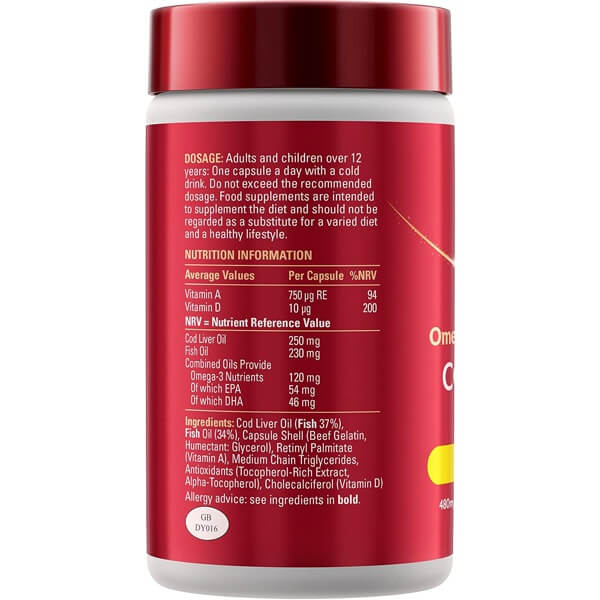
Omega-3 & Fatty Acids
Omega-3 & Fatty Acids
Omega-3 & Fatty Acids
Omega-3 & Fatty Acids
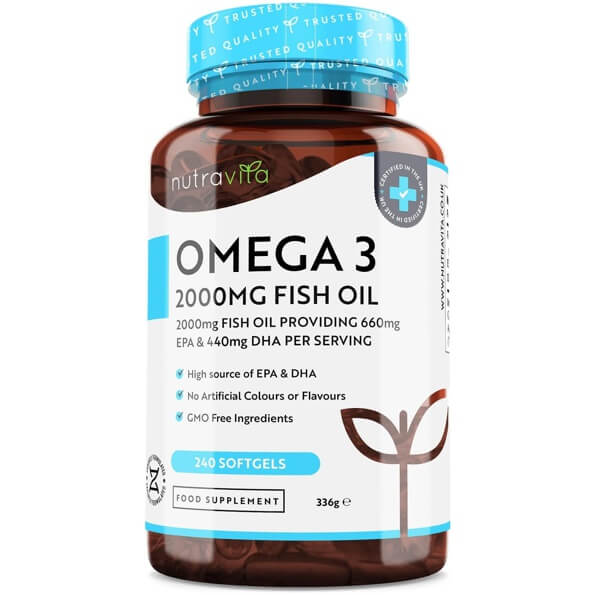
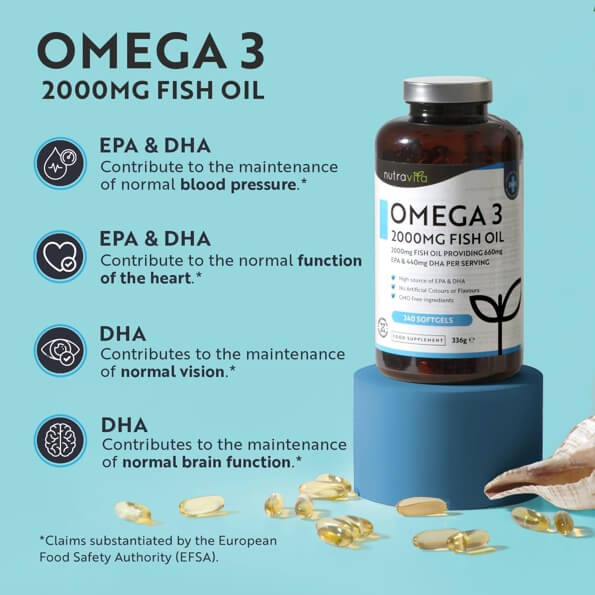
Omega 3 High Strength 2000mg EPA 660mg DHA 440mg 240 Softgels
Omega-3 and Essential Fatty Acids: What Research Actually Shows
Essential fatty acids — omega-3 and omega-6 — are fats the body needs but can’t produce on its own, making dietary intake or supplementation the only way to get them. Omega-3s specifically, particularly EPA and DHA, are the more researched of the two for general health, with omega-6 already abundant in most Western diets through vegetable oils and processed foods.
Omega-3s are studied for a role in brain structure and cognitive function, given DHA makes up a substantial portion of the brain’s fatty acid content, and in inflammation and general cardiovascular markers like triglycerides. It’s worth being accurate about the cardiovascular picture specifically: a 2020 Cochrane review found that increasing omega-3 intake probably makes little or no difference to cardiovascular mortality or events in the general population, and NICE doesn’t recommend routine supplementation for primary prevention. This doesn’t mean omega-3 has no cardiovascular relevance — the clearer benefits relate to specific situations, such as elevated triglycerides alongside statin therapy — but it’s a more measured picture than “boosts heart health” suggests. Omega-3s are also studied in relation to skin barrier function and general immune cell activity, though these remain more general areas of research interest than settled, guaranteed outcomes.
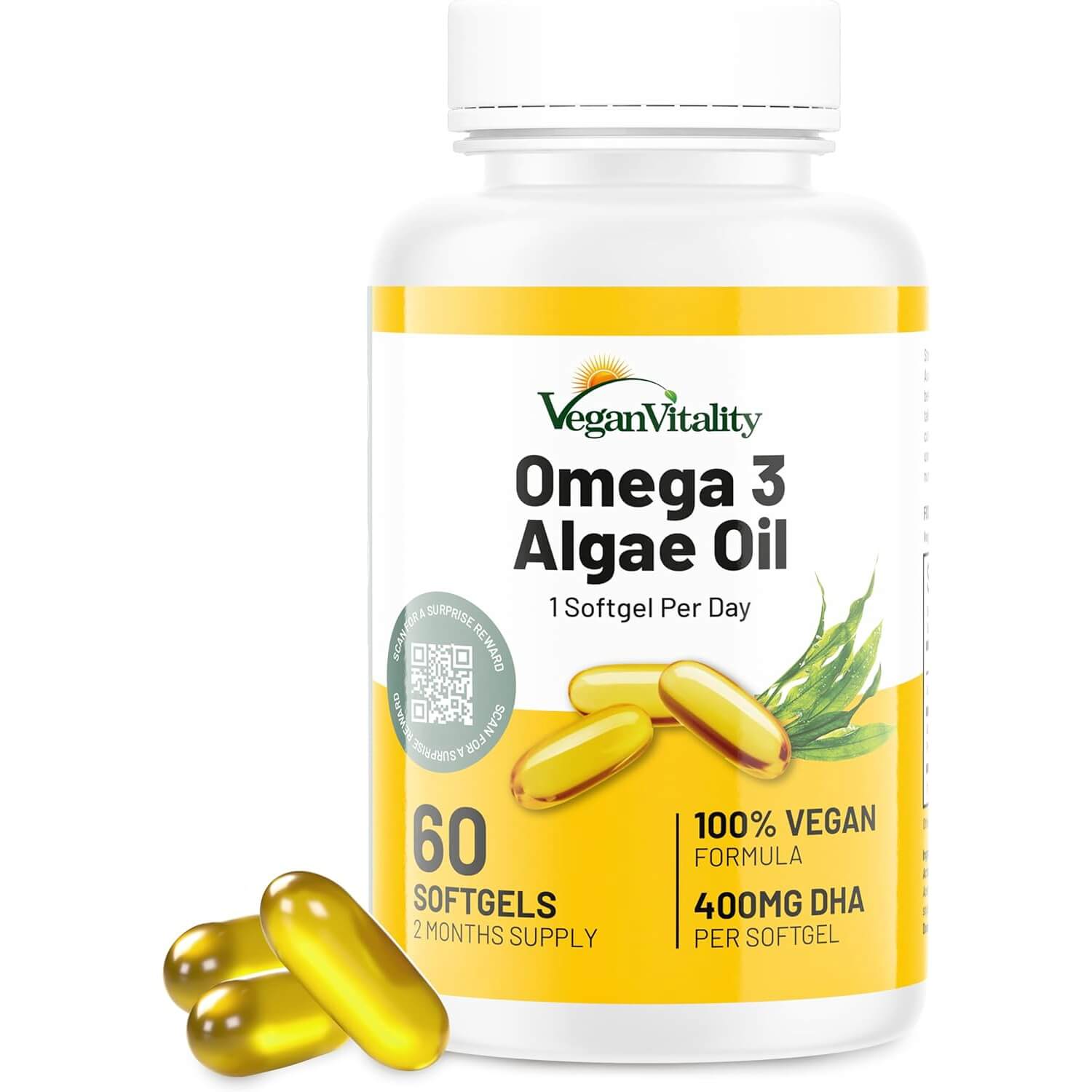
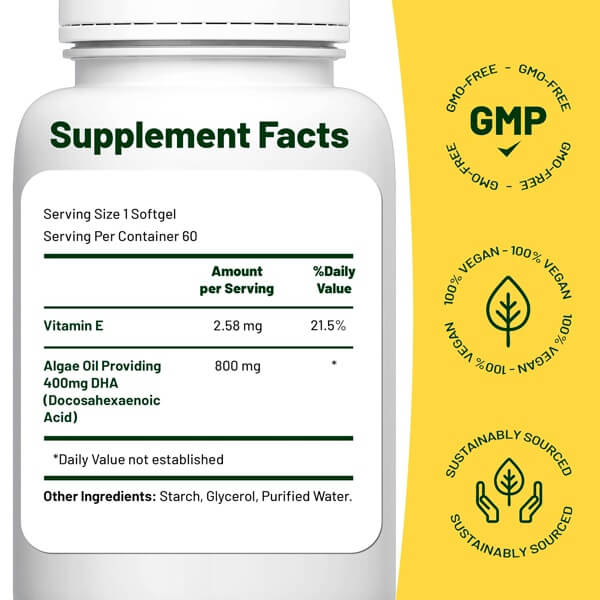
Oily fish (salmon, mackerel, sardines, herring) two to three times weekly is the most direct dietary source, with nuts and seeds providing omega-6 and, to a lesser extent, plant-based omega-3 (ALA), which the body converts to EPA and DHA with relatively low efficiency. Algae-based supplements are a genuine alternative source of EPA and DHA for vegetarians, vegans, or anyone avoiding fish.
A few safety points worth knowing: fish oil has mild blood-thinning properties, relevant if you take anticoagulant medication, and cod liver oil specifically contains vitamin A, which the NHS advises against during pregnancy — a standard fish oil or algae-based supplement is the more appropriate choice in that situation. As with most supplements, checking with your GP before starting is worthwhile if you take regular medication or manage an existing health condition.