Honest Supplement Advice for the UK

VitMax UK reviews vitamins and supplements so you know what to take and why. Every recommendation is based on published research and tailored to UK health needs — from low vitamin D in winter to everyday energy and immunity. No medical jargon left unexplained. No unnecessary products. Just clear, honest guidance — whether you're choosing your first supplement or double-checking one you already take.

Latest Health Guides

Supplement Spotlights

Vitamin D3 and K2 Together: What UK Research Actually Shows

What research genuinely supports about combining vitamin D3 and K2 for bone and heart health — including the honest limitations researchers themselves acknowledge.

Continue Reading

Heart Health & Longevity

Heart Health Supplements: What UK Research Actually Shows

What research genuinely supports for heart health — omega-3, CoQ10, magnesium and more — including why several common claims here overstate the evidence.

Continue Reading

Vision & Eye Health

Vitamin A Supplements: Benefits, NHS Safety Limits and How to Choose

What vitamin A actually does, the NHS 1.5mg safety limit you need to know, and why not all "safe-sounding" retinol products are what they claim.

Continue Reading

Hormonal Balance

Shatavari, Triphala and Maca Root: Ayurvedic Herbs for Women’s Health

Shatavari, triphala and maca root are frequently bundled together as "women's wellness" herbs, but they don't actually do the same job. Here's what UK-relevant research supports for each one individually [...]

Continue Reading

Skin, Hair & Nail Health

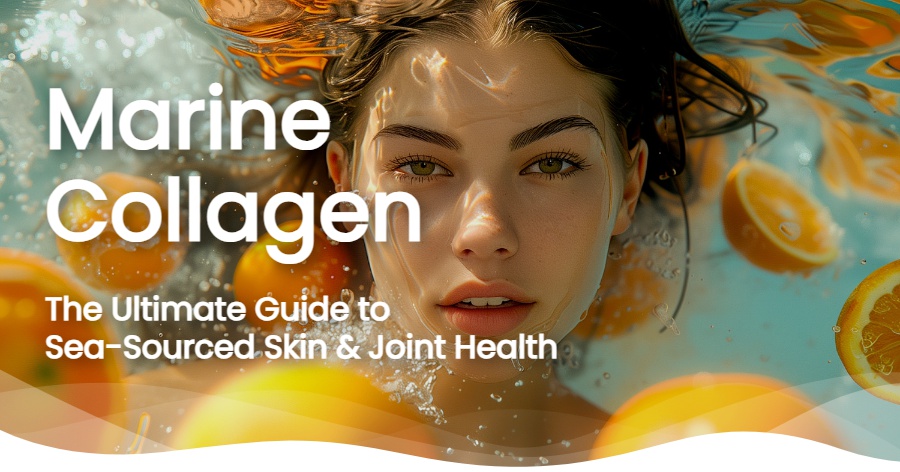
Marine Collagen: The Ultimate Guide to Sea-Sourced Skin and Joint Health

What research genuinely supports about marine collagen for skin, joints and gut health — honest about which claims are well-established and which are still early.

Continue Reading

Nutrition & Dietary Support

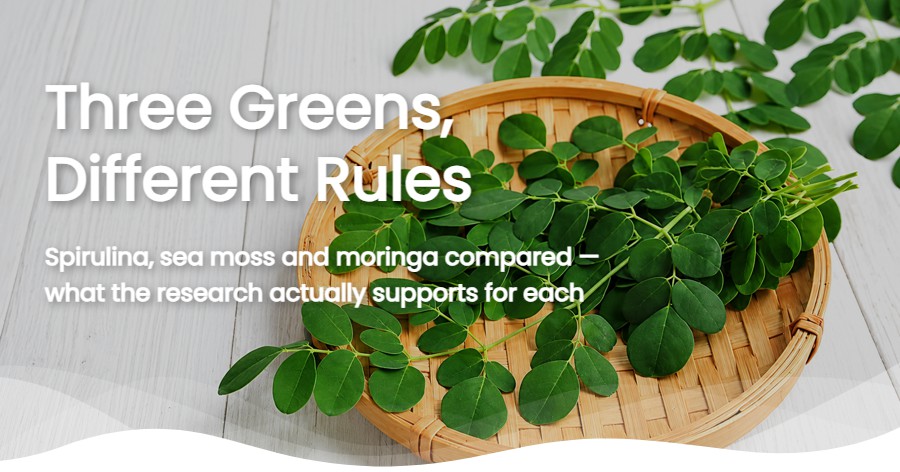
Spirulina, Sea Moss and Moringa: Are Greens Powders Worth It?

Spirulina, sea moss and moringa all get filed under "superfoods" or "greens powders," but they're genuinely different ingredients with genuinely different safety profiles. Here's what UK-relevant research actually shows for [...]

Continue Reading

Heart Health & Longevity

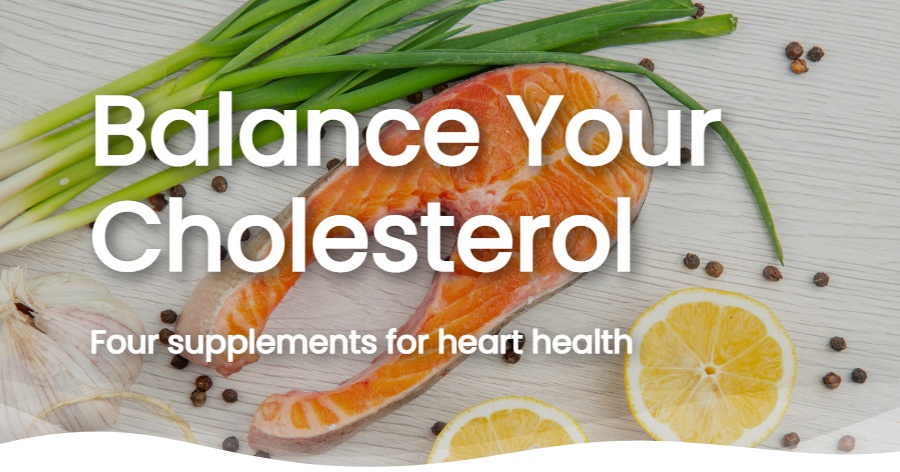
Cholesterol Types and Management: What UK Research Actually Shows

What current research says about plant sterols, omega-3, red yeast rice and CoQ10 for cholesterol support — including which claims are EU-authorised and which are still under study.

Continue Reading

Mobility & Joint Health

Best Joint Health Supplements: What UK Research Shows

What research actually supports among UK joint health supplements — collagen and curcumin have more consistent evidence than marketing for glucosamine often suggests.

Continue Reading

Urinary & Kidney Health

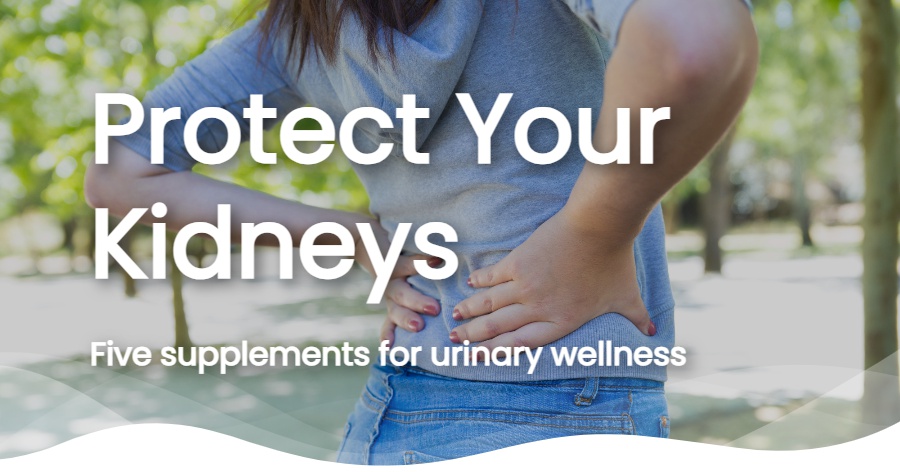
Urinary and Kidney Health: What UK Research Shows

What UK research says about D-mannose, cranberry, magnesium and omega-3 for urinary and kidney wellbeing — and why chronic kidney disease needs your GP, not a supplement guide.

Continue Reading

About Recommendations

Most supplements are genuinely safe for most people, but interactions with medication — blood thinners, thyroid drugs, diabetes treatment — are common and often left out of typical product marketing. I flag these because I'd rather you know before you buy than find out the hard way. A warning doesn't mean "don't take this" — it means "check with your GP first if this applies to you."

I have no paid partnerships with supplement brands. When I link to products, I use Amazon affiliate links — I earn a small commission if you buy, at no extra cost to you.

Not always. My articles help you understand whether a supplement is relevant to your situation before you spend money.

No — I'm not a currently practising doctor, pharmacist, or registered nutritionist. VitMax UK's content is based on published research, not medical advice. Always consult a GP before starting a new supplement if you have a health condition.

I look at ingredient quality, third-party testing, user reviews, and value for money. I only recommend products available on Amazon UK.

No — I don't run independent lab testing. I rely on the third-party testing certifications manufacturers provide, and focus my own work on researching the evidence behind each ingredient, so you know what the science actually supports before you buy.