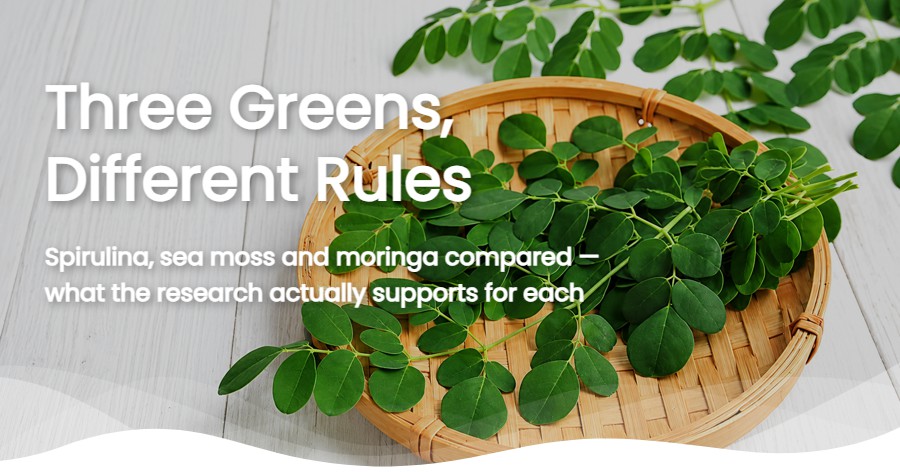
“Superfood” is a marketing term, not a scientific one, and spirulina, sea moss, and moringa get grouped under it constantly, as if they’re interchangeable ways to eat more greens. They’re not. Each has a genuinely different nutrient profile and a genuinely different safety consideration worth knowing before you buy — including one that’s specific to a popular combination product.
Spirulina and Chlorella — Real Nutrients, and a Contamination Risk Worth Knowing
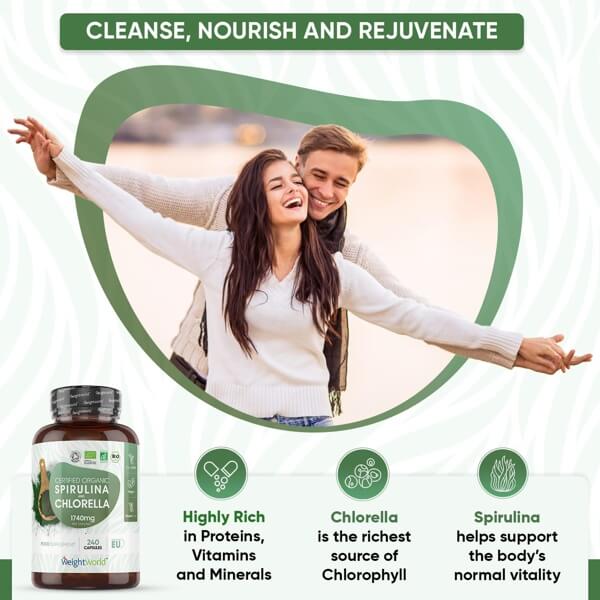
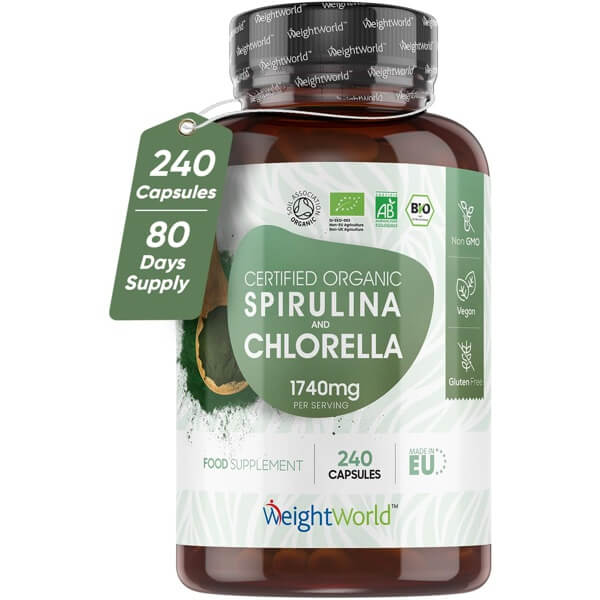
Spirulina and chlorella are both algae, frequently sold combined in one product, as covered here — and while they’re often talked about together, they have distinct nutritional and safety profiles worth understanding separately.
What They Genuinely Offer
Spirulina is notable for providing a complete amino acid profile alongside antioxidant compounds. It’s worth correcting a common marketing framing, though: “chlorophyll for natural detoxification” isn’t an accurate description of how the body actually processes waste — the liver and kidneys handle detoxification continuously, regardless of algae intake.
A Genuine Contamination Risk
Both spirulina and chlorella are typically grown in open ponds, which creates a real, documented risk of contamination from toxic cyanobacteria byproducts called microcystins, alongside heavy metals. Peer-reviewed testing of commercially available microalgae supplements has found a meaningful share of tested products — around three in ten samples in one such study — positive for microcystin or related toxin contamination. This is a genuine argument for choosing a manufacturer with independent, verifiable heavy-metal and toxin testing, rather than assuming all algae products are equally clean.
Who Should Be Cautious
Anyone with phenylketonuria (PKU) should avoid spirulina entirely, given its meaningful phenylalanine content. Both algae have genuine immune-stimulating properties, so if you have an autoimmune condition, it’s worth checking with your GP first, given documented case reports of flares associated with these algae specifically.
The Blood-Thinning Complication Specific to This Combination
This is worth particular attention if you’re on blood-thinning medication, because this combination product creates a genuinely more complicated picture than either algae alone: chlorella is high in vitamin K, which can reduce warfarin’s effectiveness — a documented case report describes a patient’s warfarin control becoming unstable after starting chlorella — while spirulina separately has its own mild blood-thinning properties. Combining both in one product means potentially opposing effects on anticoagulant medication at the same time, which is genuinely harder to predict or manage than a single ingredient would be. If you take warfarin or any other blood-thinning medication, this needs a direct conversation with your GP before starting, not a general caution glanced past. Chlorella can also increase skin sensitivity to sunlight in some people.
Superfoods & Greens
Sea Moss — Mineral-Dense, But Not “92 of 102 Minerals”
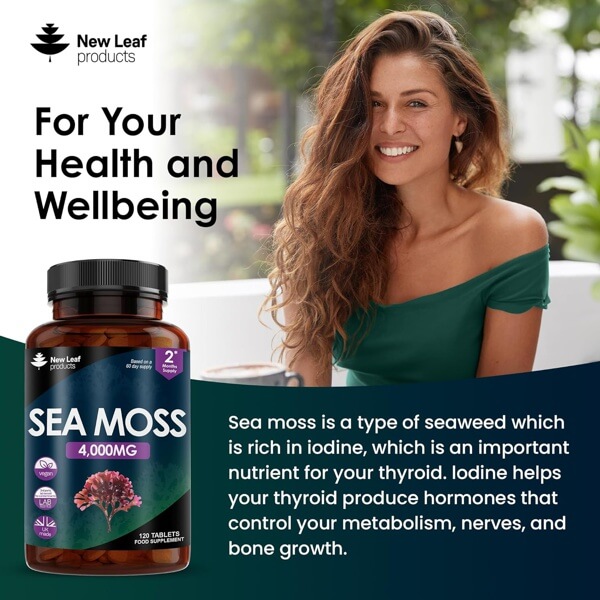
Sea moss (Chondrus crispus, also called Irish moss) is a red algae genuinely notable for its iodine content alongside a broader range of trace minerals.
A Marketing Claim Worth Correcting
You’ll see a specific figure across sea moss marketing generally: that it provides “92 of the 102 minerals the body needs.” This isn’t scientifically grounded — the human body doesn’t actually require 102 distinct minerals, and this claim traces back to unverified marketing rather than any documented nutritional standard. Worth knowing if you encounter it, even though it’s not a claim made on the specific product covered here.
The Iodine and Thyroid Question
This is the most important point about sea moss: its iodine content varies unpredictably depending on source, and excess iodine can disrupt thyroid function in either direction. This makes it genuinely difficult to know your actual iodine intake from any sea moss product, including at the concentrated dose covered here. If you have an existing thyroid condition, or take thyroid medication such as levothyroxine, check with your GP before regular use — excess iodine can worsen hypothyroidism, trigger hyperthyroidism in people with underlying nodules or Graves’ disease, and can interfere with how well levothyroxine is absorbed.
Beyond iodine specifically, broader wellness claims around sea moss are best understood modestly — it’s a genuinely mineral-diverse food, but not established as a treatment for any specific condition.
Superfoods & Greens
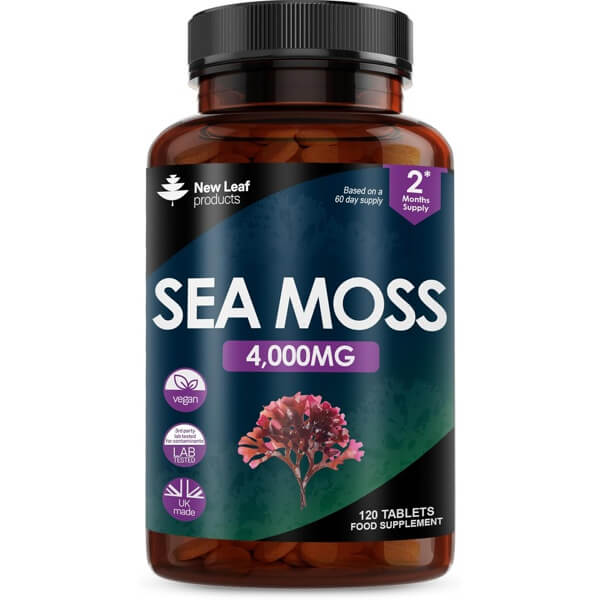
Sea Moss Supplement 4000mg High Potency Extract 120 Vegan Tablets
Moringa — Why the Leaf Matters More Than the Marketing Realises
Moringa (Moringa oleifera) is a genuinely nutrient-dense plant, but which part of it you’re taking matters more than most moringa marketing acknowledges.
Leaf, Not Root or Bark
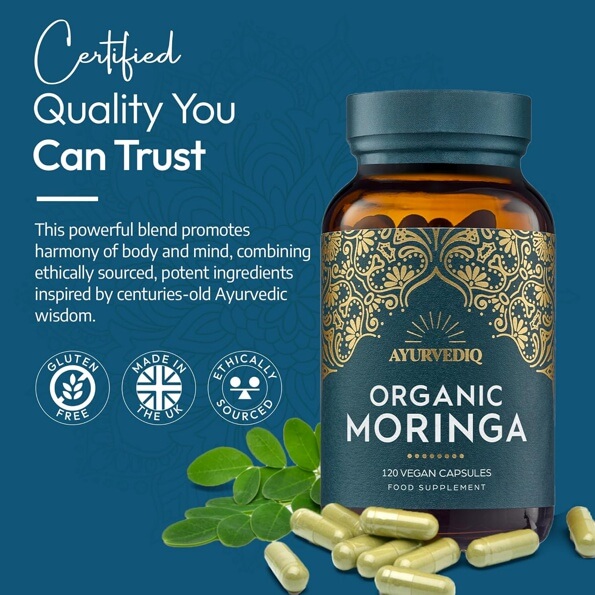
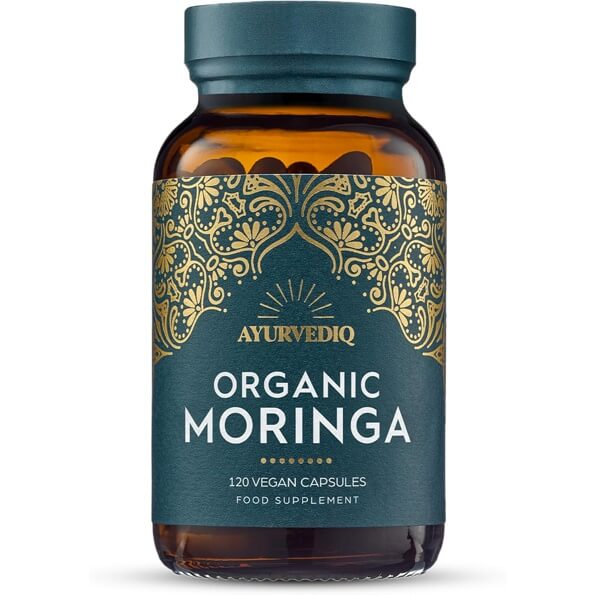
The product covered here uses 100% moringa leaf, which is worth confirming specifically — moringa leaf is the part with genuine research behind it, distinct from moringa root or bark, which contain goitrogenic compounds that can interfere with thyroid function. A leaf-only formulation, like this one, doesn’t carry that particular concern.
What the Leaf Genuinely Offers
Moringa leaf contains antioxidant compounds including isothiocyanates, quercetin, and chlorogenic acid, alongside vitamin C, calcium, potassium, and protein.
A Specific Blood Sugar Finding, With an Honest Dose Comparison
Moringa leaf has been studied for a genuine effect on blood sugar: one human trial found that 4g of moringa leaf powder daily reduced fasting glucose by around 28% over 40 days — a notable single-study finding. Worth knowing: this product’s suggested dose (500-1500mg, across one to three capsules) is meaningfully lower than the 4g used in that trial, so it’s reasonable not to expect the same effect at standard use. If you have diabetes or take blood sugar medication, discuss regular moringa use with your GP regardless of dose, since combining the two could increase the risk of blood sugar dropping too low.
A 2025 review of clinical trials and case reports found moringa generally well tolerated, with rare hypersensitivity reactions and, uncommonly, blood clotting-related events — worth knowing if you’re already on blood-thinning medication or have a clotting disorder, though this appears to be an uncommon consideration overall.
Superfoods & Greens
Choosing and Combining These Safely
If you’re considering more than one of these, or combining any of them with medication, a few threads run across all three worth tracking together: blood-thinning medication interacts with spirulina, chlorella, and — uncommonly — moringa, so combining several of these while on anticoagulants is worth a specific conversation with your GP rather than three separate assumptions. Thyroid medication interacts specifically with sea moss’s iodine content. And regardless of which you choose, independent testing for heavy metals and contaminants is a reasonable thing to look for on any algae or greens product specifically.
Common Myths, Addressed
“Chlorophyll-rich greens detoxify your body.” The liver and kidneys handle detoxification continuously regardless of what greens supplements you take — this marketing framing doesn’t reflect how the body actually works.
“Sea moss provides 92 of the 102 minerals the body needs.” This specific figure isn’t scientifically grounded. The body doesn’t require 102 distinct minerals, and this claim doesn’t trace back to any documented nutritional standard.
Final Thoughts
Spirulina, sea moss, and moringa are all genuinely nutrient-dense in their own ways, but “superfood” as a category obscures more than it reveals. Spirulina and chlorella combined create a specific, more complex blood-thinning consideration than either takes alone. Sea moss’s real safety story is about iodine and thyroid function, not the exaggerated mineral-count claims attached to it. Moringa’s leaf-versus-root distinction matters more than most marketing acknowledges, and its most notable research finding used a considerably higher dose than typical capsule products provide. None of this makes any of the three not worth considering — it just means each deserves to be evaluated on its own specific profile, not lumped in under one green, leafy assumption.
Disclaimer: This article is for informational purposes only and does not constitute medical advice. Always consult your GP before starting spirulina, chlorella, sea moss, or moringa, particularly if you take blood-thinning or thyroid medication, have diabetes, an autoimmune condition, phenylketonuria, are pregnant, or are breastfeeding.