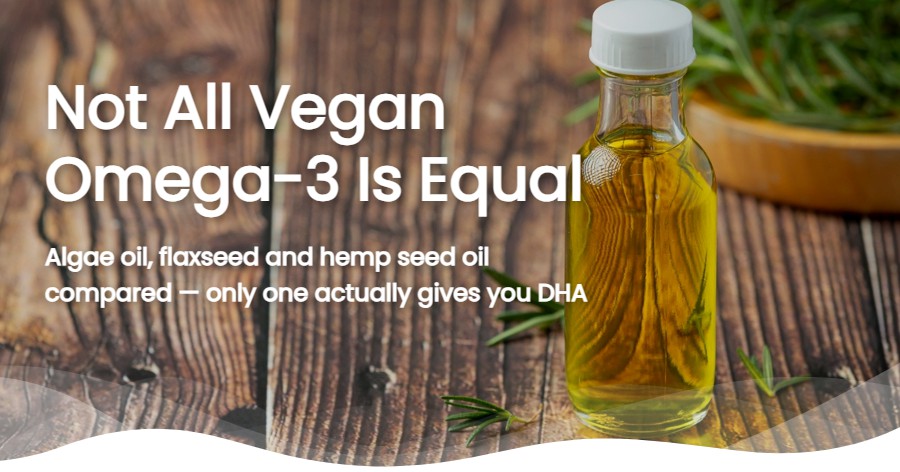
“Vegan omega-3” gets used as if it’s one single thing, but algae oil, flaxseed oil, and hemp seed oil are three genuinely different fatty acid profiles, sold to the same audience for the same general reason. Only one of them actually delivers what fish oil is best known for. Here’s an honest comparison of all three.
Algae Oil — The Only True DHA Source Here
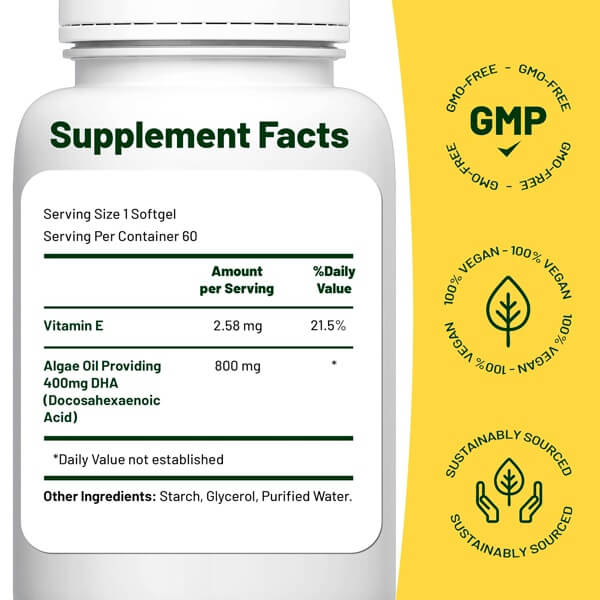
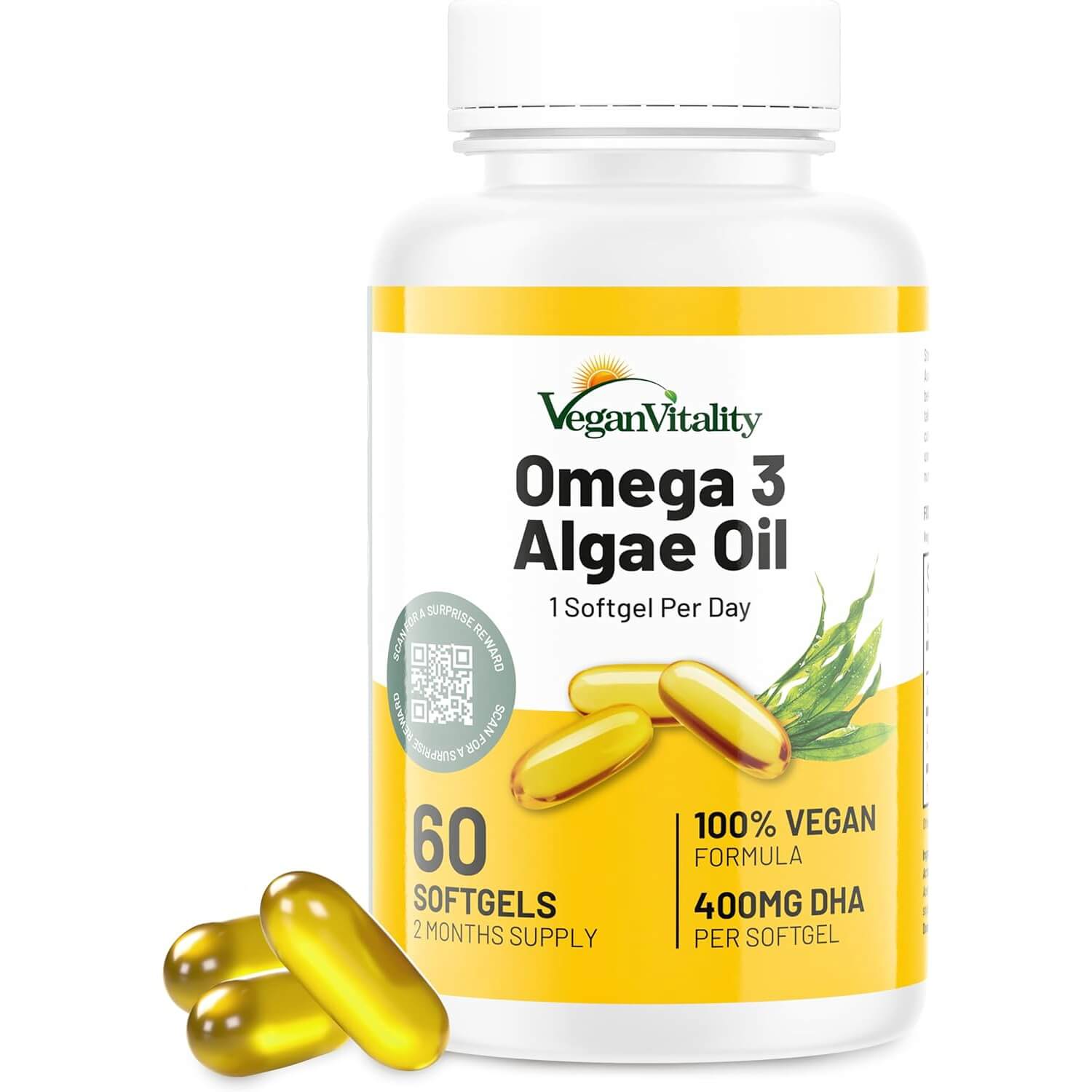
Algae oil, typically sourced from Schizochytrium sp., is the one vegan omega-3 source that provides DHA directly — the same fatty acid found in fish oil, since fish get their omega-3 from the algae they eat in the first place.
What’s Genuinely Well-Established
DHA has several EU-authorised health claims behind it: it contributes to normal brain function, supports maintenance of normal vision, and — specifically for pregnant and breastfeeding women — helps supply DHA for the baby’s development. This makes an algae-based DHA supplement a genuinely reasonable, evidence-backed choice for vegans, particularly during pregnancy, when fish oil isn’t an option for dietary reasons.
A Labelling Correction Worth Knowing
Worth being precise here: this particular product provides DHA only, with essentially no EPA, despite being referred to elsewhere in its own marketing as an “EPA & DHA” supplement. Algae oils with meaningful EPA content do exist, but a DHA-only product isn’t one of them — worth checking if you specifically wanted both.
Where the Marketing Overreaches
The “supports cardiovascular function” and “maintains healthy cholesterol” framing sometimes attached to omega-3 products overstates the current picture. A 2020 Cochrane review — one of the most rigorous forms of evidence synthesis available — found that increasing omega-3 intake probably makes little or no difference to cardiovascular mortality or events in the general population. This relates mainly to combined EPA/DHA intake broadly rather than DHA alone specifically, but it’s a good reason to read cardiovascular framing on any omega-3 product with some scepticism. Our omega-3 guide covers this in more detail.
Omega-3 & Fatty Acids
Flaxseed Oil — ALA, and Why the Cholesterol Claim Doesn’t Quite Apply
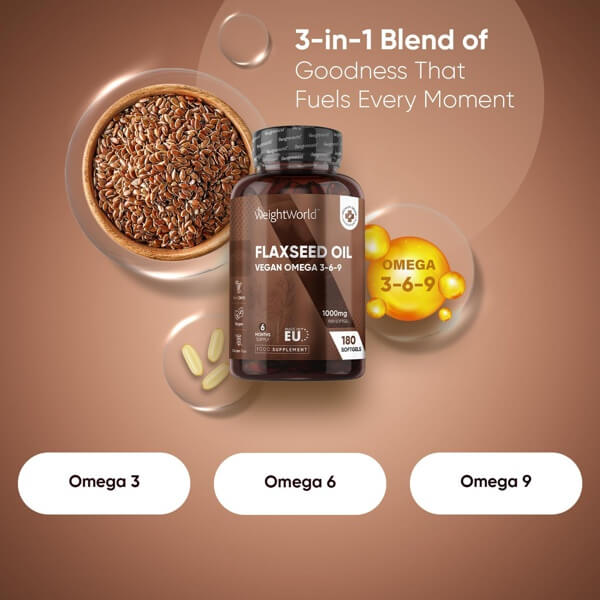
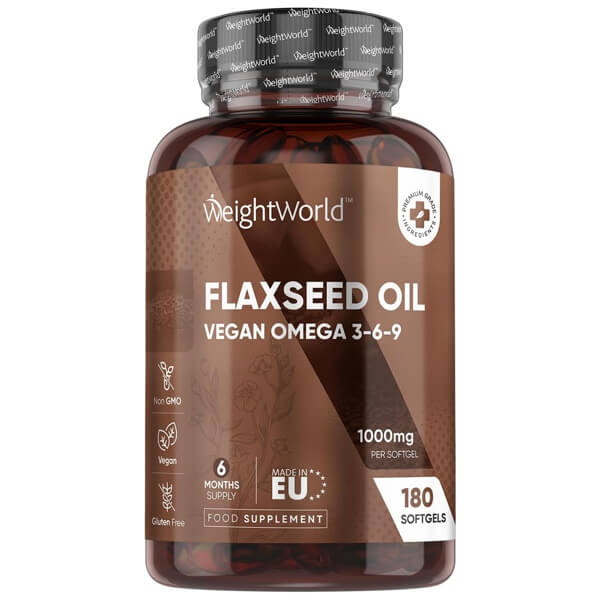
Flaxseed oil provides a genuinely different omega-3: ALA (alpha-linolenic acid), rather than EPA or DHA.
The Conversion Problem
The body can convert some ALA into EPA and DHA, but this conversion is limited — typically well under 10% — so flaxseed oil isn’t a direct substitute for the specific fatty acids fish or algae oil provide. It’s a genuine, valuable plant-based omega-3 in its own right, just not a like-for-like swap.
A Dose Correction Worth Knowing
EFSA’s authorised claim that ALA contributes to the maintenance of normal blood cholesterol concentrations specifically requires a daily intake of 2g of ALA to qualify. This product provides 550mg of ALA per softgel — well short of that threshold at the standard one-softgel dose. This doesn’t make flaxseed oil pointless, but it does mean the cholesterol claim, if that’s specifically why you were considering this product, doesn’t apply at this dose.
Omega-3 & Fatty Acids
Hemp Seed Oil — A Similar Shortfall, Plus a Common Misconception
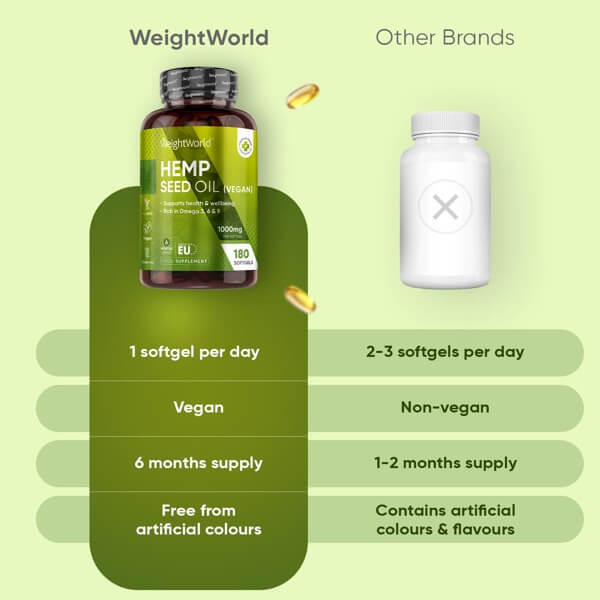
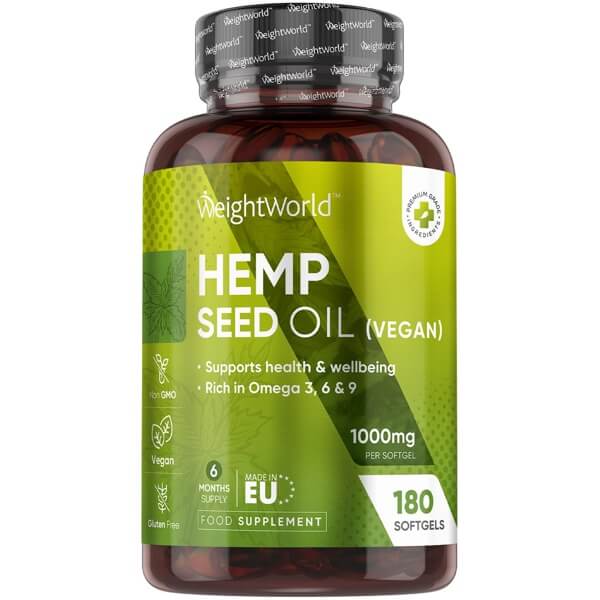
Hemp seed oil provides a blend of omega-3 (ALA), omega-6, and omega-9 fatty acids, and carries the same cholesterol-claim shortfall as flaxseed oil, generally to an even greater degree.
Even Less ALA Than Flaxseed
Hemp seed oil typically contains around 15-20% ALA by composition. At 1000mg of hemp oil per softgel, that works out to a few hundred milligrams of ALA at most — short of the 2g EFSA threshold for the cholesterol claim by an even wider margin than the flaxseed product above.
Worth Clarifying for Anyone Unfamiliar With Hemp Products
Hemp seed oil, pressed from the seeds of Cannabis sativa, contains negligible THC or CBD. Those compounds come from the plant’s flowers and leaves, not the seeds — this is a nutritional oil, not a cannabinoid product, and won’t produce any psychoactive effect or CBD-associated properties. Worth knowing if you were expecting either.
The vitamin E included in this product does have a genuine, EU-authorised role in protecting cells from oxidative stress.
Omega-3 & Fatty Acids
So Which One Should You Actually Choose?
It depends on what you’re actually trying to replace. If you specifically want the DHA that fish oil provides — for brain function, vision, or pregnancy-related needs — algae oil is the only one of the three that genuinely delivers it. If you’re simply looking for a general plant-based source of essential fatty acids as part of a varied diet, flaxseed or hemp seed oil are both reasonable, though neither reaches the dose needed for the specific cholesterol claim at standard servings, and neither substitutes for DHA specifically. Taking more softgels to reach the 2g ALA threshold is possible with either, but worth weighing against simply choosing algae oil if DHA is genuinely the goal.
Safety Considerations
All three carry mild blood-thinning properties, similar to fish oil, which is worth knowing if you take anticoagulant medication — speak to your GP before starting any of them in that case. As with most supplements, safety data in pregnancy is more limited for flaxseed and hemp oil specifically than for the DHA algae oil covered above, so checking with your GP or midwife first is sensible if you’re pregnant or breastfeeding.
Common Myths, Addressed
“Flaxseed or hemp oil gives you the same benefits as fish oil.” Not quite — they provide ALA, a genuinely different omega-3 that the body converts to EPA and DHA only in small amounts. If DHA specifically is what you’re after, algae oil is the more direct source.
“Hemp seed oil will show up on a drug test or has a mild CBD-like effect.” No — hemp seed oil comes from the seeds, which contain negligible THC or CBD. It’s a nutritional oil, not a cannabinoid product.
Final Thoughts
“Vegan omega-3” isn’t a single category with one right answer — it’s three different fatty acid profiles solving different problems. Algae oil is the clearest, most direct substitute for what fish oil provides, DHA specifically, backed by genuine EU-authorised claims. Flaxseed and hemp seed oil are valuable plant-based fats in their own right, but neither is a direct DHA substitute, and neither reaches the dose needed for their most commonly cited health claim at a standard serving. Choosing based on what you’re actually trying to achieve, rather than the word “omega-3” on the label, makes the decision considerably clearer.
Disclaimer: This article is for informational purposes only and does not constitute medical advice. Always consult your GP before starting any omega-3 supplement, particularly if you take blood-thinning medication, are pregnant, or are breastfeeding.