Omega-3 fatty acids are essential nutrients supporting everything from cardiovascular function to brain health — yet most Britons don’t get enough from diet alone. This guide looks at what UK-relevant research actually supports, and reviews some of the omega-3 supplements available on the UK market, so you can make an informed choice rather than relying on marketing alone.
What Omega-3 Actually Does
EPA (eicosapentaenoic acid) and DHA (docosahexaenoic acid) are the two omega-3s the body can’t produce on its own, and research explores their role in heart function, brain health, inflammation, mood, and eye health.
It’s worth setting expectations honestly on the cardiovascular side specifically, since this is an area where the evidence is more nuanced than often presented. A large Cochrane review in 2020 concluded that increasing omega-3 intake probably makes little or no difference to cardiovascular mortality or events in the general population, and NICE doesn’t recommend routine omega-3 supplementation for primary prevention (preventing a first cardiovascular event in people without existing heart disease). Where the evidence is stronger is in specific, higher-risk situations — such as elevated triglycerides in people already on statin therapy — and even then, the strongest results come from a specific high-dose prescription form (icosapent ethyl), not standard over-the-counter fish oil supplements. This doesn’t mean standard omega-3 supplements are without value, but it’s a genuinely different picture from “omega-3 significantly reduces cardiovascular events for everyone,” which oversimplifies where the research currently stands.
Beyond cardiovascular research specifically, DHA is considered important for brain structure and function, with some research linking adequate DHA status to cognitive performance — an area with a more established general basis than the cardiovascular claims above, though individual study findings still vary.
Understanding the Different Types
EPA is mainly studied in relation to heart-related and inflammatory processes; DHA is particularly important for brain structure and function; and ALA, found in plant sources like flaxseed and walnuts, must be converted by the body into EPA and DHA, a process with quite low efficiency. This is why direct EPA and DHA sources — fish, algae, or supplements derived from either — are generally considered more reliable for meeting omega-3 needs than ALA-only plant sources alone.
What to Look for in a Quality Supplement
Check that a product states its actual EPA and DHA content, not just total fish oil weight — a “1000mg fish oil” capsule might contain considerably less combined EPA+DHA than that number suggests. For general health, a combined 250-500mg EPA+DHA daily is a reasonable general reference point, though specific goals may call for more, ideally discussed with a GP rather than assumed.
Triglyceride form (rTG) is generally considered better absorbed than ethyl ester form (EE), with re-esterified triglycerides often cited as offering particularly good bioavailability. Third-party certification — IFOS (International Fish Oil Standards) or GOED (Global Organization for EPA and DHA) — is a reasonable purity and potency signal, and Marine Stewardship Council (MSC) or Friend of the Sea certification indicates more responsible sourcing. A genuinely fresh product shouldn’t have a strong fishy smell or aftertaste, and many include vitamin E specifically to help prevent oxidation.
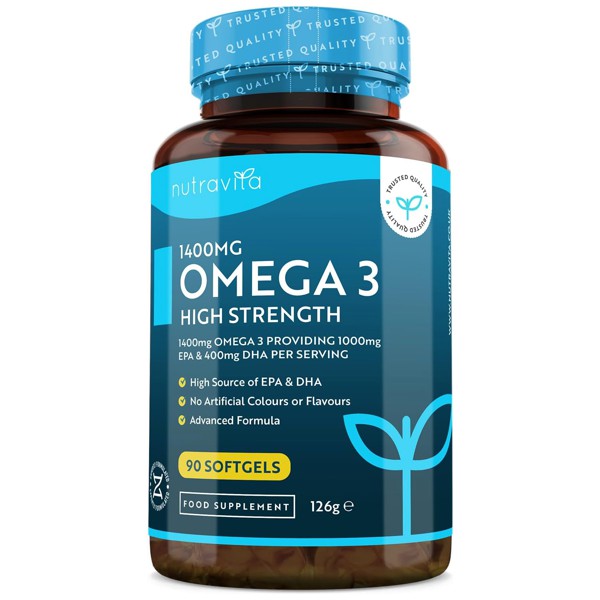
Best Overall: Nutravita Omega-3 High Strength
This British-made supplement offers a reasonable balance of potency and value, with each daily serving providing 2,000mg of fish oil delivering 1000mg EPA and 400mg DHA — comfortably above the general reference intake mentioned above.
It’s IFOS 5-star certified, sustainably sourced from wild fish, comes as 90 softgels (a 45-day supply) with enteric coating to reduce fishy aftertaste, and is manufactured in the UK to GMP standards.

Omega-3 & Fatty Acids
Best Liquid Option: Möller’s Cod Liver Oil
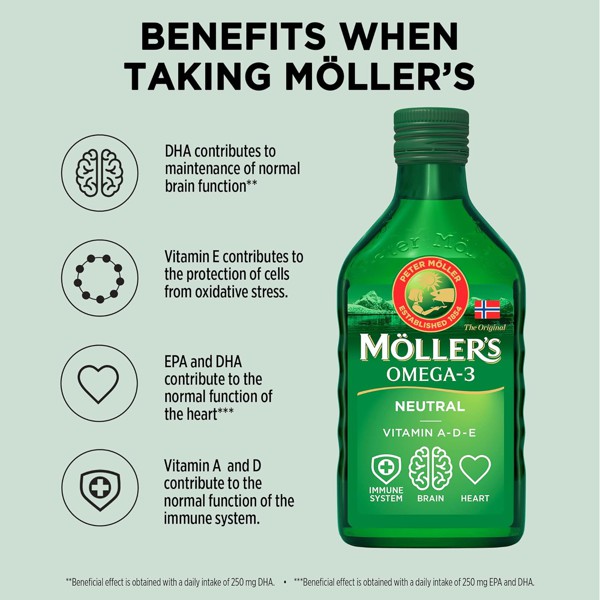
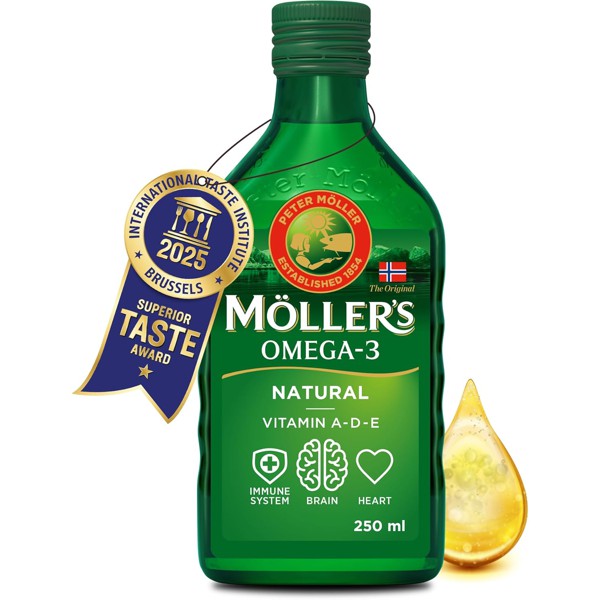
For those who prefer not to take capsules, Möller’s offers a traditional liquid option with over 166 years of Norwegian production history, delivering omega-3s alongside vitamins A, D, and E per teaspoon.
An important note specific to this product: as cod liver oil naturally contains vitamin A, the same guidance covered in our vitamin A safety guide applies here — this is not a suitable choice during pregnancy or if you already eat liver regularly, and it should be counted toward your total vitamin A intake if you also take a multivitamin. If you’re pregnant, breastfeeding, or simply want an omega-3 source without added vitamin A considerations, a standard fish oil or algae-based supplement (see other options here) is a more straightforward choice.
It has a neutral flavour, contains no artificial additives, and can be taken directly or mixed into food — a versatile option outside of the specific vitamin A consideration above.
Omega-3 & Fatty Acids
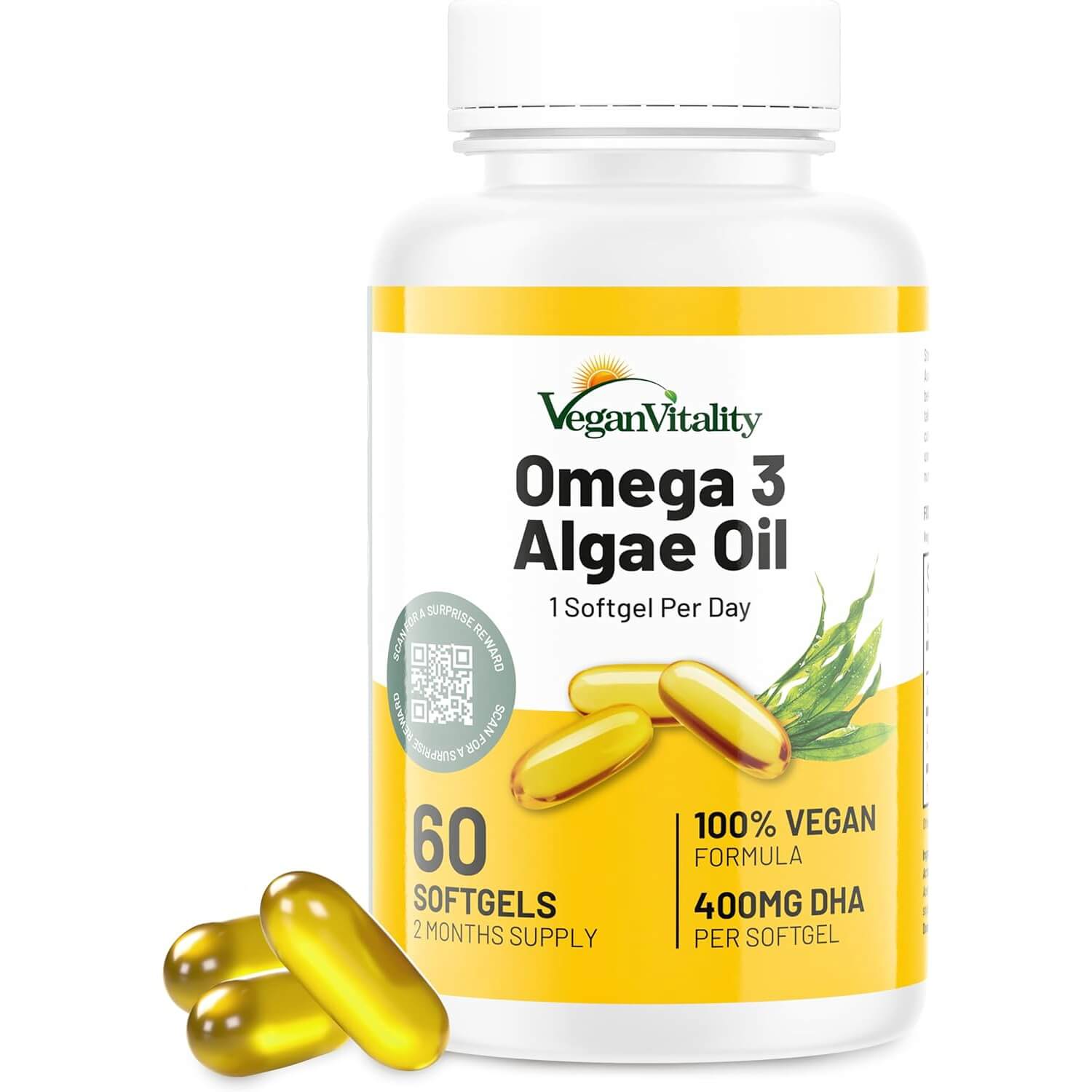
Best for Vegans: Vegan Vitality Algae Omega-3
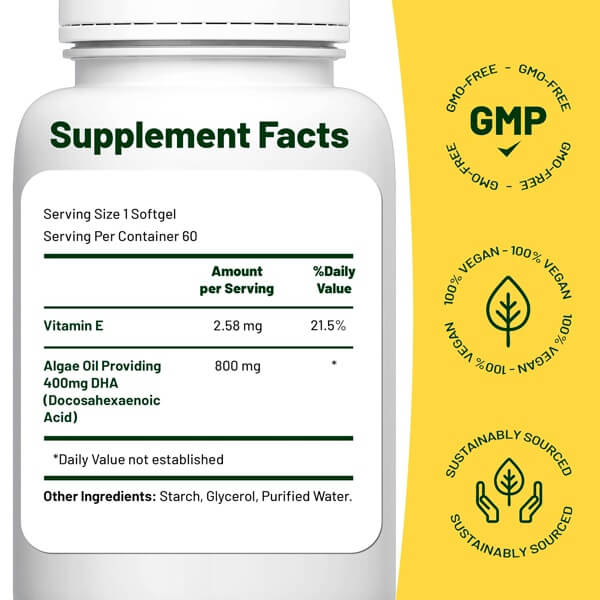
Plant-based eaters aren’t left out — this algae-derived option delivers 400mg DHA per serving, sourced from the same microalgae that fish themselves rely on for their omega-3 content, making it a genuinely comparable source rather than an inferior substitute.
It’s 100% plant-based, comes as 60 softgels (a 2-month supply), has no fishy aftertaste, and is UK-made — a solid choice for vegans, vegetarians, or anyone with a fish allergy specifically (note: allergy status to fish and to algae-derived products differs, but it’s still worth checking with your GP if you have a known fish or shellfish allergy and are unsure).
Omega-3 & Fatty Acids
Highest Strength: Omega-3 Fish Oil Supplement 3600mg
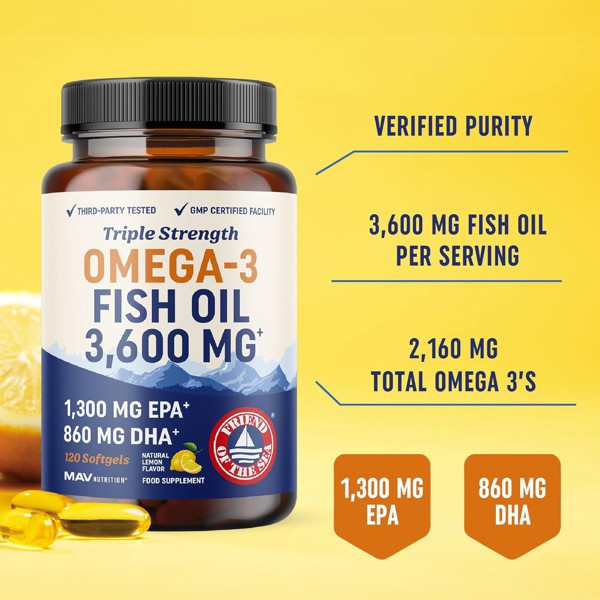
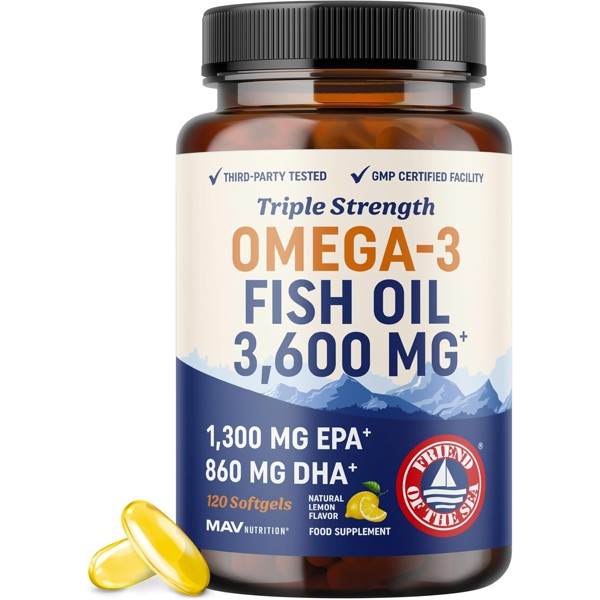
This is one of the more concentrated omega-3 formulas available without prescription, delivering 3600mg of fish oil per serving. It comes as 120 lemon-flavoured, burpless softgels (a 2-month supply), is non-GMO, and third-party tested.
Worth knowing before choosing this one specifically: at this concentration, it’s worth being aware that some clinical trials have linked high-dose omega-3 supplementation to a modestly increased risk of atrial fibrillation (an irregular heart rhythm) in certain individuals — a genuine consideration at doses well above general maintenance levels. If you’re considering a formula this concentrated, particularly for a specific health concern rather than general maintenance, it’s worth discussing with your GP first rather than self-selecting the highest available strength by default.
Omega-3 & Fatty Acids
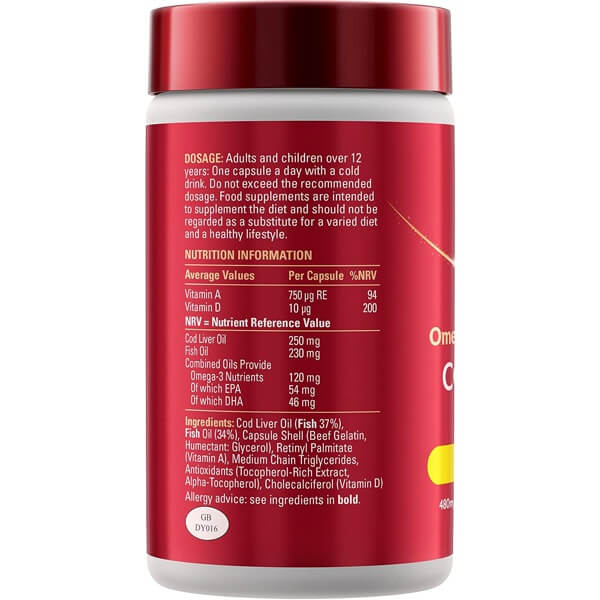
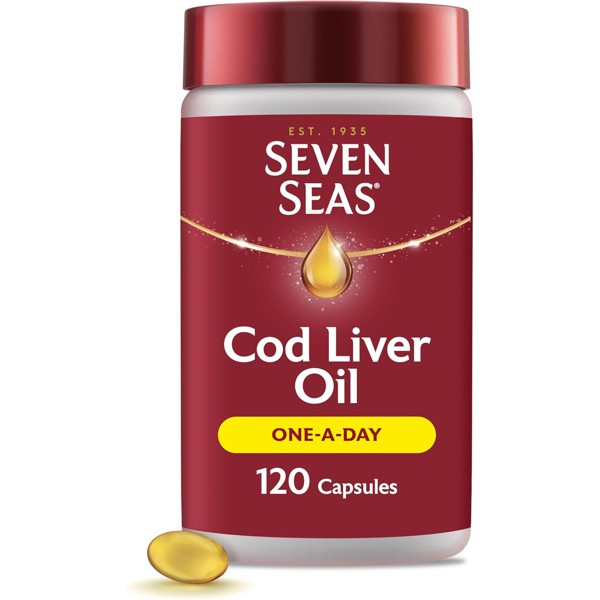
Best Budget-Friendly Option: Seven Seas Pure Cod Liver Oil
A long-trusted UK name offering a more affordable entry point, providing EPA and DHA alongside vitamins A and D. As with the Möller’s option above, the same vitamin A consideration applies: this isn’t the right choice during pregnancy, and it should be counted toward total vitamin A intake alongside any multivitamin or regular liver consumption.
It’s widely available in UK chemists and supermarkets, easy to swallow, and a reasonable entry-level option for anyone new to omega-3 supplementation who doesn’t have a specific reason to avoid the vitamin A content.
Omega-3 & Fatty Acids
Taking Omega-3 Effectively
Taking omega-3 with a meal containing some fat improves absorption and tends to reduce digestive discomfort, and a consistent daily timing helps maintain steadier blood levels over time. If you’re new to supplementation, starting with a lower dose and increasing gradually gives your digestive system time to adjust, and storing softgels somewhere cool and dark (or refrigerated, if the label suggests it) helps prevent oxidation. As with most supplements on this site, benefits — where they occur — tend to build gradually rather than appearing overnight, so consistency matters more than any single dose.
Side Effects and Precautions
Omega-3 supplements are generally well tolerated, though some people notice mild digestive discomfort, fishy burps, or looser stools when starting — taking with food and starting at a lower dose both help.
A few genuine considerations worth knowing: higher doses can slightly increase bleeding time, so check with your GP if you take blood-thinning medication or have surgery scheduled. As covered above with the highest-strength product, some research has linked high-dose supplementation to a modestly increased risk of atrial fibrillation in some people — a reason to avoid defaulting to the highest available dose without a specific reason. Omega-3 can also interact with certain blood pressure medications and anticoagulants, so mention it to your GP if you take regular medication. And as with any supplement, quality matters — poorly made products can contain contaminants or oxidised (rancid) oil, which does more harm than good, so sticking with reputable, tested manufacturers is worth the effort.
Food Sources Alongside Supplements
Oily fish — salmon, mackerel, sardines, or herring, 2-3 times weekly — remains a genuinely excellent source of EPA and DHA alongside high-quality protein. Walnuts and flaxseed provide ALA, partially converted by the body as covered above, and some fortified foods (certain eggs, milks, and breads) now include added omega-3 as well. For many people, a combination of food sources and a sensible supplement covers the gap more comprehensively than either alone.
Who Might Consider Omega-3 Supplementation?
Most people can reasonably consider omega-3 supplementation, though a few groups come up more specifically: people who rarely eat fish, whether by preference, cost, or dietary restriction; those with specific cardiovascular risk factors or existing heart disease, ideally guided by a GP given the more nuanced evidence covered earlier; pregnant and breastfeeding women, for whom DHA is genuinely important for infant brain development — though, as covered above, this specifically means a standard fish oil or algae-based supplement, not a fish liver oil product; and athletes or physically active people interested in the research around recovery and joint comfort.
Final Thoughts
Omega-3 remains one of the more reasonably evidence-backed supplement categories, particularly for general nutritional adequacy and brain-related research, though the cardiovascular picture is more nuanced than a lot of marketing suggests — the honest summary is “probably modestly helpful for some people in some contexts,” not “proven to significantly cut heart disease risk for everyone.”
Whichever option you choose — standard fish oil, an algae-based alternative, or a traditional cod liver oil (mindful of its vitamin A content) — consistency and product quality matter more than chasing the single highest dose available. If you have a specific health concern, are pregnant, or take regular medication, a quick conversation with your GP will help you choose the right approach for your situation specifically.
Disclaimer: This article is for informational purposes only and does not constitute medical advice. If you are pregnant or breastfeeding, choose a standard fish oil or algae-based omega-3 rather than a fish liver oil product, and always consult your GP before starting any supplement if you take blood-thinning medication or have an existing health condition.