Picture a chilly morning in Leeds: you’re dragging yourself out of bed, already dreading the day. Energy flat, joints aching, that spark you had in your 30s feeling like a distant memory. If you’re in your 40s, juggling work, family, and maybe a gym session squeezed in somewhere, this might sound familiar. It’s easy to file it under “just getting older” — but part of the story may involve your mitochondria, the tiny structures inside cells responsible for producing energy.
This guide looks at what research actually supports when it comes to supporting mitochondrial function — through supplements, food, and lifestyle — and where the evidence is genuinely solid versus where it’s still developing.
What Mitochondria Actually Do
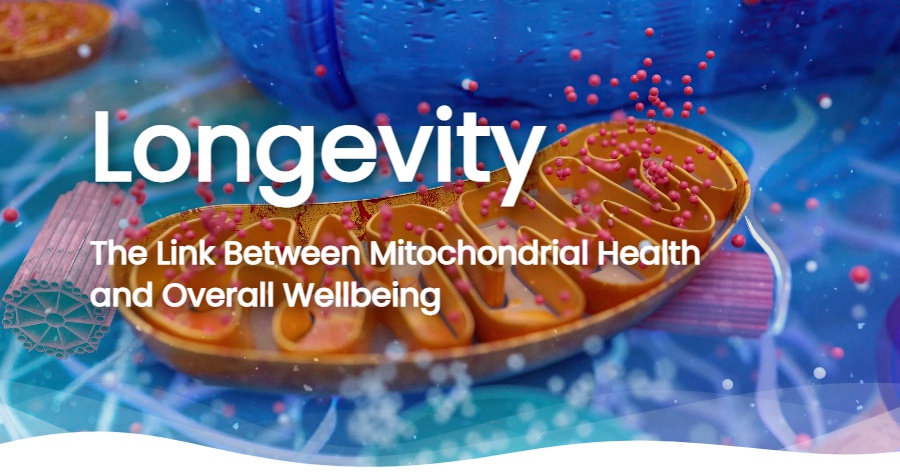
Think of your body as a city like Manchester, with mitochondria as the power stations keeping everything running. They produce ATP, the energy molecule that powers your heart, brain, and pretty much everything else you do. Over time, factors like chronic stress, poor sleep, and a diet heavy in processed food can contribute to oxidative stress — cellular wear and tear, a bit like rust building up on a bike chain — and some research links this kind of mitochondrial strain to fatigue, joint discomfort, and low mood, particularly during the UK’s darker winter months.
It’s worth being clear from the outset: low energy, mood changes, and even more serious concerns like diabetes or heart disease have many contributing factors, and mitochondrial function is genuinely one area of research interest among several — not a single root cause with mitochondrial supplements as the single fix. If you’re experiencing persistent fatigue or mood changes, that’s worth discussing with your GP directly, alongside anything you learn in this guide.
Coenzyme Q10
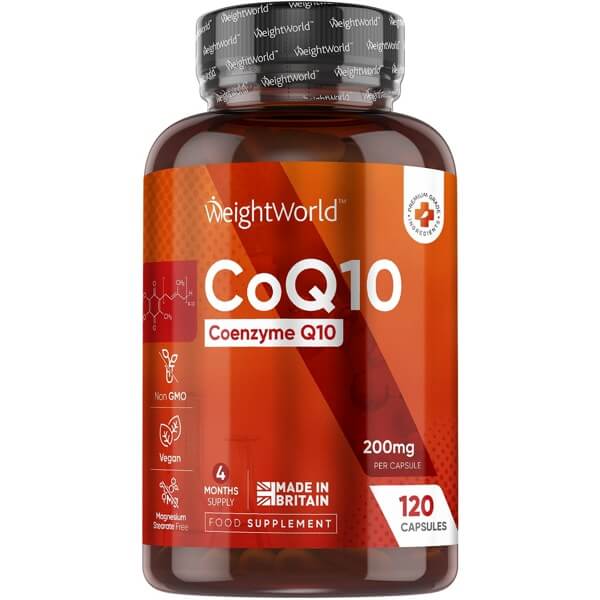
If mitochondria are the engine, CoQ10 is often described as part of the oil that helps keep things running — it’s involved in ATP production and has antioxidant properties. Natural CoQ10 levels decline with age, and statin medication (taken by several million people in the UK for cholesterol management) is understood to reduce CoQ10 levels further as a side effect of how the medication works, which is why some people on statins report feeling more fatigued.
Some research has explored CoQ10 supplementation in relation to energy levels and cardiovascular markers, including reviews looking at heart health and fatigue outcomes — though, as covered in more detail in our dedicated CoQ10 guide, it remains genuinely uncertain whether CoQ10 reliably reduces statin-specific muscle fatigue, and this is worth discussing with your GP rather than assuming. Ubiquinol is generally considered the more readily absorbed form, commonly used at 100-200mg daily, taken with a meal containing some fat for better absorption.

Immunity & Antioxidants
Alpha-Lipoic Acid
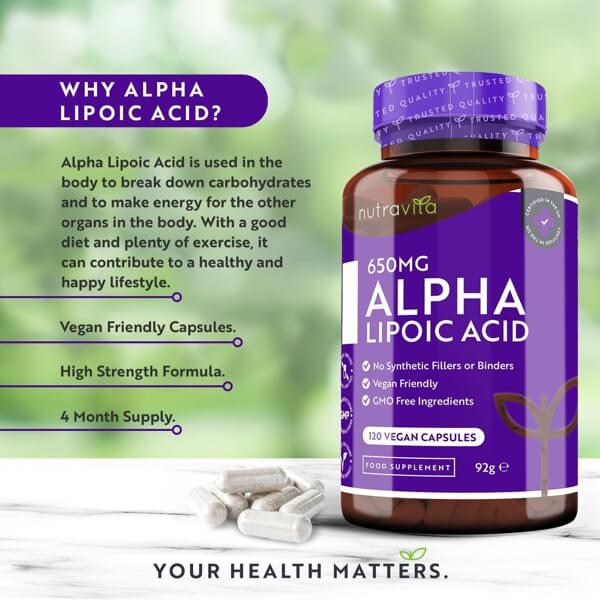
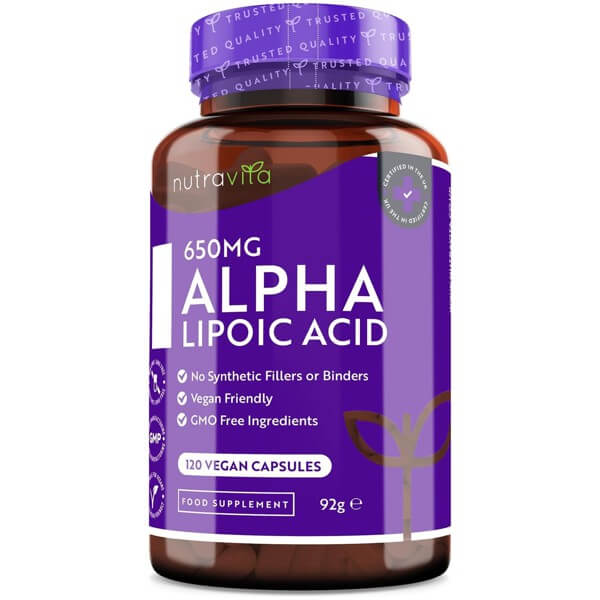
Alpha-lipoic acid (ALA) is unusual among antioxidants in working in both water and fat-soluble environments within cells, and it’s studied for a role in supporting energy production and general antioxidant defence. It’s also studied in relation to insulin sensitivity, which has made it a subject of interest given how common insulin resistance and type 2 diabetes risk are across the UK population.
It’s important to frame this accurately: ALA is not established as a treatment for diabetes or insulin resistance, and if you’re concerned about your diabetes risk specifically, that’s a conversation to have with your GP first — bloodwork and a proper risk assessment are far more useful starting points than self-directed supplementation. Alongside that conversation, some research has also explored ALA in relation to liver and kidney health, organs that can come under extra strain from modern dietary patterns. Typical doses range from 200-600mg daily, and starting on the lower end helps avoid the stomach upset some people experience at higher amounts — taking it with a substantial meal tends to help too.
Immunity & Antioxidants
Food-Based Support: Spirulina and Berries
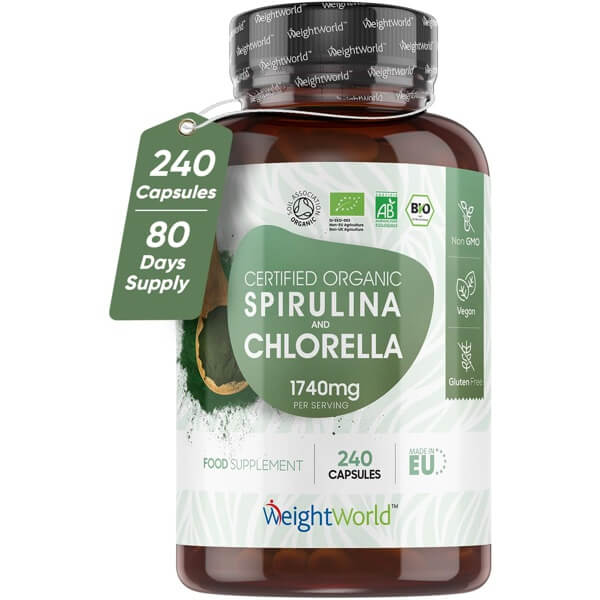
Supplements aren’t the only route here — some everyday foods are genuinely worth including too. Spirulina, a blue-green algae available in most UK health shops, contains antioxidant compounds including phycocyanin, studied for a protective role against cellular damage; a teaspoon stirred into a morning smoothie is a simple way to include it, with some research suggesting a supportive role for energy levels in middle-aged adults specifically.

Superfoods & Greens
Berries — blueberries, blackberries, whatever’s available at a local market or the supermarket — are rich in polyphenols, plant compounds studied for a role in supporting cellular health generally, including some research relevant to heart and brain function. They’re also just a genuinely pleasant, low-effort way to add something beneficial to your day, research aside.
Lifestyle: Doing At Least as Much as Any Supplement
Supplements and food are only part of the picture. Exercise is a significant factor — high-intensity interval training (HIIT) in particular is studied for a role in stimulating new mitochondrial growth, though a brisk walk, a cycle, or any regular movement you’ll actually stick with matters more than chasing the theoretically optimal workout type.
Sleep matters just as much, particularly given how much the UK’s shorter winter days can disrupt normal sleep patterns — aiming for a consistent 7-8 hours gives the body time for the repair processes that happen during rest, including at the cellular level. Sleep-supportive strategies are worth exploring if this is a struggle. Stress management is the third pillar here — chronic stress and elevated cortisol are understood to place extra strain on cellular systems generally, so whatever genuinely helps you manage stress (movement, mindfulness, time outdoors, or simply enough downtime) is a reasonable, evidence-aligned investment, not just a nice-to-have.
Choosing Supplements Wisely
Not every product on UK shelves is equally well made. Look for MHRA-relevant manufacturing standards or third-party testing rather than defaulting to the cheapest option, and always check the label for actual dosage and purity information rather than vague claims.
If you’re on regular medication or managing a condition like diabetes or heart disease, a conversation with your GP before starting any of the supplements above is genuinely worthwhile — CoQ10 can interact with blood-thinning medication, and ALA can affect blood sugar levels, both of which your GP can help you navigate safely alongside your existing care.
Final Thoughts
Mitochondrial function is a genuinely interesting area of research relevant to energy, healthy ageing, and several aspects of long-term health — but it’s one contributing factor among many, not a single explanation for fatigue, mood changes, or chronic health concerns, and not something a supplement alone resolves.
If you’re looking to support this alongside everything else on this site, a reasonable starting point is picking one thing — a CoQ10 or ALA supplement, a spirulina smoothie habit, a more consistent sleep schedule — rather than overhauling everything at once, and giving it a genuine few weeks before assessing whether it’s making a difference. If fatigue or mood changes are significant or persistent, loop in your GP rather than troubleshooting alone.
Disclaimer: This article is for informational purposes only and does not constitute medical advice. Always consult your GP before starting a new supplement, particularly if you take regular medication or manage a condition such as diabetes or heart disease.