Sports nutrition covers a genuinely wide range of research quality — some ingredients here, like creatine, have one of the most robust evidence bases of any supplement category, while others rest on more preliminary or mixed findings. Below you’ll find our picks across amino acids, creatine, and recovery-focused supplements, chosen for genuine research support and quality formulation.
Amino Acids
Immunity & Antioxidants
Amino Acids
Amino Acids
Amino Acids
Amino Acids
Amino Acids
Amino Acids
Amino Acids
Sports Nutrition Supplements: What Research Actually Shows
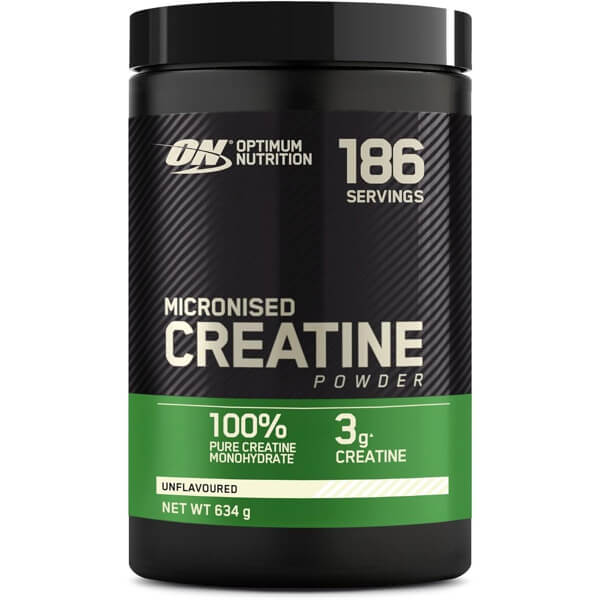
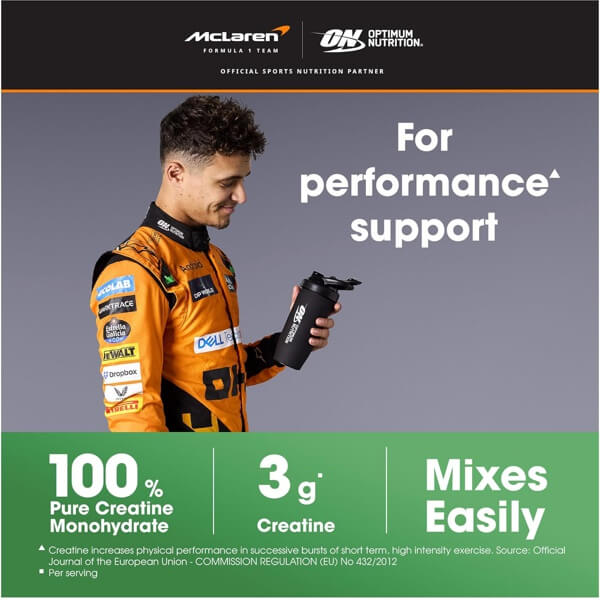
Sports nutrition supplements vary enormously in evidence quality, and it’s worth knowing which ones have genuinely strong research behind them before choosing where to spend. Creatine stands out as one of the more robustly evidenced supplements in any category — numerous human trials support its role in muscle strength and mass in both men and women, with some research also exploring roles in bone health, brain function, and mood. A commonly referenced dose is 3-5g daily, with consistency mattering more than precise timing around exercise.
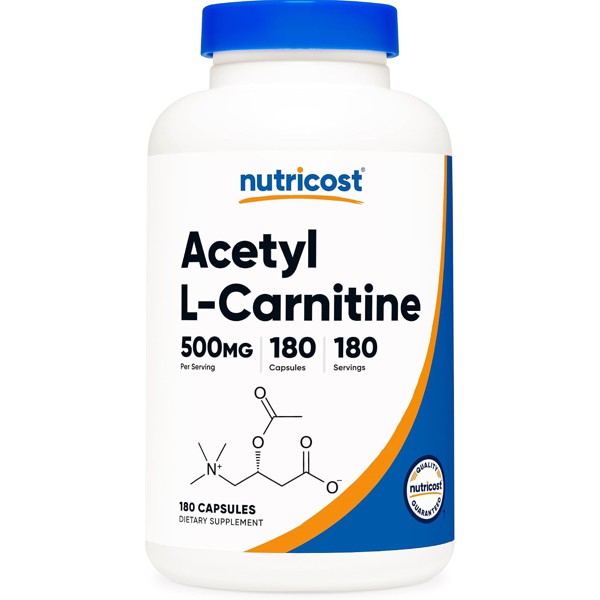
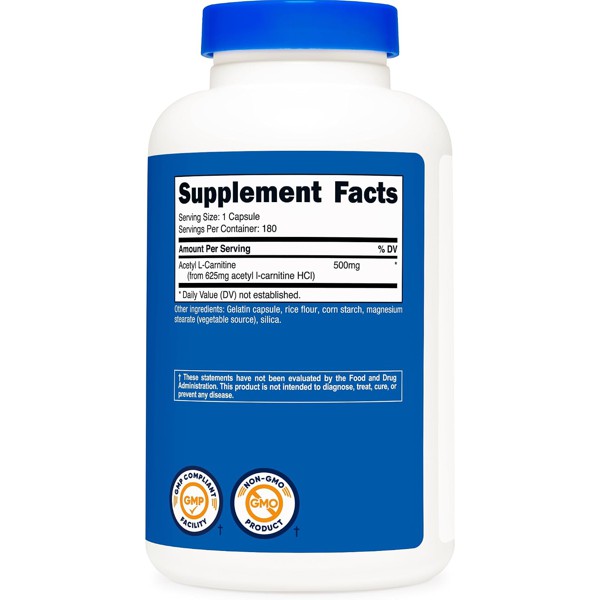
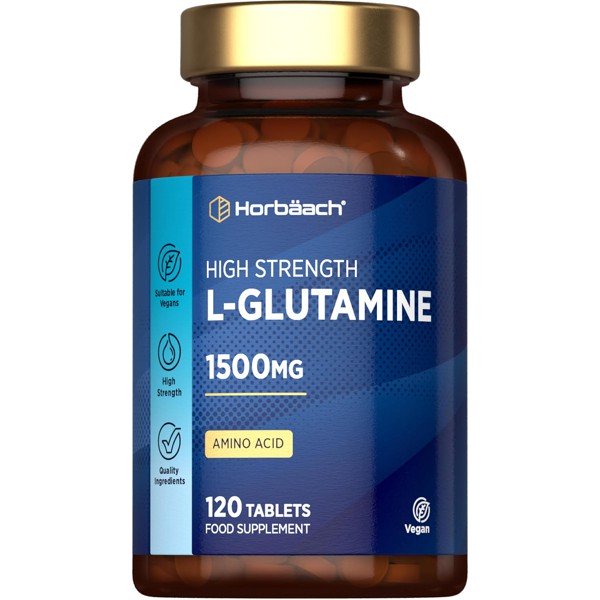
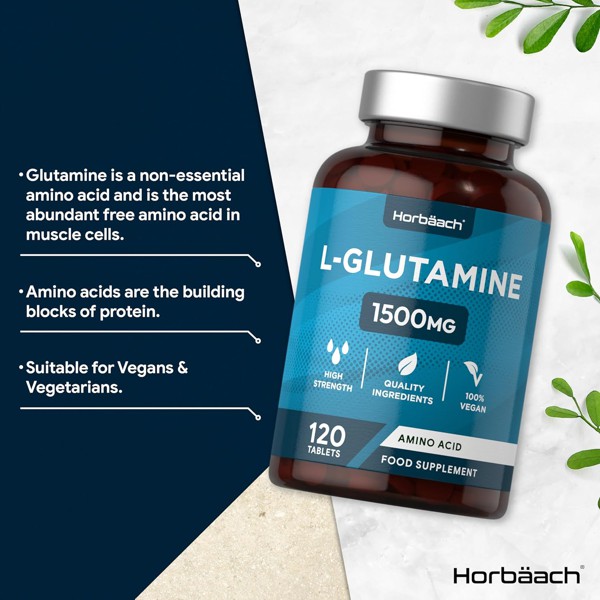
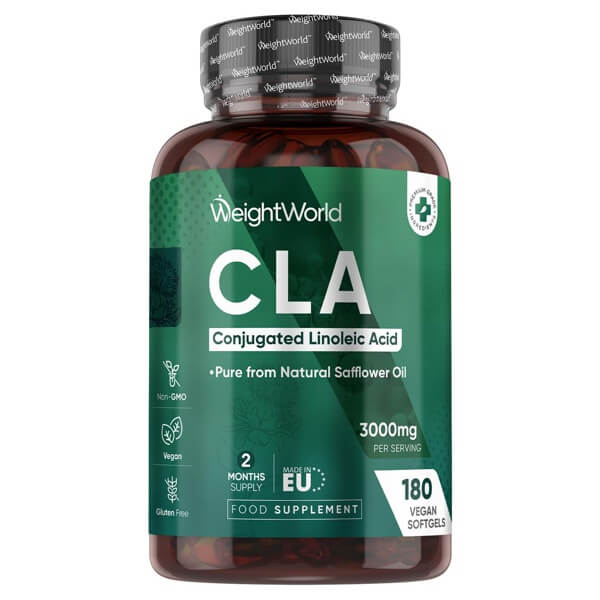
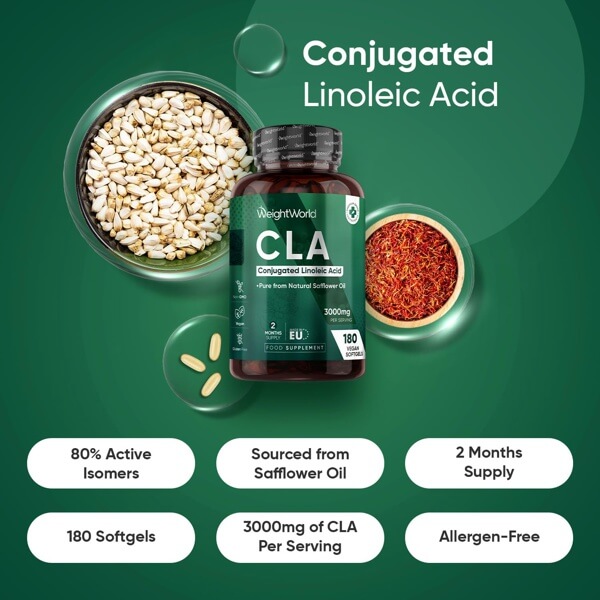
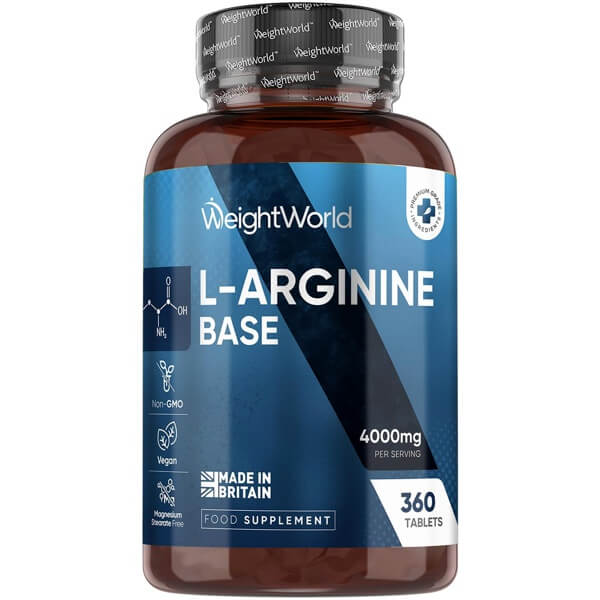
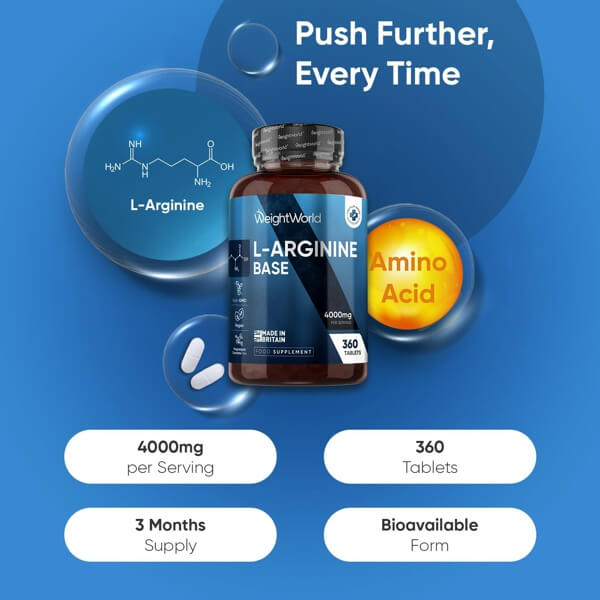
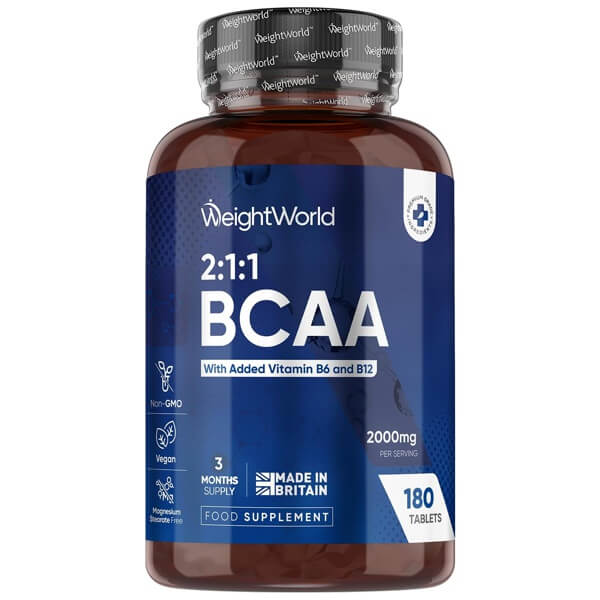
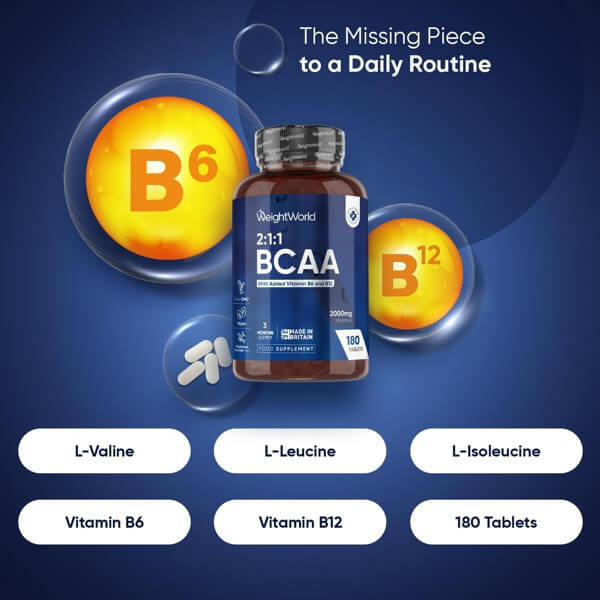
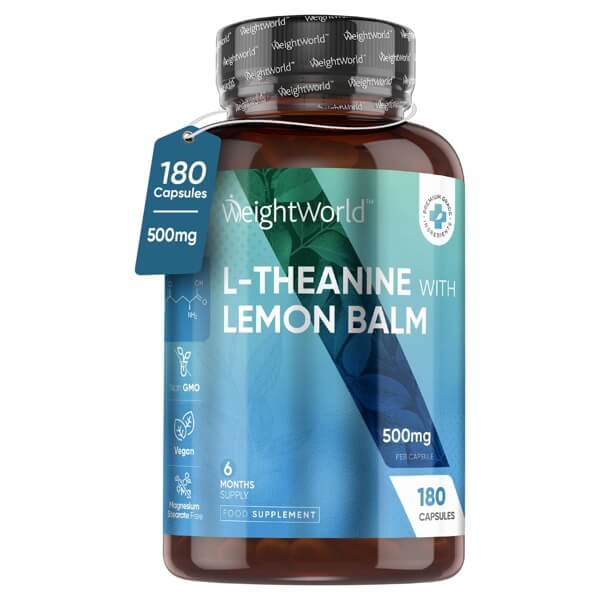
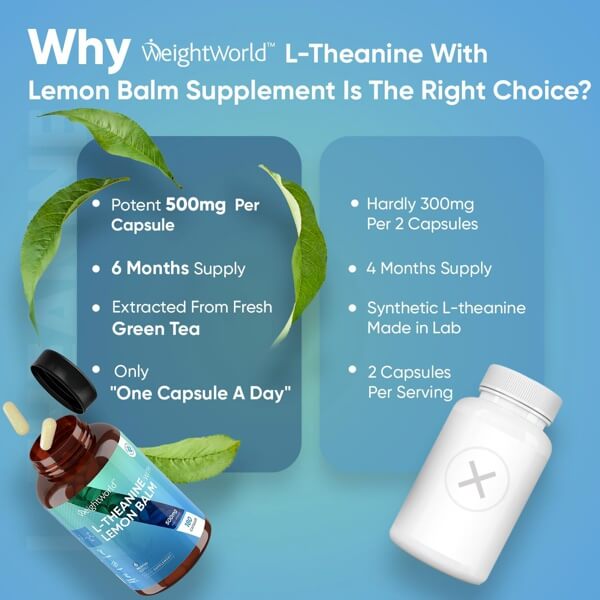
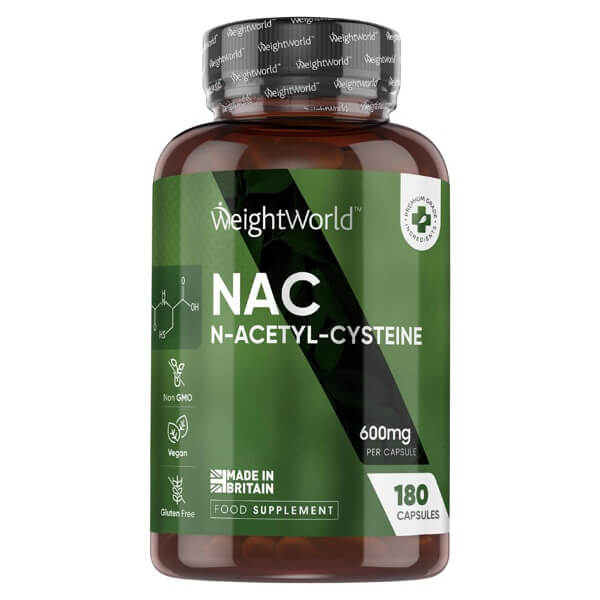
Amino acids make up much of the rest of this category: BCAAs (branched-chain amino acids) are studied for muscle recovery and reducing exercise-induced soreness, L-glutamine supports intestinal and immune function alongside its role in muscle recovery, and L-arginine is studied for a role in blood flow during exercise. L-carnitine is researched in relation to fat metabolism and exercise recovery, though results are more mixed than for creatine specifically, and L-theanine — better known for relaxation — is sometimes used by athletes for focus without the jitteriness associated with high-dose stimulants. CLA (conjugated linoleic acid) and NAC (N-acetyl-cysteine) round out this category, each with their own more specific research areas — NAC in particular is studied for antioxidant support relevant to exercise-induced oxidative stress.
Whichever supplements you’re considering, it’s worth remembering that training consistency, adequate protein intake, and recovery (sleep especially) drive the majority of any genuine performance or recovery improvement — supplements are, at most, a complement to that foundation, not a substitute for it. If you take regular medication or manage a health condition, it’s worth checking with your GP before starting a new sports supplement, particularly at higher doses used for performance-specific goals.