What L-Carnitine Research Actually Shows
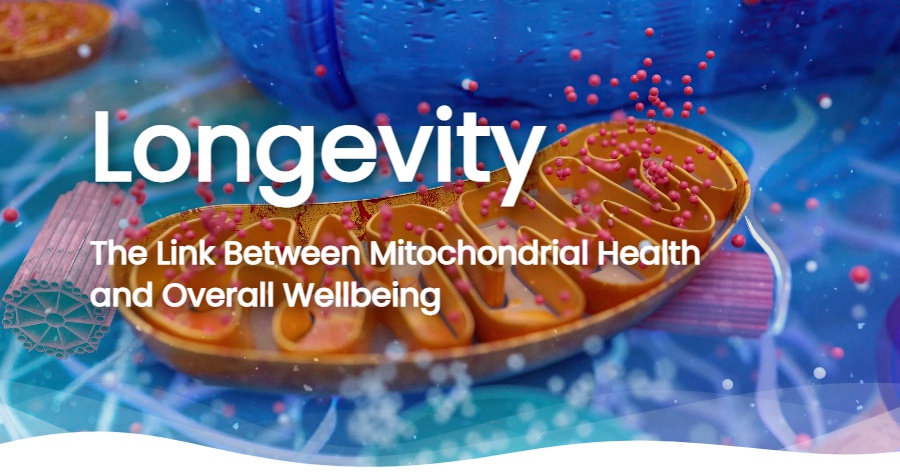
L-carnitine is naturally produced in the body and plays a genuine role in transporting fatty acids into cells’ mitochondria, where they’re converted into energy — this is the basis for its research interest in exercise recovery and fat metabolism, though results across studies are genuinely mixed rather than uniformly positive, and it works best alongside, not instead of, regular exercise and balanced nutrition.
It’s worth being precise about the cardiovascular research specifically, since this is more nuanced than “supports heart health” suggests. Gut bacteria metabolise L-carnitine into a compound called TMAO (trimethylamine N-oxide), which observational research — including a well-known 2013 study in Nature Medicine — has associated with cardiovascular risk markers including atherosclerosis. The clinical significance of this for people taking L-carnitine supplements specifically remains under active investigation and debate, and there’s no official regulatory warning against its use on these grounds — but it’s a genuine area of ongoing scientific discussion, not a settled “supports cardiovascular health” claim, and worth knowing about rather than only hearing the positive framing.
A few genuine medication interactions and cautions worth knowing: L-carnitine may interfere with thyroid hormone action at the tissue level, relevant if you have hypothyroidism or take thyroid medication such as levothyroxine. It carries a documented, though rare, association with increased seizure activity in people with existing seizure disorders. It can also potentiate warfarin’s blood-thinning effect, and people with chronic kidney disease or on dialysis should avoid over-the-counter carnitine without specialist guidance. If any of these apply to you, speak to your GP before starting rather than assuming general “energy support” framing means it’s automatically fine.
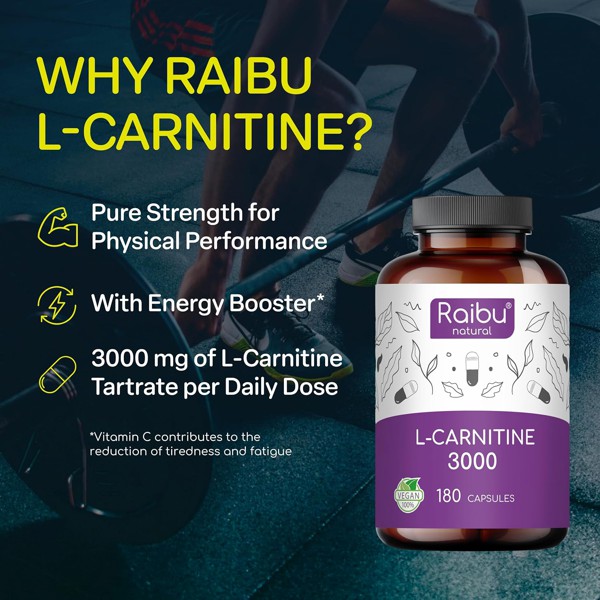
The B-vitamin complex (B1, B2, B5, B6, B12) included alongside has established roles in normal energy-yielding metabolism and reducing tiredness and fatigue. Common side effects at standard doses are mild — nausea, stomach upset, or a fishy body odour at higher amounts.
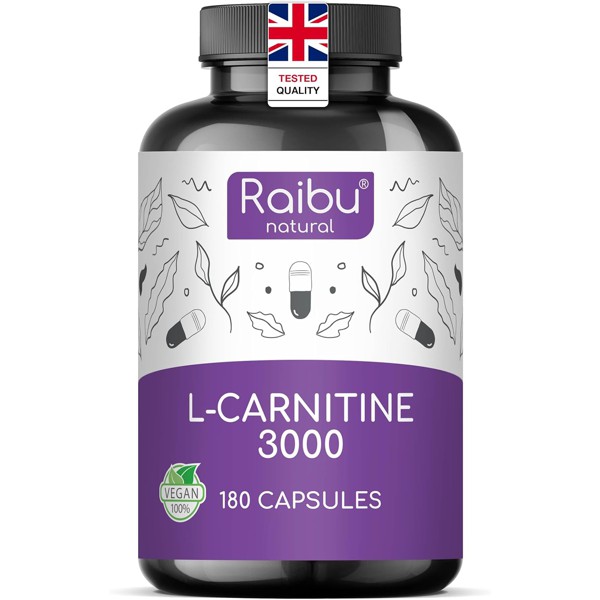
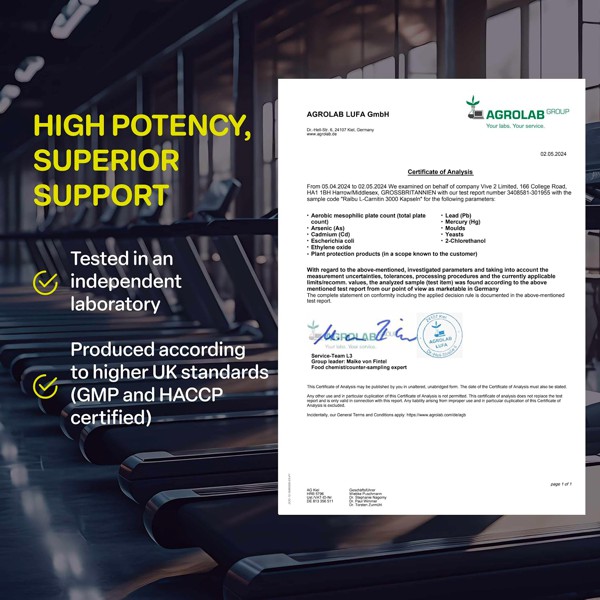
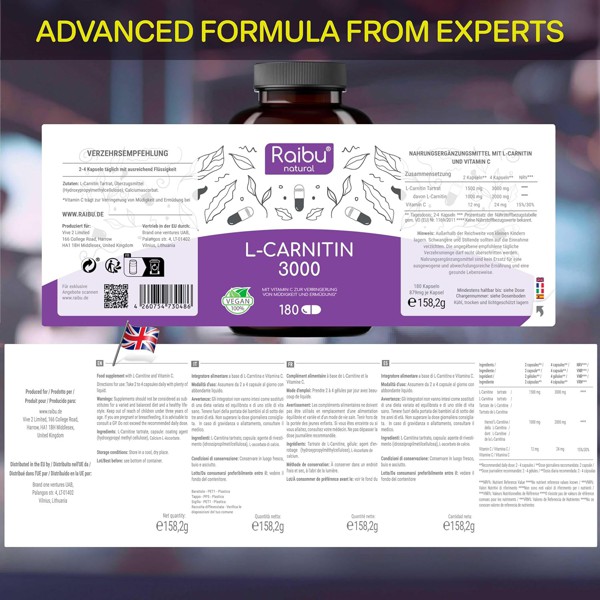
Capsules are vegan, non-GMO, and manufactured in a GMP-certified UK facility. Take 1-2 capsules daily with meals; 180 capsules provide a 3-month supply. Speak to your GP before starting if you take regular medication, have a thyroid condition, seizure disorder, or kidney disease, or are pregnant or breastfeeding.