L-Carnitine is studied for fatty acid transport and energy production, with genuinely mixed evidence for exercise performance. Important: the cardiovascular research here is more nuanced than typical marketing suggests, plus several real medication interactions worth knowing.
Amino Acids
L-Carnitine: What Research Actually Shows
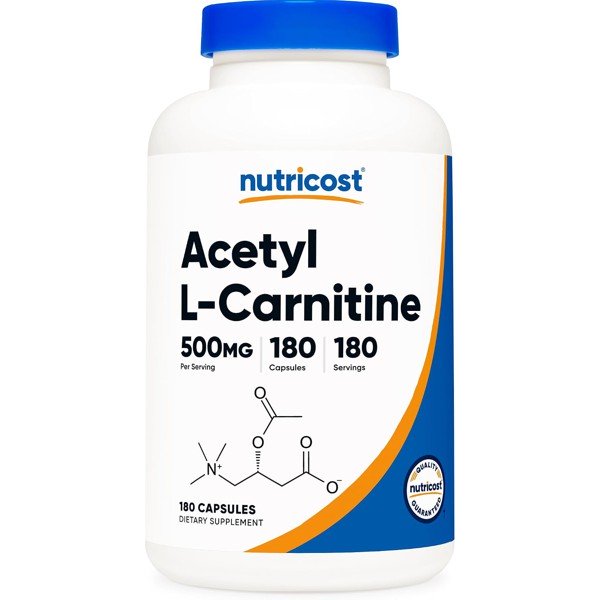
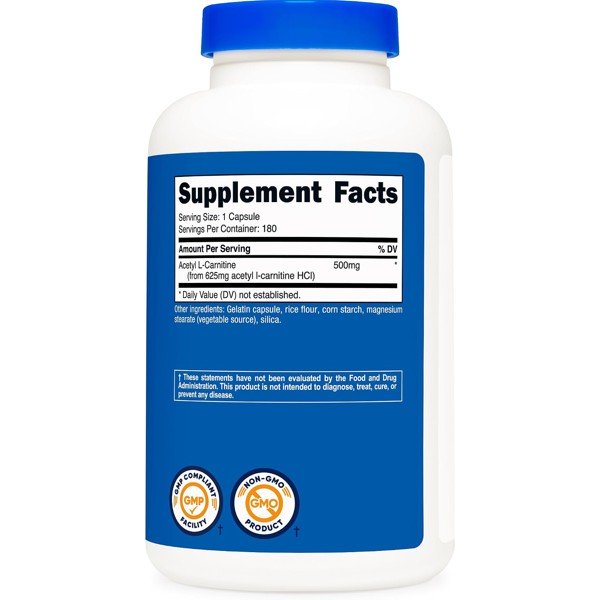
L-Carnitine is naturally produced in the body and transports fatty acids into cells’ mitochondria for energy production — the basis for its use in exercise and weight-management supplements, though results across studies are genuinely mixed rather than uniformly positive.
It’s worth being precise about the cardiovascular research specifically: gut bacteria metabolise L-carnitine into a compound called TMAO, which observational research has associated with cardiovascular risk markers including atherosclerosis. The clinical significance for supplement users remains under active investigation — a genuine area of scientific debate, not a settled “supports heart health” claim.
L-Carnitine has several real medication interactions worth knowing: it may interfere with thyroid hormone action (relevant with hypothyroidism or thyroid medication), carries a documented, rare association with increased seizure activity in people with existing seizure disorders, can potentiate warfarin’s blood-thinning effect, and people with chronic kidney disease should avoid over-the-counter carnitine without specialist guidance.