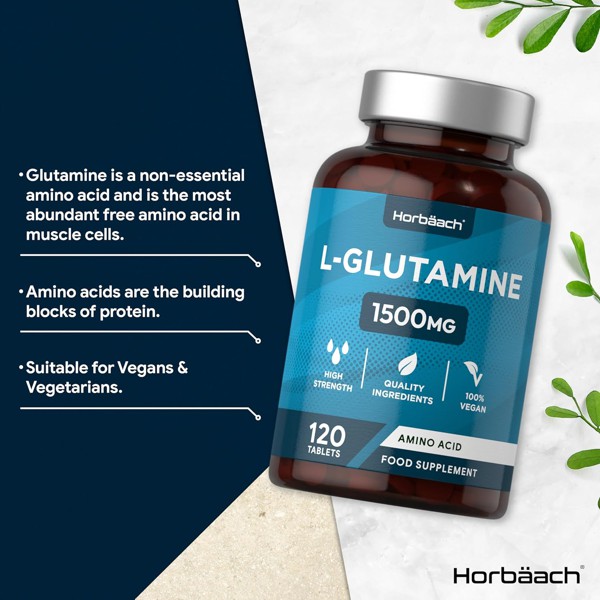
Amino acids are the building blocks of protein, and supplementation is genuinely relevant for athletes, active people, and those on plant-based diets who may find it harder to meet needs through food alone. Below you’ll find our picks across EAA and BCAA formulations, with an important, often-overlooked distinction between the two worth knowing before you choose.
Amino Acids
Immunity & Antioxidants
Amino Acids
Amino Acids
Amino Acids
Amino Acids
Amino Acids

Amino Acids
Amino Acids
Amino Acids: What Research Actually Shows
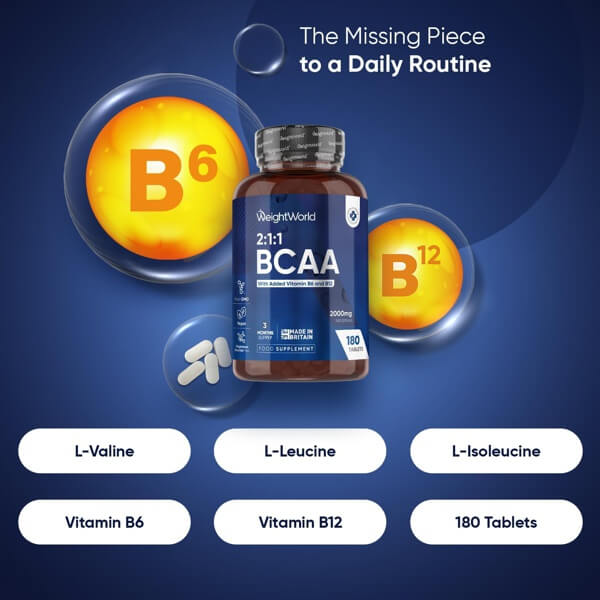
Amino acids are the building blocks of protein, and the body needs all nine essential amino acids (EAAs) — which it can’t produce itself — to support muscle protein synthesis, the process behind muscle repair and growth after exercise. Branched-chain amino acids (BCAAs) — leucine, isoleucine, and valine — are a subset of the nine EAAs, and leucine specifically is understood to be a particularly potent trigger for initiating muscle protein synthesis.
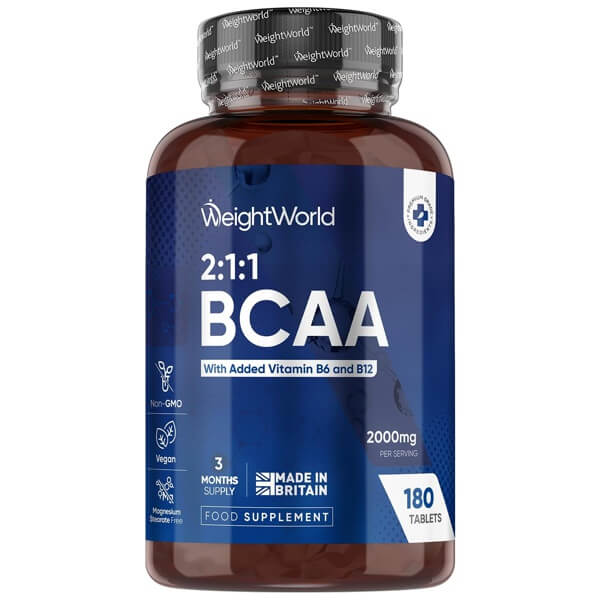
It’s worth being clear about an important, evolving piece of research here: BCAA supplements were marketed for years on the assumption that these three amino acids alone were enough to drive muscle building, but more recent research has clarified that BCAAs alone cannot fully stimulate muscle protein synthesis without the other six essential amino acids also being present — a 2017 review in the Journal of the International Society of Sports Nutrition concluded BCAAs alone don’t produce a meaningful anabolic response on their own. This is why EAA formulations (containing all nine essential amino acids) are increasingly considered the more complete, evidence-supported choice over BCAA-only products specifically for muscle protein synthesis, even though BCAAs still play a genuine signalling role within that bigger picture. Claims about BCAAs directly preventing muscle breakdown during exercise are similarly more equivocal in human research than often presented in marketing.
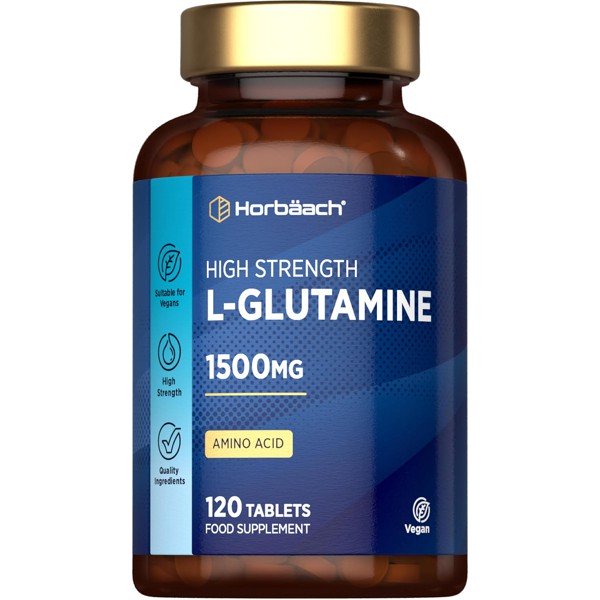
Amino acids are also relevant beyond muscle building — some, like glutamine and arginine, become “conditionally essential” during illness, stress, or intense physical exertion, when the body’s own production may not keep up with demand. General claims about amino acids “boosting immune function” are best read with some caution, since the research here relates mainly to supporting normal function during periods of genuine physical stress, not a general immune enhancement for everyone.
A note on safety: some research has explored a relationship between BCAA supplementation and insulin sensitivity markers, an area of genuine ongoing scientific debate rather than a settled concern — worth mentioning to your GP if you have diabetes or insulin resistance and take BCAA or EAA supplements regularly. People with kidney disease should discuss any amino acid or protein supplementation with their GP, given the added filtration load, and BCAAs specifically must be avoided by anyone with maple syrup urine disease, a rare inherited metabolic condition.
When choosing a product, EAA formulations with a complete amino acid profile are generally the more evidence-backed choice for muscle protein synthesis specifically, while BCAA products remain reasonable for their signalling role within a broader protein intake — either way, look for transparent labelling of individual amino acid content rather than vague “proprietary blend” totals.