Joint discomfort and bone density changes are common as we age, and a handful of nutrients — glucosamine, chondroitin, collagen, and omega-3 among them — are genuinely studied in this area, though the strength of evidence varies considerably between them. Below you’ll find our picks across joint-specific and bone-specific supplements, with honest notes on which claims are well-supported and which remain more preliminary.
Joint & Bone Health
Joint & Bone Health
Joint and Bone Health Supplements: What Research Actually Shows
Joint comfort and bone density are affected by cartilage wear, natural collagen decline, and — for bone specifically — calcium and vitamin D status, all of which become more relevant with age. Several supplements are studied in relation to these areas, though it’s worth being accurate about how strong that evidence actually is for each one.
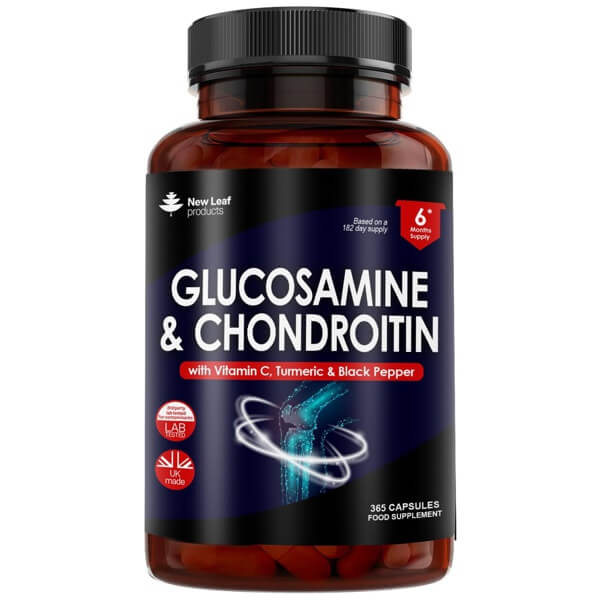
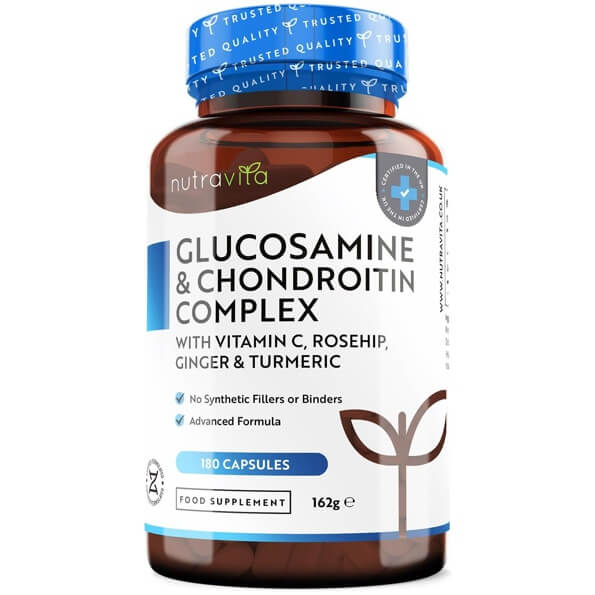
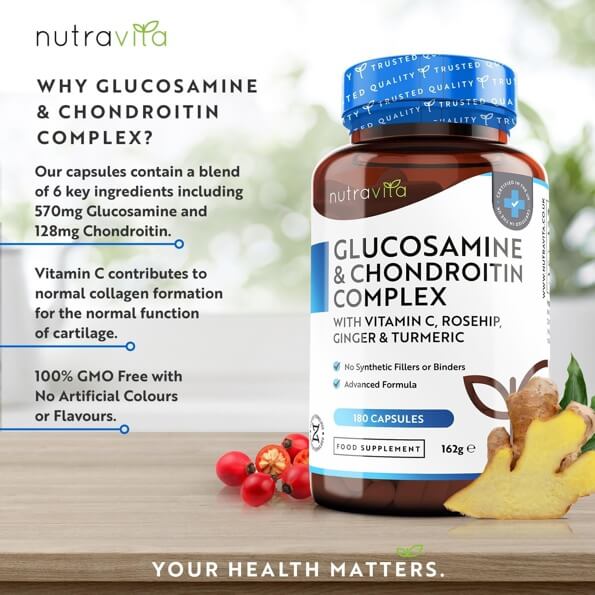
Glucosamine and chondroitin are among the most established names in joint supplementation, though the research picture is genuinely mixed — the large GAIT trial found no significant benefit over placebo for the general osteoarthritis population overall, while some subgroup analyses suggested possible benefit for moderate-to-severe knee pain specifically. This is worth knowing before expecting a guaranteed result. Collagen peptides have somewhat more consistent research behind them for joint comfort, though the strongest findings come from studies in people with diagnosed osteoarthritis specifically, rather than general age-related stiffness without that diagnosis. Omega-3 fatty acids are studied for anti-inflammatory properties relevant to joint comfort, and curcumin (turmeric’s active compound) has genuine research interest here too — though concentrated curcumin supplements have, in rare cases, been linked to liver injury, worth knowing if you’re considering it specifically for joints.
For bone health, calcium and vitamin D remain the best-established combination, with vitamin D supporting calcium absorption and both nutrients contributing to normal bone maintenance — particularly relevant in the UK given limited winter sunlight. Vitamin K2 is sometimes paired with D3 specifically for a studied role in directing calcium toward bone rather than soft tissue, though this research area is still genuinely developing rather than fully settled.
As with any joint or bone supplement, persistent or worsening joint pain, or any concern about bone density (particularly for postmenopausal women or those with a family history of osteoporosis), is worth discussing with a GP rather than self-managing indefinitely with supplements alone — a proper diagnosis changes what’s actually likely to help.