Ashwagandha (Withania somnifera) is among the more researched adaptogens for stress management, with a long history in Ayurvedic tradition and a genuinely growing body of modern clinical research behind it — covering stress, sleep, cognitive function, and athletic performance.
The root contains withanolides, the bioactive compounds thought to be responsible for many of its studied effects. Quality supplements typically standardise withanolide content, commonly in the 5-10% range, for consistency between batches.
What Research Says
Stress and Anxiety
Ashwagandha is studied for a role in regulating cortisol, a primary stress hormone. A well-known clinical trial found around a 44% improvement in Perceived Stress Scale scores after 60 days at 600mg daily — a genuinely significant finding, replicated in broad strokes by several other trials, though effect sizes vary between studies and formulations.
The herb is understood to support the body’s response to stressors more generally — physical, biological, and chemical — and many users report feeling calmer without the sedation associated with some other options.
Sleep Quality
Some research has identified compounds in ashwagandha (including triethylene glycol, studied particularly in leaf extract) associated with sleep-promoting effects; a study published in PLOS ONE found faster sleep onset and improved sleep quality compared to controls. Evening doses are thought to help via cortisol reduction, without the morning grogginess associated with some sleep aids.
Some people notice a difference within 2-4 weeks at 300-600mg before bed, though individual response varies.
Cognitive Function
Some studies report improvements in memory, attention, and processing speed with regular supplementation, alongside laboratory research into neuroprotective properties. Human studies showing measurable improvements in reaction time and task performance have generally run around 8 weeks — a reasonable, if still-developing, area of evidence.
Athletic Performance
Research, including studies published in the Journal of the International Society of Sports Nutrition, has found associations between ashwagandha supplementation and improved muscle strength and recovery markers in trained individuals, with some studies also reporting effects on aerobic capacity. Effects generally appear over 8-12 weeks of consistent use at 600mg-1,000mg+ daily alongside regular training — this isn’t a substitute for training itself, but a possible complement to it.
A Note on Hormonal Effects
Ashwagandha is studied for effects on the hypothalamic-pituitary-adrenal (HPA) axis, the body’s stress hormone system, and some research has explored effects on thyroid hormone levels and reproductive hormones. This cuts both ways: it’s part of why ashwagandha is of genuine research interest, but it’s also why it needs real caution for certain people — particularly anyone with a thyroid condition or taking thyroid medication, since ashwagandha can meaningfully shift thyroid hormone levels rather than simply “optimising” them. See the safety section below before considering ashwagandha if this applies to you.
Immune-Related Research
Some laboratory research has explored ashwagandha’s effects on immune cell activity and inflammatory markers. This is a less established area than the stress and sleep research above, and shouldn’t be read as a general immune-boosting guarantee.
Choosing Your Ashwagandha Supplement
As a general starting point by goal: stress and anxiety are commonly addressed with KSM-66 formulas around 600mg daily; sleep support with an evening KSM-66 dose of 300-600mg before bed; athletic performance with higher-strength formulas of 1,000mg+ daily (worth discussing with your GP if you’re combining with intensive training and other supplements); and general wellbeing with standard formulas around 600mg daily. These are general starting points based on how ashwagandha is typically studied for each use, not a personalised prescription — individual needs vary, and higher doses in particular are worth a GP conversation first.
Whichever you choose, a few quality markers are worth checking: standardised withanolide content (commonly 5-10%), root-only extracts (generally preferred for the research base behind them, versus root + leaf blends), organic certification where available, third-party testing, and clear, specific dosage information.
Top UK Ashwagandha Supplements
1. KSM-66 Ashwagandha for Stress Relief
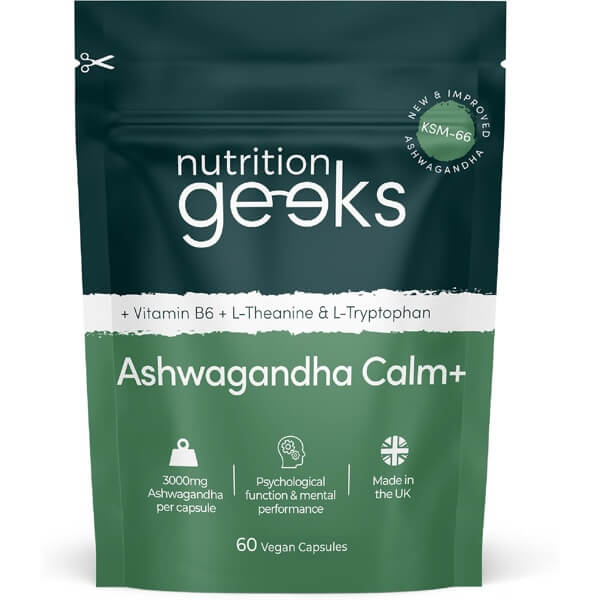
A full-spectrum root extract with a substantial body of clinical research behind it, standardised to a minimum 5% withanolides. Look for products offering 600-1,000mg per serving in vegetarian capsules, with organic certification if that matters to you.
2. High-Strength Organic Ashwagandha
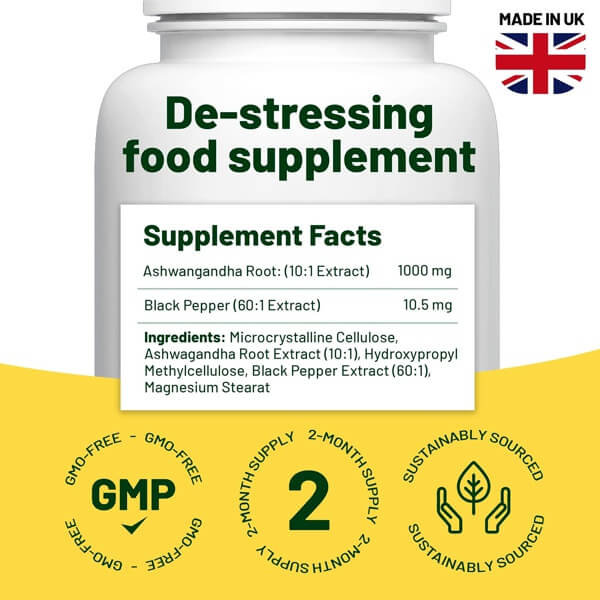
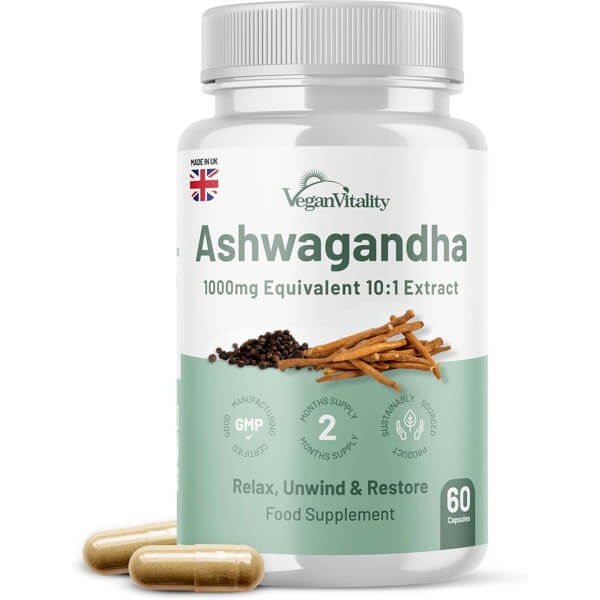
A more concentrated option for higher stress levels or performance-related goals, using root-only extract. Look for 1,000mg+ per serving, withanolide content in the 5-10% range, and organic certification.
Adaptogens
3. Organic KSM-66 with Withanolides
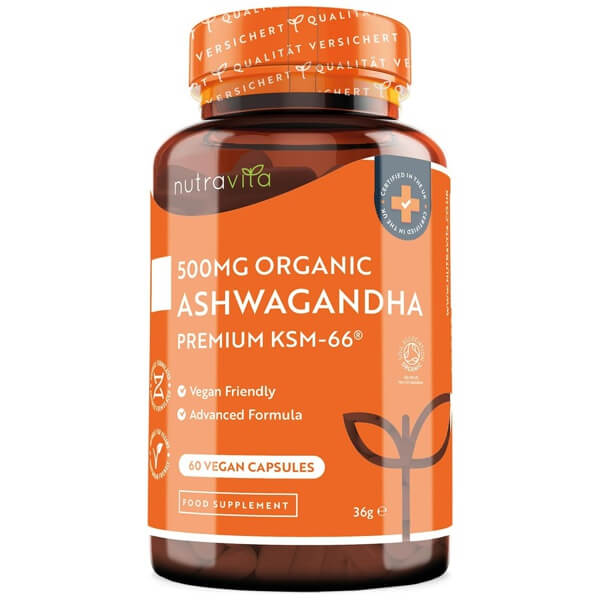
Combines organic certification with the clinically-studied KSM-66 extract specifically, using a gentler extraction process intended to preserve a fuller range of compounds. Look for clearly labelled withanolide content and root-only sourcing.

4. Enhanced Absorption Formula
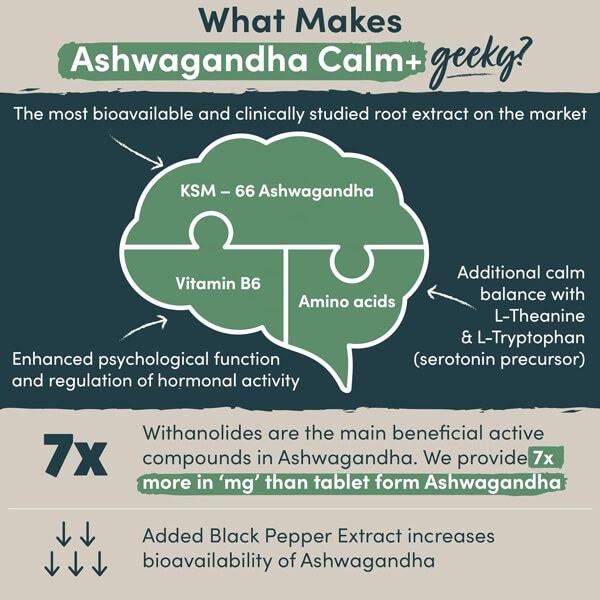
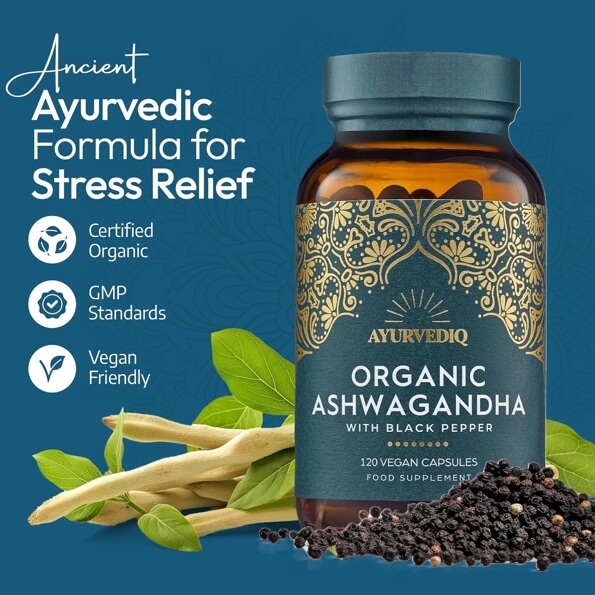
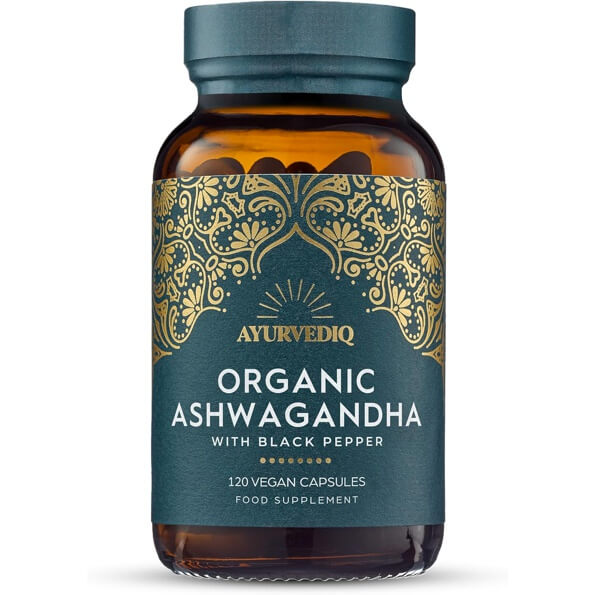
Black pepper extract (piperine/BioPerine) is well-documented in research to improve absorption of various compounds significantly — a well-known 1998 human study found up to a 2,000% increase in bioavailability for a different compound (curcumin), and piperine is included in some ashwagandha formulations on similar grounds, following traditional Ayurvedic pairing practice. Look for organic ashwagandha paired with a reasonable, clearly stated black pepper/piperine dose.
5. Adaptogen Combination Formulas
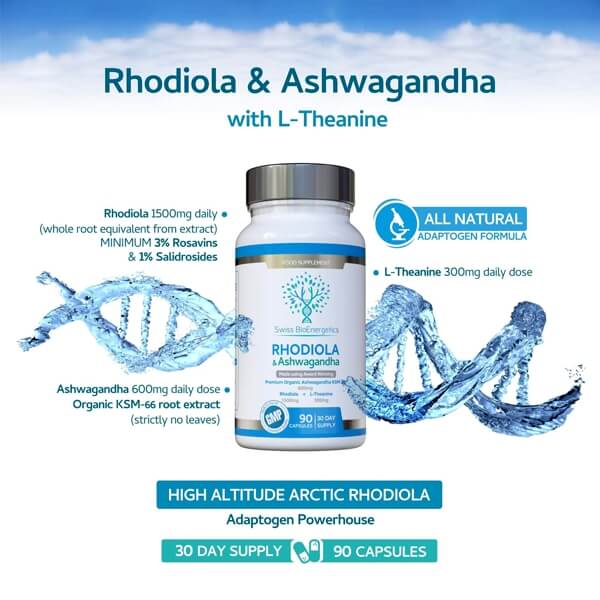
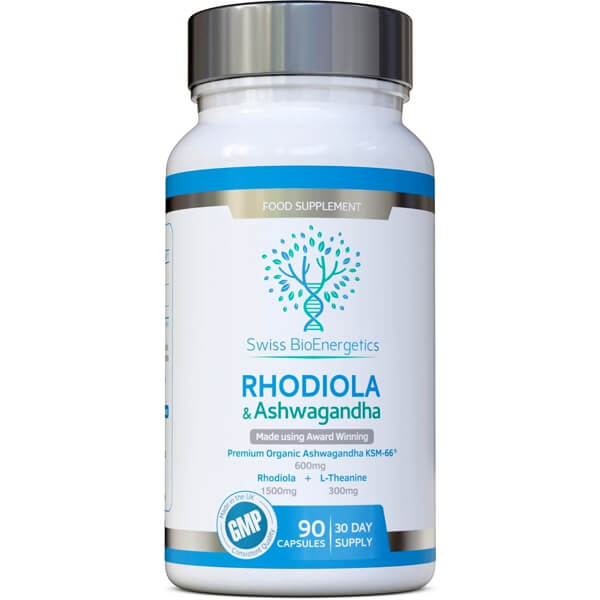
Multi-adaptogen blends combine ashwagandha with other researched compounds — rhodiola is studied for mental clarity and energy, ashwagandha for stress and calm, and L-theanine for relaxation without drowsiness. Look for formulas that state clinically relevant doses for each ingredient (not token amounts) and explain their reasoning for combining them.
Vitamins & Minerals
Dosage Guidelines
For anyone starting out, 300-500mg daily is a reasonable entry point, moving to a standard 600mg daily for general use, and 1,000mg+ daily for higher stress or performance goals, ideally discussed with your GP first. Some people prefer split dosing — morning and evening — if they’d rather spread the effect across the day.
Safety Considerations
Ashwagandha is generally well tolerated by most healthy adults, but there are some important exceptions. Avoid it if you’re pregnant or breastfeeding, or if you’re managing an autoimmune condition, given its immune-modulating properties. If you take thyroid medication, have a diagnosed thyroid condition, or take immunosuppressants, speak to your GP before starting — as noted above, ashwagandha’s effect on thyroid hormones is a genuine reason for caution, not just a footnote.
Rare side effects include digestive upset, drowsiness, or headaches. Starting with a lower dose and increasing gradually is a sensible approach for anyone new to it.
Getting the Most From It
A few things help: pairing it with stress-management practices like meditation, yoga, or breathing exercises; for sleep support, keeping a consistent schedule and taking your evening dose 1-2 hours before bed; supporting overall wellbeing with balanced nutrition — whole foods, adequate protein, healthy fats; regular exercise, which tends to complement ashwagandha’s stress-related effects; and considering reduced caffeine intake, particularly if you’re using ashwagandha for sleep.
Timeline for Results
Most people notice initial stress relief and sleep improvements, where they occur, within 2-4 weeks. Cognitive and performance-related changes are generally based on around 8 weeks of research, and where hormonal or broader wellbeing effects have been studied, 12+ weeks is roughly the timeframe involved — not a guarantee of a specific outcome. Consistency matters more than any single dose — taking it at a similar time daily and tracking how you’re doing (stress levels, sleep, performance) weekly makes it easier to judge whether it’s actually helping.
Your Next Steps
- Identify your primary goal (stress, sleep, performance, general wellbeing)
- Choose a supplement type suited to that goal from the options above
- Check quality markers — standardisation, sourcing, third-party testing
- Start with a sensible dose for your goal, rather than jumping to the highest amount
- Commit to 8-12 weeks of consistent use before judging results
- Track your progress weekly
Choose products from reputable manufacturers, and speak to your GP before starting if you have an existing health condition or take regular medication — particularly thyroid medication, given the note above.
Disclaimer: This article provides information only and does not constitute medical advice. Always consult a qualified healthcare professional before starting any new supplement, particularly if you have a thyroid condition, autoimmune condition, or take regular medication.