
A Significant Safety Finding Worth Knowing
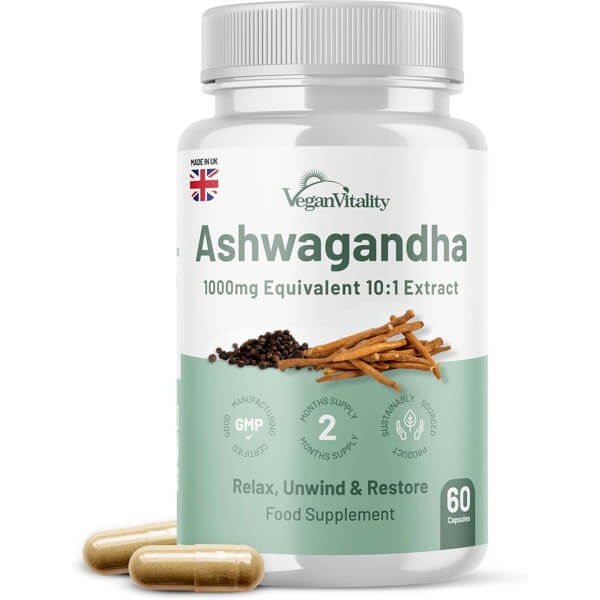
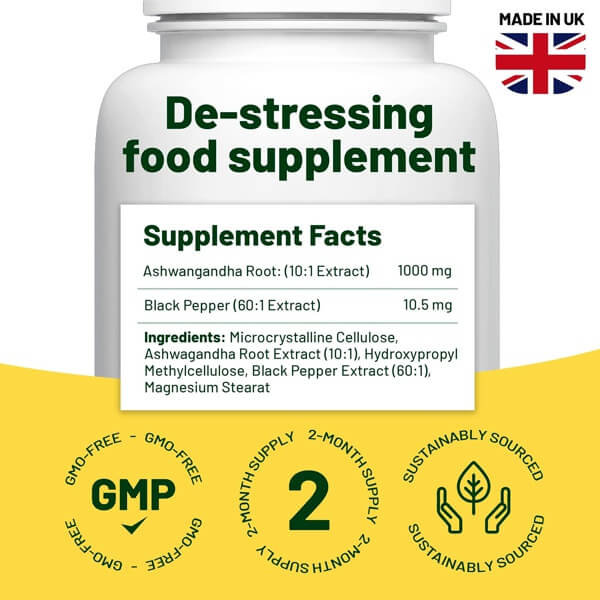
This product provides a 10:1 ashwagandha extract equivalent to 1000mg, which does fall within the 240-1250mg range studied in a 2021 systematic review of seven clinical trials — though it’s worth knowing that most individual trials, and the most commonly cited “sweet spot,” use 300-600mg specifically; 1000mg sits toward the higher end of the studied range rather than the most typical dose.
It’s important to share a safety finding that goes beyond what’s covered even in our own complete guides: a 2020 case series published in Liver International documented 10 cases of ashwagandha-associated liver injury (5 from Iceland, 5 from the US Drug-Induced Liver Injury Network), with a median onset of around 4 weeks after starting, and one patient requiring evaluation for liver transplant. The NIH’s official LiverTox database now rates ashwagandha’s hepatotoxicity potential as “Probable.” This appears to be rare relative to the very large number of people who take ashwagandha without issue, and a 2021 randomised trial specifically testing 1,000mg daily for 30 days found no significant changes in liver enzymes — but the case reports are real and worth taking seriously. If you notice unusual fatigue, yellowing skin or eyes, dark urine, nausea, or abdominal pain after starting ashwagandha, stop taking it and see your GP promptly, and mention ashwagandha specifically if you have any pre-existing liver condition or drink alcohol regularly, given the added burden on liver processing.
Ashwagandha is also genuinely well-researched for cortisol reduction and stress-related outcomes specifically — the mechanism described in this product’s marketing is accurate, and sleep improvements have been observed at 600mg or more over at least 8 weeks in research.
The thyroid consideration remains the other key safety point for ashwagandha: it can affect thyroid hormone levels, so if you have a thyroid condition or take thyroid medication, this needs a GP conversation before starting.
Many integrative practitioners recommend cycling ashwagandha (8-12 weeks on, 4 weeks off) as a precautionary measure, though this is not itself evidence-based — it’s a conservative approach some choose to take.
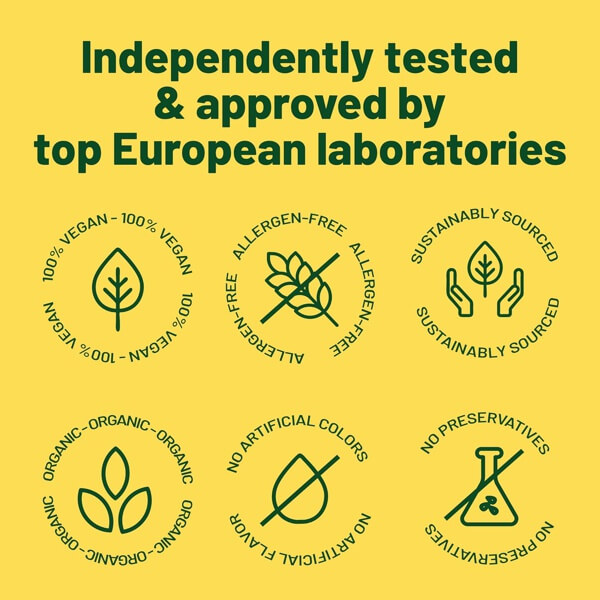
Manufactured in the UK, vegan, free from common allergens. Speak to your GP before starting if you have a thyroid condition, an existing liver condition, drink alcohol regularly, are pregnant, breastfeeding, or take regular medication — and stop use and seek medical attention if you notice any signs of liver-related symptoms.
The Research Behind This Product

Mood & Stress Support
Ashwagandha Benefits: What UK Research Actually Shows
What research shows about ashwagandha for stress, sleep and performance — plus an important, often-overlooked note on its effect on thyroid hormones.
Get the Full Guide