Whether you’re preparing for exams, managing a demanding job, or simply hoping to stay sharp as you age, brain health is a genuinely reasonable thing to pay attention to. This guide looks at what research actually supports among the supplements most commonly discussed for cognitive function — and what’s still more promise than proof.
Understanding Cognitive Health
Cognitive health covers memory, focus, learning, and problem-solving, and a wide range of factors influence it well beyond any single supplement — diet, physical activity, sleep quality, stress management, social engagement, and mental stimulation all play genuine, well-evidenced roles. Supplements are, at most, an addition to that foundation, not a substitute for it.
What the Evidence Actually Shows
There’s no magic pill for brain health — good nutrition, exercise, sleep, moderating alcohol, and staying socially engaged remain the interventions with the strongest, most consistent evidence behind them, a point worth keeping in mind before reaching for any supplement discussed below.
That said, some genuine research exists for specific approaches. A large, NIH-funded trial (the COSMOS study) found that older adults taking a daily multivitamin showed modestly higher scores on measures of global cognition, episodic memory, and executive function compared to those who didn’t, with the effect more pronounced in people with a history of cardiovascular disease — a genuinely interesting, well-designed finding, though it applies specifically to a general multivitamin, not the more specialised “nootropic” supplements covered later in this guide.
More broadly, it’s worth being honest that many brain supplements have uncertain evidence for their more ambitious claims. Where benefit does show up most reliably, it’s often in people who already have a nutritional deficiency or existing cognitive decline — correcting a genuine shortfall — rather than a general enhancement effect for people who are already getting what they need. Strong evidence from large, rigorous trials remains limited across most of this category.
Nutrients With a Role in Brain Health
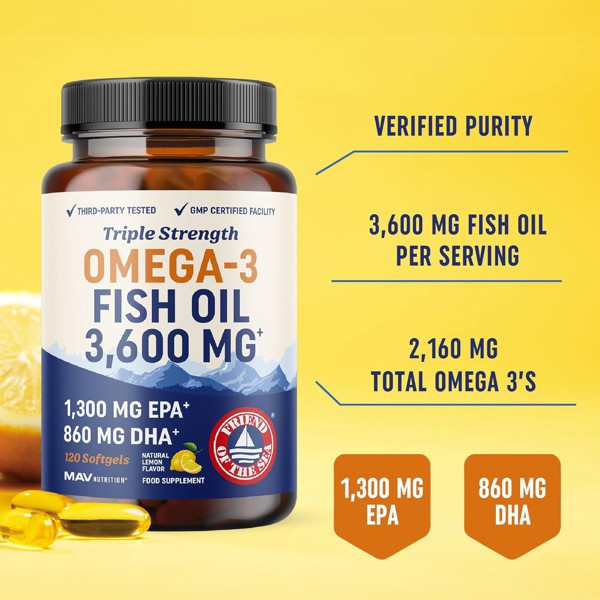
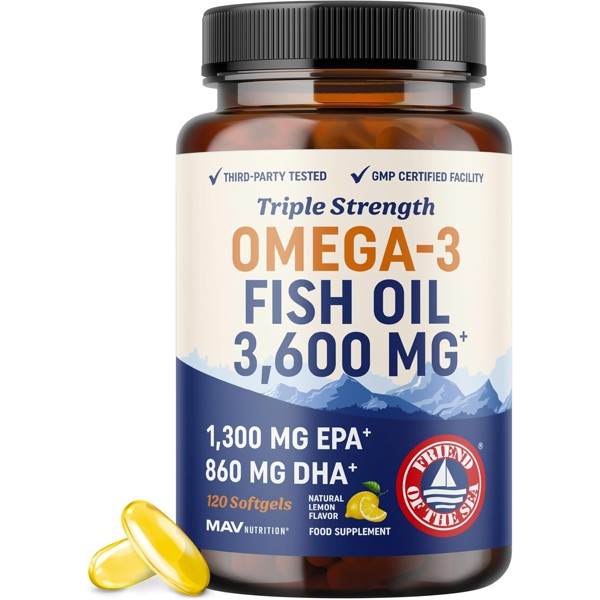
DHA, an omega-3 fatty acid, makes up around 40% of the omega-3 content in brain tissue and is understood to support brain structure and function, with some anti-inflammatory properties too. A 2022 systematic review found DHA supplementation associated with improved measures of thinking skills across the studies reviewed. Fish oil is the standard source; algae-derived omega-3 is a suitable plant-based alternative for those who need one.
Omega-3 & Fatty Acids
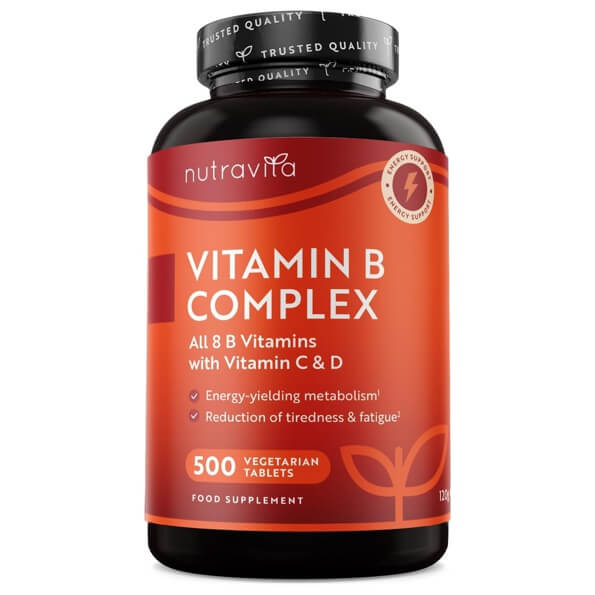
B vitamins — particularly B6, B12, and folate — play a genuine role in brain function, partly through managing homocysteine, an amino acid that’s linked to cognitive decline and neurodegenerative conditions when chronically elevated. Alongside vitamin D, iron, and magnesium, B vitamins are among the more consistently important nutrients for cognitive health specifically, and fatigue or brain fog are common symptoms when any of these run low — worth checking with a GP if you’re experiencing either persistently, rather than assuming a supplement will fix it without knowing the cause.

Vitamins & Minerals
The brain is particularly vulnerable to oxidative stress, which is why antioxidants — vitamin E, vitamin C, various flavonoids, and CoQ10 among them — are studied for a protective role, neutralising free radicals that would otherwise damage brain cells over time.
Supplements Worth Knowing About
Bacopa Monnieri (Brahmi)
This traditional Ayurvedic herb has attracted genuine modern research interest. Several clinical studies suggest Bacopa may improve memory retention and recall, particularly in older adults, and systematic reviews have found reasonably consistent support for cognitive benefits with sustained use — one of the better-evidenced herbs in this category. Look for standardised extracts stating bacoside content specifically, since bacosides are considered the primary active compounds.
Bacopa’s interaction profile is genuinely more significant than a brief mention conveys, and worth detailing properly: animal research suggests it may raise thyroid hormone (T4) levels, so it should be used cautiously or avoided with hyperthyroidism or thyroid medication. It also inhibits several liver enzymes (CYP1A2, CYP2C9, CYP3A4, CYP2C19) involved in metabolising many other medications — worth mentioning to your GP or pharmacist if you take any regular medication, not just thyroid treatment. It can interact with anticholinergic drugs and worsen bradycardia, relevant if you have asthma, COPD, peptic ulcer disease, or a urogenital obstruction. It’s generally recommended to stop Bacopa at least two weeks before any planned surgery, and to avoid it during pregnancy and breastfeeding. Mild digestive upset is the most commonly reported general side effect, generally reduced by taking it with food.
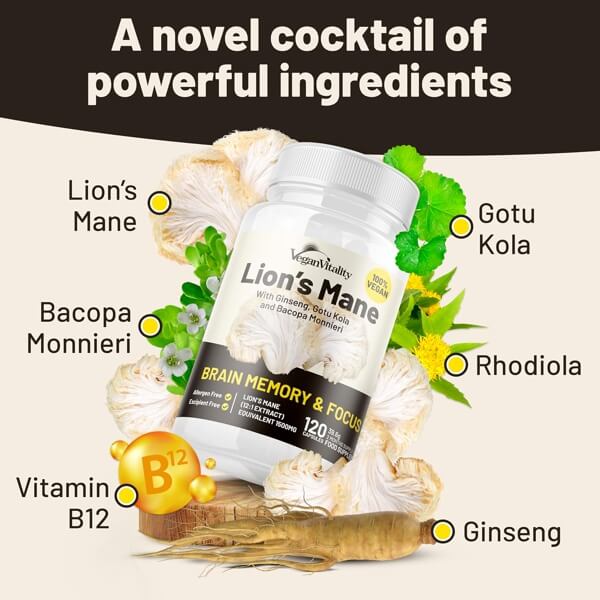
If you’re considering a blended “brain complex” product that includes Bacopa alongside other herbs, check whether individual ingredient doses are actually disclosed — blends that don’t state specific amounts make it genuinely harder to assess against the doses used in the research above, and mean several distinct sets of interactions (one per herb) can apply at once without you necessarily realising it.
Lion’s Mane Mushroom
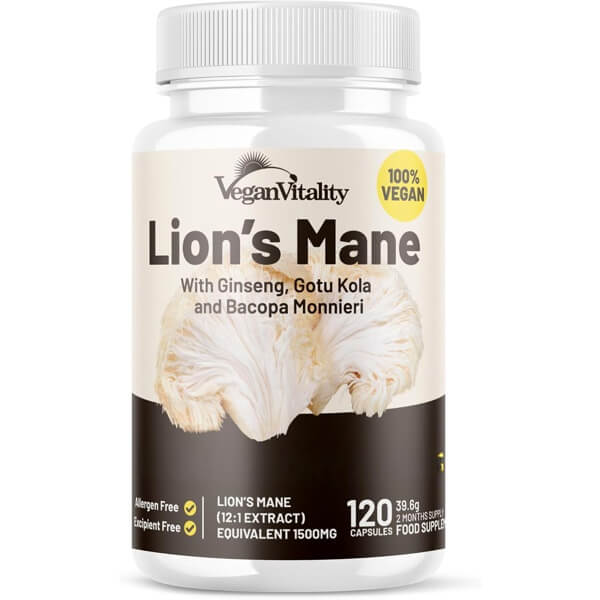
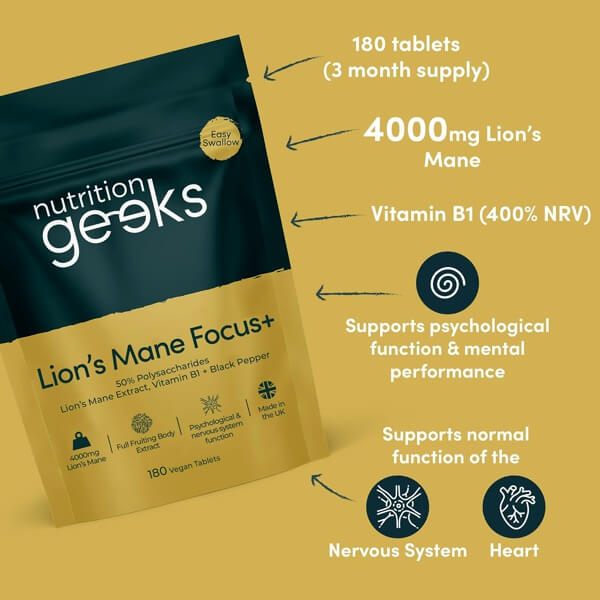
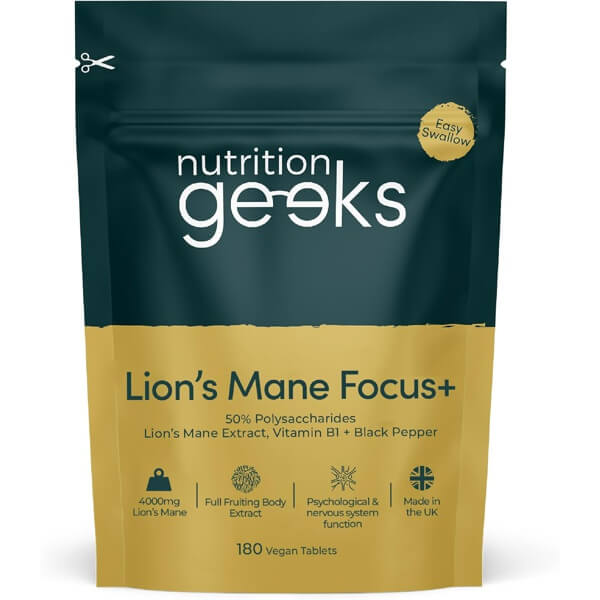
Lion’s Mane is studied for stimulating nerve growth factor (NGF), a protein involved in maintaining and repairing nerve cells — a genuinely interesting mechanism, though it’s important to be precise about what the research currently shows: most of this evidence comes from laboratory and animal studies, not large human trials, and it hasn’t been established as protection against any specific neurodegenerative disease in people. Within that more limited context, some smaller human studies have explored effects on concentration and general cognitive function, which is a reasonable area of ongoing interest rather than a settled outcome.
Phosphatidylserine
This phospholipid is a major component of cell membranes and is particularly concentrated in brain tissue. As a supplement, it’s studied for memory, cognitive performance under stress, and attention, with research suggesting it may be particularly relevant for older adults experiencing mild cognitive impairment specifically — a diagnosis worth confirming with a GP rather than assumed from general forgetfulness, since MCI has established clinical criteria.
Ginkgo Biloba
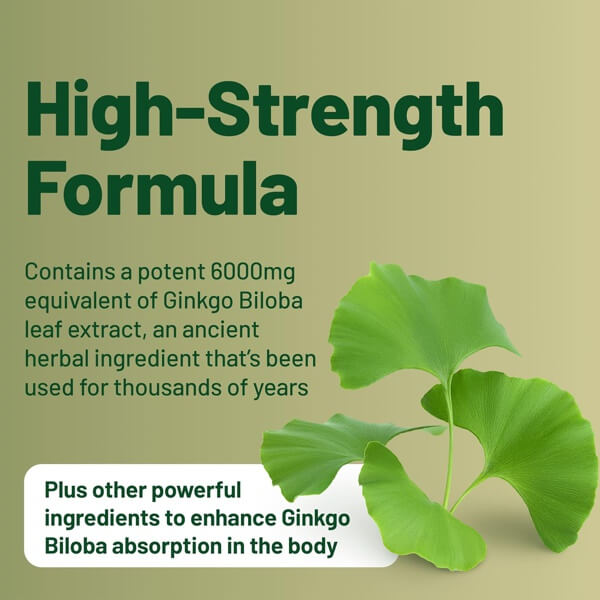
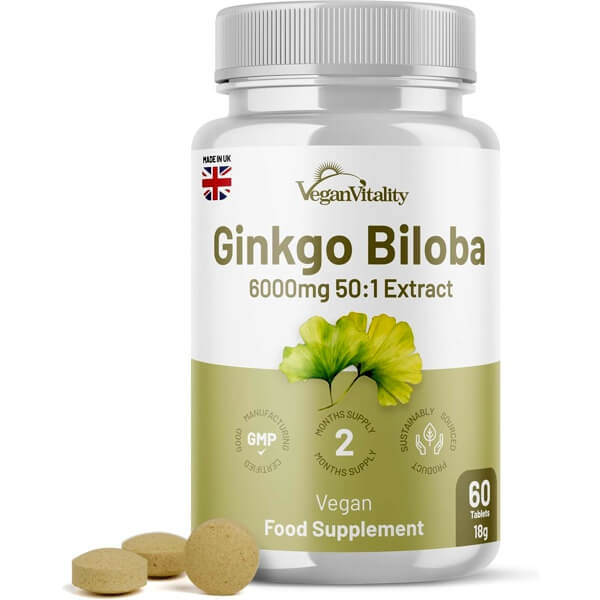
One of the oldest living tree species, Ginkgo has a long history in traditional medicine, though modern clinical results have genuinely been inconsistent — some research links it to improved thinking skills in healthy middle-aged adults, and a 2020 research review found that 240mg daily for 24 weeks may improve cognitive function specifically in people with mild dementia. It’s studied for improving cerebral blood flow, memory, cognitive speed, and antioxidant protection, though the overall picture remains more mixed than settled.
An important safety point that’s easy to overlook: Ginkgo has genuine blood-thinning properties and is one of the more well-documented herbal supplements for interacting with anticoagulant and antiplatelet medication, increasing bleeding risk. If you take blood thinners, have a bleeding disorder, or have surgery scheduled, this is a conversation for your GP before starting Ginkgo, not an afterthought.
Herbal Supplements
Curcumin
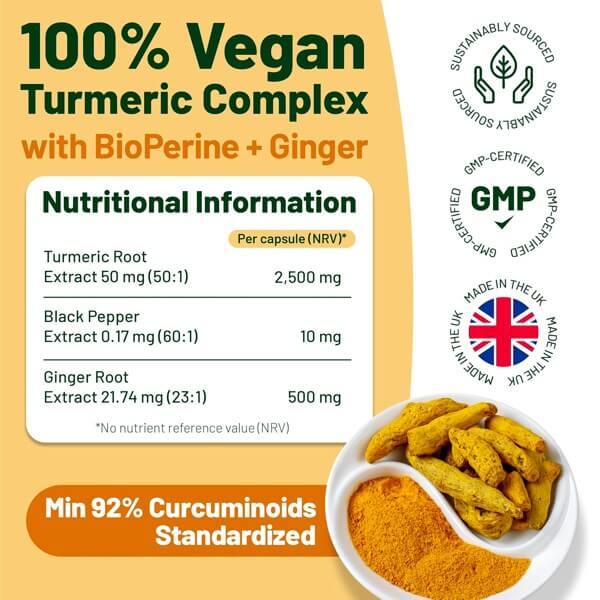
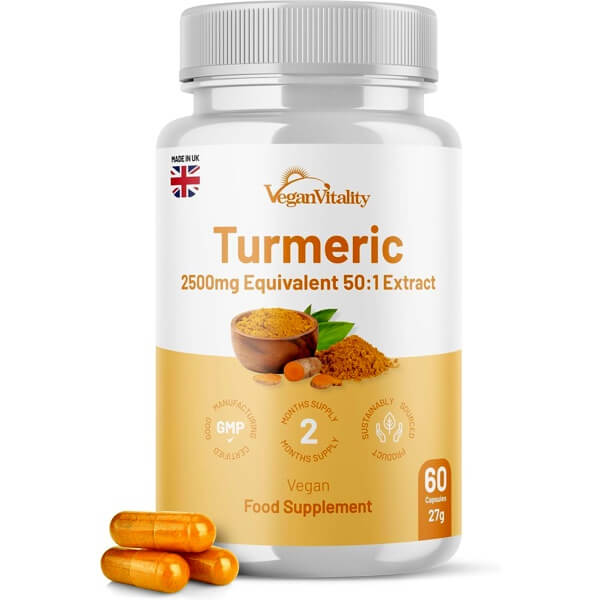
Turmeric’s active compound is studied for anti-inflammatory and antioxidant properties relevant to brain health, though natural curcumin absorbs poorly on its own, which is why formulations with enhanced bioavailability (often paired with black pepper extract) are generally recommended if you’re specifically trying curcumin for this purpose. Research explores possible roles in neuroinflammation, memory, and mood, though — as with several supplements in this guide — much of this remains an active research area rather than a settled conclusion.
Worth knowing: concentrated curcumin supplements have, in rare cases, been linked to documented instances of liver injury. This appears uncommon, but if you notice unusual fatigue, yellowing skin or eyes, or dark urine after starting curcumin, stop and see your GP. Our complete turmeric guide covers this in more detail.
Traditional Herbs
Safety Considerations Across This Guide
Given how many active compounds are covered here, it’s worth gathering the key interaction points in one place: Ginkgo’s blood-thinning effect is the single most important one to know if you’re on anticoagulant or antiplatelet medication. Bacopa’s interaction profile is broader than it might first appear — thyroid hormone levels, several liver enzymes involved in medication metabolism, and anticholinergic drugs are all relevant, alongside its sedative-adjacent effect worth knowing about if you’re already on medication with a similar profile. Curcumin carries the rare liver risk noted above and, like Ginkgo, has mild blood-thinning properties worth knowing about if you’re already on medication with a similar effect. If you’re considering combining several of these supplements at once — not uncommon in this category, particularly with blended “brain complex” products that combine Bacopa with other herbs — a GP conversation about your full list is more useful than checking each one in isolation.
Building a Sensible Approach
Quality matters more than exotic ingredients — look for GMP-compliant manufacturers with third-party testing, regardless of which specific supplement you’re considering. It’s generally more sensible to start with the fundamentals — a quality multivitamin, omega-3, and vitamin D (particularly relevant in the UK given limited sunlight) — before exploring more specialised nootropics, since correcting a genuine gap tends to matter more than adding something on top of an already-adequate baseline. Individual needs vary considerably by age, existing health conditions, current medication, and the specific cognitive concern you’re addressing, so a conversation with a GP or pharmacist before starting is worth the ten minutes it takes, especially if more than one of the supplements above interests you.
Lifestyle Factors That Matter at Least as Much
A Mediterranean-style diet — rich in fruit, vegetables, whole grains, fish, and olive oil — is consistently associated with better cognitive function and lower dementia risk in research, arguably the single most evidence-backed “brain intervention” covered in this guide. Regular physical activity increases blood flow to the brain and supports the growth of new neurons; quality sleep is when the brain clears metabolic waste and consolidates memories; and ongoing mental stimulation — learning new skills, puzzles, generally staying intellectually engaged — helps build what researchers call cognitive reserve.
Chronic stress is understood to accelerate brain ageing, which is part of why stress management — meditation, mindfulness, or simply addressing major stressors directly — has genuine protective relevance. Adaptogens like rhodiola are sometimes discussed here too, given research suggesting a role in reducing mental fatigue under pressure, though as covered in more detail in our dedicated rhodiola guide, this is a supporting factor alongside stress management, not a replacement for it.
Being Realistic About Timelines
Many brain-support supplements show their clearest effect in people who have an existing deficiency or diagnosed cognitive concern, rather than as a general enhancer for people who are already doing fine — worth knowing before expecting a dramatic result. Where benefits do appear, they typically develop over weeks or months of consistent use, not overnight, and tracking how you’re doing (memory, focus, general clarity) over that period is more useful than judging after a few days.
When to See a Doctor
Speak to a healthcare professional before starting any of the supplements above if you have an existing health condition, take prescription medication (particularly blood thinners or thyroid medication), experience sudden cognitive changes, or have specific, persistent concerns about memory or focus — sudden changes in particular deserve proper medical assessment rather than a supplement-first approach.
Final Thoughts
No supplement guarantees protection against cognitive decline, but a reasonable body of research supports specific nutrients and herbal extracts as part of a broader approach to brain health — provided expectations stay realistic and safety considerations, particularly Ginkgo’s bleeding risk, Bacopa’s broad interaction profile, and curcumin’s rare liver risk, are taken seriously rather than treated as fine print.
Combined with the lifestyle fundamentals covered above — which carry the strongest evidence of everything in this guide — thoughtfully chosen supplements can be a reasonable part of a proactive approach to staying sharp for longer.
Disclaimer: This article is for informational purposes only and does not constitute medical advice. Always consult your GP before starting a cognitive health supplement, particularly if you take blood-thinning or thyroid medication, or have an existing health condition.