
Morning stiffness, discomfort after activity, reduced range of motion — these changes affect an estimated 18.8 million people across the UK in some form. Joints rely on cartilage, synovial fluid, ligaments, and tendons working together for smooth movement, and age, wear, and inflammation can all affect this system over time.
This guide looks at what current research actually supports among the joint health supplements available in the UK — including where the evidence is more mixed than marketing might suggest.
Understanding Joint Problems
A few overlapping issues tend to affect joint comfort and mobility: cartilage naturally wearing down over time, reduced synovial fluid (the joint’s natural lubrication), inflammation (whether chronic or from acute injury), weakening connective tissue in tendons and ligaments, and bone density changes that can affect joint alignment.
Supplements With a Reasonable Evidence Base
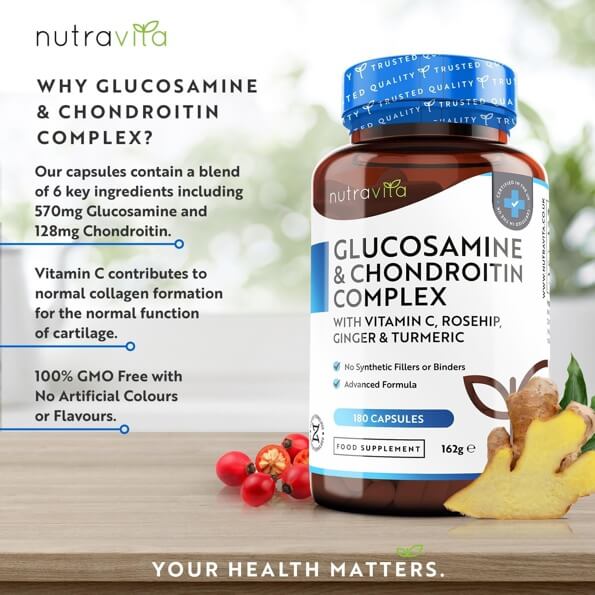
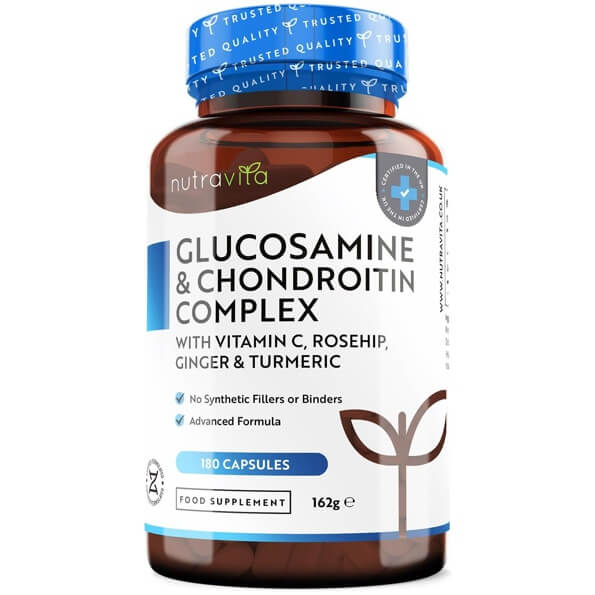
Glucosamine & Chondroitin
Glucosamine is an amino sugar the body uses to help build glycosaminoglycans, a major component of cartilage; chondroitin is thought to help attract water into joint tissue, supporting cushioning. Commonly researched doses are around 1,500mg glucosamine and 1,200mg chondroitin daily, typically requiring 8-12 weeks of consistent use before assessing any effect.
It’s worth being upfront that the research picture here is genuinely mixed rather than uniformly positive — some systematic reviews have found glucosamine sulfate helpful for knee osteoarthritis symptoms, while other, larger trials have shown more modest or inconsistent results. This is one of the more researched joint supplements, but “well-researched” and “consistently effective for everyone” aren’t the same thing.
Vitabiotics JointAce Advanced Formula combines glucosamine and chondroitin with supporting nutrients, manufactured in Britain.
Joint & Bone Health
MSM (Methylsulfonylmethane)
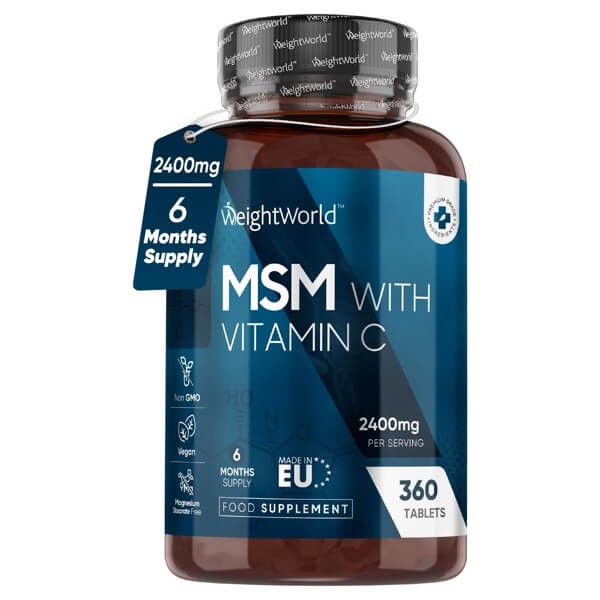
MSM is an organosulfur compound often combined with glucosamine and chondroitin, or taken alone, for cartilage-related support. It’s worth being accurate about the joint-related evidence specifically: a 2011 meta-analysis of MSM and the related compound DMSO found no statistically or clinically significant reduction in osteoarthritis pain, while several individual randomised trials — including more recent ones — have found meaningful improvements in knee pain and stiffness measures. This is a genuinely mixed picture, similar in character to glucosamine and chondroitin above — reasonable to try, but not settled, confident support.
Research doses generally fall within a 1,000-3,000mg daily range. On safety, a 16-week randomised trial at 6g daily found no changes in liver or kidney function, reassuring for standard dosing. Some literature has noted unconfirmed reports of increased blood pressure, altered liver enzyme readings, and enhanced effects of anticoagulant medication — worth mentioning to your GP if you take blood thinners or have an existing liver or kidney condition, even though these reports remain unproven rather than well-established risks.

Beauty & Skin Support
MSM 2400mg with Vitamin C for Joint & Bone Support 360 Vegan Tablets
Collagen Peptides
Collagen makes up a substantial portion of the body’s protein and is a major structural component of tendons, ligaments, and joint cartilage — natural production is understood to decline gradually from around age 25.
Several genuine randomised, placebo-controlled trials have studied hydrolysed collagen peptides in athletes and physically active adults with joint discomfort, generally finding statistically significant reductions in activity-related pain compared to placebo over 8-24 week periods — a reasonably solid, if still developing, evidence base compared to many other joint supplements. Exact effect sizes vary between studies and formulations, so it’s worth treating any single specific percentage with some caution.
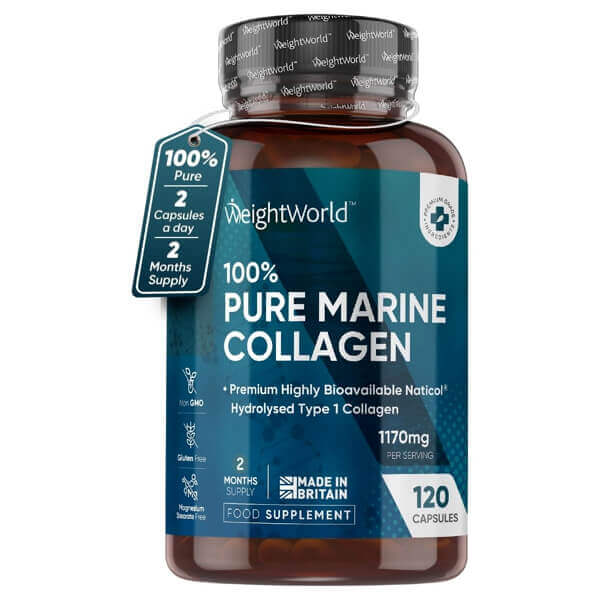
Ingenious Active offers a British-made collagen supplement for joint health, with added vitamin C to support the body’s own collagen synthesis — some users report changes beginning around 4-6 weeks, though this varies individually.

Beauty & Skin Support
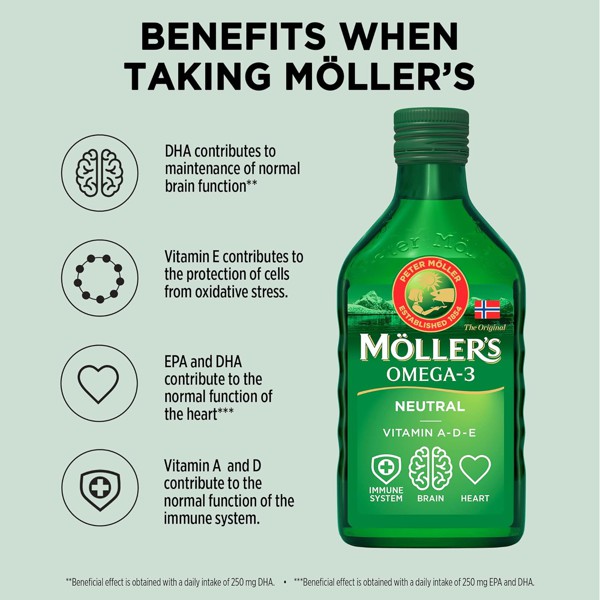
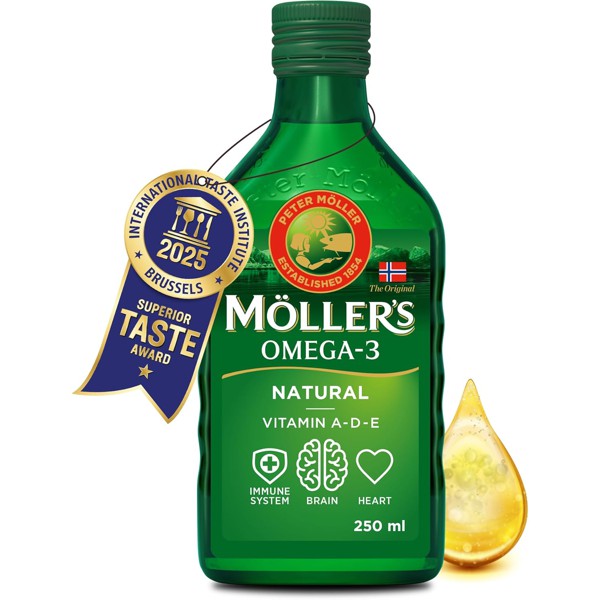
Omega-3 Fatty Acids
EPA and DHA from fish oil are studied for a role in modulating inflammatory processes throughout the body, including joint tissue. Some of the more specific research on morning stiffness and mobility comes from studies of people with diagnosed inflammatory joint conditions like rheumatoid arthritis, rather than general age-related joint wear — a useful distinction, since the underlying mechanism (reducing inflammation generally) is relevant either way, but the strength of evidence differs between those two situations.
For general joint support, look for at least 1,000mg combined EPA/DHA daily, molecular distillation for purity, and sustainable sourcing.
Omega-3 & Fatty Acids
Turmeric/Curcumin
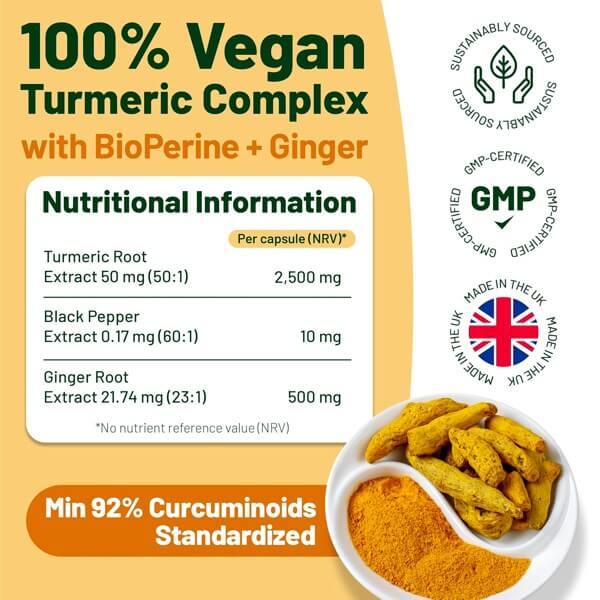
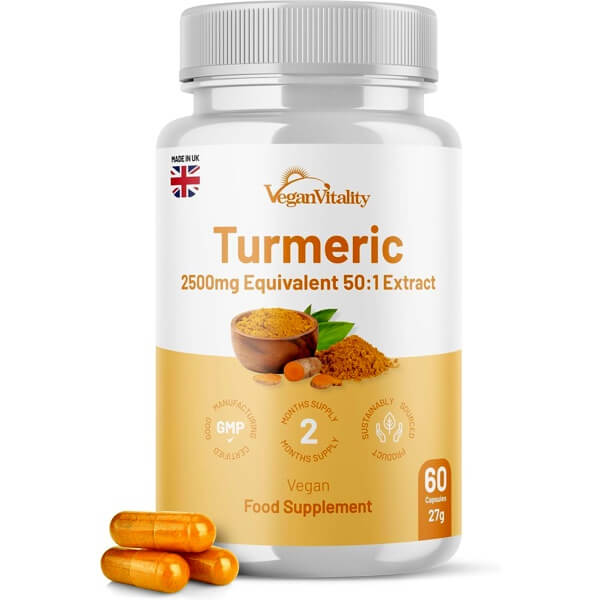
Curcumin, turmeric’s active compound, has been studied fairly extensively for its role in inflammation, though natural curcumin is poorly absorbed on its own. Pairing it with black pepper extract (piperine) is well-established in research to significantly improve absorption — a well-known 1998 study found piperine could increase curcumin bioavailability by up to 2,000% in humans, which is why most quality curcumin supplements include it. Our complete turmeric guide covers a genuine safety point worth knowing before starting a concentrated curcumin supplement for joint support.
Nutravita Turmeric and Black Pepper provides 1,340mg turmeric per serving with standardised 95% curcuminoid content, made in Britain. Some people notice a difference within 2-3 weeks, though as with the other supplements here, individual response varies.
Traditional Herbs
Combining Supplements
A few combinations come up often in research and practice: collagen alongside vitamin C, since vitamin C plays a role in the body’s own collagen synthesis; glucosamine, chondroitin, and MSM together for broader cartilage-related support; and omega-3 with curcumin, addressing inflammation through different mechanisms. None of these combinations are guaranteed to outperform single ingredients for every individual, but they’re reasonable starting points if you’re exploring more than one option.
Lifestyle Factors That Matter
Supplements tend to work best alongside a few well-evidenced habits. Weight matters mechanically — every extra kilogram places roughly 4kg of additional pressure on the knees, so even a modest 5-10% weight loss can meaningfully reduce joint stress. Movement itself helps nourish joint tissue; low-impact options like swimming, cycling, walking, and tai chi or gentle yoga are generally well-suited to joint health, and the NHS recommends at least 150 minutes of moderate activity weekly, including some resistance training. Diet plays a role too — oily fish, colourful berries and vegetables, extra virgin olive oil, nuts, seeds, and green tea are commonly associated with lower inflammation, while refined sugar, processed food, and excess alcohol tend to work against it.
Choosing a Quality Supplement
Look for GMP certification, clinically relevant dosages of active ingredients (not just a token amount), enhanced-absorption formulations where relevant, independent third-party testing, and transparency about ingredient sourcing.
Timeline for Results
Anti-inflammatory options like turmeric and omega-3 are typically assessed after 2-4 weeks; collagen peptides generally need 4-12 weeks; and glucosamine/chondroitin and MSM usually require the longest commitment, 8-12 weeks or more, reflecting natural cartilage turnover. These are general research timeframes, not guarantees for any individual.
When to See Your GP
See your GP for sudden or severe joint pain, joint swelling, redness, or warmth, before combining supplements with prescription medication, if you have an existing health condition, or if you’re planning joint surgery. The NHS recommends discussing any supplement use with your GP, particularly alongside prescription medication.
Final Thoughts
Joint health supplements can be a reasonable part of supporting mobility and comfort, but the evidence varies considerably between them — collagen peptides and curcumin (with piperine) currently have some of the more consistent research behind them, while glucosamine, chondroitin, and MSM have a longer research history but a more mixed evidence picture than marketing often suggests.
The strongest, most consistent evidence overall is for the lifestyle factors — weight management, appropriate movement, and anti-inflammatory nutrition — with supplements as a reasonable addition, not a substitute.
Disclaimer: This article is for informational purposes only and does not constitute medical advice. Always consult your GP before starting any supplement, particularly if you take prescription medication or have an existing health condition.