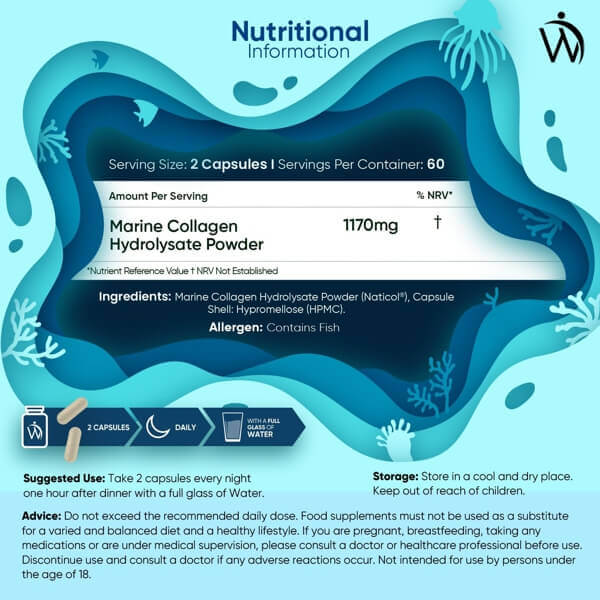
An Important Note on Dosage Relative to the Research
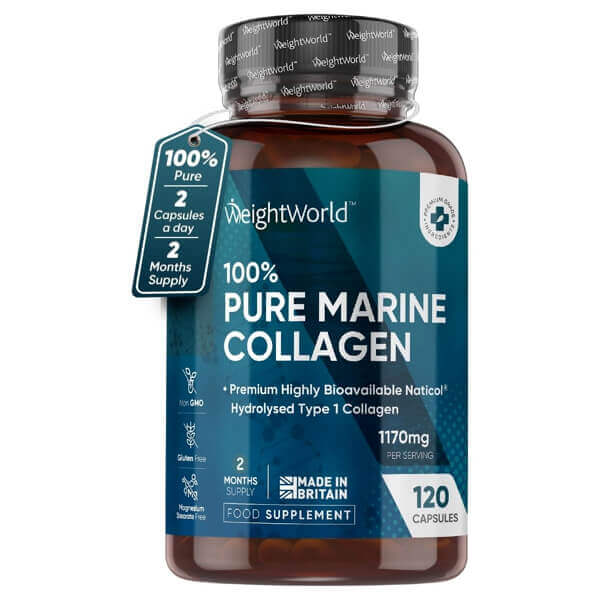
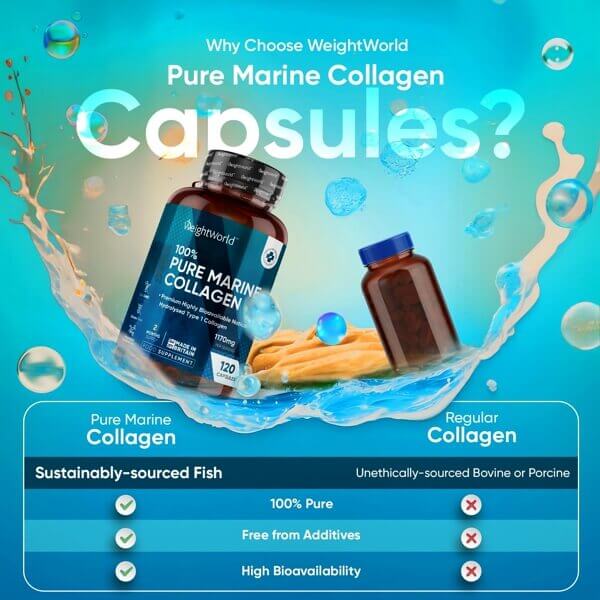
This product provides 1170mg of hydrolysed marine collagen (Naticol®) per serving — predominantly Type I collagen, the type most relevant to skin and connective tissue. As covered in more detail in our complete marine collagen guide, it’s important to be direct about dosage here: most human research showing genuine, measurable improvements in skin hydration and elasticity used doses of 5,000mg or more daily, generally over 8-12 weeks of consistent use. This product’s 1170mg serving is meaningfully below that researched range, which is worth knowing before expecting the same results reported in clinical trials — this doesn’t mean the product provides no benefit, but claims of “impressive benefits” and “noticeable improvements within weeks” set an expectation that the underlying dose may not fully support.
Hydrolysation breaks collagen into smaller peptides that are generally easier for the body to absorb, and pairing collagen with a vitamin C source is genuinely worth doing, since vitamin C supports the body’s own collagen synthesis process.
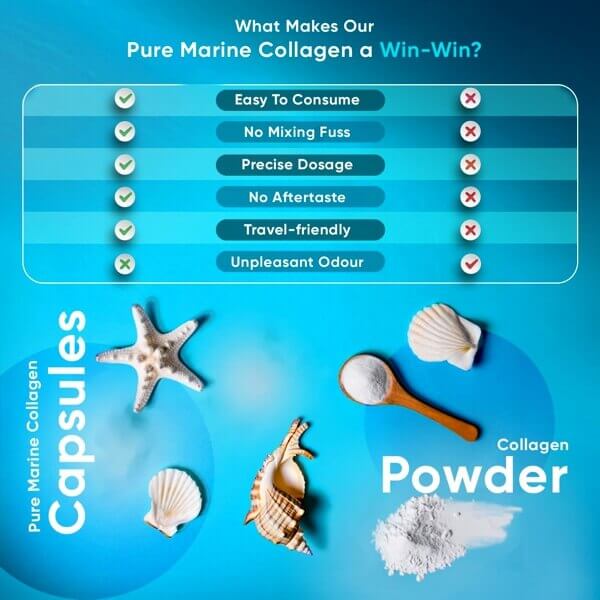
Marine collagen is not suitable for anyone with a fish allergy. Powder and tablet forms are generally comparable in content — the main practical difference is convenience (powder allows flexible dosing and can be added to drinks; tablets are more convenient for travel and consistent daily use without measuring).
Mild digestive discomfort is possible when starting, and typically resolves as your body adjusts. Take daily, ideally with a vitamin C source, for at least 8-12 weeks before assessing results — and consider whether a higher-dose product might better match the research this ingredient is based on if results aren’t apparent at this dose. Speak to your GP before starting if you have an existing health condition or take regular medication.
The Research Behind This Product

Nutrition & Dietary Support
Marine Collagen: What UK Research Actually Shows for Skin and Joints
What research genuinely shows about marine collagen for skin and joints — including an important correction on what a widely-cited "35%" statistic actually measured.
Get the Full Guide