Your immune system faces daily challenges — limited sunlight during British winters, ongoing workplace stress, and urban pollution affecting respiratory health among them. Understanding which supplements are genuinely supported by research helps you make more informed choices than following marketing claims alone.
This guide examines five supplements with a reasonable evidence base, including optimal dosages, timing, and how each is understood to support your body’s natural defences.
Understanding Your Immune System
Your immune system is a network of cells, tissues, and organs working together. When functioning well, it identifies and neutralises threats — from cold viruses to bacterial infections.
Recognise These Warning Signs
Your body sends signals when immunity weakens — frequent infections (more than 3-4 colds yearly), wounds healing slowly, constant tiredness despite adequate sleep, digestive problems, and cold sores appearing regularly. If several of these apply consistently, it’s worth mentioning to your GP rather than assuming supplements alone will resolve it.
What Weakens Immunity
Diet forms the foundation of immune health, and deficiencies in vitamin C, vitamin D, zinc, and selenium can directly affect immune function — UK residents face a particular challenge with vitamin D during winter, given how little sunlight is available for natural production. Modern life triggers cortisol release too, and when stress becomes chronic, elevated cortisol is understood to suppress immune function, with research showing a link between chronically stressed individuals and higher infection rates.
Sleep plays a genuine role as well — your body carries out immune-related maintenance during sleep, and research (including a well-known study on sleep and rhinovirus exposure) found people sleeping under seven hours faced substantially higher infection risk than those getting eight hours or more. Physical activity supports circulation, which helps immune cells move through the body, and remote work has reduced daily movement for many people, which may have some knock-on effect on this. Finally, environmental stress matters too: urban air pollution — a particular consideration in cities like London and Manchester — places extra strain on respiratory systems, and indoor pollutants and seasonal allergens add to this further.
Five Supplements With a Reasonable Evidence Base
Diet comes first; supplements are for filling genuine gaps and providing targeted support where the evidence justifies it. Here are five of the more researched options available in the UK.
1. Vitamin D3
Vitamin D has a recognised, well-established role in immune function. Research suggests 1,000-2,000 IU daily is enough to maintain adequate levels in most people (PubMed Central), though some experts argue official guidelines may be conservative (Healthline).
A well-known British Medical Journal systematic review found vitamin D supplementation offered some protection against respiratory tract infections, with the clearest benefit in people who were deficient to begin with — worth noting, since the effect is less established in people who already have adequate levels.
A reasonable approach: 1,000-2,000 IU daily, year-round, with higher doses (up to 4,000 IU) reserved for confirmed deficiency, ideally under GP guidance. Take with fatty food for better absorption, and consider testing your levels through your GP if you’re unsure.


Vitamins & Minerals
2. Zinc
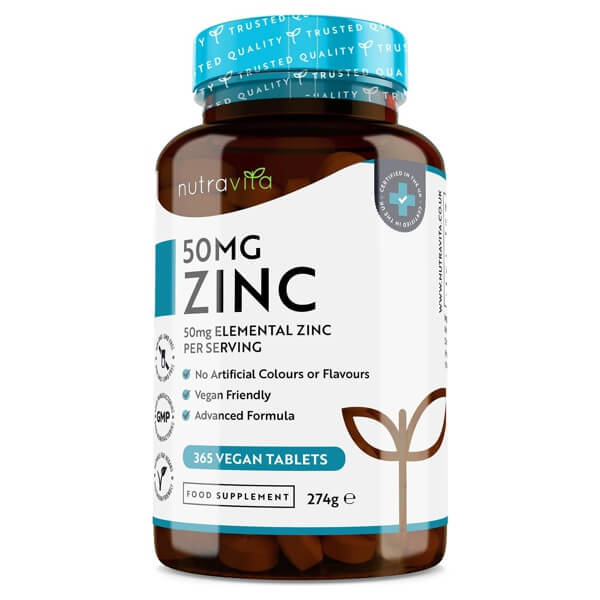
Zinc contributes to normal immune function and is involved in various cellular processes (Frontiers); deficiency is linked to reduced T-cell function and greater susceptibility to infection.
Research on zinc lozenges (at least 75mg daily, started within 24 hours of symptom onset) has found reductions in cold duration in some studies of healthy adults (Drugs.com) — this is specifically about lozenges taken early in an active cold, not a general daily immunity claim.
A reasonable approach: 8-11mg daily for general maintenance (8mg for women, 11mg for men), rising to up to 75mg daily for 5-7 days as a short-term measure at cold onset. Take with food to reduce the chance of nausea, and don’t exceed 40mg daily long-term without medical supervision.

Vitamins & Minerals
3. Vitamin C with Bioflavonoids
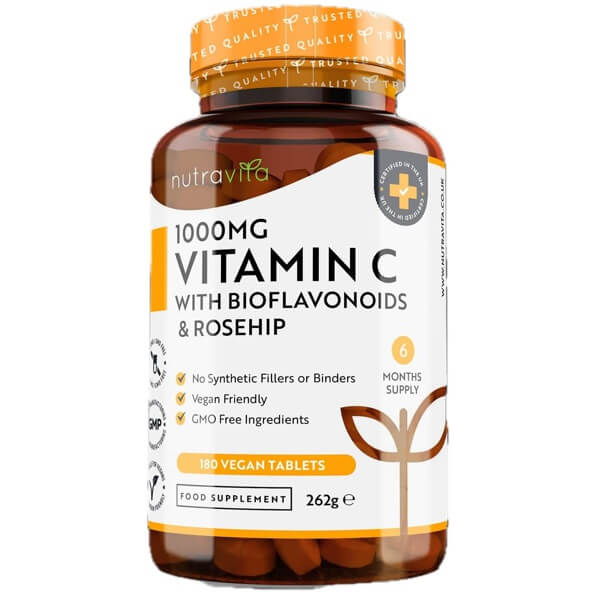
Vitamin C has a well-established role in normal immune function. Bioflavonoids — plant compounds sometimes included alongside vitamin C — are studied for a complementary role in absorption and antioxidant activity.
A reasonable approach: 500-1,000mg daily, split into morning/evening doses if taking more than 500mg, since vitamin C isn’t stored by the body. Choose formulas that include bioflavonoids if you want the combined approach; some people take higher doses (up to 2,000mg) during illness, though evidence for this specifically is less robust than for general maintenance.

Vitamins & Minerals
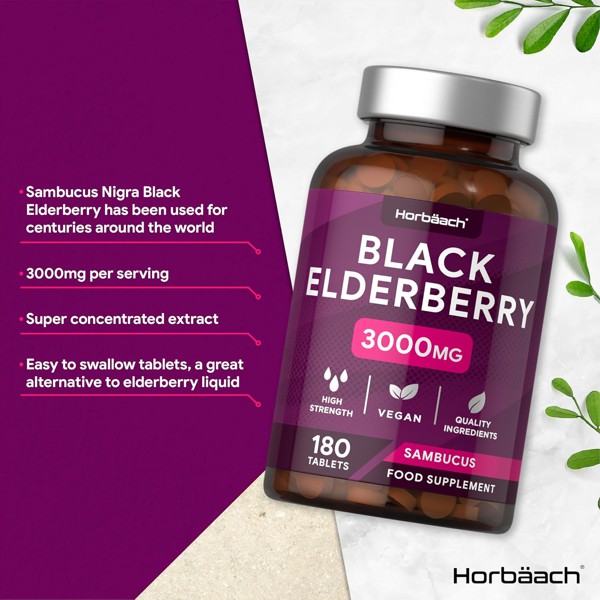
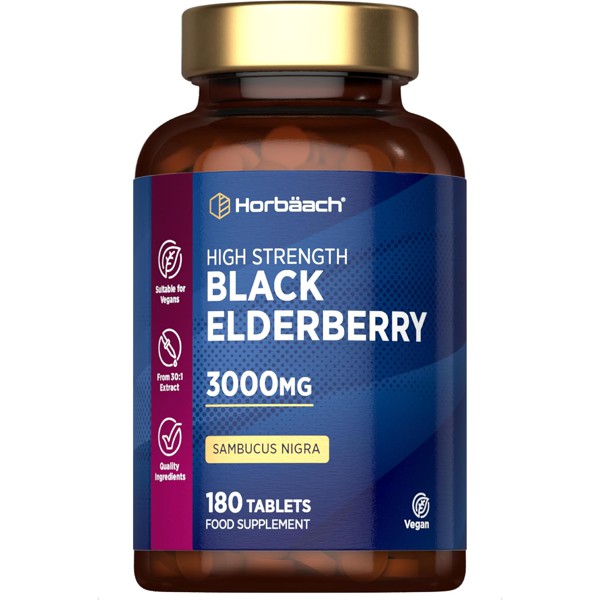
4. Elderberry Extract
Elderberry has centuries of traditional use in European herbalism for colds and flu, and some modern research has explored these traditional applications — several studies suggest a possible reduction in symptom duration and severity for upper respiratory infections, though study quality and sizes vary, and this remains an area of ongoing research rather than settled fact.
A reasonable approach: 300-600mg daily during cold season for preventive use, rising to 1,200-1,500mg daily for 5-7 days at symptom onset. Start as early as possible after symptoms appear.
Fruit & Berry Extracts
5. Probiotics
A large proportion of the body’s immune tissue is located in the gut (gut-associated lymphoid tissue, or GALT) — you may see this cited as roughly 70%, though that figure is more a rough, commonly repeated approximation than a precisely established number. Either way, gut health and immune function are genuinely connected, and probiotics are studied for a role in maintaining healthy bacterial balance that supports this relationship.
A reasonable approach: multi-strain formulas (10+ different strains) are generally preferred over single-strain products, with at least 10-50 billion CFU (colony-forming units) depending on the product and strains. Take on an empty stomach or with a light meal, and give it at least 8-12 weeks of consistent use before assessing whether it’s helping.
Creating Your Supplement Routine
A reasonable timing routine: vitamin D3 with breakfast (needs fat for absorption), zinc with food, and the first dose of vitamin C if splitting, all in the morning; probiotics around 30 minutes before bed, the second dose of vitamin C if splitting, and elderberry during cold season, in the evening.
Safety Considerations
Upper limits to be aware of (don’t exceed without medical advice):
- Vitamin D3: 4,000 IU daily
- Zinc: 40mg daily, long-term
- Vitamin C: 2,000mg daily
- Elderberry: follow the specific product’s guidelines
Interactions worth knowing:
- Long-term zinc use reduces copper absorption — worth discussing a copper supplement with your GP if you’re taking zinc regularly over time
- High-dose vitamin C can interfere with certain blood sugar meter readings — worth knowing if you monitor glucose regularly
- Elderberry may interact with immunosuppressant medication, given its immune-modulating properties
- Always tell your GP about any supplements you’re taking before surgery
Lifestyle Foundation
Supplements work best alongside these habits, each with independent evidence behind it: 7-9 hours of quality sleep, stress management (mindfulness, gentle yoga, daily walks), consistent hydration, at least 30 minutes of daily movement, and a diet built around colourful vegetables, fruits, lean proteins, and healthy fats.
When to Consult Your GP
Seek medical advice for persistent signs of weakened immunity despite lifestyle changes, infections occurring monthly or more, unexplained weight loss, night sweats, or a prolonged fever. Certain conditions, medications, and autoimmune disorders affect immune function in ways that need specialised care beyond supplementation.
Final Thoughts
Strong immunity comes from consistent daily habits more than any single supplement. Individual needs vary considerably based on health status, existing deficiencies, and lifestyle — testing for specific deficiencies (vitamin D and zinc particularly) through your GP is a more targeted starting point than guessing.
The five supplements discussed here — vitamin D3, zinc, vitamin C with bioflavonoids, elderberry, and probiotics — have a reasonable evidence base behind them, but they work as support alongside good sleep, stress management, movement, and nutrition, not as a replacement for any of it.
Disclaimer: This article is for informational purposes only and does not constitute medical advice. Always consult your GP before starting any supplement regimen, particularly if you take medication or have an existing health condition.