Valerian, 5-HTP, and L-theanine are all marketed as gentler alternatives to melatonin for sleep and calm. They’re grouped together often enough that it’s easy to assume they carry roughly the same level of risk. They don’t. Two of these are reasonably straightforward for most healthy adults. One of them has a specific, serious interaction that deserves your full attention, not a quick skim — so we’ve given it the space it needs below.
Valerian — A Genuine Option, With One Detail Worth Knowing
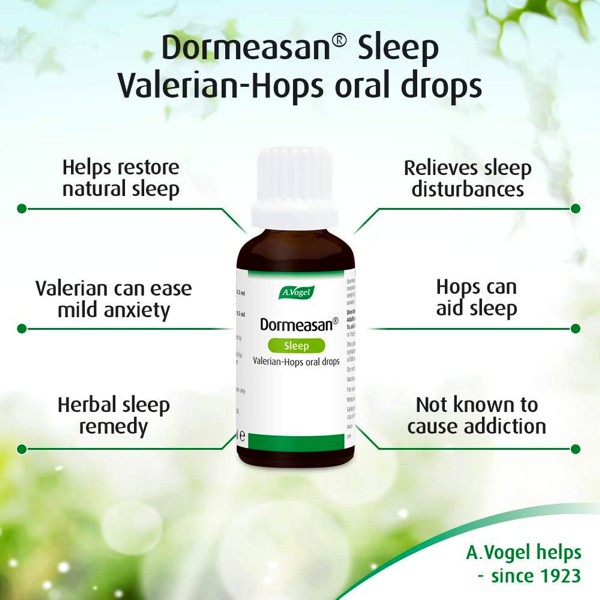
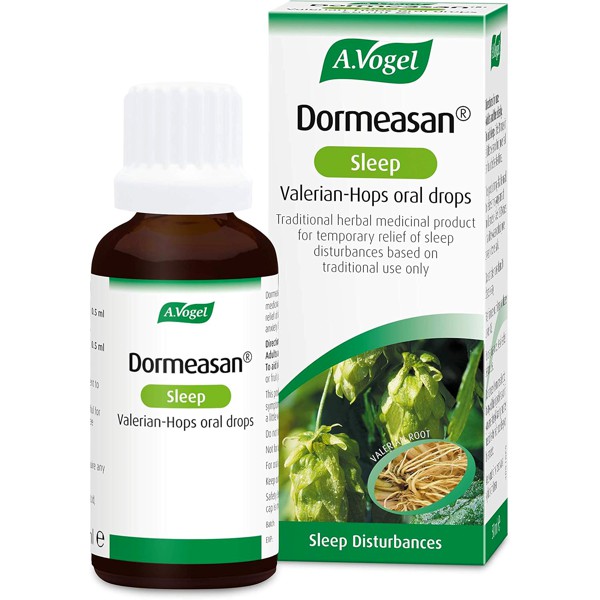
Valerian is thought to work partly by increasing activity of GABA, a calming neurotransmitter in the brain, and research on valerian for sleep generally reports a favourable pattern for reducing time to fall asleep and improving sleep quality, often combined with hops for complementary relaxing effects, as in the product covered here.
A Detail That’s Easy to Miss
This particular product is an alcohol-based tincture, which isn’t always obvious from “drops” packaging. At the maximum stated daily dose, this represents a meaningful cumulative alcohol intake — worth factoring in in if you’re using it regularly over an extended period, or avoiding alcohol for any medical, personal, or religious reason. It’s also worth knowing that valerian can add to the sedating effect of alcohol itself and of other sedative medication, which matters here given this specific product’s own alcohol content on top of valerian’s own effect.
Valerian is generally associated with less next-day grogginess than some pharmaceutical sleep aids, though this isn’t a guarantee for everyone, and full benefits may take a few weeks of consistent use to become apparent.
Traditional Herbs
5-HTP — The One That Needs Your Full Attention
We want to be direct about this section: if you take antidepressant medication, please read this in full before considering a 5-HTP product, rather than skimming to the product box.
What 5-HTP Actually Is
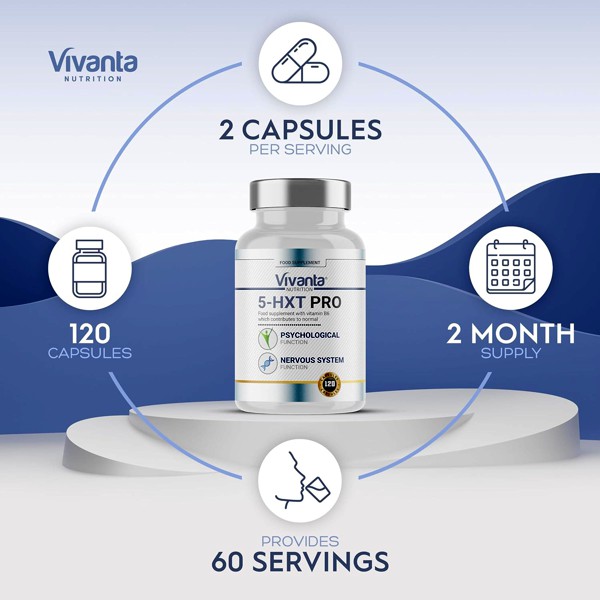
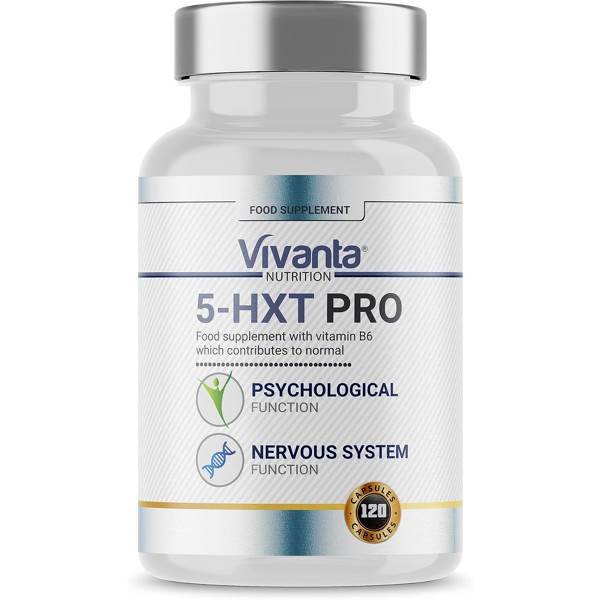
5-HTP (5-hydroxytryptophan) is a precursor the body converts into serotonin, and this conversion is the basis for research interest in mood and sleep. It’s worth knowing that 5-HTP is sometimes sold under other names — the product covered here is derived from Griffonia simplicifolia seed extract, which is a concentrated natural source of 5-HTP specifically, not a separate or milder ingredient.
The Serotonin Syndrome Risk
This is the single most important point in this article: if you take antidepressant medication — particularly an SSRI or an MAOI — do not start a 5-HTP product without your GP’s direct involvement first. Because 5-HTP raises the amount of serotonin available in the body, combining it with medication that also increases serotonin activity carries a genuine risk of serotonin syndrome, a condition caused by excess serotonin activity that can range from mild symptoms to a rare but potentially life-threatening reaction. The NHS Health Education England overview of serotonin syndrome covers the recognised signs, which can include agitation, a fast heart rate, sweating, and shaking, and explains why prompt medical attention matters if symptoms appear. This isn’t a theoretical caution to mention in passing — it’s a reason to have an explicit conversation with your GP before considering this product at all if antidepressants are part of your current treatment.
Other Interactions Worth Knowing
5-HTP also has a documented interaction with carbidopa and related medications used for Parkinson’s disease, and it can interfere with a specific laboratory test (5-HIAA urine testing) used to diagnose or monitor carcinoid tumours — worth mentioning to a doctor ordering this test if you take 5-HTP. Griffonia-derived 5-HTP has, in the past, been associated with a contaminant called “Peak X” in some products, which is a reasonable argument for choosing a manufacturer with genuine, verifiable quality testing. 5-HTP is not recommended during pregnancy or breastfeeding, given insufficient safety data for these groups specifically.
Vitamins & Minerals
L-Theanine — Calm Without Sedation, and a Thyroid Caution
L-theanine, found naturally in tea, is studied for promoting a sense of calm without drowsiness, working through GABA and other calming pathways distinct from caffeine’s stimulant mechanism — this is where the genuine “calm without jitters” comparison to caffeine actually comes from, rather than simply being a milder version of the same effect.
The Lemon Balm Addition
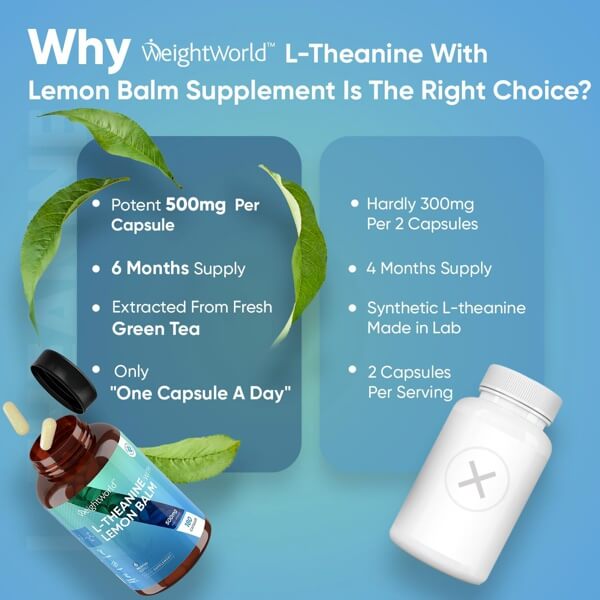
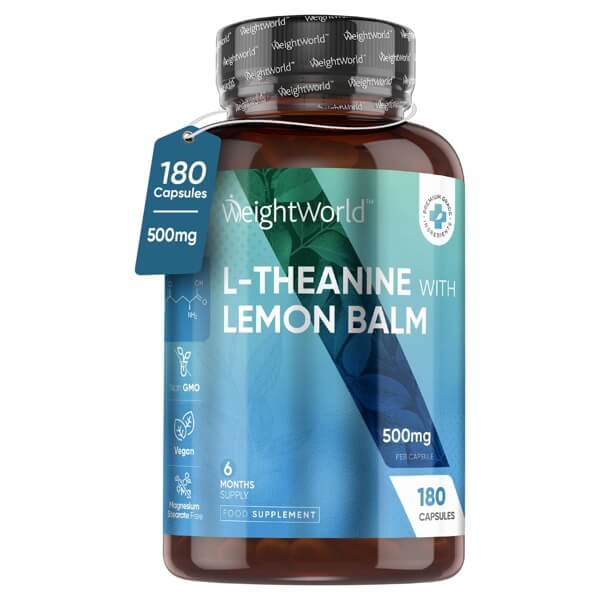
The product covered here combines L-theanine with lemon balm (Melissa officinalis), and it’s worth knowing about lemon balm specifically: laboratory research has found it has antithyroid activity, inhibiting thyroid-stimulating hormone (TSH) binding. It’s generally advised to avoid lemon balm if you have hypothyroidism (an underactive thyroid), since it may worsen the condition, and if you take thyroid medication such as levothyroxine, this is worth raising with your GP given the potential to interfere with how well it works.
Both ingredients in this combination have calming properties through different mechanisms, so it’s worth being mindful of the combined effect if you’re also taking sedative medication or drinking alcohol around the same time, and lemon balm specifically is generally not recommended in the two weeks before any planned surgery, given a theoretical interaction with medication used during anaesthesia.
Amino Acids
Combining Sleep and Calm Supplements — What to Watch For
If you’re considering more than one calming supplement, or combining any of these with alcohol, sedative medication, or sleep medication, it’s worth remembering that calming effects through different mechanisms can still add up. This is worth mentioning to your GP or pharmacist if you’re taking, or considering, more than one of these at the same time, rather than assuming that “natural” ingredients are automatically fine to stack freely.
Common Myths, Addressed
“5-HTP is just a supplement, so it’s not as serious as a real medication.” This is precisely the assumption worth setting aside here. 5-HTP raises serotonin activity through a genuine, measurable mechanism, and its interaction with antidepressants is a real, documented medical concern, not a manufacturer’s overcautious disclaimer.
“If it’s herbal, it can’t cause a dangerous reaction.” Valerian’s alcohol-based tincture format and lemon balm’s effect on thyroid function are both good examples of how a herbal origin doesn’t tell you everything about a product’s actual safety profile — the specific formulation and your own health situation matter more.
Final Thoughts
Valerian, 5-HTP, and L-theanine all get sold in the same “gentle, natural, beyond melatonin” space, but they don’t deserve the same level of caution. Valerian is a reasonable option for most healthy adults, with one detail — its alcohol content in this particular tincture format — worth knowing. L-theanine is generally well tolerated, with a specific thyroid-related caution attached to the lemon balm in this particular formula, not to theanine itself. 5-HTP is the one that genuinely needs a conversation with your GP first if antidepressants are part of your life, given a real risk of serotonin syndrome that’s serious enough to take seriously rather than skim past.
Disclaimer: This article is for informational purposes only and does not constitute medical advice. Always consult your GP before starting valerian, 5-HTP, or L-theanine, particularly if you take antidepressant medication, thyroid medication, sedatives, or other prescription medication, have a thyroid condition, are pregnant, breastfeeding, or have surgery scheduled.