Turmeric has been stirred into curries, teas, and “golden milk” for thousands of years, and in the last decade it’s become one of the best-selling herbal supplements in the UK. But there’s a meaningful gap between a pinch of turmeric in your cooking and a capsule delivering a 95%-concentrated curcumin extract — and that gap matters more than most product listings let on.
This guide walks through what the research on curcumin (turmeric’s active compound) actually supports, and — just as importantly — a specific safety point that UK regulators have been actively monitoring and that we think anyone considering a concentrated turmeric supplement deserves to know about clearly, not buried in small print.
What Is Turmeric — and What Is Curcumin?
Turmeric (Curcuma longa) is a rhizome in the ginger family, native to South Asia and central to Ayurvedic medicine for millennia. Its active compounds, called curcuminoids — of which curcumin is the main one — give turmeric its distinctive yellow colour and are responsible for most of the research interest.
Whole Turmeric Powder vs. Concentrated Curcumin Extract
This distinction matters more than most shoppers realise, and it varies a lot across the products actually sold as “turmeric supplements” in the UK. Some capsules simply contain dried, ground turmeric root — broadly similar to the spice in your kitchen cupboard, just in capsule form. Others contain a standardised extract, concentrated to a fixed percentage of curcumin (commonly 95%), which delivers a much higher dose of the active compound than the same weight of whole turmeric powder ever could. Both types are sold as “turmeric supplements,” but they are not really the same product, and — as covered below — they don’t carry quite the same safety profile either.
What Research Actually Supports
It’s worth being upfront here: no health claim for curcumin has been authorised for use in the UK or EU. In 2017, the European Food Safety Authority (EFSA) formally assessed an application for the claim “curcumin contributes to the normal functioning of joints,” reviewing 16 human studies in people with osteoarthritis and rheumatoid arthritis, and concluded that a cause-and-effect relationship could not be established. That claim was rejected, and no curcumin-related claim has been authorised since. This doesn’t mean curcumin has no research behind it — it means the human evidence hasn’t yet cleared the bar regulators require before a specific health claim can legally be printed on a label.
Joint Comfort and Inflammation
This is the most researched area for curcumin, and also the one where the EFSA rejection above applies directly. Laboratory and animal studies show curcumin influencing several inflammatory pathways, and some smaller human trials in people with osteoarthritis have reported improvements in comfort and mobility. But the picture is inconsistent — trial quality varies widely, doses differ enormously between studies, and the regulatory review of this exact question concluded the evidence wasn’t strong enough to support a formal claim. Read individual promising studies with that context in mind.
Antioxidant Activity
Curcumin is studied as an antioxidant, meaning it’s investigated for a role in neutralising free radicals — the unstable molecules linked to cellular stress over time. This is a genuinely active area of laboratory research, though, as with the inflammation research above, translating cell-culture and animal findings into confirmed human benefit is a different, much harder bar to clear — and one that hasn’t been cleared yet for curcumin specifically.
Traditional Digestive Use
Turmeric has a long traditional history of use for digestion, and this is one context where a genuine, well-established caution applies: turmeric stimulates bile production and gallbladder contraction, which is precisely why it’s traditionally used this way — and precisely why it can trigger pain in people who have gallstones or any bile duct obstruction (more on this below).
The Most Important Safety Point: Liver Risk With Concentrated Extracts
This is the section we’d encourage you not to skip, particularly if you’re looking at a high-strength curcumin extract rather than whole turmeric powder.
The UK’s Committee on Toxicity (COT), which advises the Food Standards Agency, has reviewed the available evidence and concluded there is reasonable evidence linking turmeric and curcumin supplement use to instances of liver toxicity, based on cases where liver function abnormalities appeared after starting a supplement and resolved after stopping it. Regulators in France (ANSES) and Italy have independently reached similar conclusions. Cases have also been reported through the UK’s MHRA Yellow Card scheme, the system used to flag suspected adverse reactions to medicines and supplements.
This risk is specifically associated with concentrated curcumin extracts, not with turmeric used as a culinary spice — ordinary dietary use of turmeric in cooking sits well within the established Acceptable Daily Intake (0–3mg per kg of body weight), while concentrated supplements, some delivering well over 1,000-2,000mg daily, can exceed it considerably.
Why Black Pepper Makes This More Relevant, Not Less
Most turmeric supplements — including all of the UK products we cover below — are formulated with black pepper extract (piperine) specifically to improve curcumin absorption, and the science behind that is genuine: piperine measurably increases how much curcumin the body actually absorbs, in some research by a very large margin. But this cuts both ways. A documented 2025 clinical case report described a patient who developed drug-induced liver injury after six weeks on a turmeric-and-piperine supplement, with piperine’s role in inhibiting the liver enzymes that process curcumin identified as a likely contributing factor. In other words, the same mechanism that makes these combination formulas more effective is also what makes the liver safety question more relevant to them specifically, not less.
What to Watch For
If you start a concentrated turmeric supplement and notice unusual fatigue, yellowing of the skin or eyes, dark urine, pale stools, or abdominal pain, stop taking it and contact your GP promptly. This appears to be an uncommon reaction, but it’s a genuine one, and catching it early matters.
Who Should Be Particularly Cautious
Anyone with gallstones, a bile duct obstruction, or an existing liver condition should speak to their GP before starting turmeric or curcumin supplements, given turmeric’s effect on bile production. The same applies if you’re pregnant or breastfeeding, where safety data at supplement doses is insufficient.
Traditional Herbs
Adding Turmeric to Your Routine
There’s no single agreed “effective dose” for curcumin, partly because study doses vary so widely and partly because absorption differs so much between formulations. As a general orientation: whole turmeric powder supplements typically provide a few hundred milligrams to around 1-1.5g of turmeric daily, while standardised extracts (95% curcumin) more commonly range from 500mg to 2g of extract daily — a considerably higher effective curcumin dose from a much smaller amount of material, which is exactly why the safety point above applies more to this category.
Piperine (black pepper extract) genuinely helps absorption, but only in a meaningful amount — worth checking the actual milligram figure on the label rather than assuming any mention of “black pepper” delivers the same boost. Taking turmeric with a meal containing some fat can also help, since curcumin is fat-soluble.
Traditional Herbs
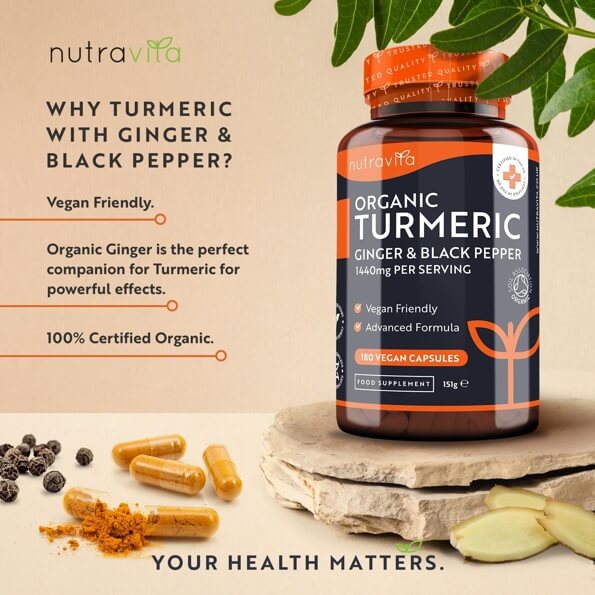
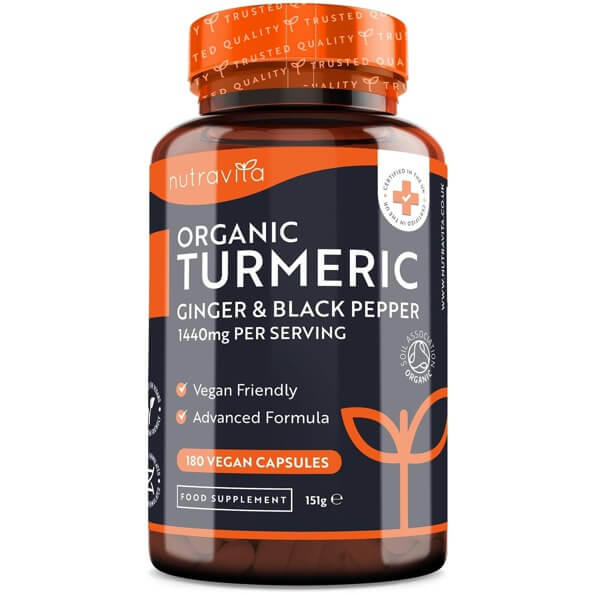
Organic Turmeric with Black Pepper & Ginger 180 Vegan Capsules
Safety Considerations
Beyond the liver point covered in detail above, a few other things are worth knowing. Turmeric has mild blood-thinning properties, and this effect can add to that of ginger (often included in the same formulas) and to prescribed anticoagulant or antiplatelet medication — speak to your GP or pharmacist before combining them. If you have surgery scheduled, it’s generally sensible to stop turmeric supplements in the weeks beforehand, for the same reason. Turmeric may also reduce iron absorption when taken at the same time as iron supplements or iron-rich meals, so spacing them apart is a reasonable precaution. Piperine specifically can affect how the body processes certain prescription medications by inhibiting the liver enzymes involved in drug metabolism — worth mentioning to your GP or pharmacist if you take regular medication, particularly with combination formulas that include it.
Choosing a Quality Supplement
A few practical things distinguish a sensibly formulated product from one riding the marketing wave without the substance behind it:
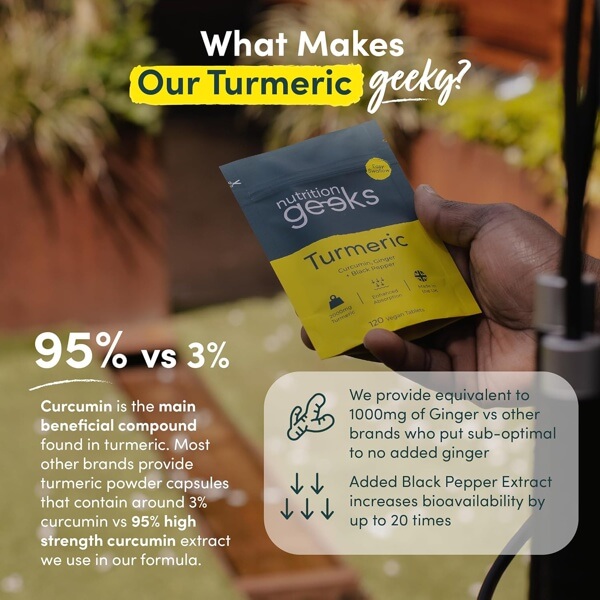
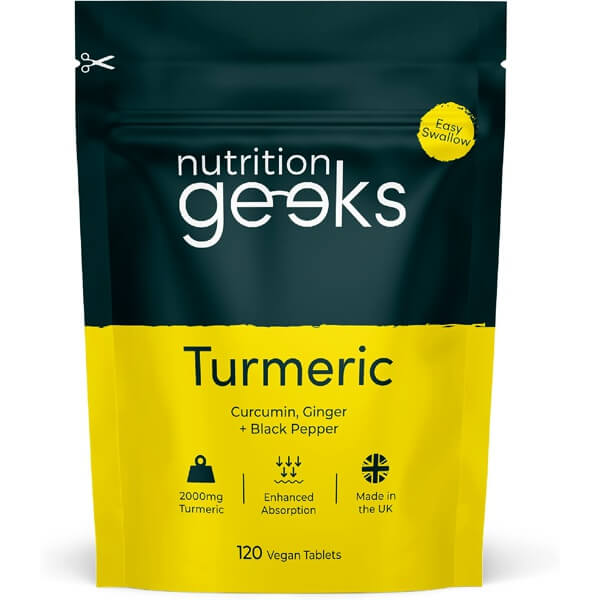
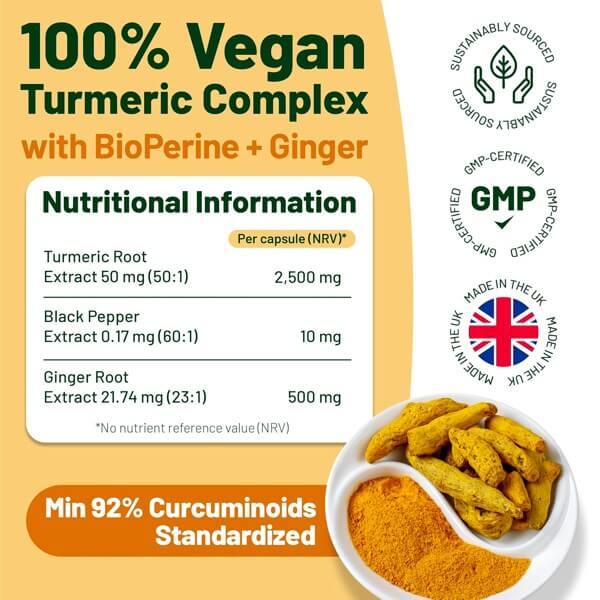
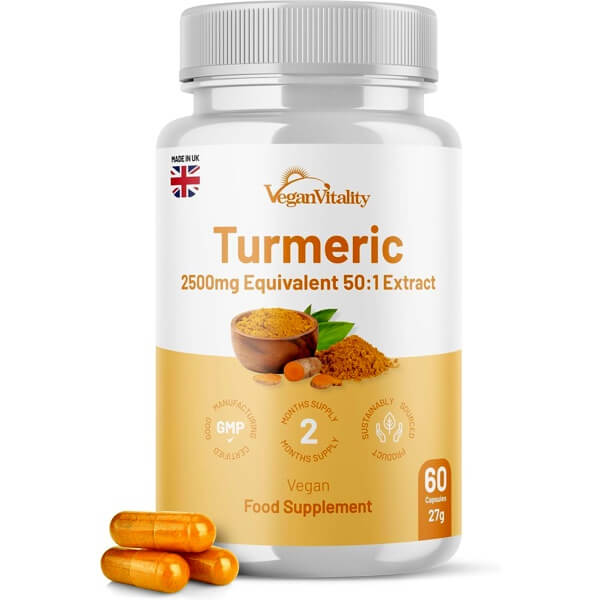
Check whether you’re buying whole turmeric powder or a standardised curcumin extract, and look for the actual curcumin percentage stated (commonly 95% for concentrated extracts) rather than just the total turmeric weight, since these can be presented in ways that make a lower-strength product look more impressive than it is. If piperine is included for absorption, check the actual amount — some products include a genuinely effective dose, while others list black pepper in the ingredients at a level too low to meaningfully change absorption, despite similar marketing language. And as with any supplement, third-party testing and GMP certification are reasonable signals of manufacturing quality, alongside a clear, complete ingredient list.
Traditional Herbs
Common Myths, Addressed
“Turmeric is a natural antibiotic.” It isn’t, and this is worth being direct about — turmeric has been studied for various properties in laboratory settings, but it is not a substitute for antibiotic treatment of a bacterial infection. Believing otherwise and delaying appropriate medical treatment for an infection could be genuinely harmful.
“If it’s natural, it can’t damage your liver.” The UK’s own toxicology advisory committee has reviewed evidence pointing the other way for concentrated curcumin specifically. Natural origin and safety at any dose are two separate questions.
“More curcumin is always better.” The opposite is closer to the truth here — the liver safety signal discussed above relates specifically to higher-dose concentrated extracts, not to modest culinary-level intake.
Traditional Herbs
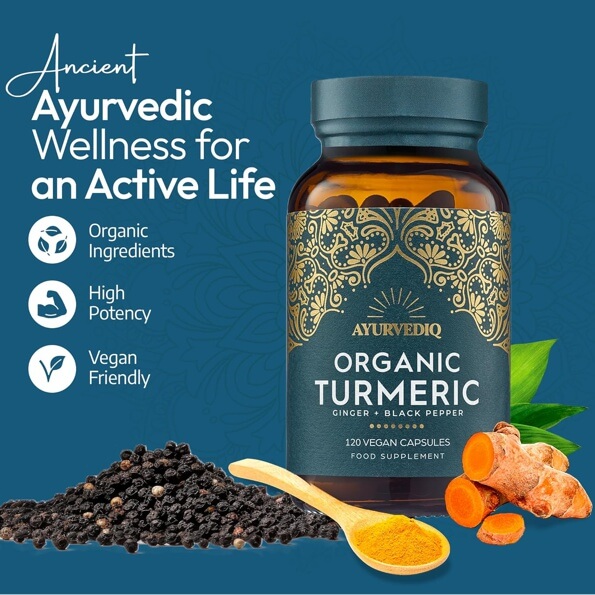
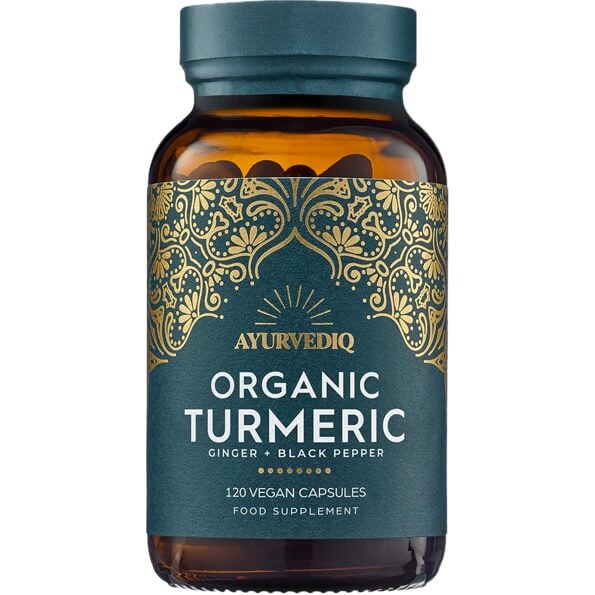
Organic Turmeric Ginger and Black Pepper Capsules 120 Vegan Caps
If Turmeric Isn’t Right for You
If the liver safety consideration above gives you pause, or you’d simply rather start more cautiously, a few alternatives are worth knowing about. Ginger alone (without concentrated curcumin) is milder and has its own separate research base for digestive comfort. Boswellia serrata, another traditional botanical, is researched in a similar space to curcumin for joint comfort. Omega-3 fish oils, covered in our omega-3 guide, have a different and more established evidence base, including authorised EFSA health claims. And simply using turmeric as a cooking spice — rather than a concentrated supplement — is a genuinely reasonable way to include it in your diet without approaching supplement-level doses.
Final Thoughts
Turmeric has a long history and a genuinely active research base, but it’s also a clear example of where “traditional” and “concentrated supplement” are not quite the same thing from a safety standpoint. No curcumin health claim is currently authorised in the UK or EU, and UK regulators have flagged a real, if uncommon, liver safety signal specifically tied to concentrated extracts — particularly those combined with black pepper for enhanced absorption. None of this means turmeric supplements are unsafe for most people at sensible doses. It does mean they deserve the same considered approach as anything else that measurably changes how your body processes a compound: a reasonable starting dose, attention to how you feel after starting, and a conversation with your GP if you take regular medication or have an existing liver or gallbladder condition.
Disclaimer: This article is for informational purposes only and does not constitute medical advice. Always consult your GP before starting turmeric or curcumin supplements, particularly if you take blood-thinning medication or other regular prescriptions, have gallstones or a liver condition, are pregnant, or breastfeeding.