Adaptogens have gained real attention in the UK wellness community in recent years — botanicals from various traditional medicine systems, each working somewhat differently in the body. Ashwagandha, rhodiola, and holy basil share a common thread: they’re studied for a role in supporting the body’s response to everyday stress, though they get there through different mechanisms. This comparison looks at what sets them apart.
What Are Adaptogens?
Adaptogens are plant substances used across various herbal traditions, with the term entering scientific literature in the 1940s as researchers began studying how these plants interact with the body’s stress response systems. They’re understood to work through multiple pathways, including influence on the hypothalamic-pituitary-adrenal (HPA) axis — the system that governs cortisol release and stress adaptation — alongside interactions with various receptors in the nervous system.
Three plants dominate modern adaptogen discussions, each with a distinct chemical profile and correspondingly different effects: ashwagandha (Withania somnifera) from Ayurvedic medicine, rhodiola rosea from Arctic and mountainous regions, and holy basil, or tulsi (Ocimum sanctum), from Indian tradition.
Ashwagandha: Overview and Mechanisms
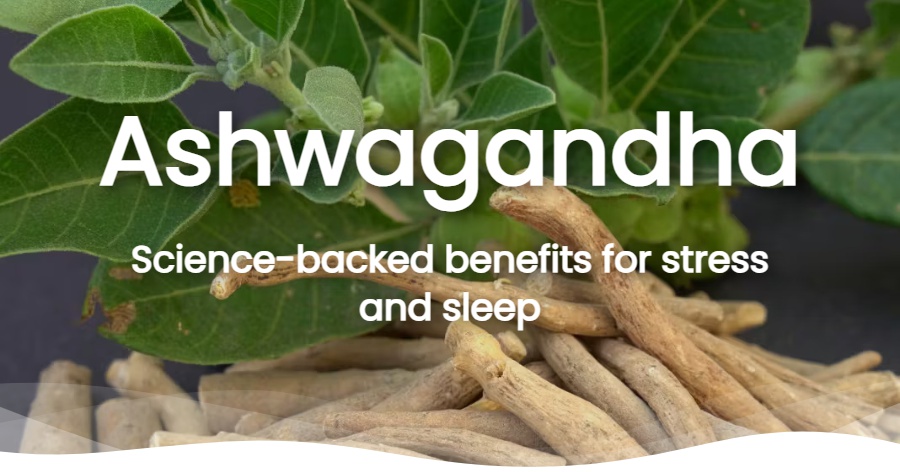
Ashwagandha grows in India, the Middle East, and parts of Africa, and its root has a traditional use history spanning thousands of years. It contains compounds called withanolides, studied for their influence on cortisol production and GABA receptors in the brain.
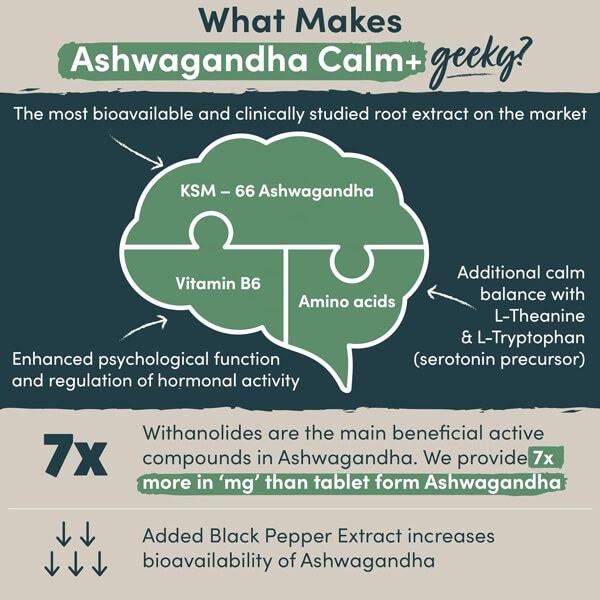
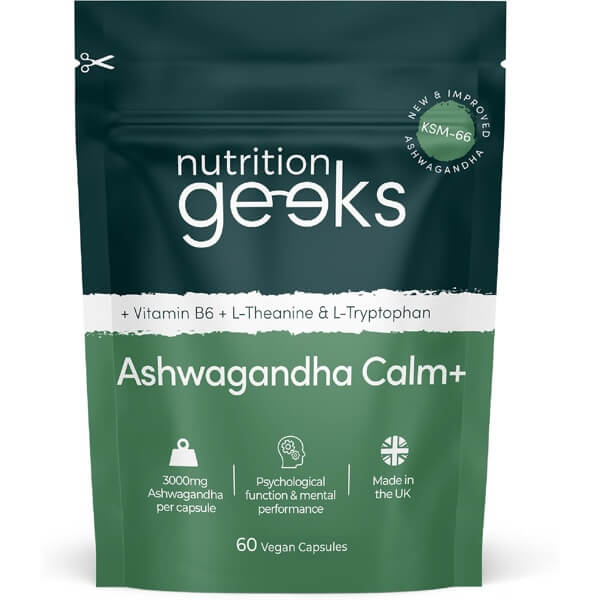
Clinical studies have explored ashwagandha’s effects on stress markers — one 2019 study followed 60 adults for eight weeks, finding that participants taking 240mg daily showed lower cortisol levels compared to placebo, with another trial using 125mg twice daily reporting broadly similar results. The root extract also appears to influence sleep quality, an effect researchers link partly to its action on the GABAergic system, the brain’s primary calming neurotransmitter pathway.
Ashwagandha also interacts with thyroid function — some studies note measurable changes in thyroid hormone levels, which is why anyone with a thyroid condition should speak to their GP before using it, rather than assuming it’s automatically fine. Studies commonly use 240-600mg daily of full-spectrum root extract (which has the most research behind it), generally taken with food; evening timing often makes sense given its calming properties.
Rhodiola Rosea: How It Works
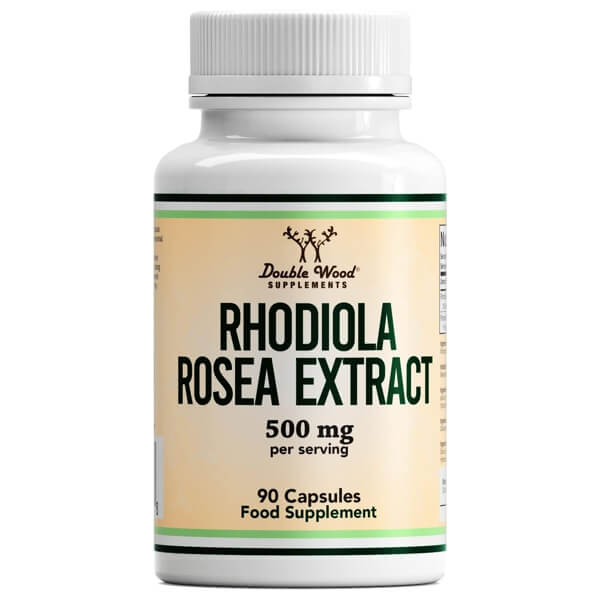
Rhodiola grows in cold climates across Europe and Asia. Its root contains rosavins and salidrosides, compounds studied for their influence on serotonin, dopamine, and norepinephrine pathways.
Vitamins & Minerals
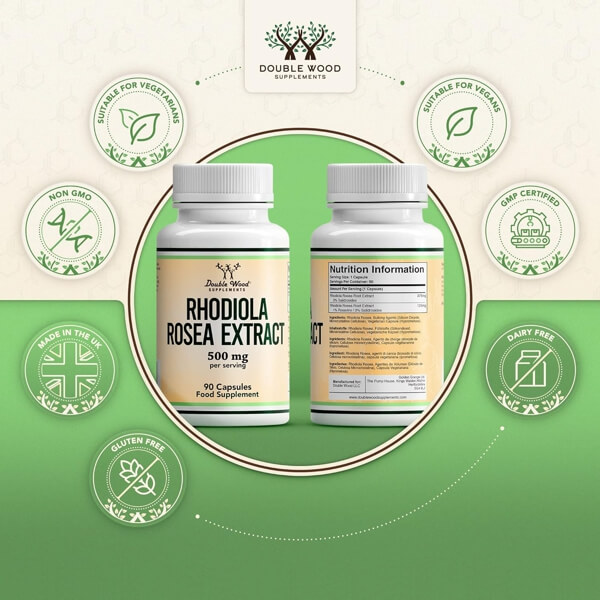
Much of the research focuses on rhodiola’s effects during mental fatigue — a 2015 systematic review examining 11 placebo-controlled trials found improvements in physical and mental performance during stress, across doses ranging from 200mg to 680mg daily. Rhodiola tends to behave differently from ashwagandha in practice: where ashwagandha leans calming, rhodiola shows more stimulating properties, with studies suggesting a role in supporting attention and concentration during demanding tasks. Its effects also appear to work faster — often within 1-2 hours — compared with ashwagandha’s more gradual, cumulative pattern over weeks of consistent use.
Research commonly supports 200-400mg daily, typically taken 1-2 hours before a demanding activity; morning use helps avoid any potential interference with sleep. Look for extracts standardised to around 3% rosavins and 1% salidrosides, matching the composition used in most research.
Holy Basil (Tulsi): Traditional Use and Modern Research
Holy basil grows across India and Southeast Asia, and is described in Ayurvedic texts as a rasayana, or rejuvenative. Its leaves contain eugenol, ursolic acid, and rosmarinic acid.
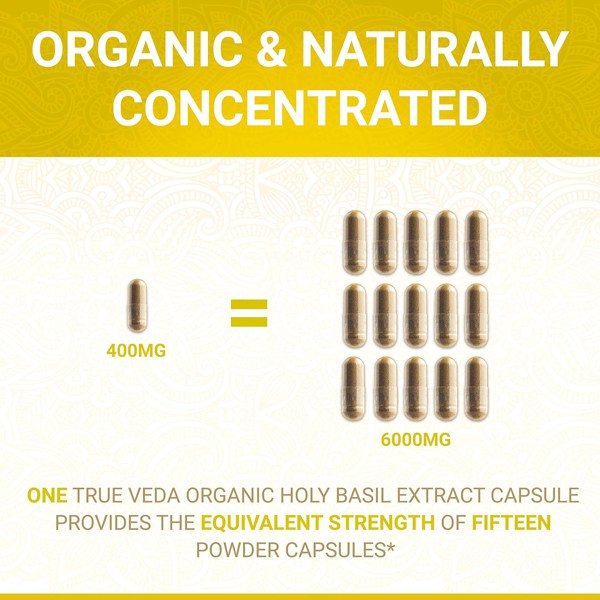
A well-known 2017 systematic review examined 24 human studies on holy basil’s effects on stress, metabolic parameters, and related outcomes, concluding the evidence was favourable for its traditional adaptogenic use — while noting, as most reviews in this space do, that more robust research would strengthen confidence further. Some trials have found measurable cortisol changes with 300-600mg daily over 4-8 weeks.
Herbal Supplements
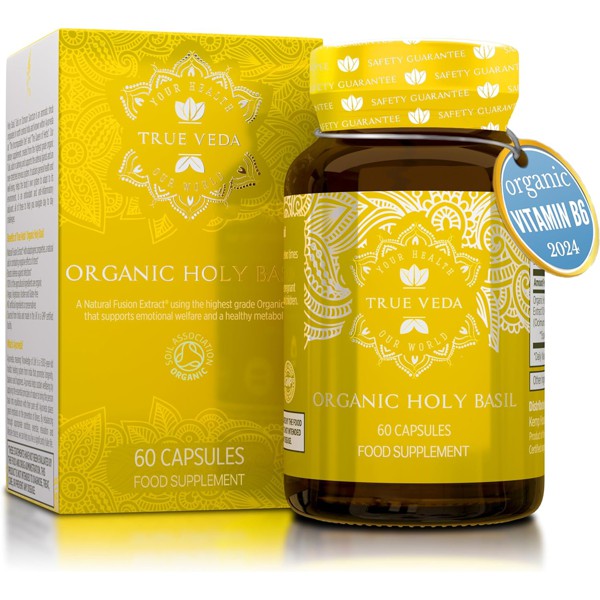
Holy basil is somewhat distinct from the other two in that research also explores its influence on glucose metabolism alongside stress pathways — a dual focus that interests researchers studying the overlap between metabolic and psychological stress. It also shows antimicrobial properties in laboratory settings, though clinical evidence for this specific use in people remains limited. Traditional and studied doses range from 300-600mg daily, often split into two doses to match common study protocols — leaf extract and essential oil have different properties, so it’s worth checking which form a given product actually uses.
Comparing the Three Directly
The differences between these three adaptogens go beyond just their traditional origins. In terms of onset and duration, rhodiola tends to act within hours, making it suited to being taken ahead of a demanding period, while ashwagandha generally needs 2-4 weeks of consistent daily use before effects become noticeable — holy basil sits somewhere between the two, with some users reporting changes within 1-2 weeks. Their primary effects differ too: ashwagandha shows the strongest association with sleep quality and calming effects, with research fairly consistently documenting cortisol reduction; rhodiola leans more energising, linked to sustained attention and reduced mental fatigue; and holy basil occupies something of a middle ground, with studies noting both calming and metabolic effects.
Safety profiles are broadly reasonable across all three, though each carries its own specific caution: ashwagandha needs care around thyroid conditions and pregnancy, rhodiola is generally best avoided in bipolar disorder given its stimulating properties, and holy basil may influence blood glucose levels. Research quality also varies — ashwagandha currently has the most robust body of clinical trial data with multiple systematic reviews behind it, rhodiola comes next with a solid base of European research, and holy basil’s research base is growing but remains somewhat less extensive than the other two.
Putting this together: ashwagandha tends to suit people with stress-related sleep difficulties who want a calming, once-daily supplement and don’t have a thyroid condition or pregnancy to consider. Rhodiola suits people facing intense, regular mental demands who want acute, situational support with an energising rather than sedating effect. Holy basil suits those wanting a more balanced effect between energy and calm, an interest in the metabolic angle alongside stress support, or a preference for a traditional Ayurvedic approach with added antioxidant properties. People respond individually to adaptogens, and what works well for someone else may not suit your own physiology — starting with one at a time makes it much easier to judge your own response, before considering combining or switching.
Cycling and Combining
Some practitioners recommend cycling adaptogens — for example, 5 days on and 2 off, or 6 weeks on and 2 off — though this is based more on theory and practitioner experience than strong clinical evidence, since long-term continuous-use research is still fairly limited. Cycling may help prevent tolerance building up, but this remains a reasonable precaution rather than an established necessity.
No clinical trials have tested ashwagandha, rhodiola, and holy basil together as a combination, even though some products contain all three. Starting with single ingredients before combining makes it much easier to identify what’s actually helping — and what might be causing any side effects.
Safety, Side Effects, and Who Should Avoid Them
Ashwagandha may cause digestive upset in some people, and drowsiness in others; rhodiola occasionally causes jitteriness or trouble sleeping; holy basil rarely causes side effects at typical doses. On medication interactions: ashwagandha may interact with thyroid medication, sedatives, and immunosuppressants; rhodiola could interact with diabetes medication and antidepressants; and holy basil may influence blood glucose control and blood clotting — speak to your pharmacist or GP before starting any of these if you take prescription medication.
Pregnant and breastfeeding women should avoid all three, given insufficient safety data for these groups. People with autoimmune conditions should check with a healthcare provider before using ashwagandha specifically, since it may stimulate immune function. Those with bipolar disorder should avoid rhodiola, given a genuine risk that its stimulating effects could contribute to triggering a manic episode. Anyone with upcoming surgery should stop holy basil at least two weeks beforehand, given its potential blood-thinning effects.
Quality is also a genuine safety consideration: heavy metal contamination has been found in some botanical supplements, since lead, arsenic, and cadmium can accumulate in plants grown in contaminated soil — third-party testing is one of the more reliable ways to check for this.
Choosing a Quality Adaptogen Supplement
A few things are worth checking regardless of which of the three you choose. Independent third-party testing (certifications from Informed Sport, NSF International, or USP indicate this) verifies contents and checks for contaminants. Quality supplements list specific compound percentages — withanolide content for ashwagandha, rosavin and salidroside percentages for rhodiola, ursolic acid levels for holy basil — and most research is based on standardised extracts (often 10:1 or 20:1 concentration ratios) rather than raw powder, so it’s worth matching the product type to what the evidence actually supports. A cleaner ingredient list without unnecessary fillers, artificial colours, or allergens generally means less risk of an unrelated reaction, and UK suppliers following Good Manufacturing Practice standards, with published batch testing or certificates of analysis, are generally the more transparent, trustworthy choice.
Conclusion
Ashwagandha, rhodiola, and holy basil represent genuinely different approaches to stress support: ashwagandha leans toward calm and sleep, rhodiola toward energy and focus, and holy basil sits between the two while also touching on metabolic health.
Your choice depends on your specific stress patterns, timing needs, and any relevant health conditions — starting with one at recommended doses and tracking your response over 2-4 weeks is a more reliable approach than guessing or combining several at once. Quality genuinely matters with botanical supplements, so look for third-party testing and clear standardisation, and speak to a healthcare professional if you take medication or have an existing health condition. None of these replace foundational habits like sleep hygiene, nutrition, and stress management — they’re a possible addition to that foundation, not a substitute for it.
Disclaimer: This article is for informational purposes only and does not constitute medical advice. Always consult your GP or pharmacist before starting any supplement, particularly if you take regular medication or have an existing health condition.