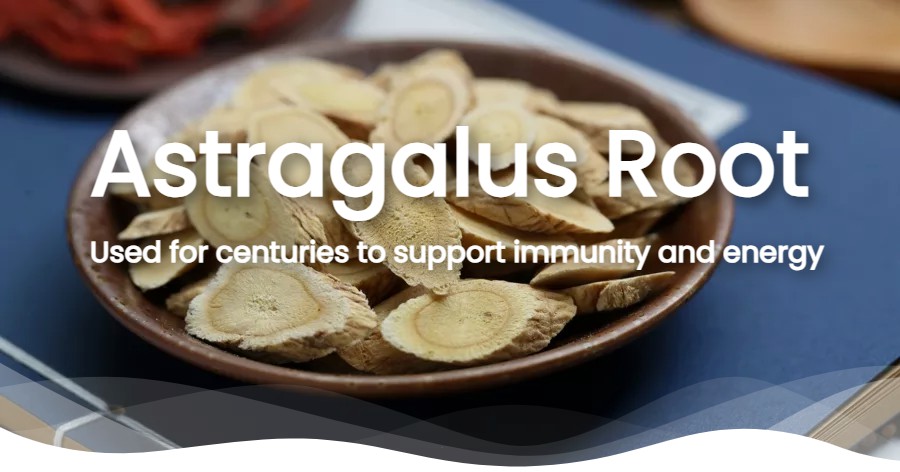
Astragalus root has been used in traditional wellness practices for centuries, particularly in Eastern herbalism, and today it’s available as a dietary supplement in capsules, powders, and tinctures. Whilst astragalus is not a substitute for medical treatment, many people incorporate it into their daily routine as part of a broader approach to maintaining general health and wellbeing. This article explores what astragalus root is, how it’s commonly used, and what to consider if you’re thinking about adding it to your regimen.
What Is Astragalus Root?
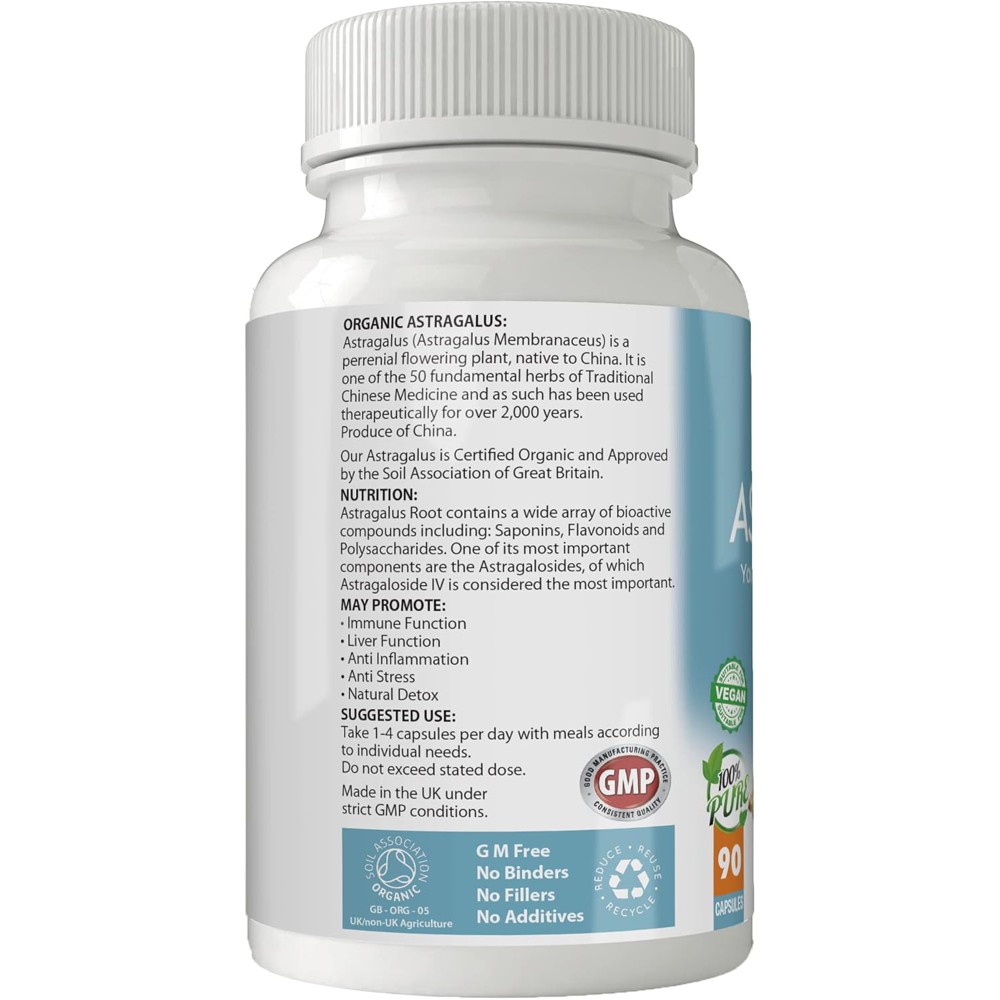
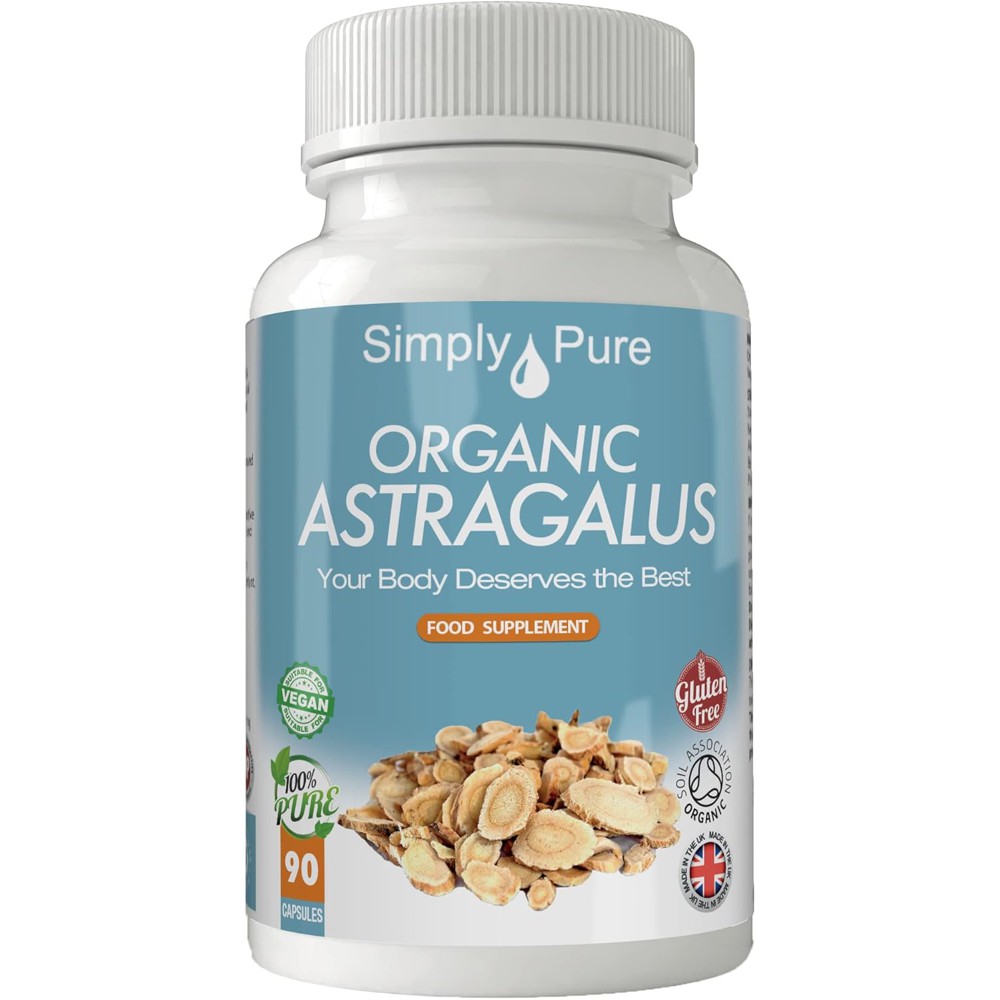
Astragalus (Astragalus membranaceus) is a flowering plant native to China, Mongolia, and Korea, and the root is the part most commonly used in supplements and traditional preparations. In traditional Chinese medicine, it’s known as “huang qi” and has long been valued for its role in supporting vitality and overall wellness. The root contains naturally occurring compounds — polysaccharides, saponins (astragalosides), flavonoids, and amino acids — thought to contribute to its traditional uses, though research is still working to fully understand their effects in the human body.
How Does Astragalus Root Work?
Whilst the precise mechanisms are still being studied, astragalus is believed to interact with various systems in the body. Research suggests the polysaccharides and saponins in the root may influence immune function, though these effects aren’t fully understood yet. Some studies have explored how astragalus may support the body’s natural defences, particularly during seasonal change or periods of stress — though it’s important to note astragalus is not a medicine and shouldn’t be relied upon to prevent or treat any illness. The root is also traditionally associated with energy levels and vitality, which is why it’s often included in adaptogenic herbal blends.
What Astragalus Is Commonly Used For
People choose astragalus for a range of wellness purposes, based on a mix of traditional use and emerging research — it’s worth knowing where each stands.
One of the most well-known traditional uses is immune support: some research suggests compounds in the root may help promote the activity of certain immune cells, though more studies are needed to confirm these effects specifically in healthy adults rather than in laboratory settings. Astragalus is also commonly used for general energy and resilience during periods of physical or mental demand, which is part of why it’s a frequent ingredient in adaptogenic formulas aimed at helping the body respond to stress.
Cardiovascular wellness is a newer, more preliminary area of interest — some early studies have explored astragalus in this context, and while the evidence isn’t conclusive, certain compounds may support healthy circulation as part of a balanced lifestyle overall. Kidney health is another traditional application, with some research investigating a role in maintaining healthy kidney tissue, though this remains an area needing further study before firmer conclusions can be drawn.
Immunity & Antioxidants
Many people also take astragalus specifically during autumn and winter, as part of a routine aimed at general wellbeing through the colder months. It’s worth remembering throughout all of this that astragalus is a supplement, not a medicine — these are potential benefits based on traditional use and still-developing research, and individual results genuinely vary.
Who May Benefit — and Who Should Be Cautious
Astragalus is generally considered suitable for healthy adults interested in traditional herbal wellness practices, natural immune support, an adaptogenic addition to their routine, or general seasonal support during colder months.
It isn’t right for everyone, though. Speak with a healthcare professional before taking astragalus if you’re pregnant or breastfeeding, have an autoimmune condition, take immunosuppressive medication, have surgery scheduled (astragalus may affect blood clotting), or take medication for blood pressure or blood sugar. As with any new supplement, checking with a GP or pharmacist first matters most if you have an underlying health condition or take prescription medicines.
How to Take Astragalus
Astragalus is available as capsules, tablets, powders, tinctures, and dried root for tea — the right form comes down to personal preference and lifestyle. There’s no single, universally agreed dosage, since this varies by form and intended use, but common amounts include 500–1,000mg once or twice daily for capsules or tablets, 1–2 grams daily for powder (mixed into water, smoothies, or food), around 2–4ml daily for tinctures (following the specific manufacturer’s guidance), and 1–2 teaspoons of dried root steeped in hot water for tea. Always follow the dosage on the product label, and don’t exceed the recommended amount unless a healthcare professional advises otherwise.
Astragalus can generally be taken at any time of day — some people prefer mornings for daytime energy, others build it into an evening routine, and consistency matters more than the specific time. Powder is easy to stir into smoothies, porridge, or warm drinks if you’d rather not take capsules.
Safety, Side Effects, and Interactions
Astragalus is generally well tolerated at recommended doses, though side effects are possible: mild digestive upset (nausea, diarrhoea), allergic reactions (rash, itching) in sensitive individuals, and, in some cases, lowered blood pressure. Stop use and see a healthcare professional if you notice anything unusual after starting it.
It may also interact with certain medications — immunosuppressants (such as cyclophosphamide or corticosteroids), blood thinners like warfarin, and medication for blood pressure or diabetes — so speak with your GP or pharmacist first if you take any prescription medicines. Astragalus should generally be avoided by anyone with an autoimmune disorder such as lupus, rheumatoid arthritis, or multiple sclerosis, anyone pregnant or breastfeeding (given limited safety data), and anyone undergoing immune-suppressing treatment.
Choosing a Quality Supplement
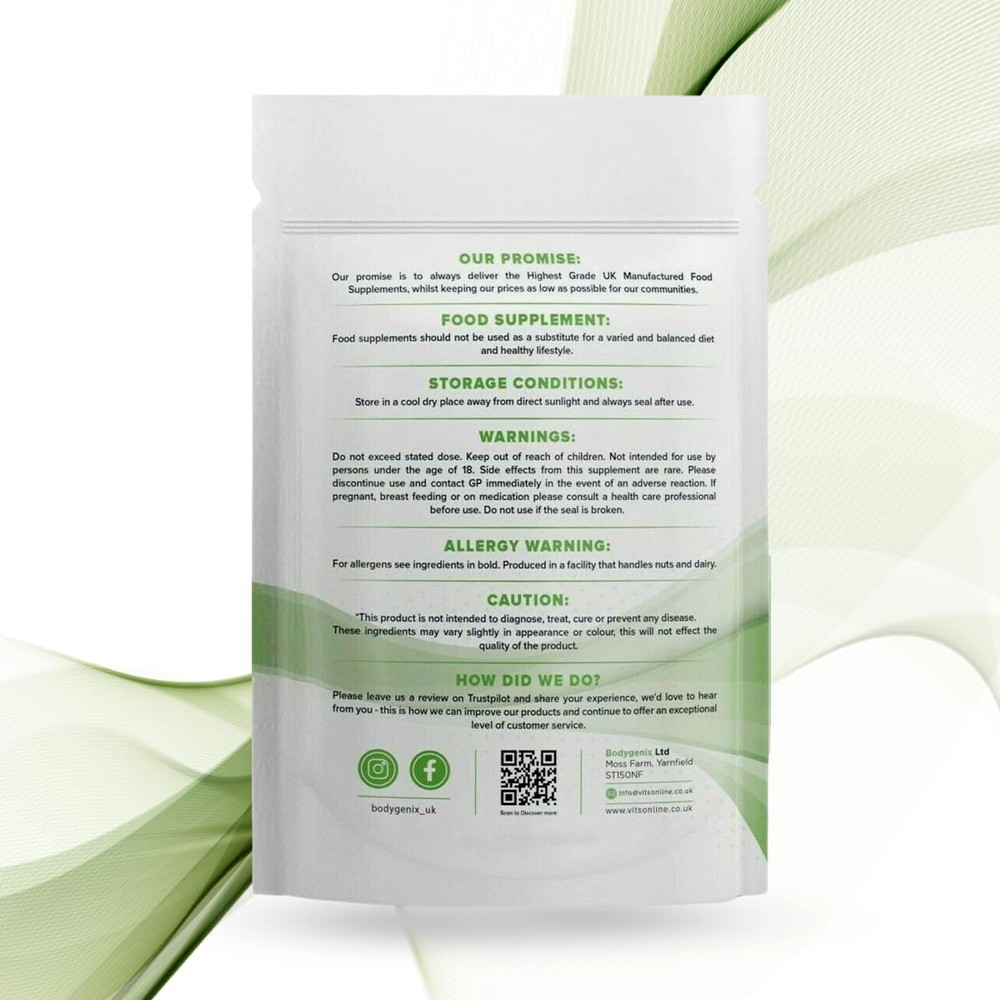
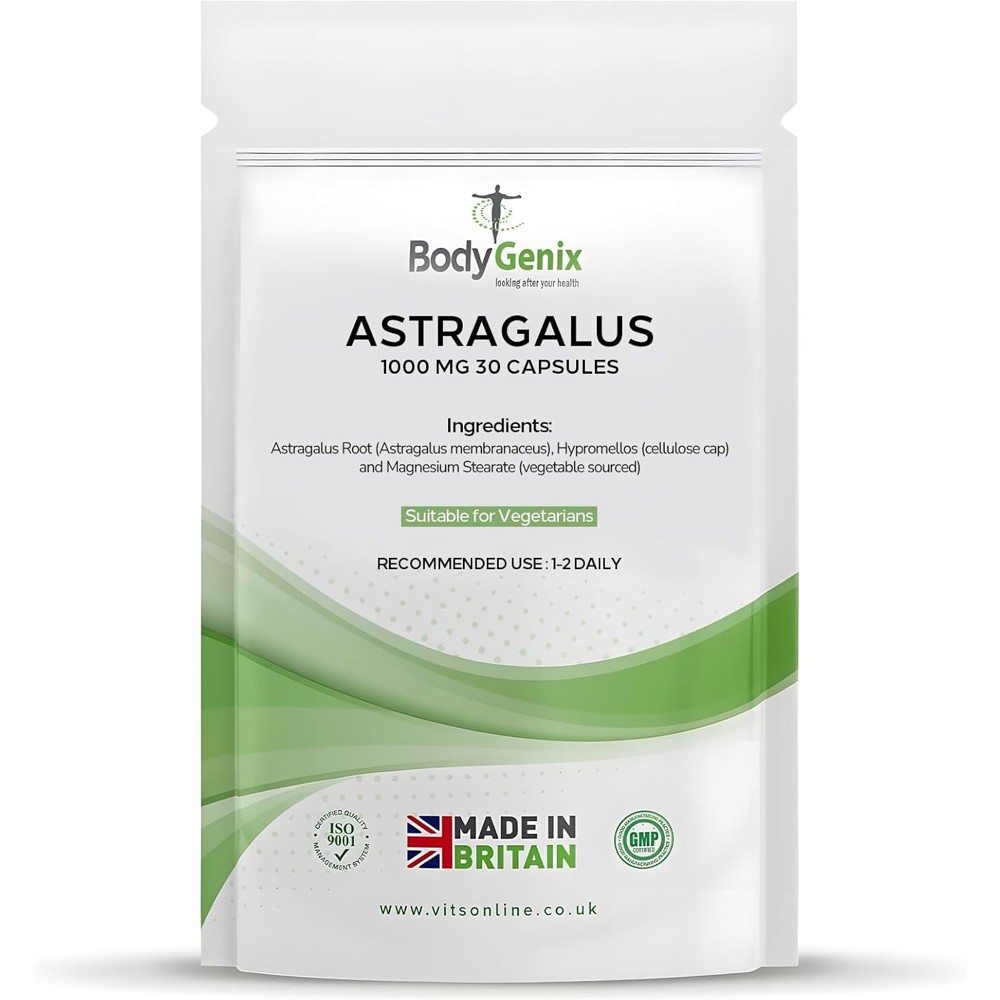
Not all astragalus supplements are equal. Look for products made from Astragalus membranaceus specifically, the species most studied and traditionally used — some products use a concentrated extract rather than powdered root, which is worth noting when comparing potency. Third-party testing from reputable brands is a meaningful quality signal, verifying purity and checking for contaminants like heavy metals or pesticides, and it’s worth reading the label carefully for unnecessary fillers, artificial colours, or allergens, with the actual astragalus content per serving clearly stated.
Immunity & Antioxidants
Where possible, organic sourcing reduces pesticide exposure, and ethical, sustainable sourcing matters too, since overharvesting of wild astragalus is a genuine concern for natural populations — established brands with transparent sourcing and third-party certification are generally a safer bet than unfamiliar, unverified ones.
Is Astragalus Worth Taking?
Astragalus has a long history in traditional herbalism, and early research supports some of its traditional applications, particularly around immune function and seasonal wellness. For healthy adults looking to add a plant-based supplement to their routine, it’s a reasonable option — though it won’t replace a balanced diet, regular exercise, or medical treatment.
As one part of a broader approach to daily health, astragalus has a solid safety record and genuine research interest behind it. Start with a standard dose, choose a third-party tested product, and give it four to six weeks before deciding whether it’s working for you. If you take prescription medication or have an underlying health condition, speak with your GP first.
Disclaimer: This article is for informational purposes only and does not constitute medical advice. Always consult your GP or pharmacist before starting any supplement, particularly if you take regular medication or have an existing health condition.