Multivitamins, vitamin D3, and omega-3 fatty acids form a reasonable nutritional foundation for anyone interested in healthy ageing.
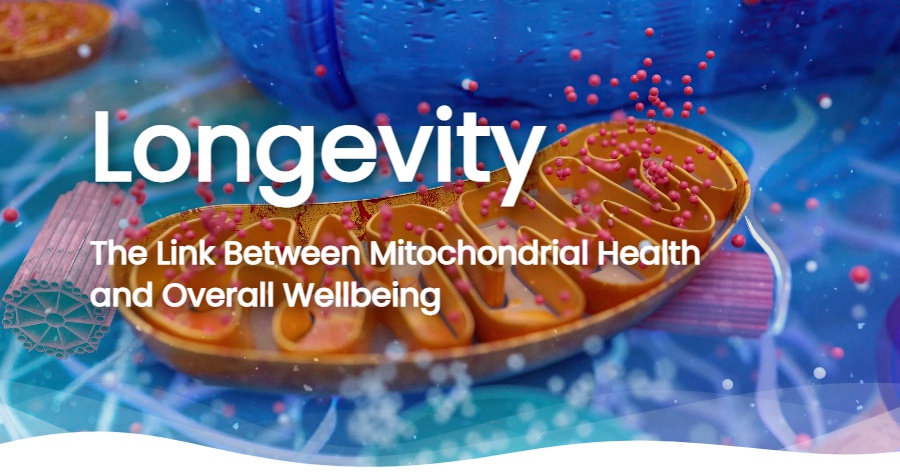
Beyond that foundation, several supplements are studied in relation to mitochondrial function and energy production, which naturally decline with age — including NMN (an NAD+ precursor), CoQ10 with PQQ, and creatine. Antioxidants such as glutathione, ergothionein, and curcumin are studied in relation to oxidative stress and inflammation, while compounds like resveratrol and spermidine are studied for a role in autophagy — the body’s process for clearing damaged cellular components.
It’s worth saying upfront: none of what follows is a way to dramatically extend lifespan on its own, and the evidence quality varies considerably between these compounds — some have reasonable human research behind them, others are supported mainly by laboratory or animal studies. This guide tries to be clear about which is which.
Building Your Core Foundation
Nutrition comes first — whole foods, balanced meals — with supplements filling genuine gaps rather than replacing this foundation.
Multivitamins: A quality vitamin and mineral formula is a reasonable way to help cover micronutrient gaps, though it’s not a substitute for a varied diet.
Vitamin D: Deficiency affects a large proportion of the UK population, particularly in winter. Some observational research has linked higher vitamin D levels to differences in telomere length (a marker studied in ageing research), though this is an association, not proof that supplementation itself changes your biological age. A commonly referenced range is 2,000-5,000 IU daily, though higher amounts within this range are worth discussing with your GP, particularly if you haven’t had your levels tested.
A Note on Regulatory Status
Two ingredients discussed below — NMN and spermidine — currently sit in an evolving regulatory category (“novel foods”) in the UK and EU. As of 2026, NMN has received a favourable safety opinion from EFSA in Europe but is not yet fully authorised, and is listed as “under assessment” by the UK’s Food Standards Agency; spermidine has also faced increased regulatory scrutiny in the EU this year. This doesn’t necessarily mean these products can’t be sold, but it’s a genuinely moving situation worth being aware of — both as a shopper and, if you manage this catalogue, as something worth verifying against current FSA/EFSA status before publishing final product listings.
Supplements Studied in Relation to Healthy Ageing
Nicotinamide Mononucleotide (NMN)
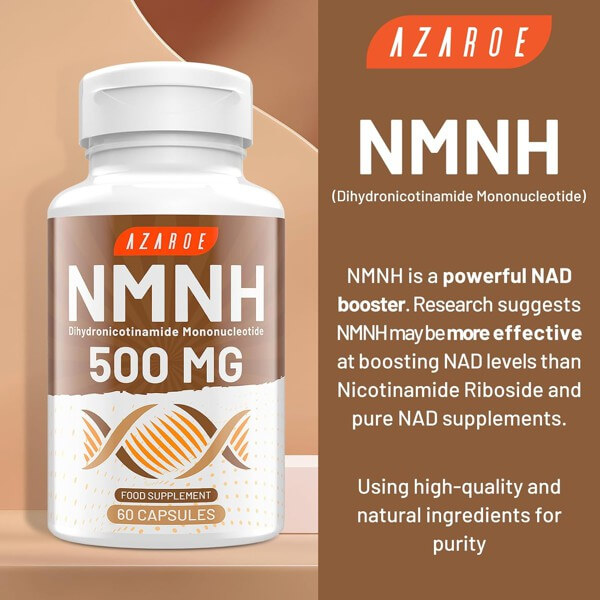
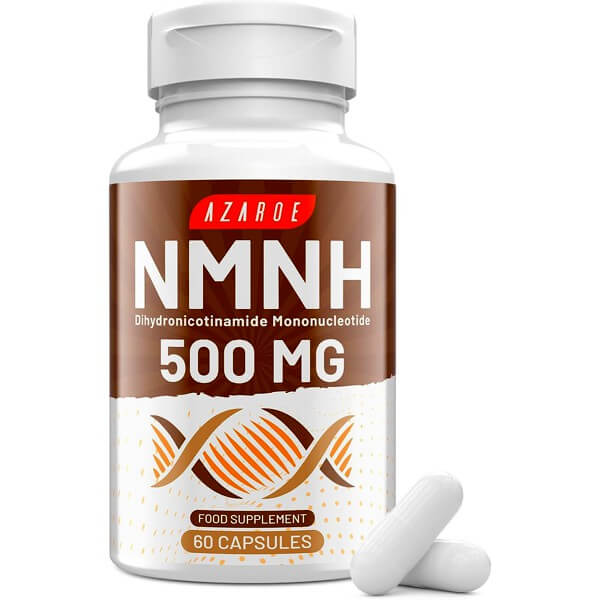
NMN is studied for its role in raising NAD+, a coenzyme involved in energy production, cell repair, and various cellular processes, which is understood to decline with age.
Immunity & Antioxidants
Some randomised, placebo-controlled human studies have explored NMN’s effects on mitochondrial function, cellular energy markers, and sirtuins (molecules associated with ageing-related research) — with some studies reporting improvements in physical performance and metabolic markers. This is a genuinely active and fast-moving research area rather than a settled picture, and — as noted above — its regulatory status in the UK/EU is still evolving too.
Coenzyme Q10 + PQQ
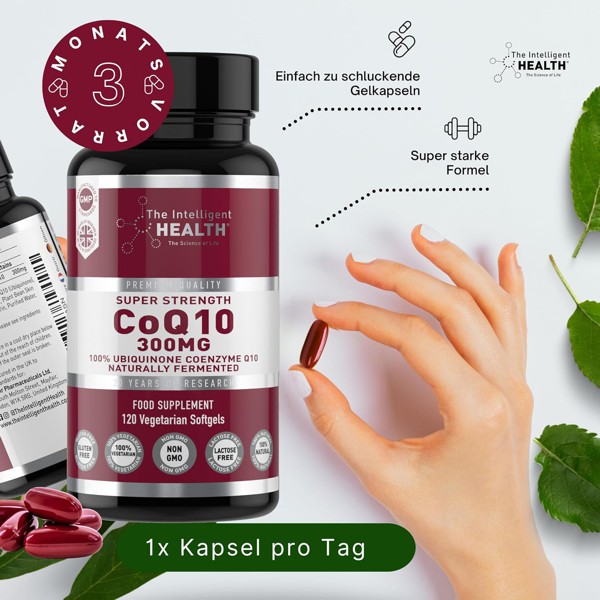
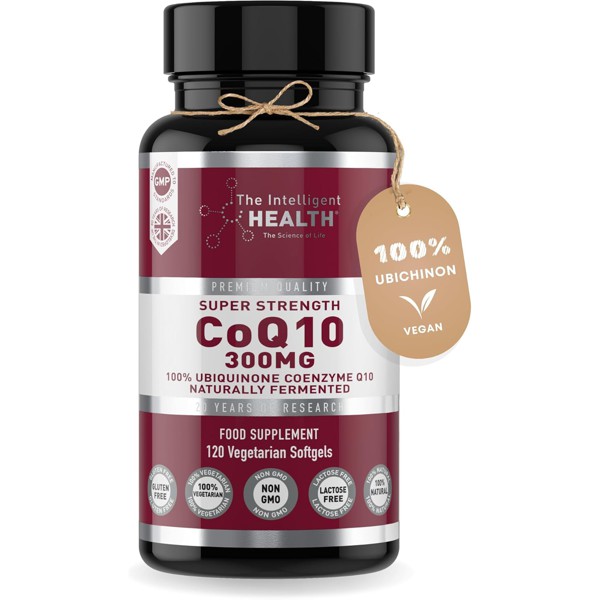
CoQ10 and PQQ are studied together for a possible role in mitochondrial function, which is relevant to ageing given how much cellular energy production tends to decline over time. CoQ10 is relatively well established; PQQ is newer to research, with laboratory and early studies exploring a role in protecting mitochondria from damage and supporting mitochondrial biogenesis (the formation of new mitochondria).
Immunity & Antioxidants
Beyond supplementation, factors generally understood to support mitochondrial function include getting adequate nutrients from diet, maintaining healthy insulin sensitivity, regular physical activity, and reducing exposure to things that place extra burden on cells, such as excess alcohol or smoking — the body’s own liver and kidneys handle elimination of waste products continuously, and no supplement “detoxifies” this process for you.
Glutathione
Glutathione is a molecule produced naturally by cells, made from the amino acids glutamate, cysteine, and glycine, and plays a role in protecting cells from damage.
There’s a genuinely substantial body of research on glutathione’s role in cellular function and immune health — though claims about the exact volume of that research are less important than what it actually shows: maintaining normal glutathione levels is understood to be relevant to healthy cellular function, and low levels are an area of interest in ageing research specifically, rather than a fully settled causal story.
Amino Acids
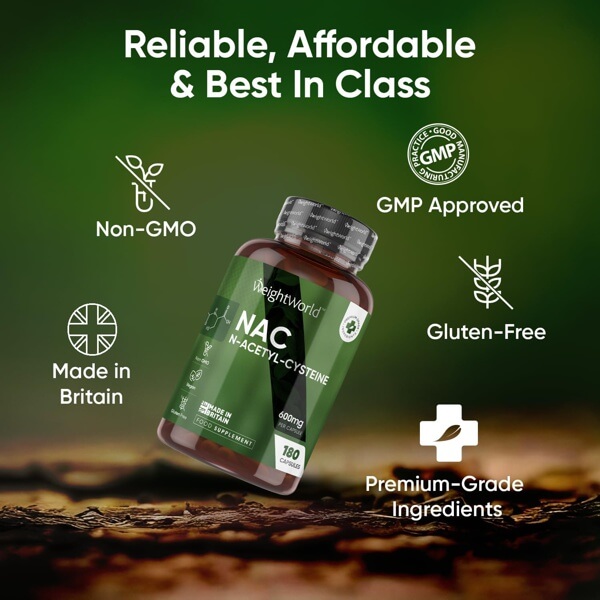
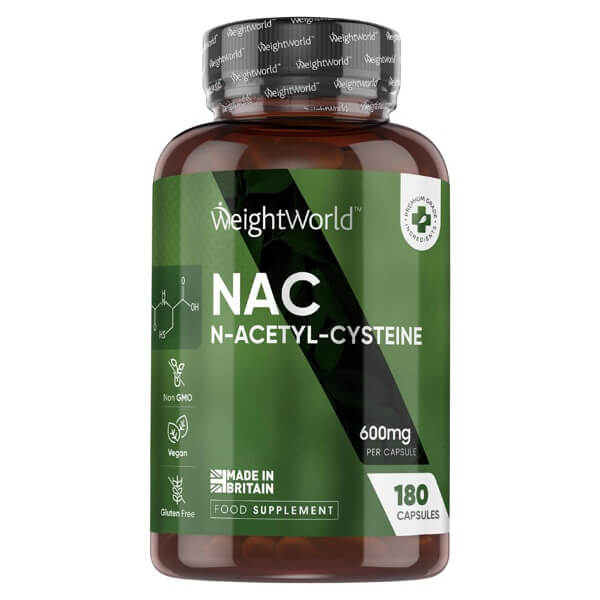
The two most common approaches to supporting glutathione levels are direct glutathione (GSH) supplementation or N-acetylcysteine (NAC), which provides a building block for the body to produce its own glutathione. Commonly referenced doses are 250-1,000mg daily for GSH, and 500-1,000mg daily for NAC — though NAC in particular has specific interaction considerations (see the safety section below).
Ergothionein (ERGO)
Ergothionein is a naturally occurring amino acid, particularly concentrated in mushrooms, studied for antioxidant, anti-inflammatory, and cellular-protective properties.
Some researchers have informally referred to ergothionein as a “longevity vitamin,” reflecting genuine research interest rather than an official classification. Observational research has found lower ergothionein levels in frail elderly people compared with non-frail peers, and another study linked higher levels to better-preserved gait — interesting associations, though association isn’t the same as proof that supplementation reverses these age-related changes.
People who don’t regularly eat mushrooms may have lower dietary ergothionein intake than those who do — a reasonable observation, though it’s worth being cautious about the idea that this automatically constitutes a “deficiency” requiring supplementation; there’s no widely recognised clinical diagnosis of ergothionein deficiency in the way there is for, say, iron or B12 deficiency.
Resveratrol
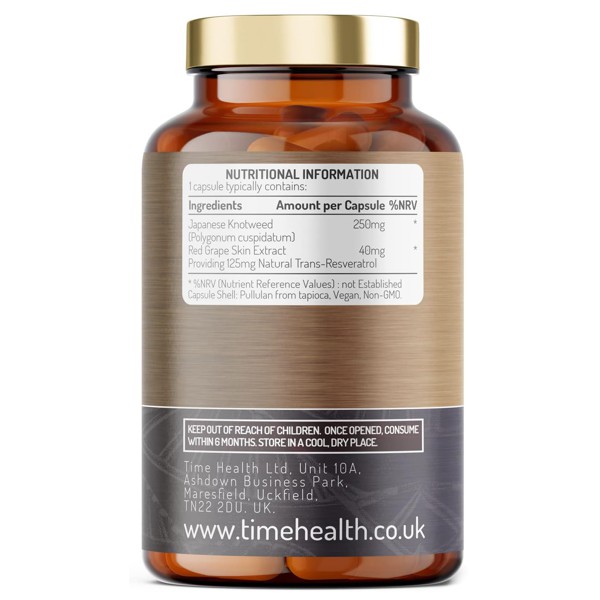
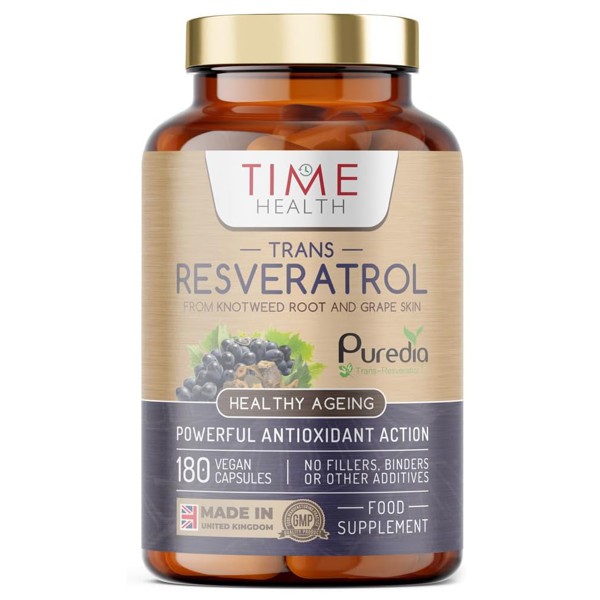
Resveratrol is a polyphenol found in small amounts in grape skins, red wine, peanuts, and blueberries; most supplements actually use Japanese knotweed (Polygonum cuspidatum) as the raw material, since it yields a more concentrated, consistent source.
Immunity & Antioxidants
Resveratrol is studied for a role in autophagy and inflammation, including in the brain, with some studies reporting improvements in mood and mental performance in older adults. It’s worth knowing that resveratrol human trial results have been genuinely mixed overall, partly due to the compound’s naturally poor bioavailability — a reasonable area of interest, but not one with uniformly positive findings across the research.
Spermidine
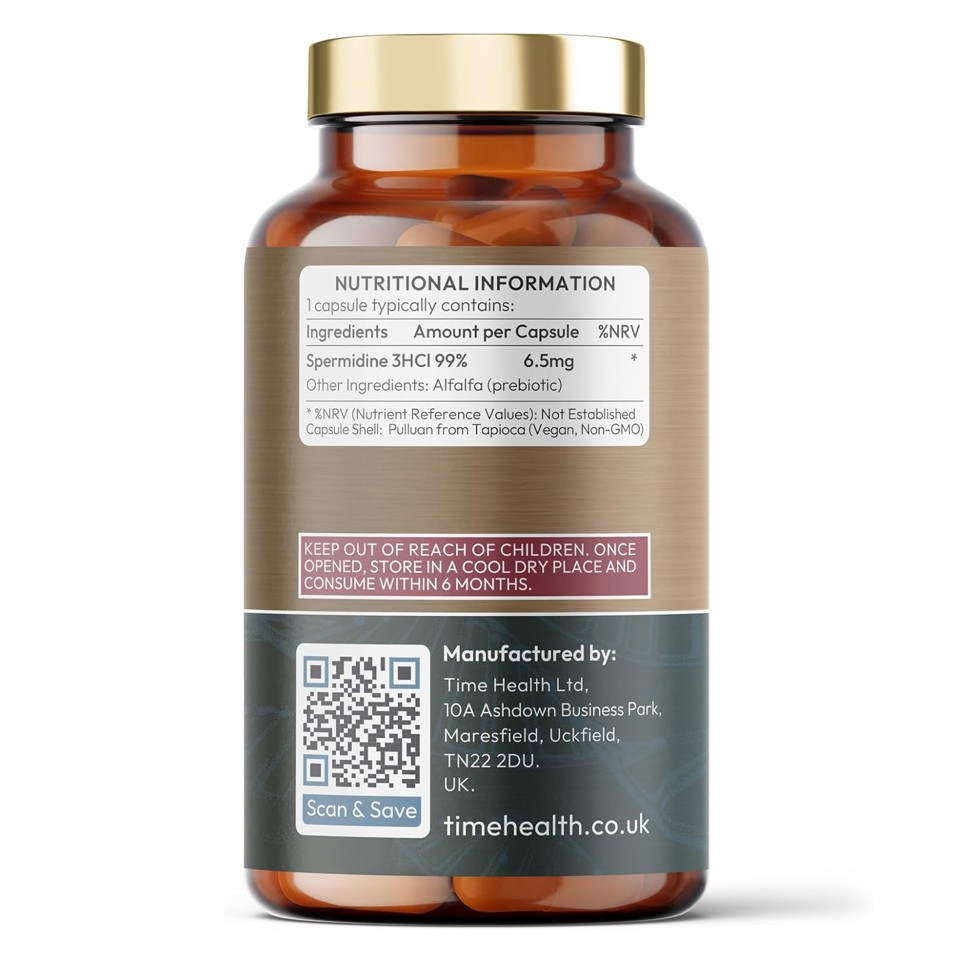
Spermidine is a naturally occurring compound produced in the body and found in various foods, studied for a role in autophagy and cellular health throughout the body — not only in the reproductive context its name might suggest.

Vitamins & Minerals
It’s important to be precise about the evidence here: studies showing spermidine extends lifespan come from ageing models and mice, not humans. In humans, higher natural spermidine levels are associated with markers of healthy ageing in some observational research — a genuinely interesting correlation, but meaningfully different from proven life-extension, and worth reading as an active, ongoing area of research rather than an established outcome.
Creatine
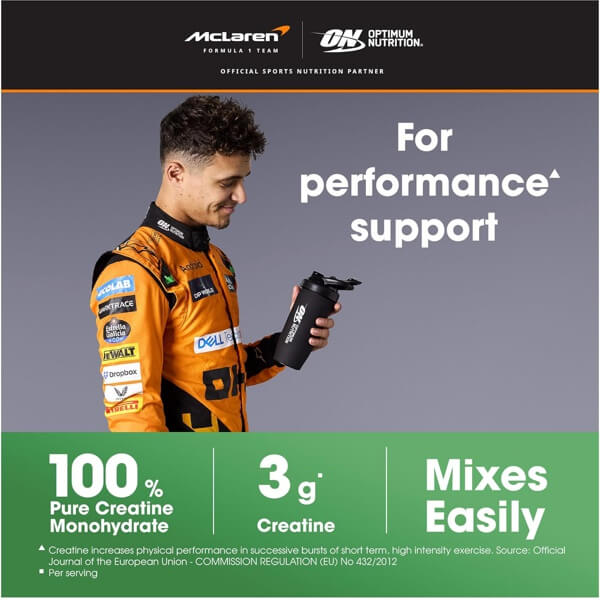
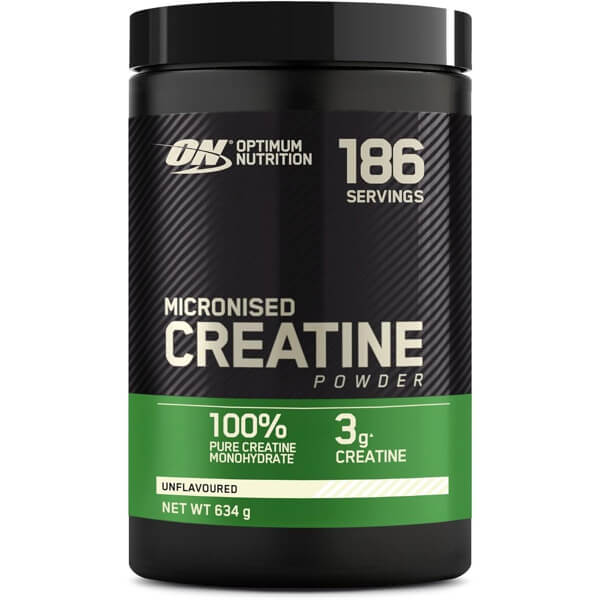
Creatine has one of the more established evidence bases among the supplements in this guide, with numerous human trials showing it supports muscle strength and mass in both men and women. Some research also explores roles in bone health, antioxidant defence, mood, and brain health.
Amino Acids
Maintaining muscle mass is a genuinely important part of healthy ageing — age-related muscle loss (sarcopenia) is well documented, with substantial loss commonly reported by advanced age. A commonly referenced creatine dose is 3-5g daily, often taken after exercise, though timing matters less than consistency.
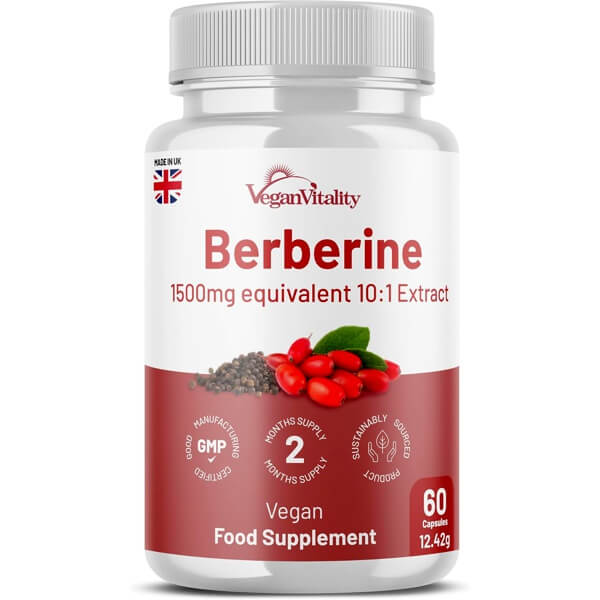
Berberine
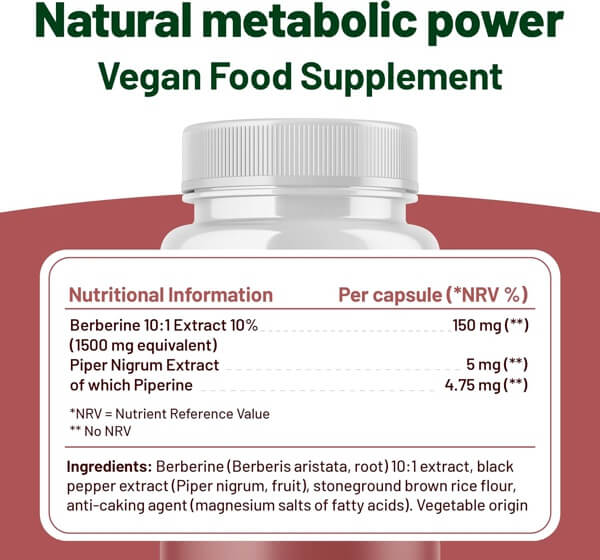
Berberine is studied for a role in blood sugar regulation, with some double-blind human trials reporting effects on blood sugar markers.
An important reframe here: if you have elevated blood sugar, this is a genuine medical matter for your GP to assess and guide — not something to self-manage primarily through supplementation, however it’s framed. Berberine may be something to discuss as a possible complement to a GP-guided plan, but it is not established as a treatment for elevated blood sugar, prediabetes, or diabetes, and shouldn’t be approached as the “most significant” strategy ahead of proper medical assessment.
Herbal Supplements
Berberine can also interact meaningfully with diabetes medication, increasing the risk of blood sugar dropping too low — another reason a GP conversation should come before, not after, starting it.
Omega-3
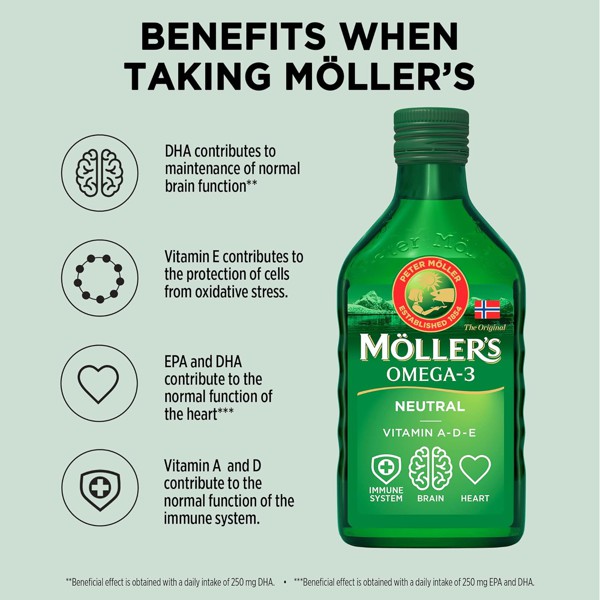
A reasonable daily target is 1,000-2,000mg combined EPA+DHA from a quality fish oil supplement.
Omega-3 & Fatty Acids
The DO-HEALTH study, a large European trial examining vitamin D3, omega-3, and a home exercise programme in older adults, found that omega-3 (1,000mg daily) and vitamin D3 (2,000 IU daily) were associated with modestly slower biological ageing markers over three years, with the combination of all three interventions (including exercise) showing the strongest effect — a genuinely notable, well-designed study, though “modestly slower biological ageing markers” is a more accurate description than “significantly slowed ageing” might suggest to a general reader.
Curcumin
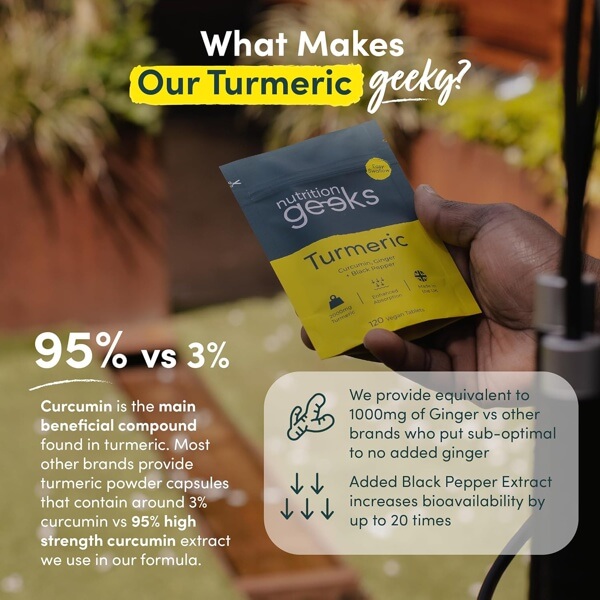
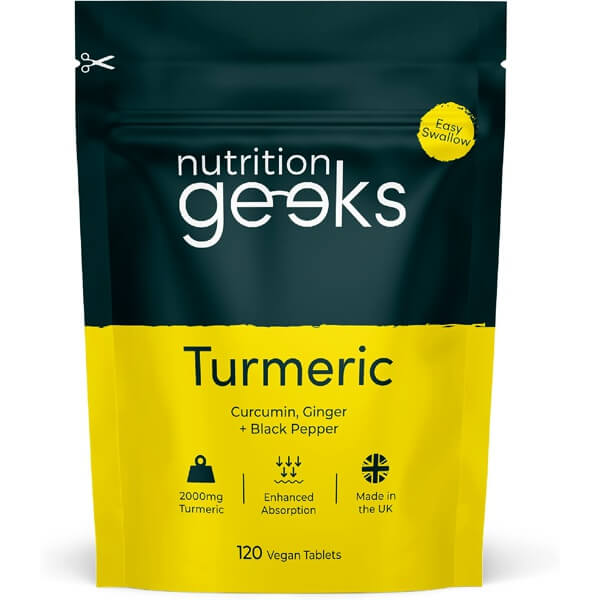
Curcumin, turmeric’s main active compound, is studied for anti-inflammatory and antioxidant properties relevant to ageing research, with some specific branded preparations (such as Theracurmin®, Meriva®, and C3 Complex®) studied for effects on brain health markers, joint comfort, and metabolic measures.
Traditional Herbs
Worth knowing: concentrated curcumin supplements have, in rare cases, been linked to documented instances of liver injury (reported through the MHRA’s Yellow Card scheme and similar systems elsewhere) — uncommon, but a genuine reason to stop and see your GP if you notice unusual fatigue, yellowing skin or eyes, or dark urine after starting a curcumin supplement.
Safety Considerations Across This Guide
Given the number of active compounds covered here, a few things are worth flagging together rather than only in scattered mentions. Berberine can interact with diabetes medication and shouldn’t be started without a GP conversation if you take any, and NAC can interact with nitroglycerin and certain other medications. Omega-3 and curcumin both have mild blood-thinning properties and may interact with anticoagulant medication such as warfarin, and curcumin separately carries the rare but documented liver injury risk noted above. NMN and spermidine, as covered earlier, have an evolving UK/EU regulatory status worth being aware of.
If you take any regular medication or have an existing health condition, it’s worth reviewing your full supplement list with your GP or pharmacist rather than adding each one individually without that broader check.
Lifestyle Factors for Healthy Ageing
Autophagy — the body’s process for clearing cellular debris — is an area of genuine research interest in longevity science, with enhanced autophagy observed in some studies of exceptionally healthy older adults, though this is correlational research rather than proof of a direct causal lifestyle “hack.”
A few factors are generally understood to support this process, and cellular health more broadly: regular physical activity; a diet rich in fruits, vegetables, nuts, seeds, and adequate protein, including foods like berries, green tea, and leafy vegetables as part of a generally varied approach; limiting excess sugar and refined carbohydrates; and, for some people, intermittent fasting approaches such as a 16:8 eating window — a personal choice with reasonable general research support, though not necessary or appropriate for everyone, and worth discussing with a GP if you have any relevant health condition. Herbs and spices like turmeric are a reasonable addition alongside these factors, not a substitute for them.
What Contributes to Ageing?
Researchers associate accelerated ageing with several interconnected factors, including chronic low-grade inflammation, declining mitochondrial function, and cumulative cellular damage. As mitochondrial function and energy production decline with age, cells may become less efficient at clearing cellular debris, which research suggests can further contribute to inflammation — an interconnected cycle rather than a single cause.
Separately, well-established lifestyle risk factors for cardiovascular disease and some cancers include obesity, poor blood sugar control, smoking, and excessive alcohol — addressing these has a stronger, more direct evidence base for healthy longevity than any single supplement in this guide.
Is Memory Loss Inevitable With Ageing?
The brain is highly metabolically active, and age-related changes do affect it — but memory loss isn’t an inevitable, universal outcome of ageing, and there’s a lot within your control.
Nutrition, cardiovascular health, and brain health are closely connected — many of the same lifestyle and nutritional factors that support heart health also appear relevant to brain health, which is part of why the fundamentals (diet, exercise, sleep, blood pressure and blood sugar management) matter more than any single “brain supplement.”
Final Thoughts
Healthy longevity isn’t about finding one single solution — a nutrient-rich diet, regular activity, good sleep, and targeted supplements (where the evidence genuinely supports them) all play a role, with lifestyle fundamentals carrying the strongest evidence overall.
The supplements in this guide vary considerably in evidence quality — creatine, vitamin D, and omega-3 have some of the more established human research behind them, while NMN, spermidine, ergothionein, and PQQ are genuinely promising but earlier-stage areas of research, and two of them currently sit in an evolving UK/EU regulatory category worth being aware of.
Start with the fundamentals, address any genuine nutritional gaps, and treat the more experimental compounds in this guide as areas of interest rather than guaranteed results. Always consult your GP before starting new supplements, particularly if you take medication or manage an existing health condition — this matters more, not less, when combining several active compounds at once.
Disclaimer: This article is for informational purposes only and does not constitute medical advice. If you have elevated blood sugar or any other diagnosed condition, speak to your GP before relying on supplements as part of your approach.