Your body changes in noticeable ways after 40. Perimenopause typically begins around 45, and menopause arrives at 51 on average in the UK, as oestrogen levels decline — affecting bone density, mood, energy, skin, and weight along the way.
Around 80% of women experience symptoms during this transition: hot flushes, night sweats, brain fog, mood swings, joint discomfort, and a slower metabolism are all common. Bone density can drop by around 20% in the first five years after menopause, which is part of why over half of women over 50 show low bone mass or osteoporosis. With around 13 million UK women currently navigating perimenopause or menopause, this is a genuinely shared experience.
This guide covers supplements with a reasonable evidence base for this transition. It’s worth being clear from the start: these are intended to complement HRT (hormone replacement therapy) where relevant, not replace it — HRT remains, according to the NHS, the most effective treatment for menopause symptoms for most people.
What’s Actually Happening Hormonally
The transition generally unfolds in three stages. During perimenopause (often starting in the early-to-mid 40s), cycles become irregular as oestrogen and progesterone fluctuate, and hot flushes, sleep problems, and intensified PMS often begin. Menopause itself is marked by 12 consecutive months without a period, typically around age 51, as oestrogen drops sharply and symptoms often peak. In postmenopause, symptoms can continue for 4-10 years as the body settles into new hormonal levels, with ongoing attention needed for bone and heart health.
Three hormones drive most of this: oestrogen supports bone maintenance, mood regulation (via serotonin), thermoregulation (hence hot flushes when it drops), and skin/hair health. Progesterone tends to decline before oestrogen and affects sleep and fluid balance. Testosterone declines more gradually from around age 35, influencing libido, energy, and muscle mass.
Five Supplements Worth Knowing About
1. Vitamin D3 + K2
Falling oestrogen affects calcium absorption, and UK winters mean many women run low on vitamin D regardless — a genuinely relevant combination given bone density loss is steepest in the first five years after menopause. D3 supports calcium absorption in the gut, while K2 helps direct that calcium toward bone rather than arteries; vitamin D also has a recognised role in normal immune function. For general prevention, 1000-2000 IU D3 alongside 100-125mcg K2 (MK7 form) daily is a commonly referenced range — the NHS minimum is 10mcg (400 IU), particularly October through March, while confirmed deficiency may need higher doses under medical guidance, ideally after testing your levels. Both are fat-soluble, so taking them with a meal containing some fat helps absorption.
One option: Vitamin D3 4000IU and K2 125μg (MK7) by WeightWorld — vegan tablets, roughly an 8-month supply.


Vitamins & Minerals
2. Red Clover (Phytoestrogens)
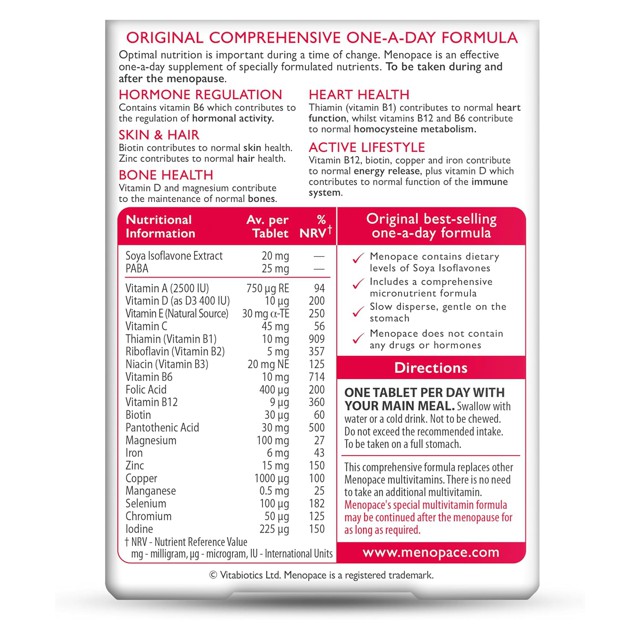
Red clover contains isoflavones (including biochanin A, formononetin, daidzein, and genistein) that weakly mimic oestrogen by binding to oestrogen receptors, without appearing to suppress your own hormone production. Some studies report reductions in hot flush frequency with consistent use over 6-12 weeks, alongside research interest in bone and cholesterol markers, though effect sizes vary considerably between studies. A commonly referenced dose is 40-80mg of isoflavones daily, using a standardised extract rather than raw herb. If you have a history of breast cancer, red clover should only be considered after discussing it with your doctor, given its oestrogen-like activity.
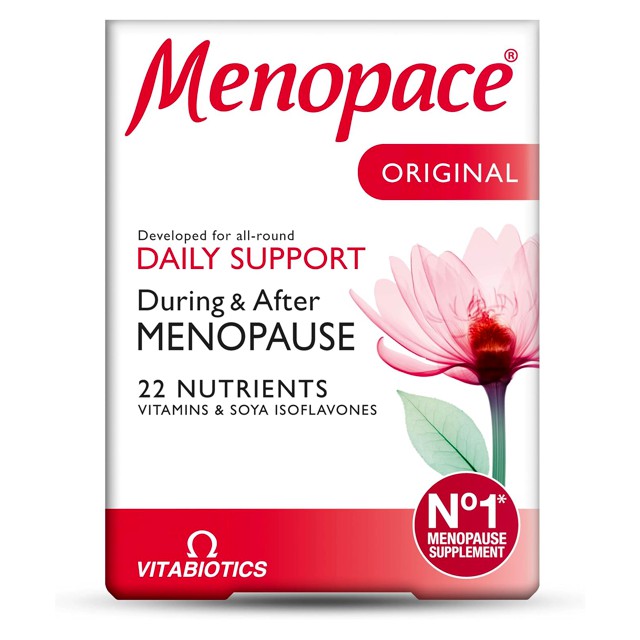
One option: Menopace Original by Vitabiotics — combines soya isoflavones with 22 other nutrients.
Vitamins & Minerals
3. Magnesium
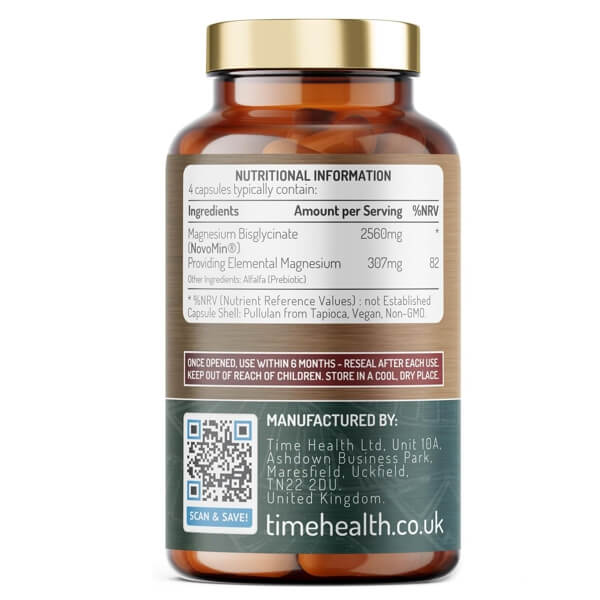
Magnesium is involved in hundreds of enzymatic reactions, including calcium regulation relevant to bone health, and has a recognised role in normal bone maintenance. Research has found women with osteoporosis tend to have lower magnesium levels, and low levels are also linked to disrupted sleep and mood in some studies — glycinate is generally best absorbed and gentlest for sleep and anxiety specifically, citrate is well-absorbed but can have a mild laxative effect, threonate is studied for crossing the blood-brain barrier in relation to memory, and bisglycinate is generally gentle on the stomach. A common range is 300-400mg elemental magnesium daily, often taken in the evening given its association with sleep, split into smaller doses if it causes stomach upset.

Vitamins & Minerals
4. Calcium with Vitamin D
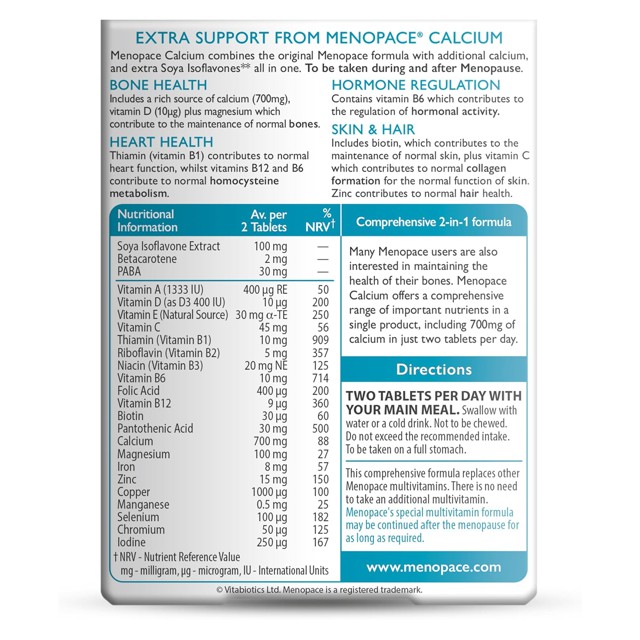
With up to 20% of bone mass lost in the first 5-7 years after menopause and roughly half of women over 50 experiencing a fracture at some point, calcium remains foundational — the NHS recommends 700mg daily generally, with some guidance suggesting 1000-1200mg for those at higher risk. Food sources (dairy, leafy greens, fish eaten with bones) are the priority, with supplements filling genuine gaps rather than replacing diet. It’s worth knowing this is an area of some ongoing scientific debate: a small number of meta-analyses have raised questions about calcium supplements (as opposed to dietary calcium) and cardiovascular risk, so sticking to reasonable doses and prioritising food sources where possible is a sensible approach. Calcium carbonate (40% elemental calcium) is best taken with food; citrate (21% elemental) absorbs well any time. Limiting single doses to 500-600mg improves absorption, and total daily intake shouldn’t exceed 1500mg from all sources combined, given kidney stone risk at higher levels. Weight-bearing exercise alongside calcium intake matters for bone health too.
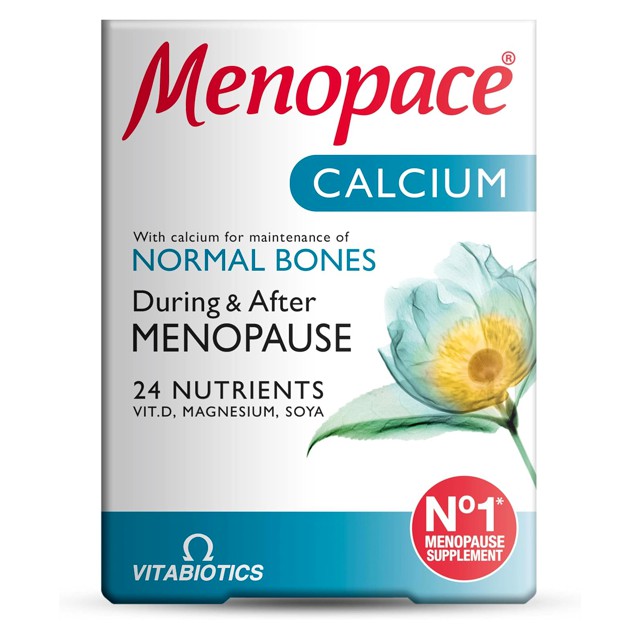
One option: Menopace Calcium by Vitabiotics — 700mg calcium plus vitamin D and 24 other nutrients.
Vitamins & Minerals
5. Omega-3 (EPA/DHA)
Cardiovascular health becomes more of a focus after menopause, as oestrogen’s protective effect diminishes — omega-3s are studied in relation to heart function, inflammation, cognitive clarity, mood, and joint comfort. EPA is more associated with mood and cardiovascular research, DHA with brain and eye function, and a 2:1 EPA:DHA ratio is commonly referenced for women in this age group. A minimum of 1000mg combined EPA+DHA daily is a reasonable general target, with some research on cardiovascular-specific support using 2000-3000mg — taken with food for better absorption. Oily fish (salmon, mackerel, sardines) 2-3 times weekly is the dietary route; smaller wild fish tend to carry lower contaminant levels, and algae-based supplements work well for vegans.

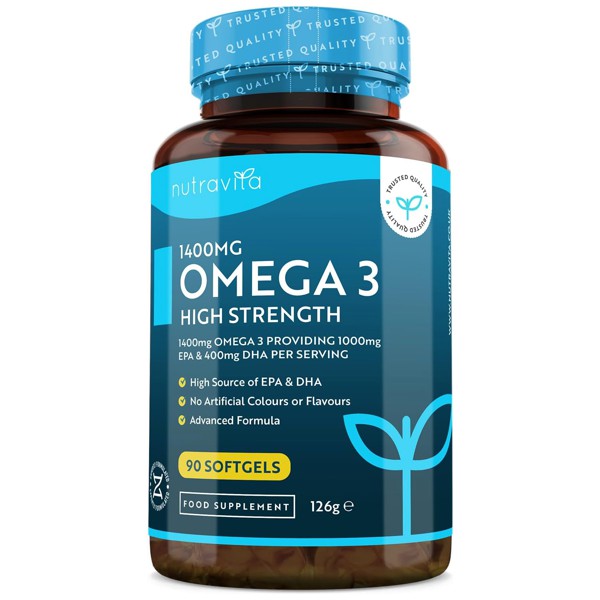
Omega-3 & Fatty Acids
Additional Options for Specific Symptoms
A few other supplements are worth knowing about for particular symptoms, though the evidence base is generally more limited than the five above. Sage extract is one of the more researched options specifically for hot flushes, with some studies reporting meaningful reductions in frequency after around eight weeks of use at doses equivalent to roughly 2000mg of dried leaf (A.Vogel Menoforce is a well-known UK option). B-complex vitamins are worth considering for energy and fatigue, since B12 absorption tends to decline with age, B6 is studied in relation to mood, and folate supports normal energy metabolism.
Iron matters particularly during perimenopause, when heavier periods can deplete stores — testing your levels before supplementing is the sensible first step, and the bisglycinate form tends to be gentler on the stomach than other forms. Ashwagandha (KSM-66) is studied for a role in supporting the body’s stress response and cortisol levels, with some research suggesting benefits for sleep and general stress resilience at doses around 600mg daily — it may interact with thyroid medication, so check with your GP if that applies to you. And Type II collagen is studied specifically for joint comfort and cartilage support, relevant given how commonly joint discomfort appears during this transition, typically at doses around 40mg (UC-II form specifically).
Lifestyle Factors That Matter Alongside Supplements
Nutrition, exercise, sleep, and stress management all have a genuine, independent role here — arguably a bigger one than any single supplement.
On the nutrition side: aiming for 1.2-1.5g of protein per kg of body weight helps offset age-related muscle loss; prioritising calcium-rich foods (dairy, leafy greens, almonds) over relying solely on supplements; including phytoestrogen-rich foods like soya, flaxseed, and legumes regularly; and moderating sugar, alcohol, and caffeine, which can intensify hot flushes for some people. A Mediterranean-style eating pattern — olive oil, nuts, fish, vegetables — is associated with both fewer menopause symptoms and better cardiovascular health in research.
For exercise: strength training 2-3 times weekly supports both muscle mass and bone density, 150 minutes of weekly moderate cardiovascular activity supports heart health and weight management, and practices like yoga or Pilates can help with stress, flexibility, and balance — increasingly relevant for fall prevention with age.
For sleep: aiming for 7-9 hours, keeping the bedroom cool (which can also ease hot flushes), and avoiding screens for an hour before bed all help; some people also find magnesium supports this.
Chronic stress tends to worsen most menopause symptoms, so regular stress management — meditation, breathing exercises, maintaining social connections and hobbies — is worth prioritising, not treating as optional.
Finally, it’s worth discussing HRT with your doctor regardless of what else you try — it provides effective relief for hot flushes for many people, and supplements are intended to complement it, not replace it. HRT isn’t suitable for everyone; a history of breast cancer or blood clots are among the factors your doctor will consider.
Choosing and Taking Supplements Well
Look for third-party certification (such as NSF or Informed Sport), standardised extracts that state active ingredient percentages, and manufacturers that are transparent about sourcing — established UK brands in this space include Vitabiotics (Menopace range), Nutravita, WeightWorld, Healthspan, and A.Vogel.
A simple daily structure some people find helpful:
| Time | Supplements |
|---|---|
| Morning (with food) | Vitamin D3+K2, B-complex, Omega-3 |
| Midday | First half of calcium dose, if split |
| Evening | Magnesium (1-2 hours before bed), second half of calcium dose, ashwagandha |
On timing for results: vitamin D and B vitamins are often assessed after 4-6 weeks, magnesium’s effect on sleep sometimes appears within 1-2 weeks, red clover and isoflavones generally need 6-12 weeks, omega-3 around 2-3 months, and calcium’s effect on bone is a matter of months to years rather than something felt directly. Three months is a reasonable general point to properly assess whether something is helping.
When to See Your Doctor
See your GP for heavy bleeding, severe depression or anxiety, symptoms significantly affecting your quality of life, existing chronic conditions (such as diabetes or hypertension), or before combining any of the above with current medication.
A few specific interactions worth knowing: red clover needs caution with a breast cancer history; calcium needs caution with kidney stones or hypercalcaemia; vitamin K2 needs caution alongside anticoagulants like warfarin; and iron needs caution with haemochromatosis. Possible side effects include constipation or bloating with calcium, diarrhoea at high magnesium doses, a fishy aftertaste with omega-3, and mild stomach upset with isoflavones.
The general approach that works best: introduce one supplement at a time, track how you respond, and don’t exceed recommended doses — more isn’t better, particularly once you’re combining several active ingredients.
Final Thoughts
Menopause is a natural transition, and while symptoms are common, they’re generally manageable with the right combination of supplements (where evidence supports them), lifestyle adjustments, and medical guidance when needed.
Of everything covered here, vitamin D3+K2, red clover or isoflavones, magnesium, calcium, and omega-3 form the most evidence-backed foundation — a reasonable starting point is two or three of these, given three months to assess, rather than starting everything simultaneously. If you have a chronic health condition or take regular medication, loop in your GP before starting.
Disclaimer: This article is for informational purposes only and does not constitute medical advice. Always consult your GP before starting any supplement regimen, particularly alongside existing medication or health conditions.