
Late November marks the start of winter in the UK, as days shorten and temperatures drop — and the NHS reports health advice searches peak between December and February, which isn’t a coincidence. Shorter days mean less sunlight and lower natural vitamin D production, closed windows and central heating change indoor air quality, and more time in offices and on public transport means more exposure to other people generally.
Beyond vaccination, which the NHS recommends for winter wellness, certain nutrients have a recognised role in supporting normal immune function. This guide covers what the evidence says about a few of them, alongside the lifestyle habits that matter just as much.
Why Winter Affects Your Body
Roughly 57% of UK adults have insufficient vitamin D levels between October and March, according to research — a big enough issue that the UK government treats winter vitamin D deficiency as a genuine public health concern, given the vitamin’s recognised role in normal immune function.
Cold, dry air affects the mucus membranes in your nose and throat, which act as a natural barrier — and central heating often drops indoor humidity below 30%, compounding this. With most people spending around 90% of winter days indoors, poor ventilation can also affect air quality.
December’s parties, shopping, and family gatherings tend to disrupt routine too — the average Brit loses around 2 hours of sleep weekly during the festive season, and sleep has its own recognised role in normal immune function.
A few groups are worth extra attention during winter specifically: adults over 65, people with chronic conditions (diabetes, heart disease, asthma), pregnant women, and anyone working in offices or public transport with high exposure to others. If you’re in one of these groups, it’s worth discussing your specific needs with a GP or pharmacist rather than following general guidance alone.
Nutrients Worth Knowing About
Vitamin D
Vitamin D contributes to the normal function of the immune system — one of the more well-established, EU-authorised claims in this space, which is part of why it’s the most consistently recommended winter supplement. UK health authorities (the UK Health Security Agency, formerly Public Health England) recommend 400 IU (10mcg) daily from October through March for the general population, while some nutrition professionals suggest higher maintenance levels for adults specifically.
A reasonable maintenance range is 1,000-2,000 IU daily, with higher amounts (up to 4,000 IU) generally reserved for confirmed deficiency and ideally guided by a healthcare professional. Since it’s fat-soluble, taking it with breakfast improves absorption.


Vitamins & Minerals
The product above combines D3 with K2, which has its own recognised role in normal bone health and is thought to work well alongside D3 — the bottle provides roughly eight months of supply and suits a vegan diet.
Vitamin C
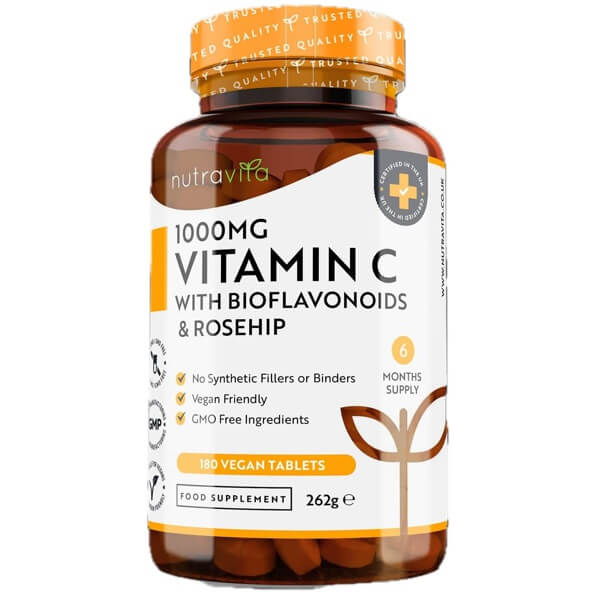
Vitamin C contributes to normal immune system function and works as an antioxidant, helping protect cells from oxidative stress, alongside a recognised role in normal skin and mucous membrane function. The body can’t produce or store vitamin C, so consistent daily intake — through diet or supplements — matters more than for fat-soluble vitamins you can store.

Vitamins & Minerals
A daily maintenance range of 500-1,000mg is common, with some people taking up to 2,000mg (split into doses) during higher-need periods — vitamin C is generally better absorbed alongside bioflavonoids, which is why some formulations, like the rosehip-based product above, include them; this option provides roughly six months of supply and is generally gentle on the stomach.
Zinc
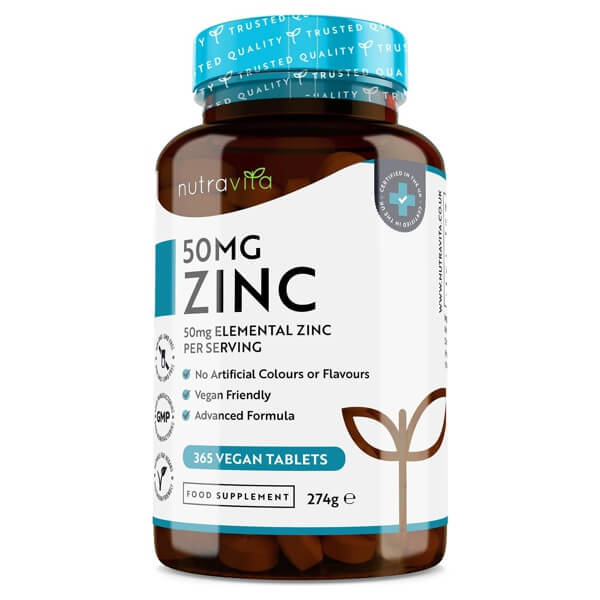
Zinc contributes to normal immune system function, normal skin and mucous membrane maintenance, protection of cells from oxidative stress, and normal protein synthesis and DNA maintenance — a broad, well-established set of roles for a single mineral.

Vitamins & Minerals
A daily maintenance range of 15-30mg is typical, with short-term higher intake (up to 50mg) generally reserved for specific situations under a healthcare professional’s guidance — taking it with food improves tolerance. The product above offers a full year’s supply in a vegan formula.
Elderberry
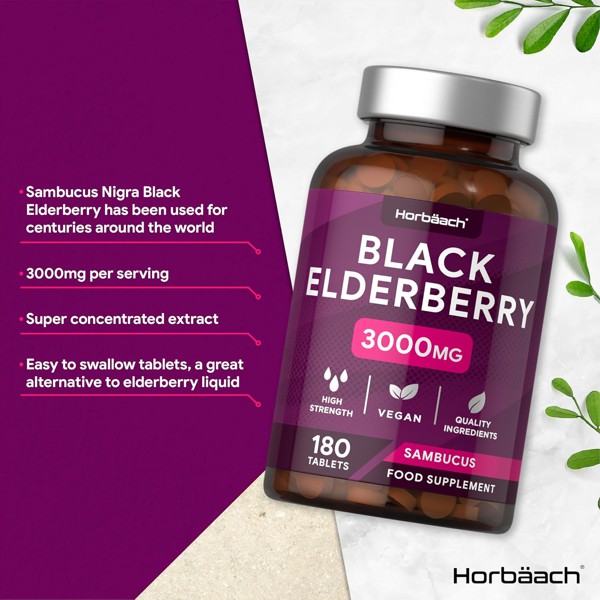
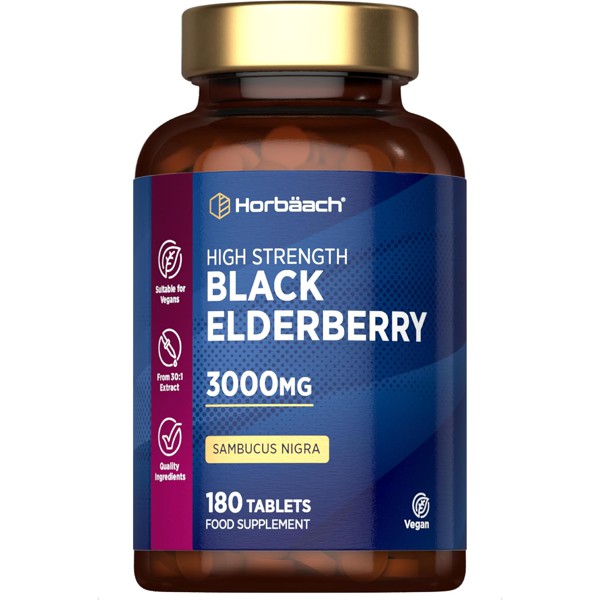
Black elderberry (Sambucus nigra) has a long history of traditional use during winter months, and contains anthocyanins and other plant compounds that are the subject of ongoing research interest, though the evidence base is less established than for vitamin D, C, or zinc specifically. Standardised extracts are generally preferred for consistent potency.
Fruit & Berry Extracts
The product above delivers a concentrated 3,000mg extract per dose, once daily, with roughly six months of supply per bottle.
Probiotics
The gut houses complex bacterial communities that interact with the immune system in ways researchers continue to study — probiotics are live bacteria studied for a supportive role in this relationship, alongside more established benefits for general digestive comfort.
The product above provides 77 billion CFU per capsule across a multi-strain formula, in acid-resistant capsules designed to survive the journey through the stomach — roughly two months of supply per bottle.
Lifestyle Factors for Winter Wellness
Supplements are one part of the picture — daily habits do a lot of the underlying work.
Sleep has a recognised role in normal immune function, so aiming for 7-9 hours on a fairly consistent schedule, even at weekends, is worth prioritising through the busy winter months specifically.
On nutrition: 5-9 servings of vegetables and fruit daily remains a solid general target. Citrus, kiwi, and bell peppers are useful vitamin C sources; nuts, seeds, and legumes provide zinc and selenium; fatty fish like salmon and mackerel offer omega-3 and vitamin D; garlic and onions contain sulphur compounds of research interest; and yoghurt, kefir, and kimchi are natural probiotic sources. Protein at each meal — from lean meat, fish, eggs, or plant sources — supports general tissue maintenance too.
Regular movement matters beyond just fitness — 30 minutes of moderate activity daily (walking, cycling, swimming) supports multiple body systems, and outdoor activity has the added benefit of some vitamin D production even on cloudy days, plus a general mood boost from daylight and fresh air. Balancing activity with adequate rest and recovery matters just as much as the activity itself.
At home, thorough handwashing (20 seconds, before eating and after touching public surfaces) remains one of the simplest, most effective habits, with hand sanitiser as a reasonable substitute when soap isn’t available. Ventilating indoor spaces — even just opening a window for 10 minutes every few hours — helps air quality, and a humidifier can help maintain the 40-60% indoor humidity that’s generally more comfortable for breathing when the heating is running constantly.
Finally, daily stress management is worth building in deliberately during a season that tends to add extra demands: brief meditation or breathing exercises, limiting news and social media consumption, time with hobbies and the people you care about, and time outdoors all help.
Getting Started and Combining Supplements
Vitamin D is worth taking throughout the whole October-to-March window; vitamin C and zinc work well as ongoing daily maintenance; elderberry is generally used in 2-3 month blocks during winter rather than year-round; and probiotics are often taken in similar 2-3 month courses for digestive support.
A simple daily structure some people find helpful: vitamin D3+K2 with breakfast (needs the fat for absorption), vitamin C after lunch, and zinc with probiotics at dinner.
A few safety notes worth keeping in mind: never exceed the dose on the product label, and if you take regular medication or have an existing health condition, check with your GP first, since several of these nutrients can interact with certain prescriptions. Food supplements support your existing nutrition and immune function — they don’t replace a balanced diet or medical care when it’s actually needed. If you’re trying more than one new supplement, introducing them a few days apart makes it easier to notice if something doesn’t agree with you.
When to See a Doctor
See your GP if you experience a high fever lasting more than 3 days, difficulty breathing or chest discomfort, symptoms that persist beyond a week, a severe headache with neck stiffness, or confusion alongside persistent digestive upset. If you’re elderly, pregnant, or managing a chronic condition, staying in regular contact with your healthcare provider through winter is worth prioritising regardless of how you’re feeling day to day.
Final Thoughts
Winter wellness comes down to consistent habits more than any single supplement — starting now, in late November, makes sense given vitamin D takes 2-3 weeks to reach optimal blood levels, so waiting until you’re already run down means playing catch-up.
If you’re only adding one thing this winter, vitamin D has the strongest case for it. From there, 2-3 supplements chosen for your specific situation, alongside 30 minutes of daily movement and consistent sleep, cover most of the ground that actually matters.
Disclaimer: This article is for informational purposes only and does not constitute medical advice. Always consult your GP or pharmacist before starting any supplement, particularly if you take regular medication or have an existing health condition.