
Vitamin B9 is essential for cell division, DNA synthesis, and red blood cell production. Confusion often surrounds this nutrient, partly because labels use several different names: folate, folic acid, L-methylfolate, 5-MTHF.
Here’s what’s genuinely useful to understand: synthetic folic acid requires conversion by the body’s enzymes before use, while the active form, L-methylfolate (5-MTHF), doesn’t need this conversion step. Some people have gene variations that affect how efficiently they convert folic acid — though, as covered below, this is a more nuanced picture than “most people need methylfolate instead,” and it’s especially important to get right when it comes to pregnancy specifically.
This guide looks at the science, benefits, dosage, and safety of B9 forms available in the UK — including where current NHS and NICE guidance differs from some of the claims you’ll see elsewhere about methylfolate.
Understanding the Different B9 Forms
Natural folate is found in leafy greens, liver, and legumes, though bioavailability varies with food preparation and individual digestion — overcooking, for instance, can reduce folate content significantly. Folic acid is the synthetic, oxidised form used in fortified foods and most standard supplements; the MTHFR enzyme converts it into its active form before the body can use it.
People with reduced MTHFR enzyme activity — most significantly those with two copies of the C677T variant (homozygous) — show meaningfully reduced conversion capacity. It’s worth being precise here: having one copy of a variant (heterozygous) has much less clinical significance than having two, and gene variant carriers are a broader, more common group than the smaller subset with clinically meaningful reduced conversion. Mainstream genetics bodies, including in the UK, do not currently recommend routine MTHFR testing or using variant status alone to guide supplement choice for most people. At high folic acid intakes, unmetabolised folic acid (UMFA) can appear in the bloodstream — research into UMFA’s health significance is ongoing and the picture isn’t fully settled, so it’s a reasonable area of interest rather than an established harm for most people at standard doses.
L-methylfolate is the metabolically active form of vitamin B9, bypassing the MTHFR conversion step entirely. It’s generally well absorbed, including in people with reduced MTHFR enzyme activity, though “generally well absorbed” is a more accurate description than “100% bioavailable regardless of genetics” — absorption in biology is rarely absolute. L-methylfolate, 5-MTHF, and Metafolin all refer to this same active form.
Why B9 Matters
Folate enables the transfer of one-carbon groups necessary for nucleic acid synthesis, supporting the rapid cell turnover in tissues like the gut lining, hair, and nails, and the body needs it to produce healthy red blood cells — deficiency can lead to megaloblastic anaemia, causing fatigue, lethargy, and paleness.
Folate, alongside vitamins B12 and B6, also plays a role in the methylation cycle that breaks down the amino acid homocysteine. Elevated homocysteine has been linked to cardiovascular risk in research, though whether lowering it through supplementation directly reduces cardiovascular events specifically is a more complex, less settled question than the homocysteine link alone suggests. Folate is additionally involved in pathways relevant to neurotransmitter production, including serotonin, dopamine, and norepinephrine, and some studies have found an association between folate deficiency and low mood — worth being aware of, though this is an association, not a claim that folate supplementation treats depression.
When to Supplement
Preconception and Pregnancy
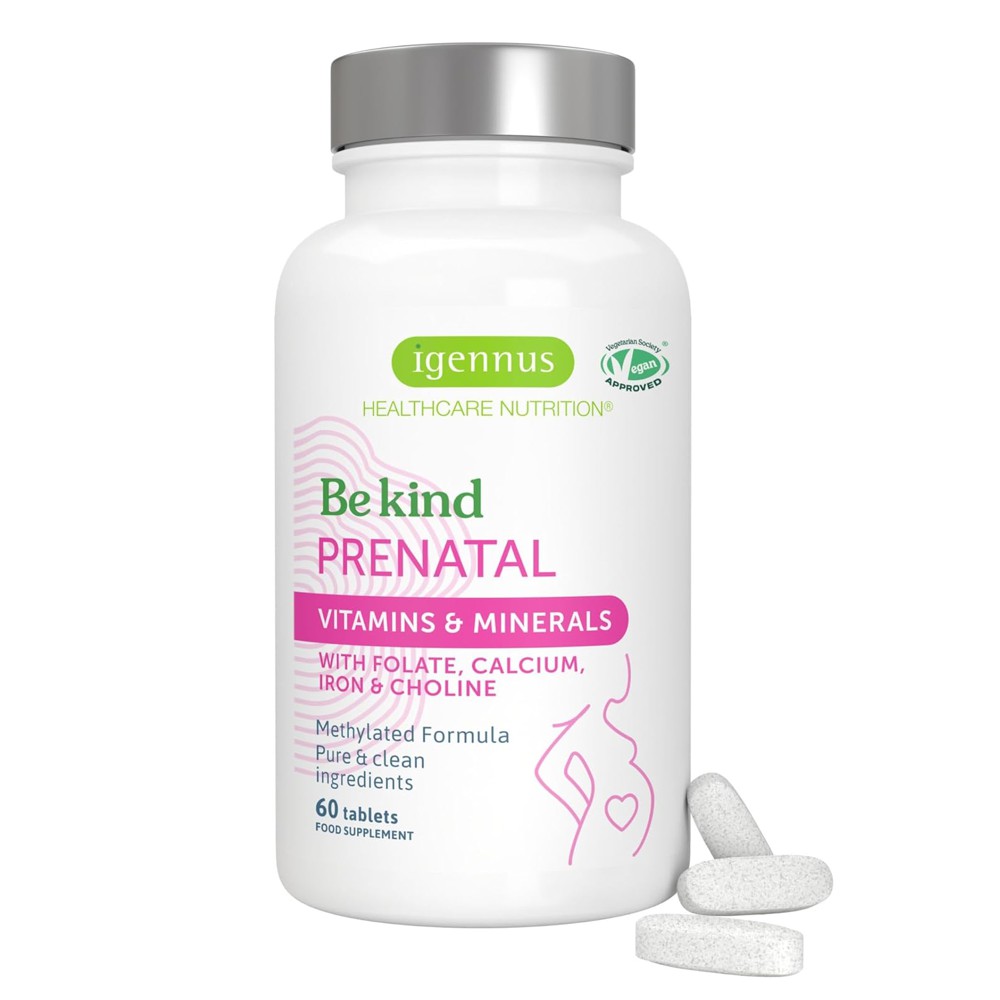
Folic acid helps prevent neural tube defects such as spina bifida. NHS guidance recommends 400 micrograms of folic acid daily from before conception until week 12 of pregnancy, since neural tube development happens early, in the first trimester.
An important, honest note on folic acid vs methylfolate for pregnancy: you may see methylfolate marketed as a “superior” choice for pregnancy because it doesn’t need enzymatic conversion. It’s important to know that the neural tube defect prevention evidence — going back to the landmark 1991 MRC Vitamin Study — is specifically built on folic acid, not methylfolate. A 2024 evidence-based review in the journal Nutrients concluded there’s a genuine lack of clinical studies evaluating 5-MTHF specifically for neural tube defect prevention, and that more research is needed before it can be considered comparable to folic acid for this purpose. NICE does not currently recommend routine MTHFR testing before or during pregnancy, and the UK Teratology Information Service (UKTIS), while not considering methylfolate harmful in pregnancy, does not recommend it over folic acid as a first-line choice for the general population.
In practice, this means: for most women without a confirmed MTHFR variant or other specific risk factor, standard NHS-guideline folic acid (400mcg, or 4-5mg for higher-risk groups as advised by a GP) is the evidence-backed default — not methylfolate. Methylfolate may be a reasonable option specifically for women with a confirmed MTHFR variant, a previous pregnancy affected by a neural tube defect, or difficulty tolerating folic acid, and this is worth discussing directly with your GP or midwife rather than deciding based on general marketing claims.

Vitamins & Minerals
MTHFR Gene Variations
MTHFR gene variants are common, and having one is not in itself unusual or necessarily clinically significant — the picture depends heavily on which specific variant, and whether you carry one or two copies. People with confirmed MTHFR polymorphisms that meaningfully affect enzyme function may benefit from the active form of folate, ideally as part of a conversation with a GP rather than a general assumption. Genetic testing and interpretation for this purpose is a specialist area, and self-diagnosing based on general population statistics isn’t a reliable substitute for that.
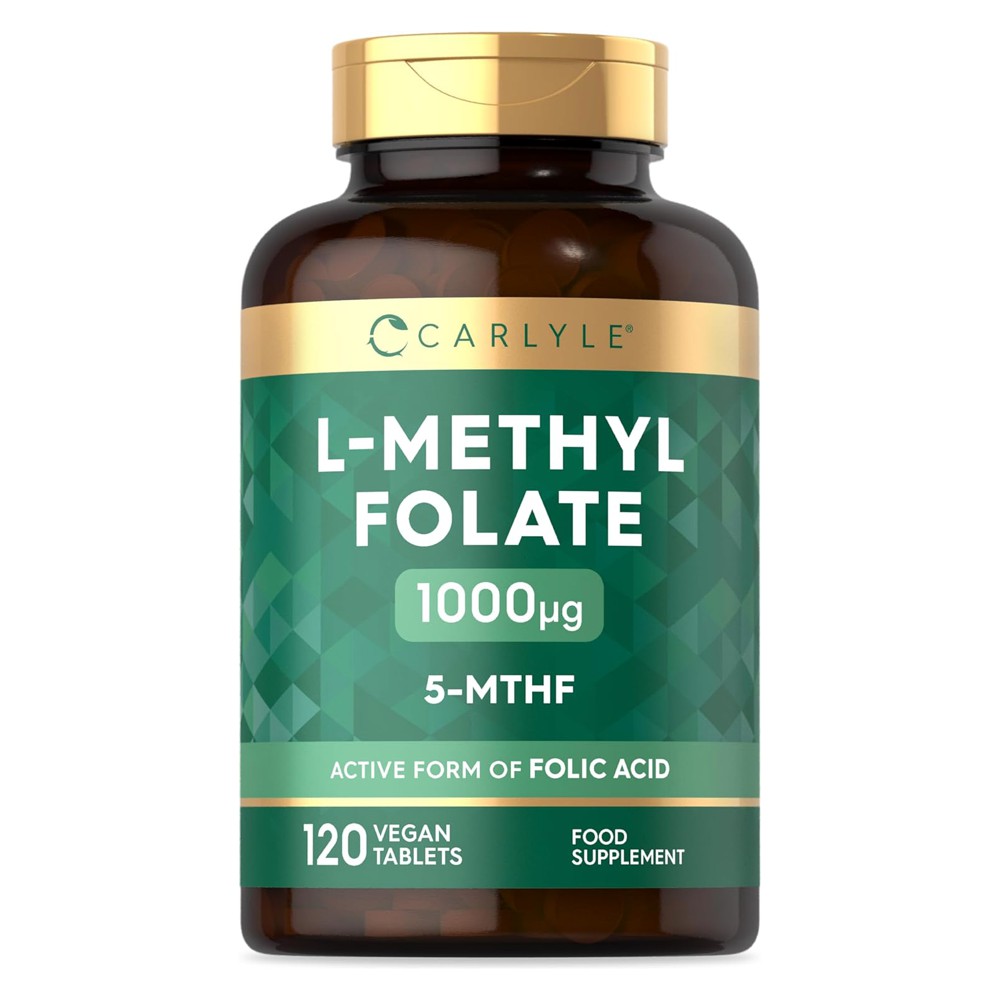
High-dose, standalone L-methylfolate supplements (ranging from 800mcg to 15mg) exist for people with diagnosed MTHFR-related concerns or specific therapeutic needs identified by a healthcare professional — these are not general-population doses.

Vitamins & Minerals
Diagnosed Deficiency and General Wellbeing
Treatment for diagnosed folate deficiency anaemia typically involves 5mg folic acid daily for adults and children over one year, prescribed and monitored by a GP — this is a treatment protocol, not a general supplementation guideline. More broadly, adequate folate status supports the body’s fundamental biochemical processes, though “supports methylation” isn’t the same as a specific promise of increased energy — if you’re experiencing persistent fatigue, it’s worth discussing the underlying cause with your GP rather than assuming folate alone will resolve it.
Dosage and Safe Intake
UK guidance suggests around 200 micrograms of folate daily for the general adult population from diet, with most standard supplements providing 400 micrograms. Standard pregnancy supplementation is 400 micrograms daily from pre-conception to week 12, per NHS guidance, while higher-risk groups require 5mg (5,000 micrograms) daily, available on prescription — this applies if you or your partner had a previous pregnancy affected by a neural tube defect, you have diabetes, you take anti-epilepsy medication, your family history includes spina bifida, or you have certain blood disorders. This higher dose should be discussed with and prescribed by a GP; it isn’t a general over-the-counter recommendation.
You’ll sometimes see L-methylfolate doses presented in numbers that look lower than folic acid equivalents (for example, 400mcg methylfolate versus 400mcg folic acid) because it doesn’t require conversion — but as covered above, “doesn’t require conversion” is not the same as “proven superior for every use case,” particularly neural tube defect prevention specifically, where folic acid remains the evidence-backed standard.
Side Effects and an Important Safety Note
Folic acid is generally very well tolerated. Mild side effects are uncommon and can include nausea, appetite loss, bloating, or gas — taking supplements with food can help minimise these.
This is a genuine safety concern worth understanding: high doses of synthetic folic acid can mask the blood-count symptoms of vitamin B12 deficiency, meaning a doctor might identify anaemia without also catching an underlying B12 problem. Untreated B12 deficiency can cause nerve damage that becomes harder to reverse the longer it goes undetected — symptoms can progress from tingling and numbness to coordination problems and memory issues.
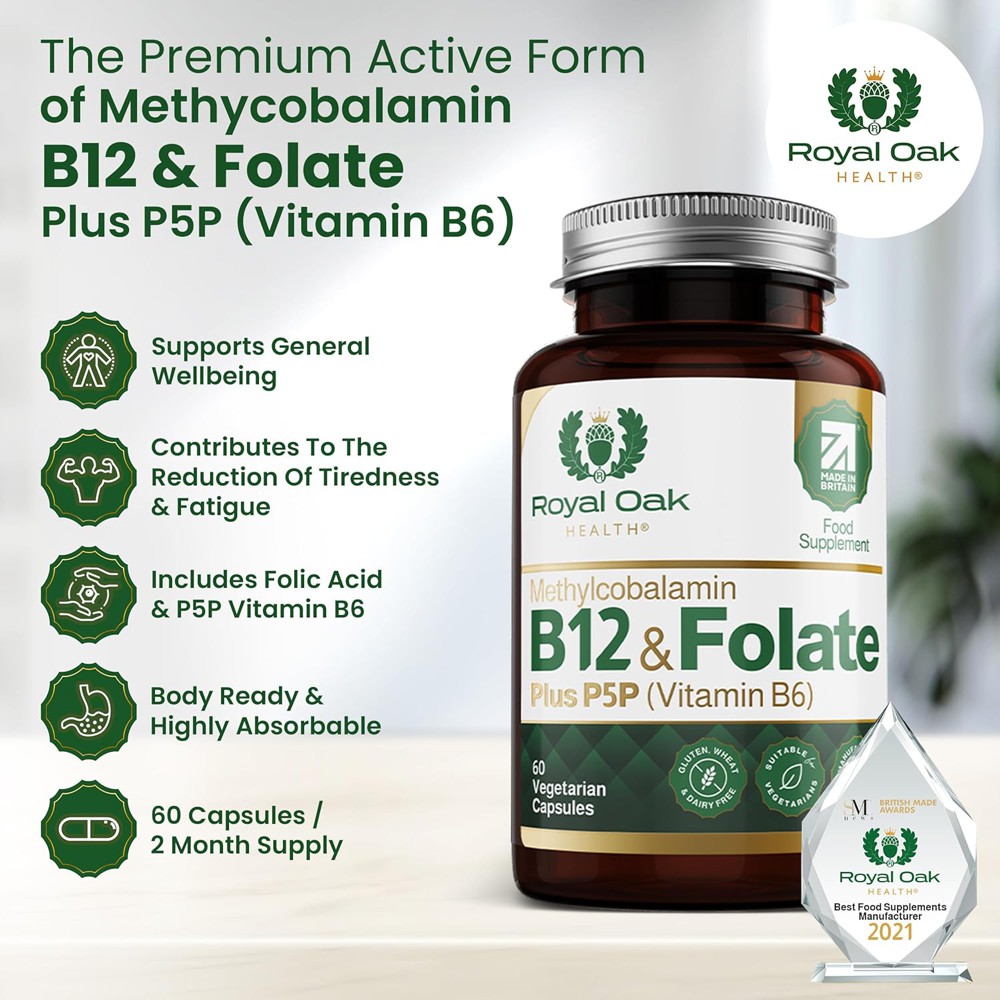
What this means practically: anyone taking folate at higher, sustained doses should ensure their B12 status is also adequate, ideally checked by a GP rather than assumed. A combined methylcobalamin (active B12) and methylfolate product is one way some people choose to address both nutrients together, though it isn’t the only appropriate approach — plenty of people do perfectly well with separate, standard-dose supplements, and a GP conversation is more reliable than a general product recommendation for anyone with a genuine concern about B12 status.
Vitamins & Minerals
Choosing Your Supplement
Your choice depends on your specific situation, not a blanket assumption that one form is always better. Higher-strength L-methylfolate is intended for people with a confirmed genetic variation or a specific therapeutic need identified by a healthcare professional, not general population use — balanced complexes combining methylcobalamin with L-methylfolate are a reasonable option for people wanting both nutrients in their active forms, though standard folic acid and cyanocobalamin B12 work perfectly well for most people without a specific reason to choose otherwise.
For pregnancy and preconception specifically, standard NHS-guideline folic acid (400mcg) remains the evidence-backed default for most women without a confirmed MTHFR variant or other specific risk factor, given the neural tube defect prevention research is specifically built on folic acid. If you have a confirmed MTHFR variant, a previous pregnancy affected by a neural tube defect, or you struggle to tolerate folic acid, methylfolate is worth discussing with your GP or midwife as a specific alternative — not a general upgrade for everyone. And standard 400mcg folic acid supplements remain widely available and meet NHS guidance for the general population — a perfectly appropriate, evidence-backed choice for most people, not merely a “budget” fallback.


Final Thoughts
L-methylfolate is the metabolically active form of vitamin B9, and it’s a genuinely reasonable choice for people with a confirmed MTHFR variant, a history of a neural-tube-defect-affected pregnancy, or difficulty tolerating folic acid. But it isn’t a universally “superior” choice — for neural tube defect prevention specifically, standard folic acid remains the option with decades of clinical trial evidence behind it, and current NHS and NICE guidance reflects that.
Anyone taking folate at higher or sustained doses should also pay attention to B12 status, given the masking risk covered above. Choosing between folic acid and methylfolate is a genuinely personal decision that depends on your specific circumstances — and for anything beyond standard-dose general supplementation, particularly around pregnancy or a suspected MTHFR-related concern, a conversation with your GP is a more reliable guide than a general recommendation.
Disclaimer: This article is for informational purposes only and does not constitute medical advice. Always consult your GP or pharmacist before starting any supplement, particularly if you take regular medication or have an existing health condition.