Zinc is an essential mineral involved in hundreds of processes throughout the body. From immune function to wound healing, this trace element plays a vital role in maintaining overall health, and understanding how it works — and how to choose a quality supplement — helps you make informed decisions about your wellbeing.
What Is Zinc?
Zinc is a trace mineral, meaning the body needs only small amounts to function properly. Unlike some nutrients, it can’t be produced or stored efficiently by the body, so regular intake through diet or supplementation matters. Zinc exists in every cell and participates in numerous enzymatic reactions, supporting protein synthesis, DNA creation, cell division, immune function, and wound healing.
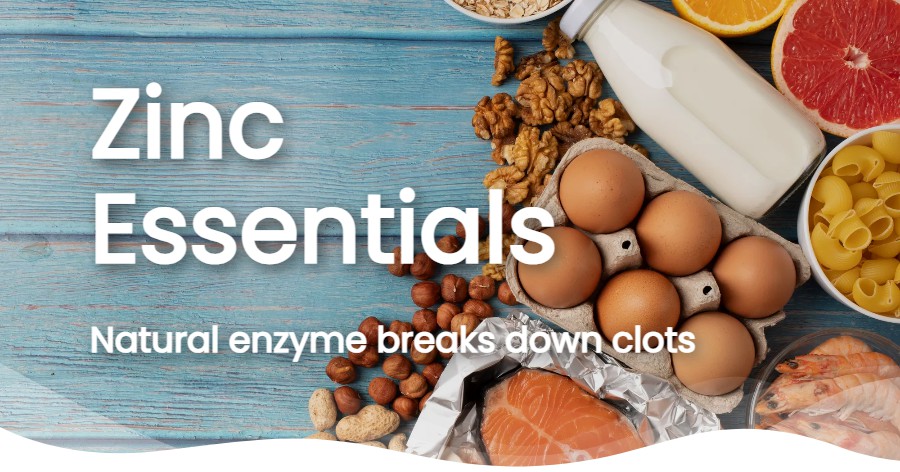
Dietary sources include meat, shellfish, legumes, seeds, nuts, dairy products, eggs, and whole grains — oysters contain more zinc per serving than any other food, though plant-based sources are somewhat limited by phytates, compounds that reduce zinc absorption. UK dietary reference values suggest adults need 7–9.5mg daily depending on age and sex, with pregnant and breastfeeding women requiring somewhat more.
How Does Zinc Work?
Zinc acts as a cofactor for over 300 enzymes, regulating metabolism, digestion, nerve function, and various other processes. It supports immune cells called neutrophils and natural killer cells, which identify and respond to foreign invaders, and influences the development of immune cells involved in both innate and adaptive immunity. In wound healing specifically, zinc contributes to collagen synthesis, cell proliferation, and inflammatory response regulation, which is part of why it’s particularly concentrated in skin tissue. It also plays a structural role in proteins and cell membranes, helps protect cells from oxidative damage, and influences gene expression — how cells read and act on genetic instructions.
What Research Suggests About Zinc’s Benefits
Research points to zinc playing a supportive role across several areas of health, provided adequate levels are maintained.
For immune function specifically, studies suggest zinc lozenges may reduce the duration of common cold symptoms when taken within 24 hours of onset, with research pointing to a role in inhibiting viral replication and supporting general immune response — people with a genuine zinc deficiency show impaired immune function, and supplementation in that context may help restore normal activity. Zinc is also commonly used to support wound healing, contributing to every phase from initial inflammation to tissue remodelling; people with chronic wounds often have lower zinc levels, which is part of why both topical and oral zinc formulations are used in clinical settings.
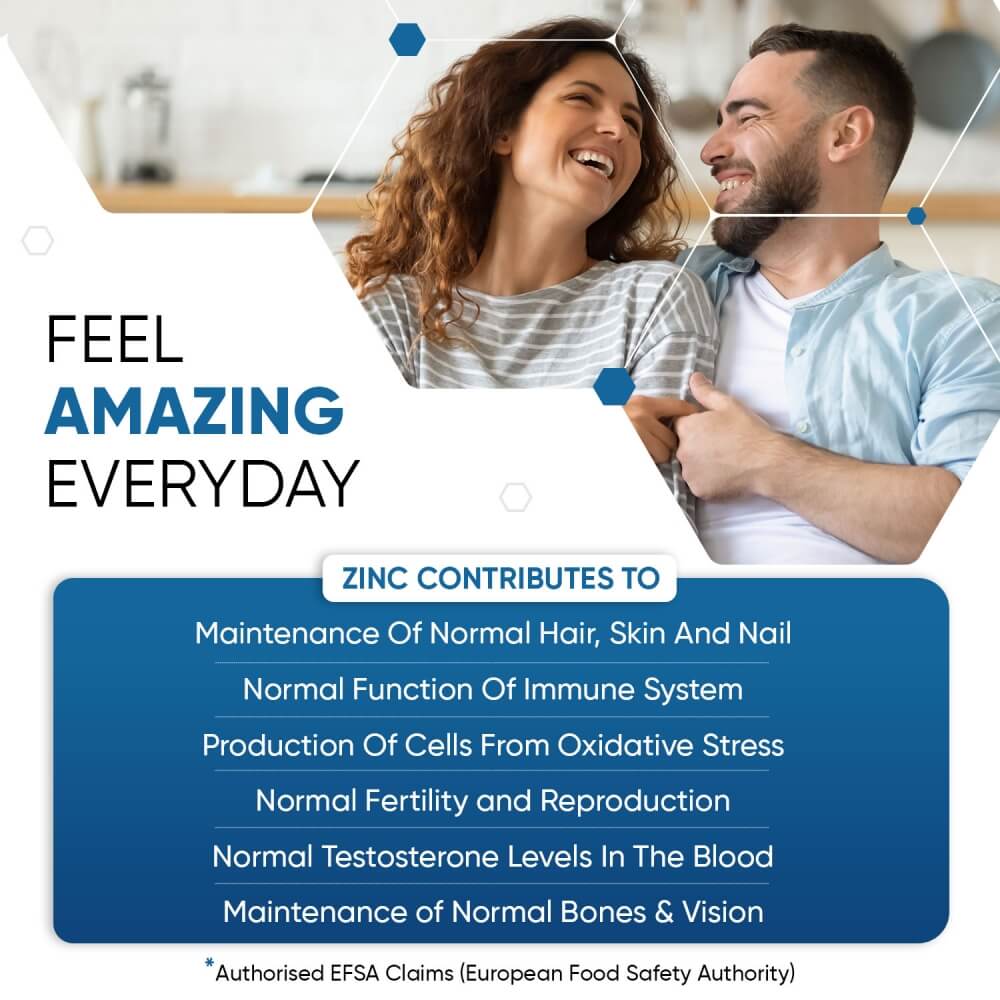
Zinc oxide is widely used in skincare for its protective properties, and zinc more broadly is studied for a role in skin barrier function and various skin conditions, with results varying across studies. It’s also concentrated in reproductive tissues and involved in hormone production, including a role in sperm development and testosterone metabolism — research on zinc supplementation and fertility shows mixed results, though adequate zinc status does appear relevant to reproductive function generally. Finally, the retina contains high concentrations of zinc, which is involved in vitamin A metabolism and may contribute to maintaining normal vision; some research has examined zinc as part of formulations for age-related eye concerns, though this remains an area under active investigation rather than settled.
Vitamins & Minerals
Who May Benefit From Zinc Supplementation?
Most people get sufficient zinc through diet, but certain groups face a genuinely higher risk of inadequate intake. Vegetarians and vegans may need up to 50% more zinc than meat eaters, since phytates in grains and legumes reduce how efficiently it’s absorbed from plant sources. Zinc absorption also decreases with age, and older adults often eat less zinc-rich food and may have conditions affecting nutrient uptake generally. Pregnant and breastfeeding women have increased requirements, given zinc’s role in foetal development and infant growth, while people with digestive conditions — inflammatory bowel disease, coeliac disease, and similar disorders — often have impaired zinc absorption, with chronic diarrhoea further increasing zinc losses. Athletes, people recovering from surgery, and those with chronic wounds may also have elevated requirements given the increased demands on the body’s repair processes.
How to Take Zinc
Zinc supplements come in several forms with different absorption characteristics: zinc gluconate is commonly used in lozenges and supplements, with good bioavailability and generally well tolerated; zinc citrate offers high absorption and tends to be easier on digestion than some alternatives; zinc picolinate shows excellent absorption in some studies, though research directly comparing forms remains limited; and zinc sulphate is cost-effective but may cause more digestive discomfort than the other forms.
General maintenance doses typically range from 8-25mg daily, matching the UK upper safe level for regular supplement use. Short-term higher doses (up to around 40mg) are sometimes used for specific situations, such as at the onset of a cold, but these are intended to be temporary rather than an ongoing daily amount — doses above 25mg long-term, or above 40mg even short-term, should only be taken under professional guidance, given the copper-related risks of excess intake covered below.
Zinc is best absorbed on an empty stomach, though taking it with food reduces nausea and stomach upset if that’s an issue for you. It’s worth avoiding zinc alongside calcium supplements, iron supplements, or high-fibre foods, since these can interfere with absorption. For short-term support during a minor illness, zinc is typically taken for 5-7 days; longer-term use, particularly at higher doses, is worth discussing with a healthcare professional first.
Vitamins & Minerals
Safety, Side Effects and Considerations
Zinc is generally well tolerated at appropriate doses, though a few things are worth knowing. Digestive discomfort — nausea, stomach pain, or diarrhoea — is the most common side effect, occurring more often at higher doses or when taken on an empty stomach, and a metallic taste can occur too, particularly with lozenges or when zinc is taken without food.
Taking too much zinc long-term interferes with copper absorption, potentially leading to copper deficiency, which in turn affects iron metabolism and may cause anaemia — excessive zinc can also impair immune function rather than support it, which is why doses above 50mg daily should be avoided unless medically supervised, and some research has associated high zinc intake with reduced HDL cholesterol. Zinc also reduces the absorption of certain antibiotics, including tetracyclines and quinolones, so it’s worth separating doses by at least two hours, and it may interact with diuretics, penicillamine, and other medications — check with a healthcare professional if you take any prescription drugs regularly.
A few groups need particular care: people with kidney disease, since kidney function affects zinc metabolism; anyone with a condition affecting mineral absorption more generally, who needs individualised guidance; and pregnant women, who shouldn’t exceed recommended amounts without professional advice.
Choosing a Quality Zinc Supplement
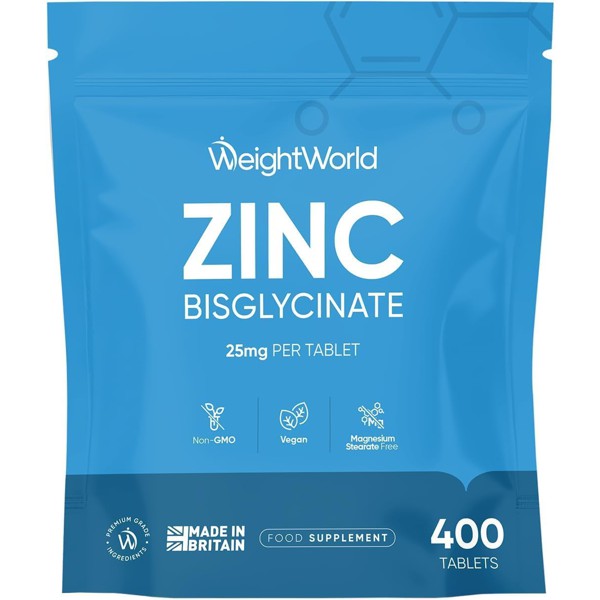
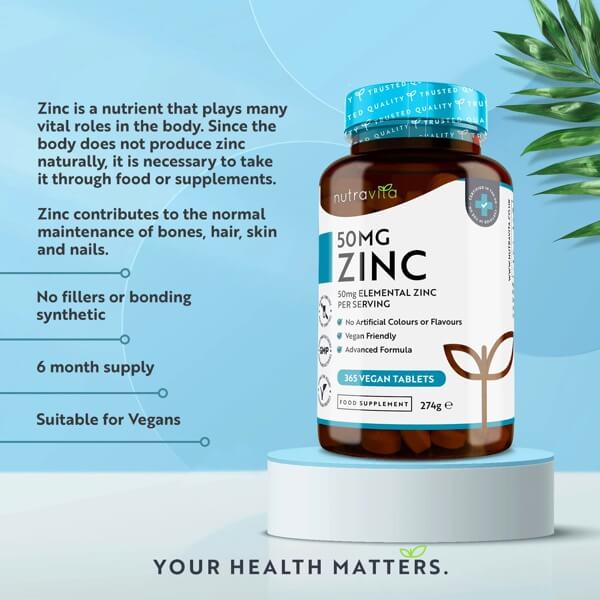
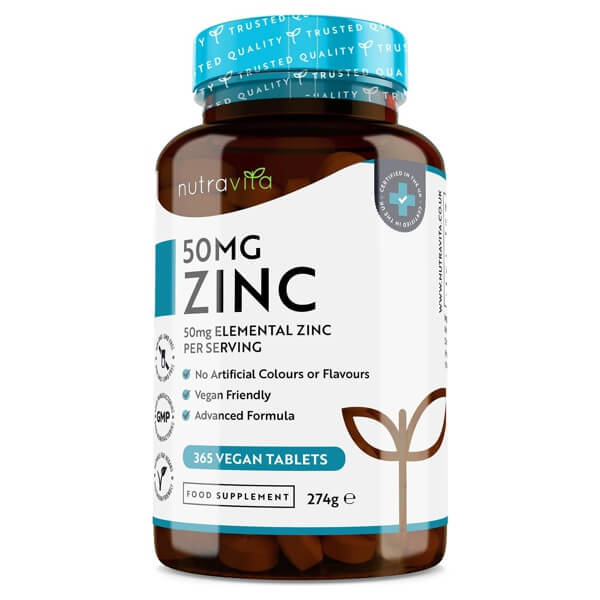
A few things are worth checking when selecting a product. Reputable manufacturers with genuine quality assurance processes — UK-based companies in particular often adhere to stricter regulations — and independent third-party testing for purity, potency, and contaminants are both meaningful signals of quality. Check that the label states the actual elemental zinc content per serving, not just the total weight of the zinc compound, and choose a form suited to your purpose: lozenges for short-term throat support, tablets or capsules for regular ongoing supplementation.
A clean ingredient list without unnecessary fillers, artificial colours, or allergens is generally preferable, and some formulations include copper (commonly around a 15mg zinc to 1mg copper ratio) specifically to prevent the copper imbalance that can occur with long-term zinc use — worth considering if you’re planning to take zinc regularly rather than just short-term. Consistent, credible reports of quality issues with a particular brand are worth taking seriously, even though individual experiences naturally vary.
Conclusion
Zinc is an essential mineral supporting immune function, wound healing, and numerous cellular processes, and while most people meet their needs through diet, certain groups — vegetarians and vegans, older adults, pregnant women, and those with digestive conditions among them — may genuinely benefit from supplementation.
Choosing a quality product at an appropriate dose, understanding the absorption factors and interactions covered above, and speaking with a healthcare professional before starting — particularly if you have an existing health condition or take medication — helps you use zinc safely and effectively.
Disclaimer: This article is for informational purposes only and does not constitute medical advice. Always consult your GP or pharmacist before starting any supplement, particularly if you take regular medication or have an existing health condition.