
Prenatal Multivitamin: An Important Correction on Methylfolate and Neural Tube Defect Prevention
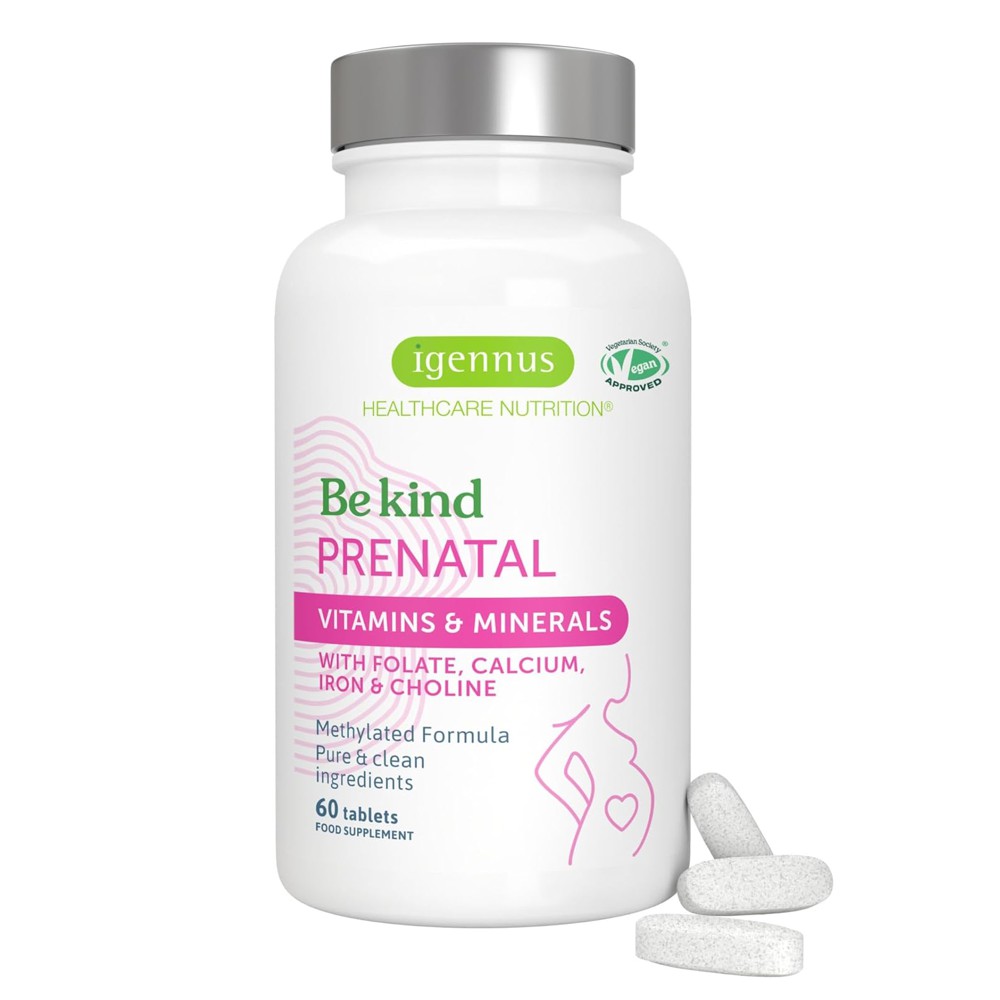
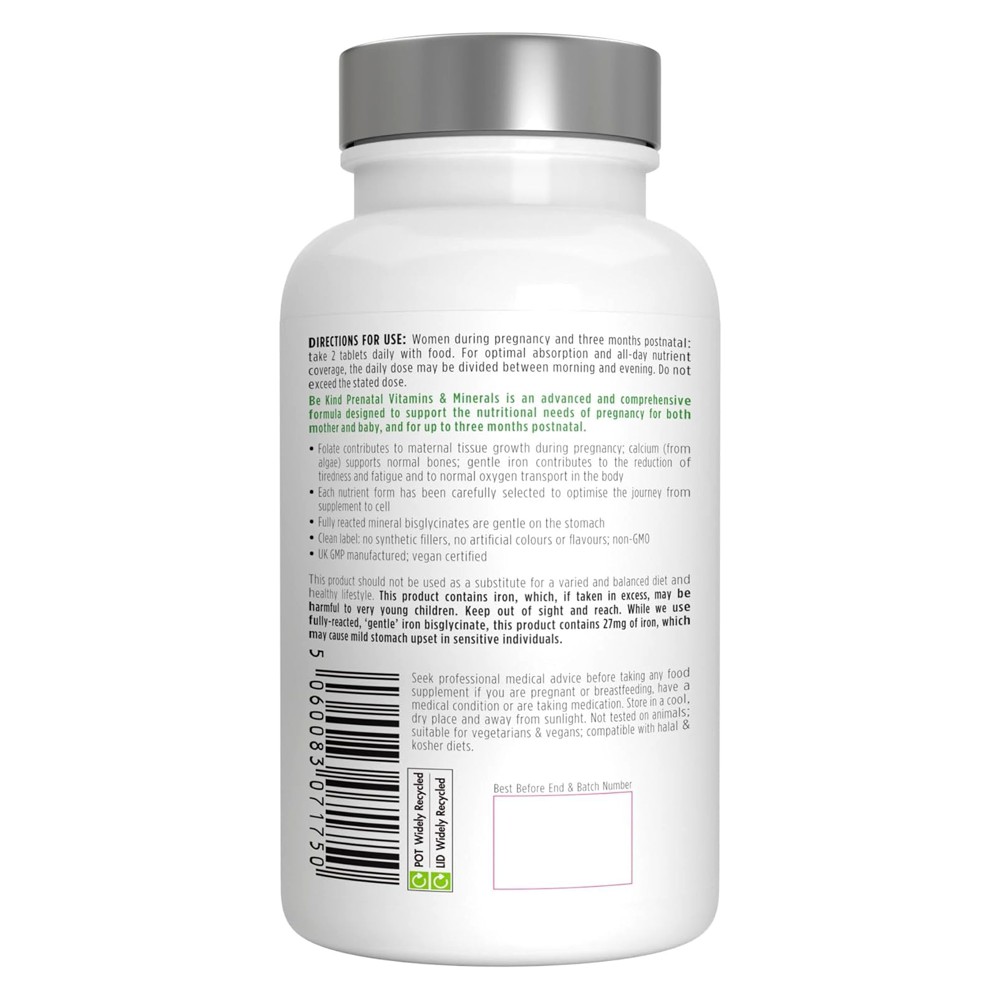
This prenatal multivitamin uses methylfolate instead of standard folic acid, along with other methylated and chelated nutrient forms. Before anything else, it’s important to correct a claim repeated in this product’s own marketing: methylfolate is not established as reducing neural tube defect risk to the same degree as standard folic acid. As covered in detail in our folic acid vs folate guide, the neural tube defect prevention evidence — going back to the landmark 1991 MRC Vitamin Study — is specifically built on folic acid, and a 2024 evidence review found a genuine lack of clinical studies evaluating methylfolate for this specific purpose. NICE does not recommend routine MTHFR testing before or during pregnancy, and UKTIS does not recommend methylfolate over folic acid as a first-line choice for the general population.
In practice, this means: for most women without a confirmed MTHFR variant, a previous pregnancy affected by a neural tube defect, or difficulty tolerating folic acid, standard NHS-guideline folic acid (400mcg) remains the evidence-backed default for neural tube defect prevention specifically — not methylfolate, whatever this product’s own FAQ claims about “ensuring all women receive adequate folate regardless of genetics.” Methylfolate may be a reasonable choice specifically if one of those factors applies to you, and this is worth discussing directly with your GP or midwife rather than assuming it’s a universal upgrade.
With that important correction in mind, the rest of this formula reflects genuinely sensible prenatal choices: vitamin A is provided as beta-carotene rather than retinol, which is the pregnancy-appropriate approach, since preformed retinol is specifically what the NHS advises against during pregnancy — Prenatal Multivitamin gets that distinction right. Iron bisglycinate (27mg) addresses increased pregnancy iron needs with a gentler digestive profile than standard ferrous sulphate. Choline (82.5mg) and iodine (140mcg) support placental and neurological development, both nutrients where pregnancy needs genuinely increase. Vitamin D3 (10mcg/400 IU) matches NHS guidance for pregnancy.
Manufactured in GMP-certified UK facilities with batch-level heavy metal testing, free from gluten, dairy, soya, and common allergens. Take two tablets daily with food, ideally split between morning and evening; start during preconception or early pregnancy and continue through three months postnatal. Speak to your GP or midwife before starting, and specifically about whether methylfolate or standard folic acid is the right choice for your individual situation.
The Research Behind Prenatal Multivitamin
Nutrition & Dietary Support
Best Multivitamins UK: Men’s, Vegan and Prenatal Compared
Multivitamins aren't one-size-fits-all, and the NHS is upfront that most healthy adults don't need one at all. For the three groups where they genuinely make sense — men, vegans, and pregnancy — here's what a men's, vegan, and prenatal formula actually get right, including one correction worth knowing before you buy.
Get the Full Guide