The NHS position is worth stating upfront: most healthy adults eating a varied diet don’t need a multivitamin. Below you’ll find our picks for the situations where one genuinely helps — covering specific, common shortfalls rather than promising a blanket health boost — along with a practical note on vitamin A content worth checking before you buy.
Vitamins & Minerals
Multivitamins

Multivitamins
Multivitamins

Multivitamins
Vitamins & Minerals
Multivitamins
Multivitamins: What Research Actually Shows
Multivitamins combine a range of vitamins and minerals in one product, and it’s worth starting with the most reputable, consistently repeated finding in this category: most reputable sources, including the NHS, state that multivitamins are unnecessary for healthy people who maintain a balanced diet. This isn’t a reason to avoid them entirely, but it is a reason to be realistic about what they’re actually for — filling specific, genuine dietary gaps, not a general “health boost” for everyone regardless of diet.
That said, the picture is more nuanced in practice: dietary surveys suggest a meaningful proportion of UK adults fall short in at least one nutrient, and a well-known large trial (the COSMOS study) found that older adults taking a daily multivitamin showed modestly higher scores on measures of global cognition compared to those who didn’t — a genuinely interesting, well-designed finding, though it applies specifically to general cognitive markers in older adults, not a broad set of claimed benefits. Claims about multivitamins “strengthening” immunity or directly supporting heart health specifically go further than the evidence for general multivitamin use actually supports — several individual nutrients within a multivitamin have their own more specific research (vitamin D and immune function, for example), but the combined product itself isn’t established to prevent infections or reduce cardiovascular risk on its own. Similarly, “boosting energy” is more accurate when understood as correcting a genuine shortfall (iron or B12 deficiency, for instance) than a general stimulant-like effect for everyone.
A practical point worth knowing, particularly if you take other supplements too: many multivitamins contain vitamin A, and as covered in more detail in our vitamin A safety guide, the NHS advises no more than 1.5mg (1,500mcg) daily from supplements combined. If you take a multivitamin alongside cod liver oil, a standalone vitamin A supplement, or eat liver regularly, it’s worth checking your total intake across all sources rather than assuming a multivitamin’s vitamin A content is automatically negligible.
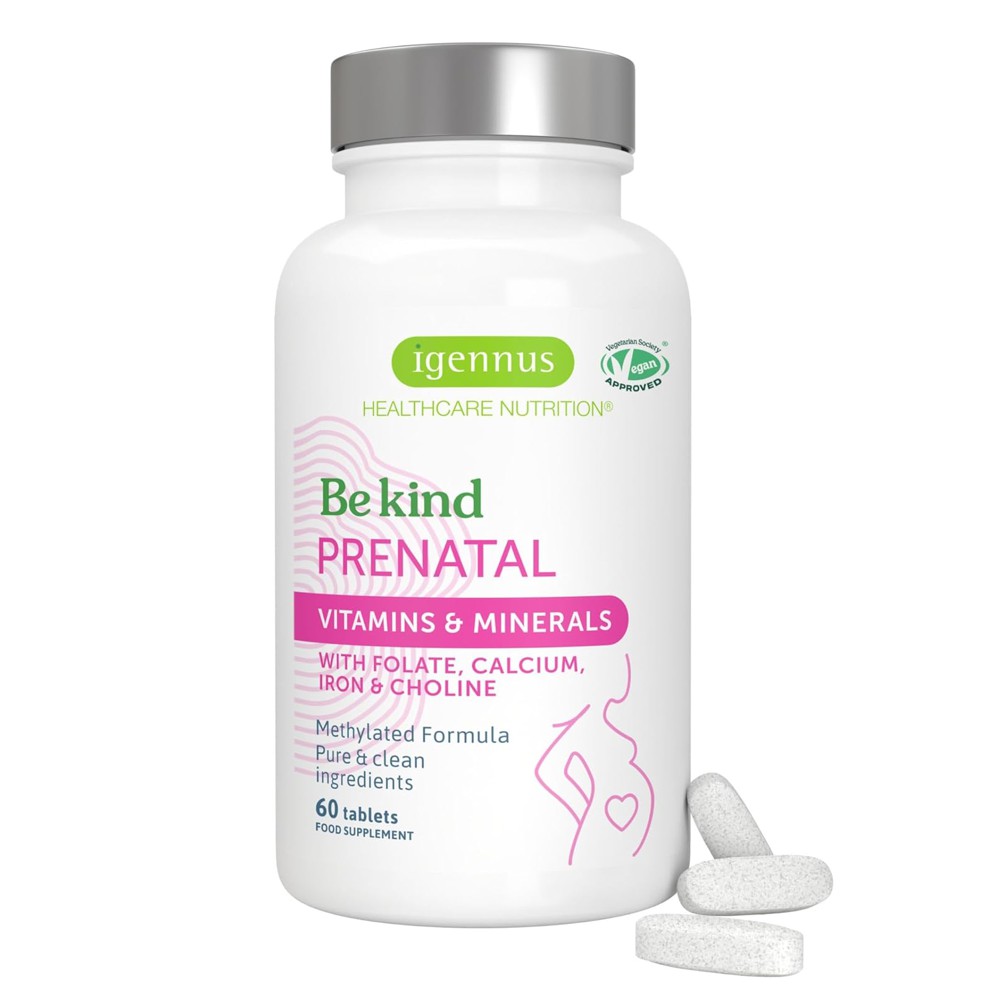
When choosing a multivitamin, look for one genuinely suited to your situation — age, sex, and life stage-specific formulas (such as those for men over 40, women’s formulas, or pregnancy-specific products) are generally more appropriately dosed than a one-size-fits-all option — and check for third-party testing and doses that match established nutrient reference values rather than unnecessarily high “mega-dose” amounts, which don’t offer additional benefit and can carry their own risks for certain nutrients (vitamin A and vitamin E among them).