Vitamin A plays a genuine role in vision, skin health, and immune function — but unlike many vitamins covered on this site, it comes with real, well-documented safety limits that are worth understanding before considering a supplement, not after.
This guide covers what vitamin A actually does, the NHS safety guidance you should know before supplementing, and how to choose sensibly if you decide a supplement is right for you.
Important NHS Safety Warning
The NHS advises adults not to consume more than 1.5mg (1,500mcg) of vitamin A daily from supplements. Having more than an average of 1.5mg daily over many years may affect bone health, increasing fracture risk later in life.
Women who have been through menopause and older men — both groups already at higher osteoporosis risk — should be particularly careful not to exceed 1.5mg of vitamin A daily from food and supplements combined.
Critical for pregnant women or anyone planning pregnancy: avoid supplements containing vitamin A (including fish liver oil) and avoid liver or liver products, as high vitamin A intake is linked to birth defects. This applies specifically to preformed vitamin A (retinol) — see the section on forms below.
What Is Vitamin A?
Vitamin A exists in two main forms. Retinoids (preformed vitamin A) are found in animal products like eggs, dairy, and liver — ready to use without conversion, but also the form with the accumulation and toxicity risk covered throughout this guide. Carotenoids, like beta-carotene, are found in colourful plant foods, and the body converts these into active vitamin A only as needed, which is the key safety distinction covered in more detail below.
The NHS recommends around 700mcg daily for men and 600mcg for women — roughly the amount in half a sweet potato or a generous serving of kale.
What Vitamin A Does
Vitamin A is a component of rhodopsin, a light-sensitive protein involved in vision in low light — inadequate vitamin A can affect how well eyes adjust between bright and dark conditions, sometimes noticed as increasing difficulty with night driving or needing brighter light to read, though these symptoms have many possible causes and aren’t specific to vitamin A alone.
It’s also involved in skin cell renewal, studied in relation to skin texture, cell turnover, wound healing, and skin barrier function — though topical retinol (used in skincare) and dietary or supplemental vitamin A work through related but distinct pathways, so a balanced diet supports overall skin health without being a direct substitute for topical skincare, or vice versa. Finally, vitamin A contributes to the normal function of specialised cells lining the respiratory and digestive tracts, which form a physical barrier against pathogens, and has a recognised role in normal immune system function more broadly.
Who Might Consider a Vitamin A Supplement?
The NHS’s own starting point is worth repeating: most people should be able to get all the vitamin A they need from diet, and the body stores what it doesn’t need immediately, so daily intake isn’t necessary for most people.
That said, a few groups are more commonly discussed in relation to supplementation. People with digestive conditions — Crohn’s disease, coeliac disease, or other conditions affecting the gut, pancreas, or gallbladder — can have reduced absorption of fat-soluble vitamins including vitamin A. Vegans and vegetarians get vitamin A only via beta-carotene conversion, and some research suggests a meaningful proportion of people carry gene variants (in the BCMO1 gene) that reduce beta-carotene conversion efficiency — worth being aware of, though it’s more accurate to describe this as a factor worth discussing with a GP or dietitian if you’re concerned, rather than an automatic “hidden deficiency” affecting everyone with the variant regardless of overall diet. Adults over 50 may also see somewhat reduced absorption and conversion efficiency, worth factoring in alongside overall dietary intake.
Testing your levels, where practical, is a more reliable starting point than assuming deficiency from general symptoms.
Retinol vs Beta-Carotene: Understanding the Real Difference
This distinction matters more for vitamin A than for most other vitamins, given the safety profile involved.
| Retinol (preformed) | Beta-carotene | |
|---|---|---|
| Bioavailability | Most bioavailable, immediately usable | Body converts only what it needs |
| Toxicity risk | Genuine risk at excess intake — requires careful dosing | No established toxicity risk from excess (unconverted excess isn’t used) |
| Best suited to | A diagnosed deficiency, under medical guidance | General, long-term supplementation for most people |
For most people, particularly for long-term use, beta-carotene is the safer general choice, precisely because the body regulates conversion. Retinol is more appropriate specifically for a diagnosed deficiency or a condition affecting carotenoid conversion, ideally identified and guided by a GP — not chosen by default for general supplementation.
Choosing a Vitamin A Supplement in the UK
Given the safety considerations above, it’s worth being extra careful with any preformed retinol product specifically — check the exact dose per serving against the 1.5mg (1,500mcg) daily limit, and factor in any other sources (multivitamins, liver, fish liver oil) you’re also taking.
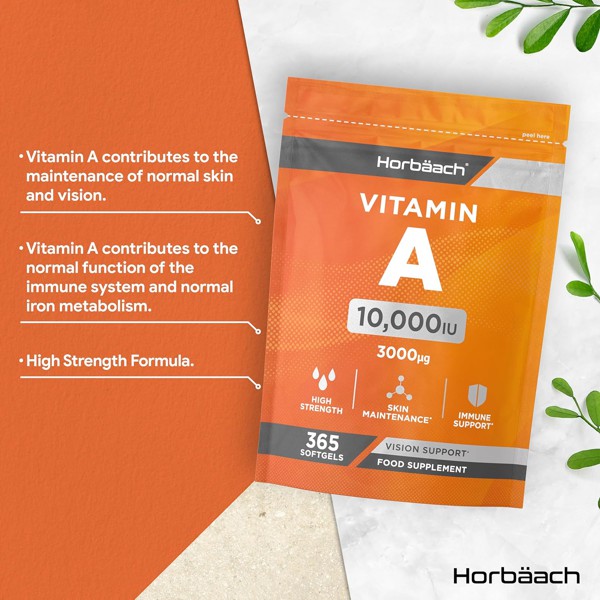
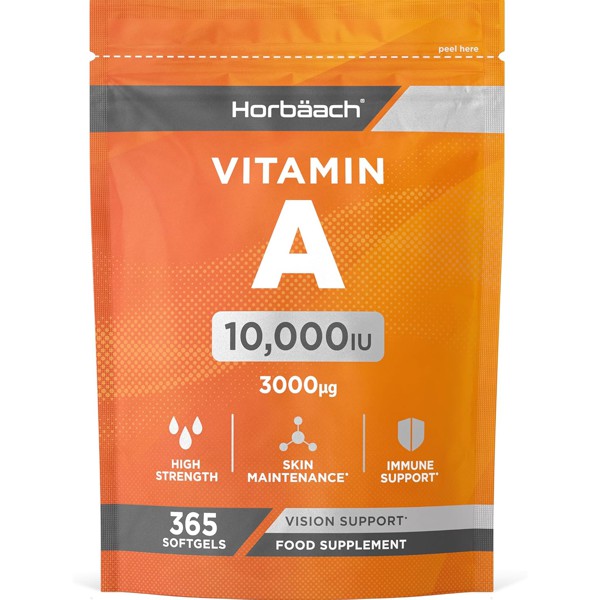
Horbaach’s Vitamin A (Retinyl Palmitate) is a straightforward preformed vitamin A tablet. As with any preformed retinol product, check the exact per-tablet dose against the NHS 1.5mg daily limit, and count it toward your total intake if you also take a multivitamin or eat liver regularly.
Vitamins & Minerals
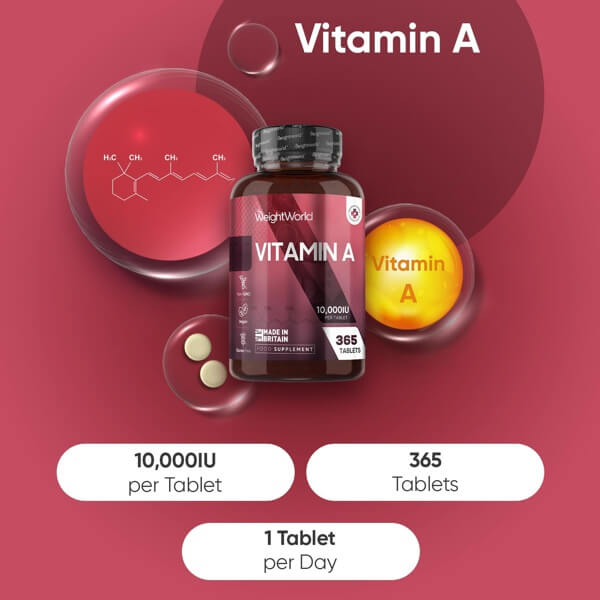
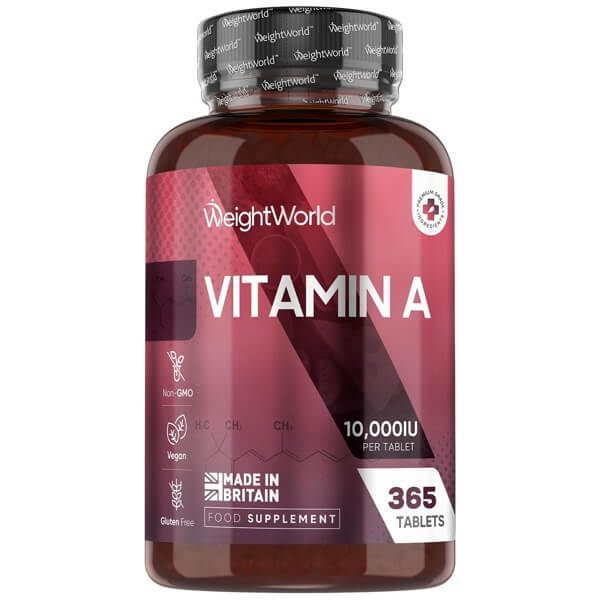
WeightWorld’s Retinyl Acetate is another preformed retinol form, similar in absorption to retinyl palmitate. An important correction here: preformed vitamin A, including retinyl acetate, carries the same accumulation and toxicity considerations as any other preformed retinol form — it is not a “safer for long-term use” alternative, and shouldn’t be chosen specifically because of accumulation concerns. If avoiding accumulation risk is your priority, a beta-carotene supplement is the more appropriate choice, not a different preformed retinol product. Use retinyl acetate only within the same 1.5mg daily guidance as any preformed vitamin A.
Vitamins & Minerals
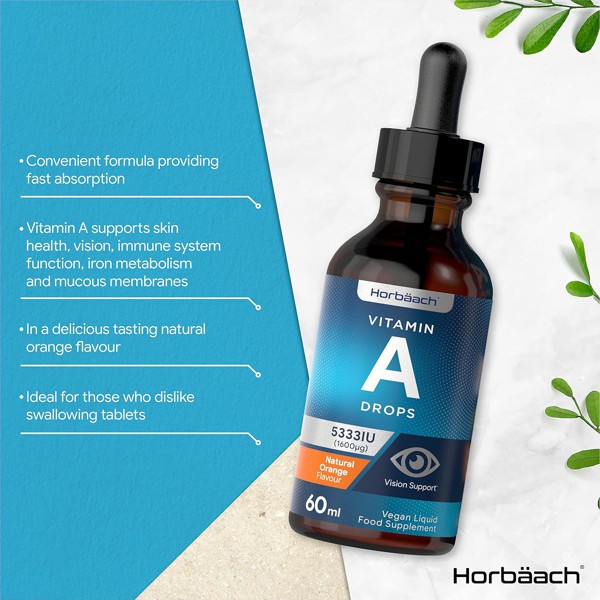
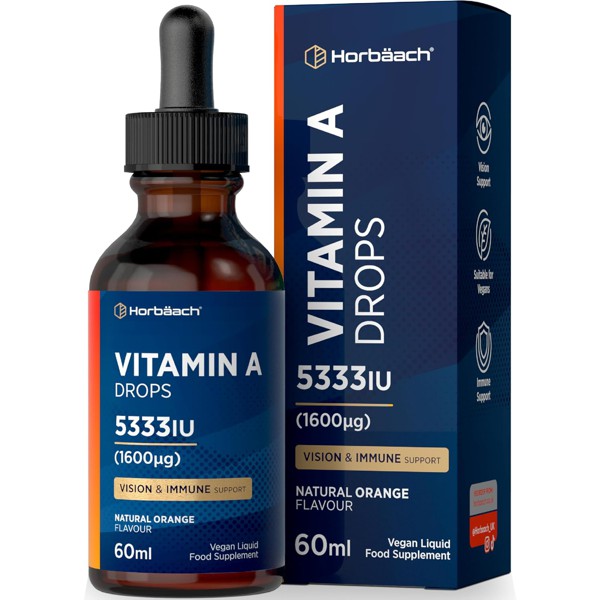
Horbaach’s Vitamin A Liquid Drops offer a flexible dosing format, useful for people with swallowing difficulties or specific absorption needs. Because liquid dosing is more variable than a fixed tablet, take particular care to measure accurately against the recommended amount — it’s easier to over- or under-dose with drops than with a pre-measured tablet.
Vitamins & Minerals
A note on the options above: all three are preformed retinol products. If you’re looking for the generally safer, beta-carotene-based option discussed earlier in this guide for long-term general use, check the site’s broader vitamin and carotenoid range rather than assuming any of the above three serves that purpose.
Critical Safety Information
Unlike water-soluble vitamins, excess preformed vitamin A doesn’t simply pass out in urine — it accumulates in fat stores and the liver, where it can reach harmful levels over time.
Signs of excess vitamin A can include:
- Skin irritation
- Nausea or dizziness
- Hair loss beyond normal shedding
- Liver damage, which can develop silently without obvious early symptoms
- Increased pressure in the brain, causing severe headaches
- Bone health effects with long-term excess
To summarise the NHS guidance directly: no more than 1.5mg daily from supplements (including fish liver oil) if you don’t eat liver regularly, no vitamin A supplements at all (including fish liver oil) if you eat liver about once a week, and an average of 1.5mg or less daily from food and supplements combined is considered unlikely to cause harm.
If you’re pregnant or planning pregnancy, avoid vitamin A supplements (including fish liver oil) and avoid liver or liver products entirely — this is one of the clearest, least ambiguous safety guidelines in this entire guide. Postmenopausal women and older men should stay well within the 1.5mg limit, given the additional osteoporosis-related risk.
Food Sources
Food remains the priority over supplements for most people. Animal sources of preformed retinol include liver (very concentrated — no more than once weekly, and not at all if pregnant), eggs, oily fish, milk, yoghurt, and cheese, while plant sources of beta-carotene include carrots, sweet potatoes, red peppers, butternut squash, kale, spinach, and mangoes.
A practical tip: vitamin A absorption improves with some dietary fat present — a drizzle of olive oil over roasted sweet potato, or avocado alongside a spinach salad, helps the body actually use the vitamin A in these foods.
A Note on Cod Liver Oil
Cod liver oil is a traditional source of vitamin A, alongside vitamin D and omega-3 fatty acids. It’s worth being direct about something the NHS warning above already covers: cod liver oil is a fish liver oil, and the same NHS guidance applies to it as to any other vitamin A supplement — avoid it during pregnancy, and count it toward your 1.5mg daily limit if you take it alongside other vitamin A sources or eat liver regularly. Modern capsule formats are far more palatable than older liquid versions, but the same dosing considerations apply regardless of format.
Making Your Decision
Where practical, testing your levels before supplementing is more reliable than guessing from general symptoms. If that’s not accessible, prioritise food sources first, and consider a moderate supplement only if you fall into a higher-consideration group: a digestive condition affecting absorption, a vegan or vegetarian diet (particularly with a known or suspected conversion issue), or being over 50 with limited intake of vitamin A-rich foods.
A few key principles are worth keeping in mind throughout: put food first and supplements second, since most people can meet their needs through diet alone; respect the 1.5mg limit for preformed vitamin A specifically, since exceeding it over years may affect bone health; track your total intake across all sources, since many multivitamins already contain vitamin A; choose the right form deliberately — beta-carotene for general, long-term use, preformed retinol only for a diagnosed deficiency under medical guidance, not based on marketing language like “safer for long-term use,” which doesn’t apply to preformed retinol regardless of which specific ester form it uses; and if anything feels off, check with a healthcare professional rather than adjusting your own dose based on guesswork, given how silently some vitamin A toxicity symptoms (particularly liver-related ones) can develop.
Final Thoughts
Vitamin A is genuinely important for vision, skin, and immune function — but it’s one of the few nutrients on this site where “more” is a real risk, not just an unnecessary expense. Most people get what they need from a varied diet without supplementing at all.
If you do decide to supplement, the single most useful thing to take from this guide is the distinction between beta-carotene (safer, self-regulating) and preformed retinol (effective, but genuinely dose-sensitive) — and to choose deliberately based on that distinction, not on which specific retinol product happens to be marketed as the “safe” option.
Disclaimer: This article is for informational purposes only and does not constitute medical advice. If you are pregnant, planning pregnancy, postmenopausal, or have a condition affecting your liver or bones, speak to your GP before taking any vitamin A supplement. Always check the total vitamin A content of all supplements and foods you consume against the NHS 1.5mg daily guidance.