
Entering your 40s brings changes to your body’s needs. Energy levels can dip, metabolism can slow, and certain health considerations become more prominent. For many British men navigating this, supplements are sometimes considered as one part of maintaining overall wellbeing — though it’s worth being clear from the outset about which benefits have solid evidence and which are still being researched.
With countless options on the UK market, it can be hard to know what’s actually worth considering. This guide breaks down seven commonly discussed supplements for men over 40, with an honest look at the evidence behind each.
A note on testosterone claims: Several of the supplements below are discussed in relation to testosterone. It’s worth knowing upfront that most of this research looks at correcting a genuine deficiency (such as low vitamin D or zinc) rather than boosting testosterone in men who aren’t deficient — and none of these are a substitute for medical evaluation if you’re concerned about low testosterone specifically, which your GP can test for directly.
The Reality: Do Men Over 40 Need Supplements?
Most reputable sources, including the NHS, state that multivitamins are unnecessary for healthy men who maintain a balanced diet. However, the reality is more nuanced: around 90% of men fall short in at least one essential nutrient, according to commonly cited UK dietary surveys, and testosterone naturally declines with age — total testosterone falls by roughly 1.6% each year, and bioavailable testosterone by around 2-3% yearly from age 40 onwards, according to research on age-related hormonal change.
This guide focuses on supplements with a reasonable evidence base for men’s health considerations after 40: energy, general hormonal health, cardiovascular function, and everyday vitality.
Important Safety Note
Excessive supplementation carries real risks: nutrient toxicity, mineral overload, and — for high-dose vitamin E and beta-carotene specifically — an increased cancer risk shown in some clinical trials. Always follow recommended dosages and consult your GP before starting new supplements, especially if you take medication.
1. Vitamin D3: A Common UK Shortfall
Limited sunlight exposure, especially during UK winters, makes vitamin D deficiency common among British men. This nutrient has an established role in bone density maintenance (particularly relevant as you age), normal immune system function, and mood and general wellbeing — it’s also studied in relation to testosterone levels, though this is a less firmly established benefit than the roles above (see the note on testosterone claims at the start of this guide).


Vitamins & Minerals
One study found that men taking 3,332 IU daily for a year saw a 53.5 nmol/l increase in blood vitamin D levels alongside an increase in testosterone — a specific finding from one trial rather than a guaranteed effect for everyone; vitamin D status is also associated with muscle function and immune markers in observational research, though association doesn’t always mean a supplement will produce the same effect for every individual. UK health authorities recommend adults take a daily supplement containing 10 micrograms (400 IU), particularly between October and March, though some health professionals suggest men over 40 with limited sun exposure or darker skin tones may benefit from higher doses — commonly discussed in the 1,000-4,000 IU daily range — worth checking with your GP rather than self-selecting a high dose. Vitamin D3 (cholecalciferol) is generally better utilised by the body than D2, and many supplements combine D3 with vitamin K2, studied for a complementary role in bone health.
2. Magnesium: An Often-Overlooked Mineral
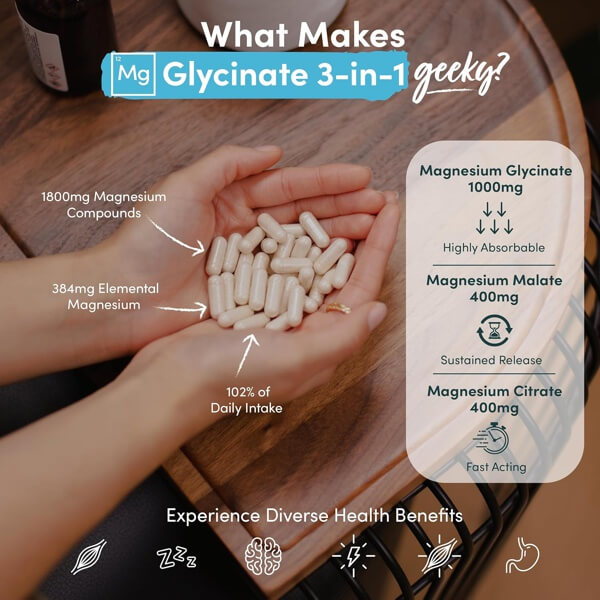
Magnesium is involved in over 300 biochemical reactions in the body, and can become harder to maintain at adequate levels with age. For men dealing with everyday stress and busy schedules, it’s discussed in relation to sleep quality, muscle recovery and reducing cramps, the body’s stress response, working alongside vitamin D, and blood pressure already within a normal range.
Vitamins & Minerals
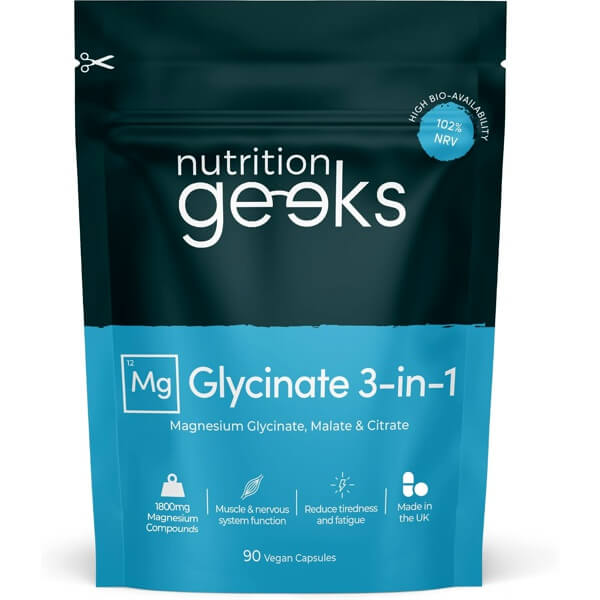
One study found that 10mg/kg of magnesium daily for 4 weeks was associated with higher free testosterone levels, particularly when combined with exercise — again, one study, not an established general effect. Modern diets often fall short on magnesium, and stress is understood to further deplete levels, creating a cycle where stress and low magnesium may reinforce each other. Magnesium glycinate is generally well absorbed and gentle on digestion, making it a common choice for regular use, while citrate is sometimes preferred by those who also want a mild digestive effect; the recommended daily intake for men is around 300-400mg, often taken in the evening given its association with relaxation and sleep.
3. Omega-3 Fatty Acids: Heart and Brain Support
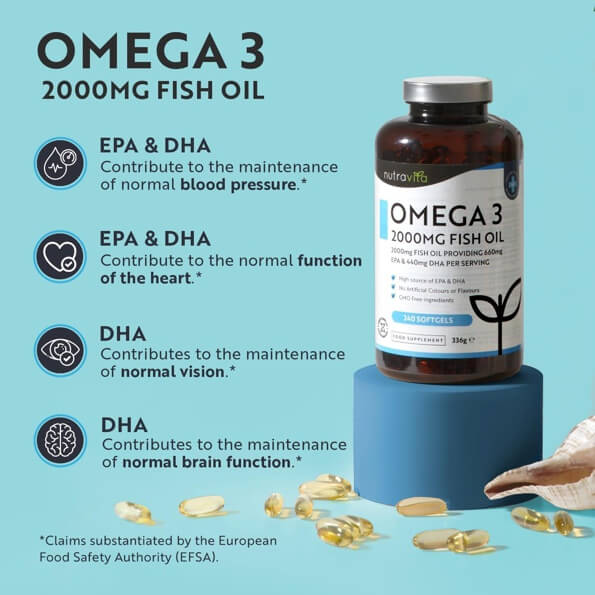
As cardiovascular health becomes a bigger consideration after 40, omega-3 fatty acids — found primarily in fatty fish — are among the more researched nutrients for men in this age group, studied in relation to inflammation markers, triglyceride levels and, to a lesser extent, cholesterol, brain function and cognitive performance, joint comfort, and blood pressure already within normal range.
Omega-3 & Fatty Acids
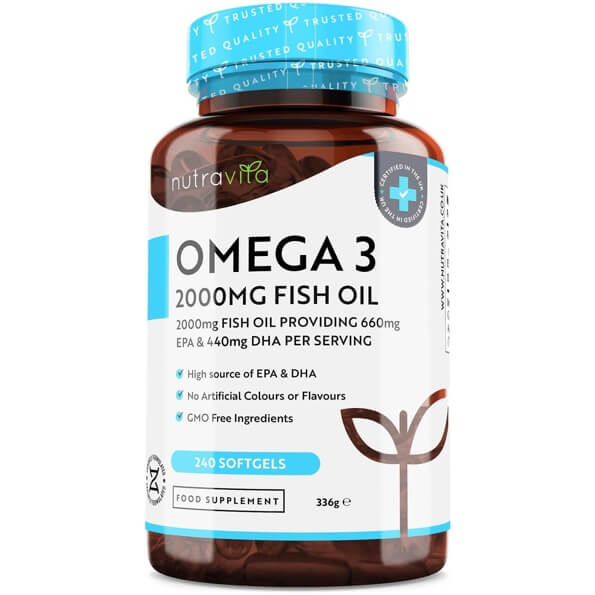
Omega 3 High Strength 2000mg EPA 660mg DHA 440mg 240 Softgels
For men with sedentary lifestyles or a family history of heart disease, omega-3 is one of the more commonly discussed supplements with your GP, and research indicates EPA and DHA — the two main omega-3s — tend to be studied together rather than individually. Look for supplements providing at least 1,000mg combined EPA and DHA daily; quality matters with fish oil, so third-party testing for purity and potency is worth checking for, and many brands now offer odourless formulations. Algae-based omega-3 supplements offer an alternative source of DHA and EPA for vegetarians or those avoiding fish products.
4. Zinc: A Role in Hormonal and Immune Health
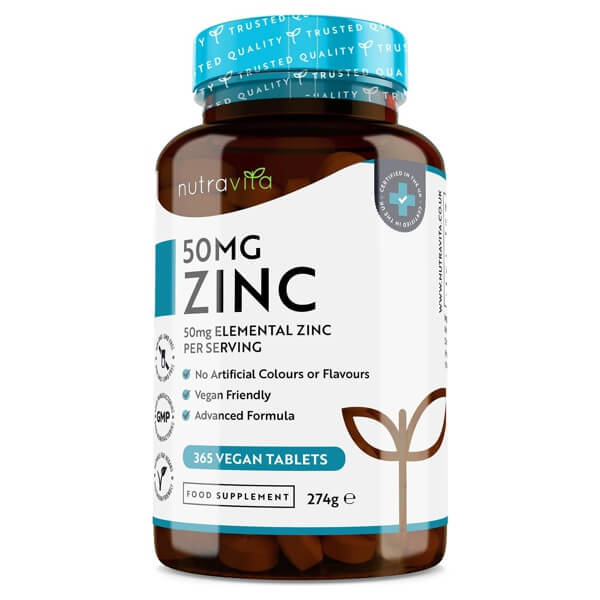
Zinc plays a role in men’s health, including aspects of hormonal balance and immune function, and maintaining adequate levels becomes more relevant with age. It has a role in testosterone production (particularly relevant if you’re deficient — see the note at the start of this guide), normal immune system function, skin health and wound healing, general prostate health (an area of ongoing research interest rather than an established protective effect), and protein synthesis for muscle maintenance.

Vitamins & Minerals
Zinc deficiency is fairly consistently associated with lower testosterone levels in research — one commonly cited study found a substantial drop in testosterone among zinc-deficient men specifically, though this reflects correcting a genuine deficiency rather than a general boosting effect in men with adequate zinc levels; supplementation is understood to help restore healthy hormone balance specifically where a deficiency exists, but isn’t established to raise testosterone beyond normal levels otherwise. The recommended daily intake for adult men is 11mg, though intensive exercise, stress, and certain medications may increase requirements — zinc picolinate, citrate, or glycinate are generally better absorbed, taking it with food can reduce stomach discomfort, and it’s best not taken alongside calcium supplements or dairy, which can interfere with absorption.
5. Ashwagandha: A Well-Researched Adaptogen
Chronic stress is a genuine consideration for many men’s health after 40. Ashwagandha is an adaptogenic herb with a long history in traditional use, and — unlike many traditional herbs — a reasonable amount of modern clinical research behind it, studied for a possible role in cortisol (stress hormone) levels, energy without a stimulant effect, testosterone levels in some studies (see the note on testosterone claims above), exercise recovery, and sleep quality.

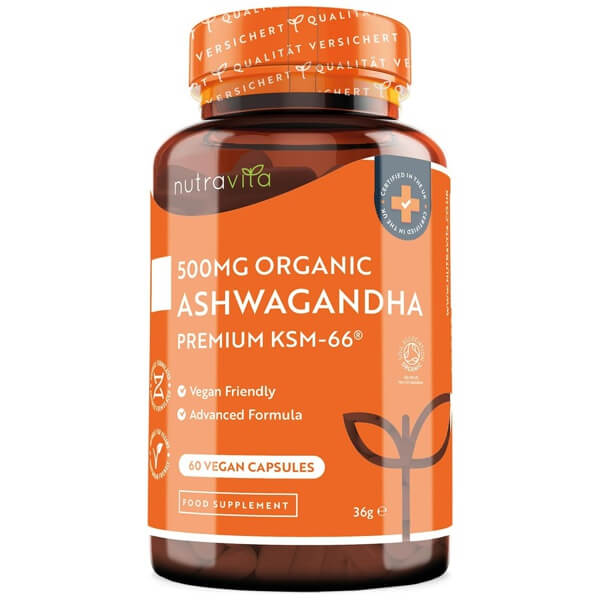
A 2019 study published in the Journal of the International Society of Sports Nutrition found that men taking ashwagandha for 8 weeks showed improvements in testosterone levels and recovery compared to a placebo group — a genuinely interesting finding from a reputable journal, though it’s one study, and larger trials would strengthen confidence in the result. Ashwagandha’s effect on cortisol is more consistently supported across studies than its effect on testosterone specifically, and researchers generally frame this as working through stress reduction rather than a direct hormonal mechanism. KSM-66 and Sensoril are the two most-studied standardised extracts, with typical dosages ranging from 300-600mg daily and effects generally building gradually over several weeks — ashwagandha may interact with thyroid medication, so check with your GP if this applies to you.
6. Coenzyme Q10 (CoQ10): Cellular Energy Support
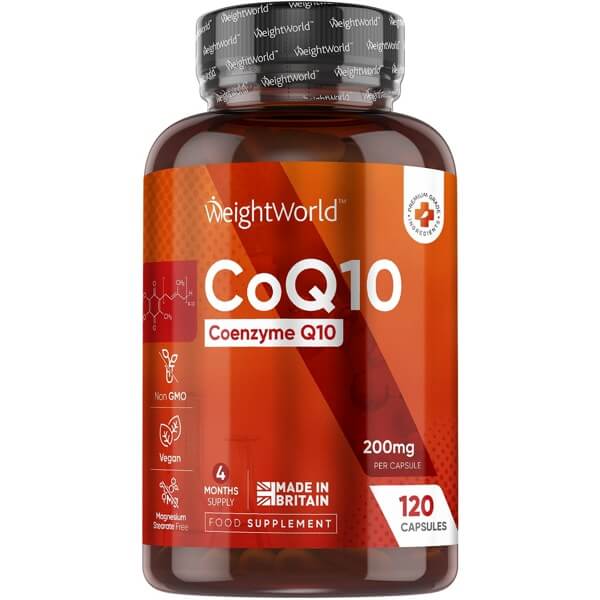
Natural CoQ10 production tends to decline from around age 20, becoming more noticeable for many by their 40s. It’s studied in relation to cardiovascular health (particularly alongside prescribed heart treatment), cellular energy production, antioxidant protection, and blood pressure already within normal range.

Immunity & Antioxidants
Statin medications are understood to reduce the body’s natural CoQ10 production, which is why some healthcare practitioners suggest CoQ10 alongside statin therapy — it remains genuinely uncertain whether this reduces statin-related muscle discomfort specifically, since research is mixed on this exact question, so it’s worth discussing with your GP rather than assuming it will resolve statin side effects. Typical daily doses range from 100-200mg; ubiquinol is generally suggested for men over 40, given the body’s reduced ability to convert the more common ubiquinone form with age, though independent research shows no major difference in absorption between the two overall. Taking CoQ10 with a meal containing some fat can aid absorption, as it’s fat-soluble.
7. A Multivitamin Formulated for Men 40+
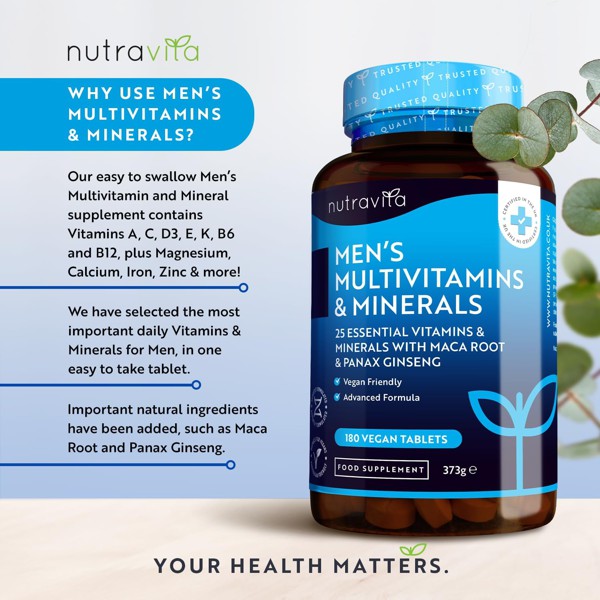
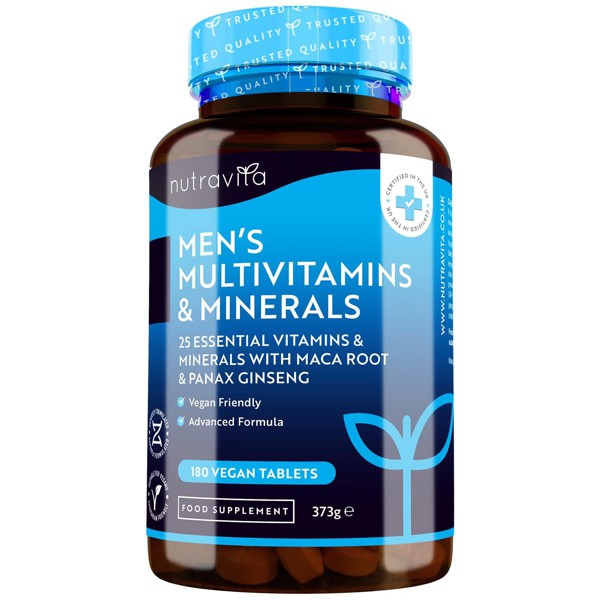
Alongside targeted supplements, a multivitamin formulated for men over 40 is sometimes considered as broader nutritional insurance, addressing several smaller shortfalls at once rather than any single deficiency. A men’s 40+ multivitamin worth considering typically includes B-vitamins to support normal energy metabolism, antioxidants such as selenium and vitamins C and E at sensible, non-excessive doses, lycopene (sometimes included with prostate health in mind, though evidence here remains an area of ongoing research), choline for normal brain function, and digestive enzymes in some formulations to support nutrient absorption.
Vitamins & Minerals
When selecting a multivitamin, avoid formulations with mega-doses of every nutrient — more isn’t automatically better, and some nutrients (like vitamin E and beta-carotene) carry documented risks at high doses. Look for balanced formulations using well-absorbed nutrient forms — methylated B vitamins (methylfolate, methylcobalamin), for instance, are generally better utilised by some people than their synthetic counterparts — and taking a multivitamin with your largest meal can help with absorption and reduce stomach discomfort.
Supplement Comparison Guide
| Supplement | Areas of Research Interest | Commonly Referenced Intake | Evidence Strength |
|---|---|---|---|
| Vitamin D3 | Bone health, immunity; testosterone research less established | 1,000-4,000 IU (check with GP for higher doses) | Strong (bone/immunity); limited (testosterone) |
| Magnesium | Sleep, muscle recovery, stress | 300-400mg (glycinate or citrate form) | Reasonably established |
| Omega-3 | Heart health, inflammation, brain function | 1,000-2,000mg combined EPA/DHA | Reasonably established |
| Zinc | Hormone balance (if deficient), immunity, skin health | 11-30mg | Strong, specifically for deficiency |
| Ashwagandha | Stress, cortisol; testosterone research still developing | 300-600mg (standardised extract) | Moderate |
| CoQ10 | Heart health research, energy, antioxidant activity | 100-200mg (ubiquinol or ubiquinone) | Moderate |
| Men’s 40+ Multivitamin | General nutritional coverage | As directed on product | Moderate |
Making Supplements Work for You
Supplements can be a useful part of navigating the changes that come with ageing, but they work best as part of a broader approach to health, not a stand-alone fix. Vitamin D3 and magnesium are reasonable starting points for many men, given how common shortfalls in both are in the UK — from there, additional supplements are worth considering based on your individual circumstances, ideally discussed with your GP.
Consistency matters more than complexity: a simple routine you actually maintain will generally serve you better than an elaborate one you abandon after a few weeks. Quality matters more than quantity too — excessive supplementation carries real risks, so it’s better to focus on addressing genuine shortfalls than taking high doses of everything, and food should come first, with supplements filling specific gaps rather than replacing a balanced diet.
Always consult your GP before starting new supplements, particularly if you take medication or have an existing health condition, since what works for one person may not suit another. A few interactions worth being aware of: zinc can interfere with calcium absorption if taken together, high-dose vitamin E and beta-carotene have been linked to increased cancer risk in some clinical trials, ashwagandha may interact with thyroid medication, and CoQ10 may interact with blood-thinning medication.
The Honest Bottom Line
Supplements offer potentially valuable support for some men, but they aren’t a substitute for good fundamentals or medical care. The NHS position remains that most healthy men eating a balanced diet don’t need supplementation beyond vitamin D — though the picture is nuanced, given around 90% of men fall short in at least one nutrient, testosterone naturally declines by roughly 1.6% yearly after 40, and stress and modern lifestyle factors can create additional nutritional demands.
The supplements in this guide have a reasonable evidence base for men’s health after 40, but they work best alongside balanced nutrition, regular physical activity, quality sleep (7-9 hours), stress management, and regular health screenings with your GP. Making informed choices about supplements — and being honest about which claims are well-supported and which are still emerging — is a more useful foundation than chasing the promise of a single “must-have” product.
Disclaimer: This article is for informational purposes only and does not constitute medical advice. Always consult your GP or pharmacist before starting any supplement, particularly if you take regular medication or have an existing health condition.