
Magnesium is involved in over 300 reactions in the body, yet many people in the UK don’t get enough from food alone. This guide covers what magnesium does, which form might suit your needs, and how to choose between the two most popular UK options.
What Magnesium Does for You
Your body needs magnesium for energy creation and metabolism, nerve signals and muscle movement, building DNA and proteins, blood sugar balance, bone strength, and heart rhythm — a genuinely foundational mineral touching several body systems at once.
Possible Signs of Low Magnesium
A few things sometimes associated with low magnesium include:
- Fatigue despite adequate rest
- Muscle cramps or twitches (especially in the legs)
- Headaches
- Anxiety or irritability
- Sleep problems
- Tingling sensations
It’s worth being clear that every one of these symptoms has many possible causes beyond magnesium — tingling sensations in particular can sometimes indicate other things worth a GP’s attention (such as B12 status or nerve-related issues), so persistent or new tingling is worth mentioning to your GP rather than assuming it’s simply low magnesium.
Groups sometimes at higher risk of low magnesium include people with digestive conditions affecting absorption, those under high stress, older adults, and women during menstruation or pregnancy.
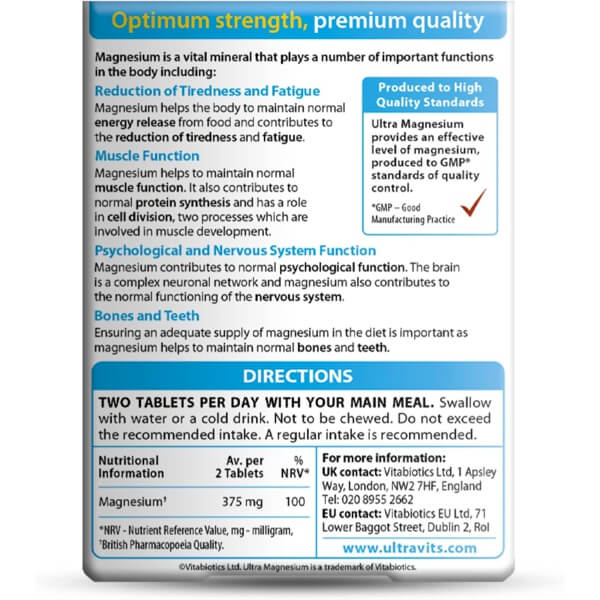
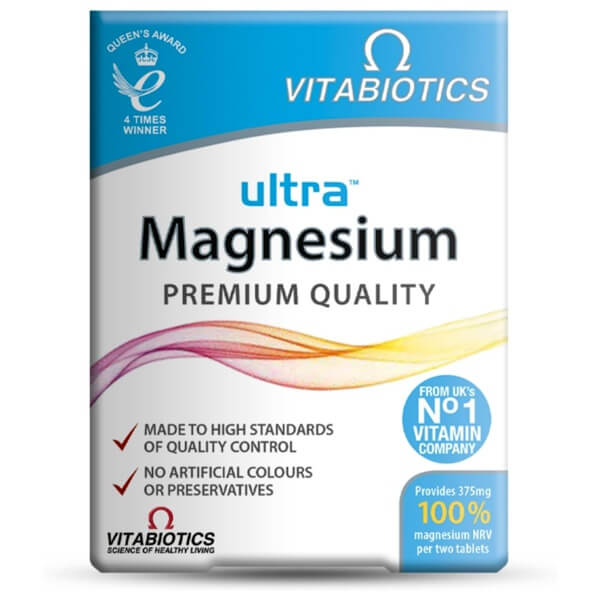
Vitamins & Minerals
What Research Says About Magnesium’s Benefits
Sleep. Magnesium is studied in relation to the body’s relaxation response and melatonin regulation, and some people find it helps with falling asleep and sleep quality.
Muscle Comfort. Magnesium plays a role in normal muscle contraction and relaxation, and is commonly discussed in relation to cramps and post-exercise muscle soreness.
Heart Health. Magnesium contributes to the maintenance of normal blood pressure already within a healthy range, and plays a role in normal heart rhythm.
Bone Health. Magnesium works alongside calcium and vitamin D and contributes to the maintenance of normal bones.
Mood. Some research suggests magnesium may play a supportive role in stress response and mood, particularly in people with lower magnesium status to begin with — though the overall evidence for a general anti-anxiety effect is more modest than sometimes suggested, and magnesium isn’t a substitute for appropriate care if you’re experiencing ongoing anxiety.
Women’s Health. Magnesium is sometimes discussed in relation to PMS symptoms (mood changes, bloating, cramping) and is one of several nutrients relevant during pregnancy — worth discussing specific needs with your GP or midwife during pregnancy specifically.
Food Sources vs Supplements
Magnesium-containing foods include dark leafy greens (spinach, kale), nuts and seeds (almonds, pumpkin seeds), whole grains (brown rice, quinoa), dark chocolate (70%+ cocoa), avocados, and legumes (beans, lentils).
Some nutritionists suggest that modern food processing can reduce mineral content in some foods, and dietary intake alone doesn’t always meet needs for everyone — supplements are a reasonable way to fill a genuine gap, though a varied diet remains the foundation rather than something supplements are meant to replace entirely.
Citrate vs Glycinate: What’s the Difference?
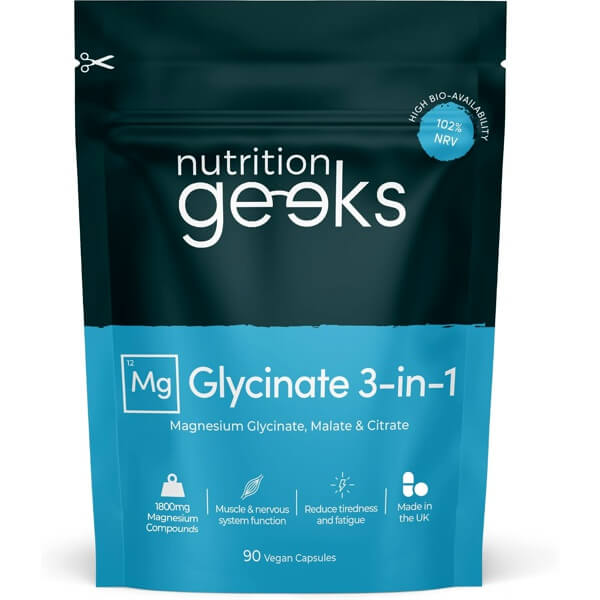
Magnesium citrate, combined with citric acid, is generally well absorbed and often considered for digestive support (it has a mild natural laxative effect at higher doses), general energy-related use, and muscle cramps. Magnesium glycinate, bound to the amino acid glycine, is generally gentle on digestion and more often considered for sleep support, stress and anxiety-related use, muscle relaxation, and people with sensitive stomachs who find other forms uncomfortable.
Top UK Options Compared
WeightWorld Magnesium Citrate
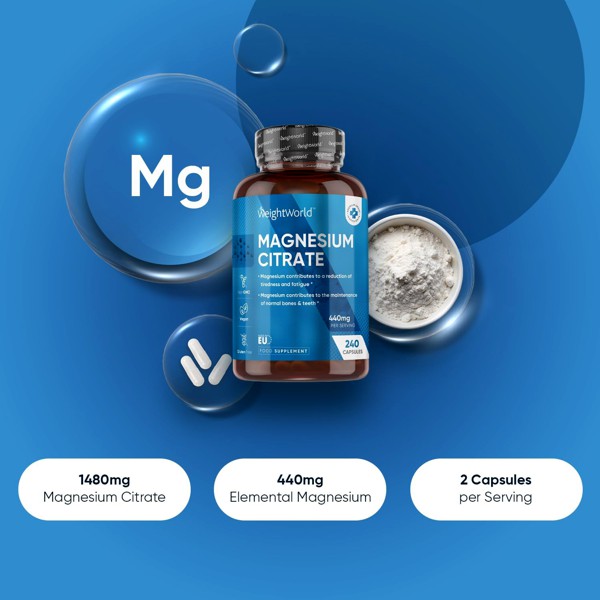

Vitamins & Minerals
Nutrition Geeks Magnesium Glycinate Complex
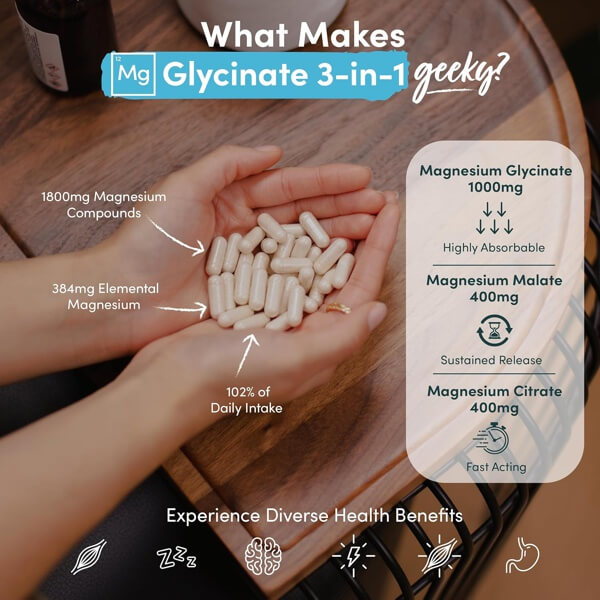
Vitamins & Minerals
Quick Decision Guide
| Your Goal | Worth Considering |
|---|---|
| Digestive support + energy | WeightWorld Citrate |
| Longer supply at good value | WeightWorld Citrate |
| Sleep support + calm | Nutrition Geeks Glycinate |
| Sensitive stomach | Nutrition Geeks Glycinate |
| Post-workout recovery | Nutrition Geeks Glycinate |
When to Take Magnesium
Evening dosing works well for many people, particularly for sleep support, though morning or split dosing is also fine if that suits your routine better. Citrate is best taken with food to reduce the chance of digestive effects, while glycinate is generally well tolerated even on an empty stomach. One absorption tip worth knowing: avoid taking magnesium at the same time as calcium or iron supplements, since they can compete for absorption — space them a couple of hours apart if you take more than one.
Safety Notes
Most people tolerate magnesium well at recommended doses. Higher doses of citrate-type forms can cause loose stools for some people — this is uncomfortable but not typically dangerous, and usually resolves by reducing the dose. The UK upper safe level for magnesium from supplements specifically is 400mg daily (this doesn’t include magnesium from food, which the body regulates more easily), and staying within this level is a sensible general guideline.
Check with your GP before starting magnesium if you have kidney disease, since impaired kidneys are less able to clear excess magnesium; if you take antibiotics, diuretics, or blood pressure medication; or if you take bisphosphonates (a common osteoporosis medication), since magnesium can significantly reduce their absorption, meaning timing needs to be separated by several hours if you take both, ideally as advised by your GP or pharmacist.
Conclusion
Magnesium is one of the more foundational, better-tolerated minerals covered on this site — genuinely relevant to sleep, muscle function, and general wellbeing for many people, particularly given how common lower dietary intake is in the UK.
That said, it’s not a cure-all for symptoms like fatigue, anxiety, or tingling, which can have many other causes worth exploring with your GP if they persist. Choosing between citrate and glycinate comes down to your primary goal — citrate for digestive and general use, glycinate for sleep and sensitive stomachs — and either is a reasonable starting point within the UK’s 400mg upper guideline for supplemental intake.
Disclaimer: This article is for informational purposes only and does not constitute medical advice. Always consult your GP before starting magnesium supplementation if you have kidney disease, take regular medication (particularly bisphosphonates, diuretics, or blood pressure medication), or have persistent symptoms that concern you.