Ever wondered how the French can enjoy cheese boards and wine while maintaining comparatively good rates of heart disease? Researchers have spent decades chasing part of the answer, and one compound keeps coming up: resveratrol.
Found in red wine and a handful of other plants, resveratrol has attracted serious scientific interest in longevity and general health research. If you’ve heard the buzz but aren’t quite sure what it actually does, this guide walks through what the evidence supports — and where the marketing gets ahead of the science.
What Is Resveratrol?
Plants produce resveratrol as a defence mechanism, making more of it when grapes face fungal attack or sun stress. It was first identified in 1939 in white hellebore, but stayed relatively obscure until researchers encountered the so-called “French Paradox” in the 1990s — the puzzle of why French populations seemed to have better cardiovascular outcomes than other Western countries despite a rich diet. Regular red wine consumption, and resveratrol specifically, became one of the leading hypotheses.
Where Resveratrol Comes From
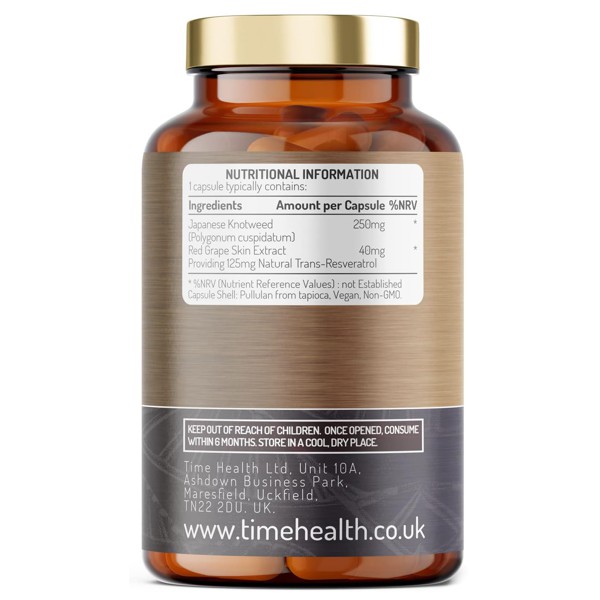
You’ll find resveratrol in red wine made from dark-skinned grapes such as Merlot or Cabernet Sauvignon, in blueberries, cranberries, and strawberries, in peanuts and pistachios, and in dark chocolate. Japanese knotweed contains the highest natural concentration of any plant and is the source most supplements actually use — though it’s not something to add to your salad, given its status as an invasive species in the UK.
What Research Actually Supports
Resveratrol is studied as an antioxidant, helping neutralise free radicals — the unstable molecules that damage cells and are associated with ageing and tissue damage over time.
Cardiovascular research is one of the more active areas here, with studies exploring resveratrol’s relationship to blood vessel flexibility, cholesterol markers, blood pressure, circulation, and platelet stickiness (which affects how easily blood clots form). It’s worth being upfront, though, about the honest state of this evidence: laboratory and animal research looks genuinely promising, but human evidence — while growing — is considerably less robust, partly because the doses used in many studies are far higher than what’s realistic from a standard supplement, and partly because resveratrol itself isn’t especially well absorbed by the body. A 2018 review did find that resveratrol supplementation improved several cardiovascular markers in human studies, which is encouraging, but this is still an evolving picture rather than a settled one.
Resveratrol is also studied in relation to chronic low-grade inflammation, the kind linked in research to conditions like arthritis and cardiovascular disease over time, though — as with the cardiovascular research above — much of the strongest evidence here remains at the laboratory and animal stage.
Sirtuins and the “Longevity Gene” Research
Resveratrol activates proteins called sirtuins, sometimes informally nicknamed “longevity genes” in popular science writing. Research in yeast cells and mice has shown genuinely interesting life-extension effects through this pathway, interesting enough that at least one prominent Harvard longevity researcher has spoken publicly about taking resveratrol himself. That said, it’s worth being realistic: what works in a mouse, with its much shorter lifespan and more controlled genetics and environment, doesn’t automatically translate to the same effect in more complex, longer-lived humans — this remains a genuinely exciting research area, not a proven human life-extension strategy.
Brain-Related Research: An Important Caveat
Resveratrol is one of relatively few compounds able to cross the blood-brain barrier, which has made it a research subject of real interest for brain health. Some laboratory and animal research has explored a possible role in protecting brain cells and influencing amyloid plaque formation, the protein clumps associated with Alzheimer’s disease.
It’s important to be precise and honest here: this research does not establish that resveratrol prevents or treats Alzheimer’s disease, or any other diagnosed neurodegenerative condition, in humans. Much of it is still at the preclinical (laboratory and animal) stage, and any implication that a supplement can reliably prevent plaque formation associated with Alzheimer’s overstates what the current evidence actually shows. If you have concerns about cognitive decline or a family history of dementia, that’s a conversation for your GP, not something to address through supplementation alone.
Adding Resveratrol to Your Routine
Most guidance suggests that more isn’t necessarily better with resveratrol. A reasonable starting range for general wellbeing is 100-250mg daily, while some people interested in more specific goals use 500-1,000mg — though starting low and adjusting gradually is a sensible approach regardless of where you land.
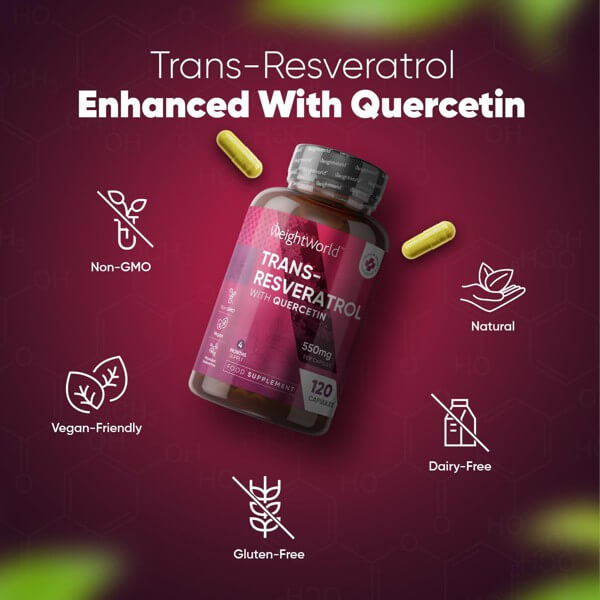
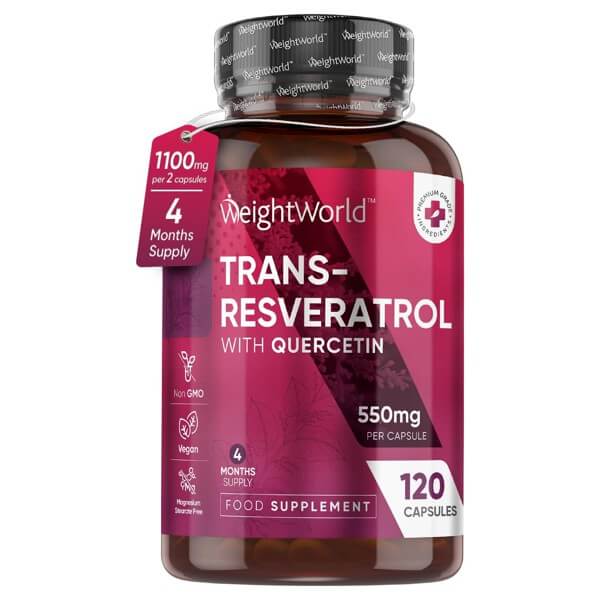
Capsules and tablets are the most common, convenient format. Look specifically for “trans-resveratrol,” the active form used in most research, and consider a product that includes piperine (from black pepper), which is well documented to improve absorption of various compounds.
Immunity & Antioxidants
Since resveratrol is fat-soluble, taking it alongside a meal containing some fat — avocado on toast, or scrambled eggs, for instance — makes practical sense for absorption. Some people prefer evening dosing, though consistency matters more than the exact time of day, so it’s worth finding a routine that actually fits your lifestyle rather than chasing an optimal moment.
If you already take other supplements, resveratrol is generally considered to work well alongside quercetin (with some research suggesting a complementary relationship between the two), vitamin C and other antioxidants, and omega-3 fatty acids.
Safety Considerations
Resveratrol doesn’t typically cause problems for most people, though some notice mild stomach upset, headaches, or — if taken late in the evening — some sleep disruption, which usually resolves by adjusting the dose or timing.
A few groups should be more cautious. If you’re pregnant or breastfeeding, safety data is still insufficient, so it’s best avoided. If you take blood-thinning medication, resveratrol can enhance their effect, which needs medical oversight rather than casual combination. If you have surgery scheduled, it’s generally advised to stop at least two weeks beforehand, given resveratrol’s mild blood-thinning properties. And because resveratrol has mild oestrogen-like effects, anyone with a hormone-sensitive health condition should discuss it with their GP before starting. As with anything on this site, if you take regular medication or manage a health condition, a quick conversation with your GP before adding resveratrol is the sensible starting point.
Choosing a Quality Supplement
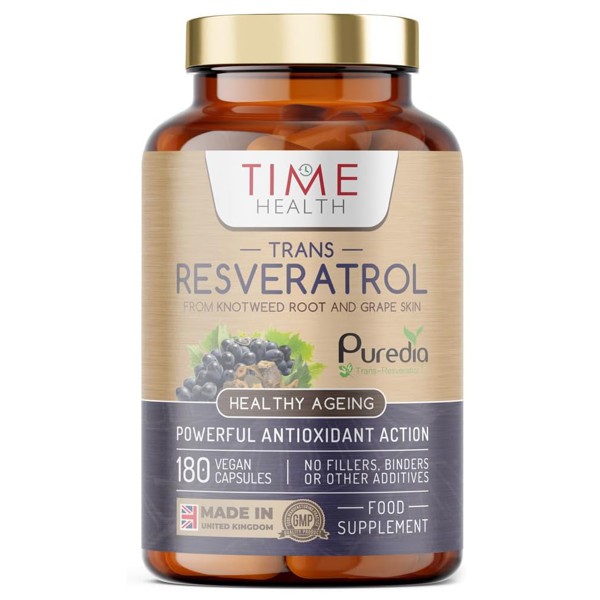
Quality varies considerably in this category, so it’s worth checking a few specific things: trans-resveratrol content (ideally 98% or higher), a dose that’s grounded in the research ranges above rather than an inflated “mega-dose” used mainly for marketing impact, a relatively short ingredient list without unnecessary additives, and — where stated — cold-processed extraction, which is generally understood to preserve more of the beneficial compounds.
Immunity & Antioxidants
Beyond the specific ingredient, general manufacturing quality matters too: GMP certification, independent third-party testing, and clear, complete labelling without vague “proprietary blend” language are all reasonable signals of a trustworthy product, available through pharmacies, health shops, and reputable online retailers.
Common Myths, Addressed
“I’ll just drink more red wine instead.” A typical glass of red wine contains only around 0.2-5.8mg of resveratrol, while studies showing measurable benefits generally use 100mg or more daily — reaching that through wine alone would mean a genuinely unhealthy amount of alcohol. Your liver would have strong objections.
“Resveratrol will reverse ageing.” It won’t, and no supplement will. Resveratrol is a reasonable part of a broader wellness approach, not a substitute for skincare, nutrition, exercise, sleep, and the genetics you were born with — all of which still do most of the heavy lifting in how you age.
“Natural sources are always better than supplements.” Not necessarily — whole foods do offer complementary compounds alongside resveratrol, but they also make it harder to reach research-relevant amounts through diet alone. Chemically, trans-resveratrol is identical whether it originates from Japanese knotweed or is produced in a lab; the source doesn’t change the molecule itself.
If Resveratrol Isn’t Right for You
A few related compounds and approaches are worth knowing about if resveratrol doesn’t feel like the right fit. Quercetin, found in apples and onions, is researched for anti-inflammatory properties and is sometimes used alongside resveratrol specifically. Pterostilbene is a close molecular relative of resveratrol, studied for potentially better absorption. EGCG, from green tea, is behind much of green tea’s broader research interest. And curcumin, turmeric’s active compound, has its own substantial research base for inflammation, covered in more detail elsewhere on this site.
Immunity & Antioxidants
If you’d rather get more of these compounds through food, berry smoothies, a small glass of purple grape juice, green tea in place of your usual cup, turmeric stirred into soups and stews (with black pepper for absorption), and a square of good-quality dark chocolate after dinner are all reasonable, enjoyable ways to do it.
It’s also worth remembering that several lifestyle factors touch some of the same biological pathways resveratrol is studied for — intermittent fasting approaches like the 16:8 method, regular brisk walking or physical activity, stress-reduction practices like meditation, consistently good sleep, and even cold water swimming, which has become increasingly popular in the UK. None of these require a supplement at all.
Final Thoughts
Resveratrol is a genuinely interesting compound with real research behind several of its proposed benefits, particularly around cardiovascular markers and longevity-related pathways — but it’s not the near-magical anti-ageing molecule some marketing suggests, and specific claims about preventing conditions like Alzheimer’s go further than the current human evidence supports.
If you’re over 40, interested in healthy ageing, or have a family history of cardiovascular concerns, resveratrol is a reasonable, generally well-tolerated supplement worth considering as one part of a broader approach — alongside the diet, exercise, sleep, and stress management that do most of the actual work, not instead of them.
Disclaimer: This article is for informational purposes only and does not constitute medical advice. Always consult your GP before starting resveratrol, particularly if you take blood-thinning medication, have a hormone-sensitive condition, are pregnant or breastfeeding, or have surgery scheduled.