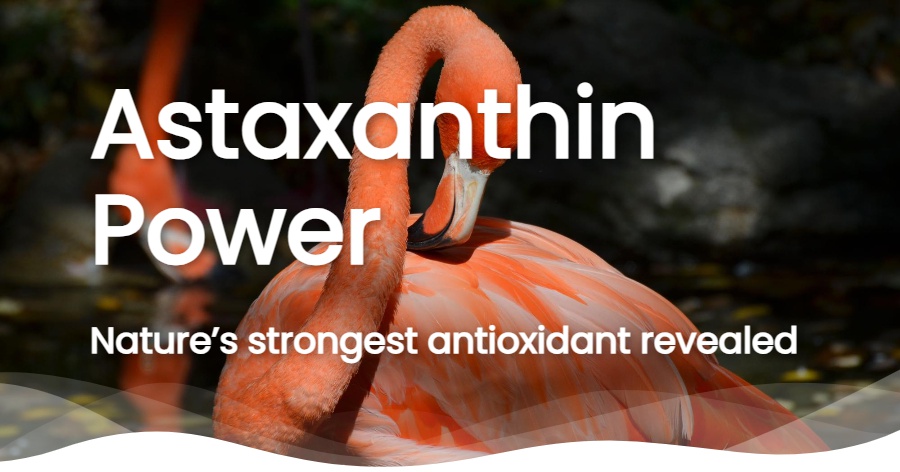
Astaxanthin is a red pigment found in salmon and other seafood, gaining recognition as one of the more potent natural antioxidants studied so far. It’s not yet a household name, but research spans everything from eye health to skin protection and athletic performance — with evidence quality varying quite a bit between these areas, which this guide tries to be upfront about throughout.
What Is Astaxanthin?
Astaxanthin is a naturally occurring carotenoid — the class of antioxidant pigments responsible for the vibrant red, orange, and yellow colours in certain foods. It’s primarily produced by the microalgae Haematococcus pluvialis when the algae is under environmental stress, and it accumulates in the marine animals that feed on it, including salmon, trout, krill, shrimp, and crayfish, giving them their characteristic pink-red colour.
Synthetic astaxanthin exists, but natural astaxanthin from microalgae is generally considered to have a different molecular structure and higher antioxidant activity in laboratory testing, which is why most quality supplements source it from Haematococcus pluvialis specifically.
The Evidence: A Realistic Starting Point
It’s worth setting expectations honestly before going further. Human evidence for astaxanthin is genuinely limited — it shows some positive effects on oxidative stress markers, but it’s not always clear how effectively this translates into specific, felt health outcomes. What is well established is safety: reviews covering around 87 human studies have found no significant safety concerns with natural astaxanthin, including roughly 35 studies using doses of 12mg/day or more. That combination — a good safety record alongside moderate-to-preliminary evidence for specific benefits — is the honest overall picture, and it’s worth keeping in mind as you read the more detailed sections below, several of which describe research findings that are genuinely interesting but not settled fact.
The strongest evidence relates to eye health, skin protection, and general oxidative stress reduction. Evidence for cognitive, athletic, and cardiovascular benefits ranges from moderate to preliminary — covered in more detail, with appropriate caveats, below.
Immunity & Antioxidants
What Research Explores
Antioxidant Activity
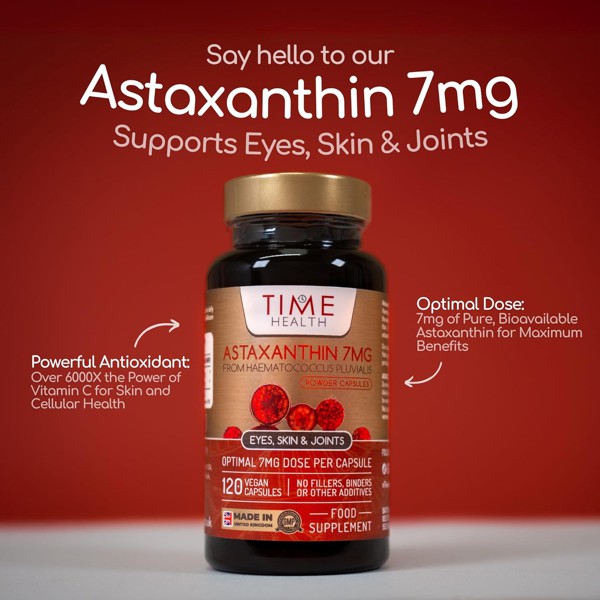
Astaxanthin is sometimes nicknamed the “king of antioxidants,” reflecting genuine laboratory findings about its potency in specific antioxidant assays — commonly cited comparisons suggest it neutralises singlet oxygen (a specific type of reactive oxygen species) far more effectively than vitamin C, CoQ10, or vitamin E in these particular lab tests. It’s worth being precise about what this means: these are narrow, assay-specific measurements of one antioxidant mechanism, not a general statement that astaxanthin is proportionally “6,000 times better” at everything an antioxidant does in the body — real-world effects depend on absorption, distribution, and many other factors these lab comparisons don’t capture.
That said, astaxanthin’s molecular structure is genuinely distinctive: it spans the entire cell membrane, potentially offering protection to both the inner and outer layers simultaneously, in a way some other antioxidants don’t.
Eye Health
With screen time now a major part of daily life for most people, eye strain is a common, practical concern. Astaxanthin is one of the antioxidants able to cross the blood-retina barrier and accumulate in the retina, which has made it a subject of specific eye-health research.
A 2009 study on presbyopia (age-related difficulty focusing on close objects) found that pupil response to visual stimulus improved in most participants after supplementation, alongside reported improvements in eye fatigue, blurred vision, and associated shoulder and neck tension. Some research suggests astaxanthin may support capillary health around the eyes and help reduce inflammation-related strain, though this is an area where more, larger studies would strengthen confidence in the exact size of the effect.
Immunity & Antioxidants
Skin and UV-Related Research
UV exposure contributes to skin ageing year-round, not just in obviously sunny weather, and astaxanthin has a reasonably solid body of human research behind it specifically for skin — genuinely one of its better-supported uses. A 2021 review found that supplementation in the 3-6mg daily range was associated with improved skin elasticity, moisture, and fine lines in several human trials, with doses across the wider 2-12mg range (commonly 6mg) showing similar patterns across multiple studies, generally over 6-8 weeks of use.
It’s worth being precise about one detail: some of the most-cited astaxanthin skin research from Kyoto University’s research groups is animal research (studies in mice), exploring mechanisms like collagen protection and skin barrier function, rather than human trials specifically from that institution — the positive human skin trials mentioned above come from a broader set of separate human studies, mostly conducted in Japan. Both bodies of research point in a similar direction, but it’s more accurate to credit the human findings to the human studies themselves rather than to any single named university’s animal research.
Mechanistically, astaxanthin is understood to help protect skin collagen from oxidative damage, inhibit some collagen-degrading enzymes activated by UV and stress, and support the skin’s own collagen production. None of this replaces sunscreen — astaxanthin is, at most, an additional layer of internal support alongside proper sun protection, not a substitute for it.
Immunity & Antioxidants
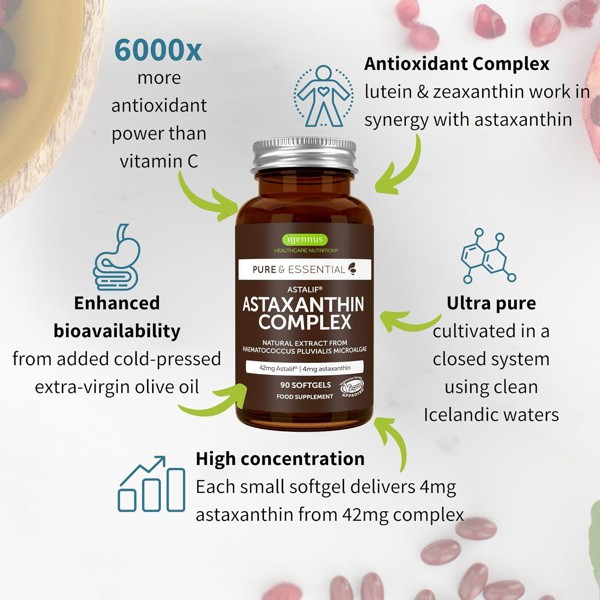
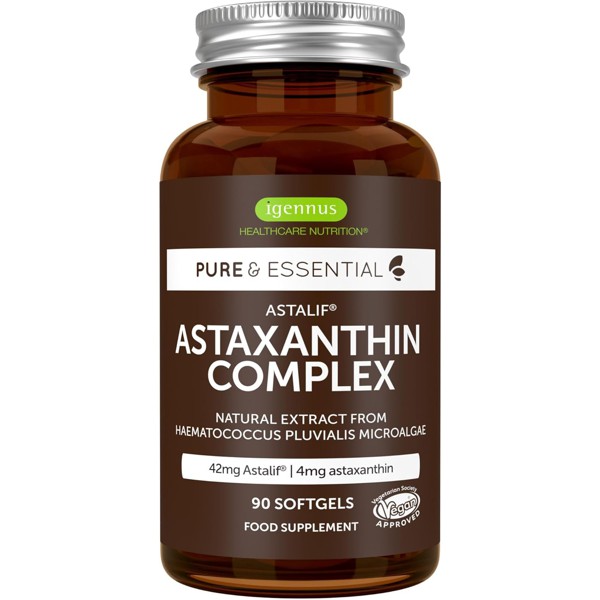
Astaxanthin Complex 4mg (42mg Oil) Microalgae 90 Vegan Softgels
Brain and Cognitive Function — With an Important Caveat
The brain’s high oxygen use and fatty acid content make it particularly susceptible to oxidative stress, which is part of why astaxanthin — one of the relatively few compounds able to cross the blood-brain barrier — has attracted cognitive research interest.
Some specific human studies are genuinely worth knowing about: one trial found improvements in cognitive test scores and maze-learning rate in adults aged 45-64 with age-related forgetfulness at 12mg/day, and another found improved word recall in adults under 55 at 8mg/day compared to placebo. These are real, specific findings, though as with most single studies, larger replications would strengthen confidence.
Where more caution is genuinely needed: some reviews have explored astaxanthin’s anti-inflammatory properties in relation to neurodegenerative conditions like Alzheimer’s and Parkinson’s disease. This research is overwhelmingly at the laboratory and preclinical stage, and it’s important to be direct that astaxanthin is not an established treatment or prevention for either condition in humans. If you or a family member have concerns about cognitive decline or a neurodegenerative condition specifically, that’s a conversation for a GP or specialist, not something to address through supplementation.
Athletic Performance and Recovery
Astaxanthin is studied for a role in protecting muscle tissue from oxidative damage during exercise and reducing the inflammatory response linked to delayed-onset muscle soreness. Some studies report improvements in time-trial performance and workout capacity alongside reduced markers of muscle damage, across both endurance and strength-training contexts — though, consistent with the overall evidence picture for astaxanthin, results across studies are more mixed here than for eye and skin research specifically, and larger trials would help clarify the size of any real-world effect.
Immunity & Antioxidants
Cardiovascular Research
Oxidative stress affects cardiovascular health in various ways, from cholesterol handling to arterial flexibility, and astaxanthin has been studied in this context. A study published in the Journal of Clinical Biochemistry and Nutrition found participants taking astaxanthin showed improvements in HDL cholesterol alongside healthier triglyceride levels, and some research points to a possible role in supporting the endothelium — the inner lining of blood vessels involved in regulating blood flow and pressure. As the “Important Limitations” section below notes, this remains an area needing larger trials before firmer conclusions can be drawn.
Immune-Related Research
Rather than simply “boosting” immunity (which isn’t always desirable, since an overactive immune response has its own downsides), astaxanthin is studied for a possible role in helping modulate immune responses — supporting them when needed while potentially limiting excessive inflammatory reactions. Some Japanese research has explored effects on both innate and adaptive immune activity alongside inflammatory pathway regulation; as with several areas in this guide, this is a genuinely interesting but still-developing area of research rather than a settled finding.
Who Might Consider Astaxanthin?
Given its broad antioxidant research base, astaxanthin could reasonably interest most adults, but a few groups come up more specifically in the research and in practice: people spending long hours on screens (given the specific eye-health research above), adults over 40 interested in general antioxidant support across several systems at once, athletes and physically active people interested in the recovery-related research, and those dealing with higher environmental stress — urban pollution, frequent air travel, or generally high-stress lifestyles.
Dosage, Timing, and What to Expect
Most research uses daily doses between 2 and 12mg, with 4-8mg commonly suggested as a general range. A reasonable starting point is around 4mg daily for general antioxidant support, moving toward 6-8mg specifically for eye or skin-related goals, or up to 12mg for the athletic performance research covered above. For context, around four ounces of sockeye salmon provides roughly 4.5mg of astaxanthin — supplementation simply offers more consistent, predictable dosing than relying on diet alone.
Being fat-soluble, astaxanthin is meaningfully better absorbed when taken alongside a meal containing some fat — breakfast or lunch with olive oil, avocado, or nuts is a practical way to achieve this, with some research suggesting a notably better absorption rate this way compared to an empty stomach.
On timeline: some effects, particularly on eye strain, can appear within days for some people, but most benefits — especially for skin health and exercise performance — are more realistically assessed after 6-8 weeks of consistent daily use, so it’s worth building in that kind of patience before judging whether it’s working for you.
Safety and Precautions
Across the safety literature — including reviews covering roughly 87 human studies, some involving children, and specific trials in over 180 people looking at bioavailability and cardiovascular and inflammatory markers — natural astaxanthin has a genuinely strong safety record, with no serious side effects reported in this body of research.
Mild effects are occasionally reported: some people notice stomach upset, particularly if taken on an empty stomach; doses of 20mg or more can occasionally cause a harmless, temporary reddish discolouration of stool; and higher doses have very rarely been associated with a slight, temporary increase in skin pigmentation.
For context on regulatory guidance, the US FDA has accepted daily astaxanthin doses in the 2-12mg range as generally recognised as safe, with acute (short-term) intake of up to 40mg daily generally well tolerated, and up to 24mg for periods of up to 30 days used in some research contexts — though, as with any supplement, sticking closer to the commonly researched 2-12mg range is the more conservative, better-supported general approach.
If you have a seafood allergy, some caution is worth exercising, though most modern supplements source astaxanthin from algae rather than marine animals, which meaningfully reduces this risk compared with marine-sourced products. As with any supplement, speak to your GP if you’re pregnant, breastfeeding, managing a specific medical condition, or taking regular medication.
Choosing a Quality Supplement
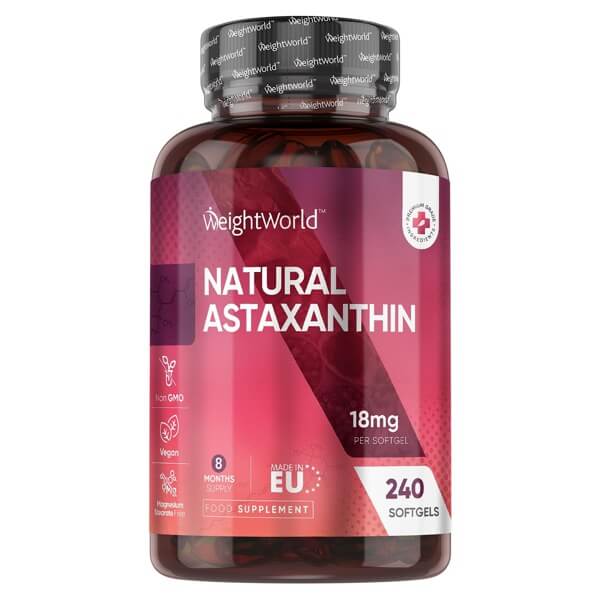
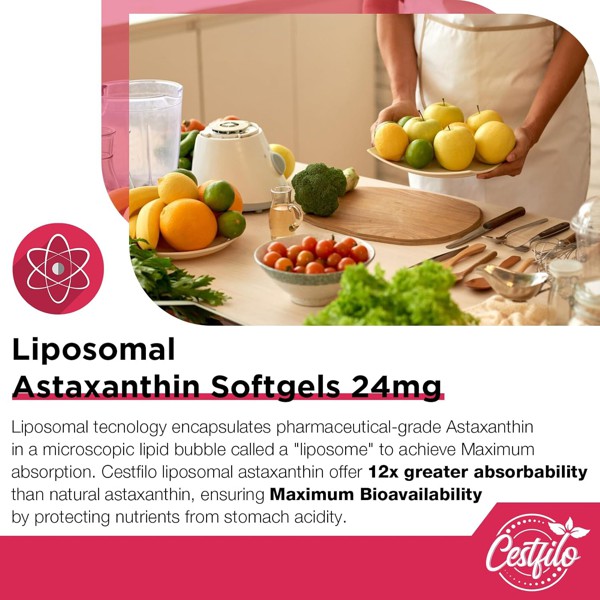
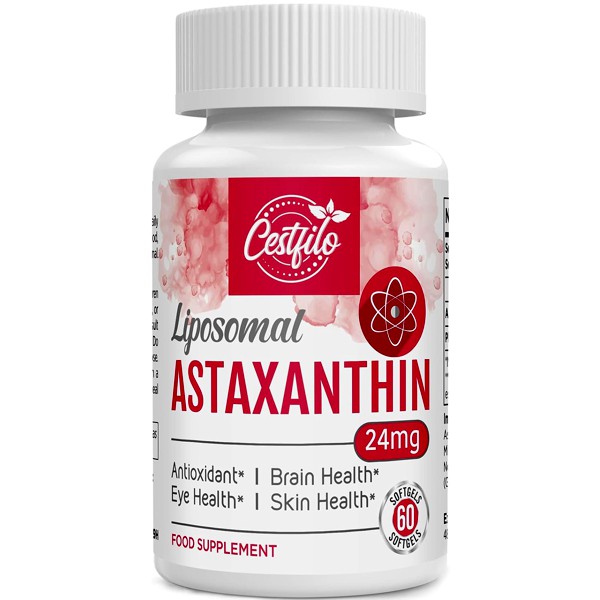
Quality varies substantially across the UK astaxanthin market. Natural astaxanthin from Haematococcus pluvialis is generally preferable to synthetic alternatives, given the research base discussed throughout this guide relates mainly to the natural form. Beyond the source, GMP certification and third-party testing are reasonable general quality signals, as is a relatively clean ingredient list without excessive unnecessary fillers — and since astaxanthin is fat-soluble and prone to oxidation, a lipid-based delivery system (sometimes using olive or coconut oil as a carrier) can help with both stability and absorption.
Important Limitations to Keep in Mind
Repeating the honest picture from earlier in this guide: human evidence for astaxanthin shows some genuine promise for oxidative stress, but the size and consistency of specific health benefits varies considerably by area.
Where the evidence is strongest: eye health and visual fatigue, skin protection and appearance, general oxidative stress reduction, and long-term safety at researched doses.
Where the evidence is more preliminary: cognitive enhancement (promising but based on smaller studies), athletic performance (genuinely mixed results across trials), and cardiovascular benefits (encouraging early findings, but needing larger trials).
Study sizes and participant diversity remain limited across much of this research overall, and more work is needed to fully understand astaxanthin’s therapeutic potential — a fair, honest note to end on rather than overselling any single area.
Final Thoughts
Astaxanthin is a genuinely interesting antioxidant with real research behind several of its more specific benefits, particularly for eye and skin health, paired with an unusually strong safety record across a substantial body of human research. It isn’t a cure-all, and claims about cognitive or neurodegenerative disease prevention specifically go further than current evidence supports.
If you’re looking to support eye comfort during heavy screen use, add another layer of skin defence alongside sunscreen, or explore general antioxidant support as part of a broader wellness approach, astaxanthin is a reasonable, well-tolerated option — provided you choose a quality natural product and give it the 6-8 weeks most of the research suggests is needed to properly assess whether it’s helping.
Disclaimer: This article is for informational purposes only and does not constitute medical advice. Always consult your GP before starting astaxanthin if you are pregnant, breastfeeding, have a specific medical condition, take regular medication, or have a seafood allergy.