Ever found yourself staring at the ceiling at 3am, mind racing through tomorrow’s to-do list? Or experienced that peculiarly British state of being “absolutely knackered” yet somehow unable to switch off after a demanding day?
You’re not alone — sleeplessness linked to stress and anxiety is a genuinely common complaint across the UK, sitting somewhere near the top of most surveys on what keeps people awake. Between work pressures, family responsibilities, and the general pace of modern life, it’s not surprising our bodies send distress signals.
What Are Adaptogens?
Adaptogens are a category of plants studied for a role in helping the body’s stress response — not by sedating or stimulating in the way a sleeping pill or an energy drink might, but by supporting the systems involved in returning to a more balanced state after stress. That’s the theory, and it’s a genuinely interesting one, though — as covered throughout this guide — the strength of evidence varies quite a bit between the specific plants involved.
How Adaptogens Are Thought to Work
Under stress, the body releases cortisol — useful for short bursts of genuine threat, less useful when triggered repeatedly by emails, deadlines, or traffic on the M25. Adaptogens are studied for their relationship with the hypothalamic-pituitary-adrenal (HPA) axis, the system governing this stress response, with research exploring roles in moderating cortisol when it runs high, influencing neurotransmitters relevant to mood and relaxation, and supporting the body’s broader response to chronic stress — including, for some people, disrupted sleep-wake patterns.
It’s worth being clear that “supports the HPA axis” is a mechanism under active study, not a guarantee of a specific felt effect for every individual — response varies considerably from person to person, which is really the theme running through the rest of this guide.
Adaptogens Worth Knowing About
Ashwagandha
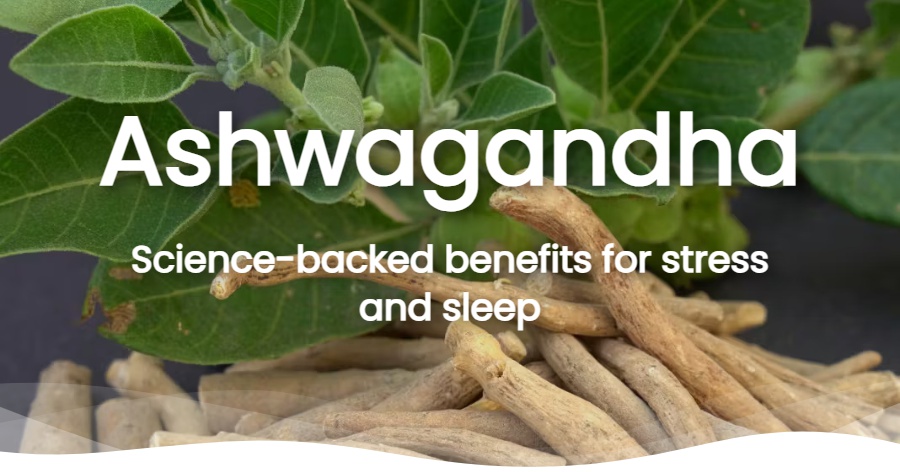
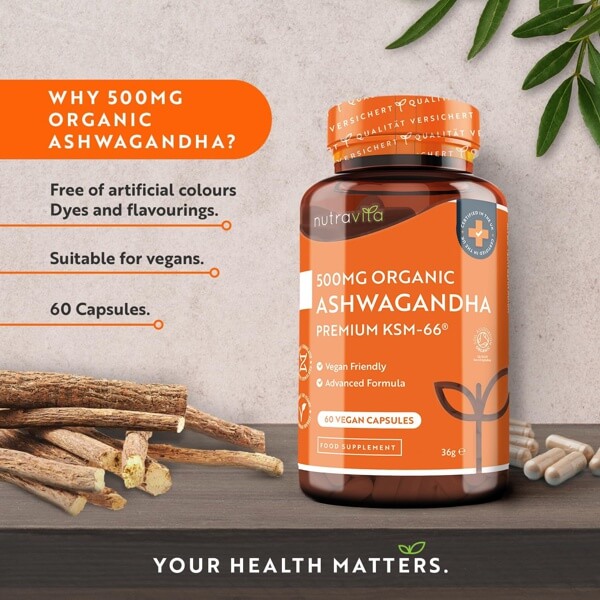
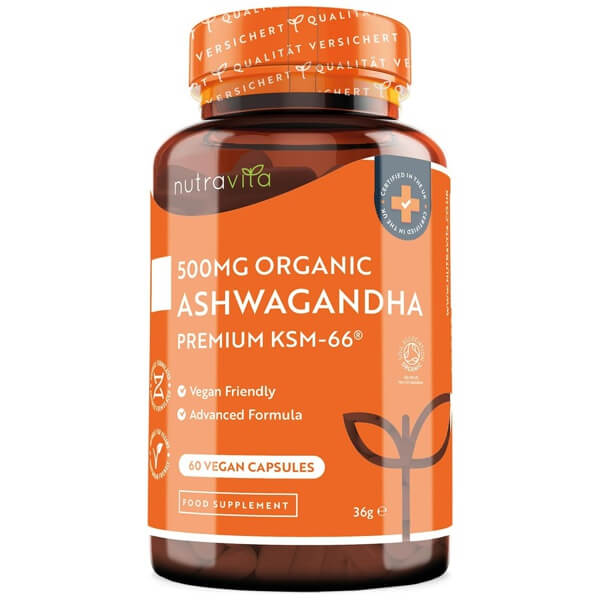
Ashwagandha, from Ayurvedic tradition, is one of the more researched adaptogens for cortisol and the “wired but tired” feeling that keeps many people tossing and turning despite genuine exhaustion. Look for KSM-66 extract at 300-600mg, taken consistently — often with an evening meal, or as part of a wind-down routine (a book rather than a late-night scroll pairs well with it, for what it’s worth). As covered elsewhere on this site, ashwagandha genuinely affects thyroid hormone levels in some people, so anyone with a thyroid condition or on thyroid medication should check with their GP before starting.
Rhodiola Rosea
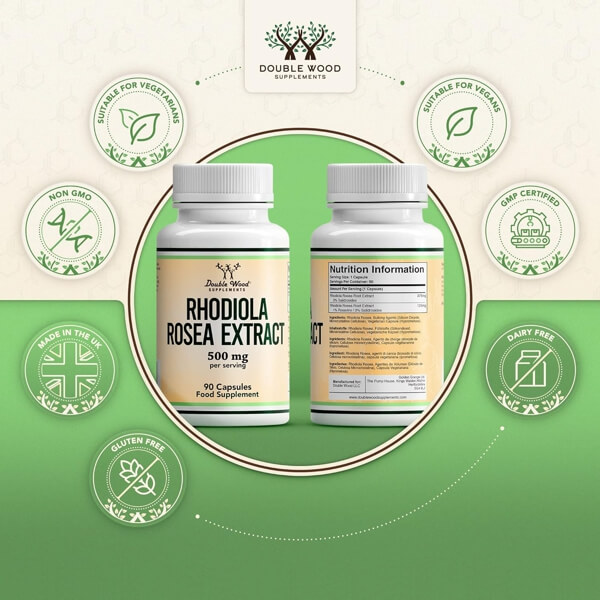
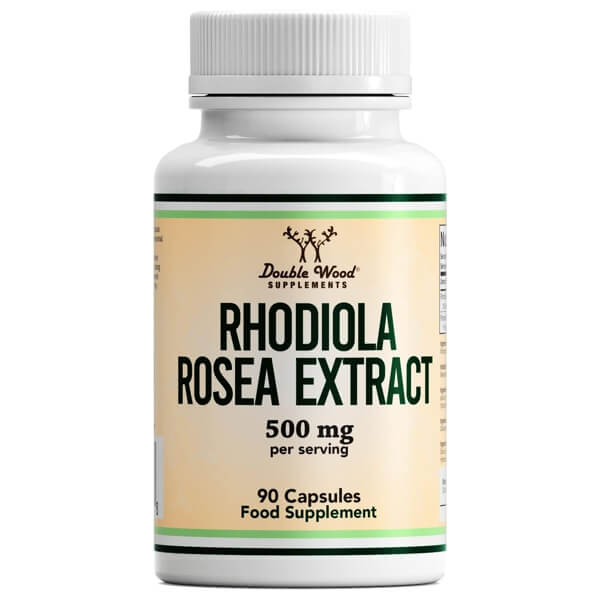
Rhodiola grows in harsh Arctic conditions and is studied specifically in relation to mental fatigue — the particular exhaustion that comes from pushing through stress for extended periods, rather than general relaxation. It’s best thought of as a daytime adaptogen: 200-400mg with breakfast is a common approach, and it’s generally better taken earlier in the day, since some people find it mildly energising and it can interfere with sleep if taken too late. Rhodiola is generally best avoided by people with bipolar disorder, given its stimulating properties.
Vitamins & Minerals
Holy Basil (Tulsi)
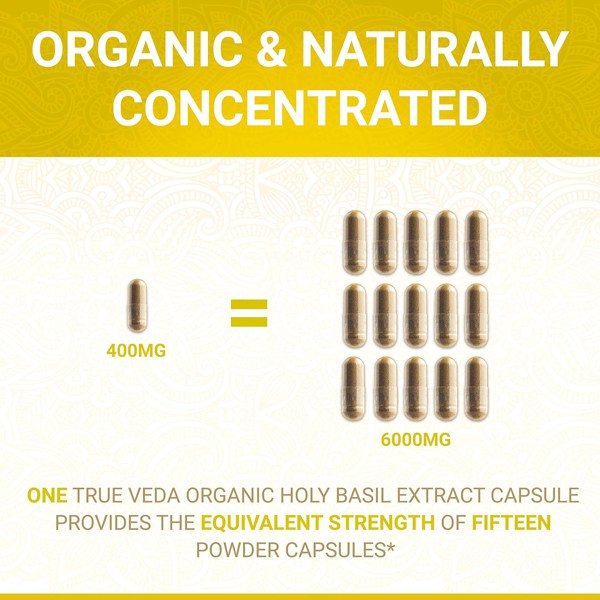
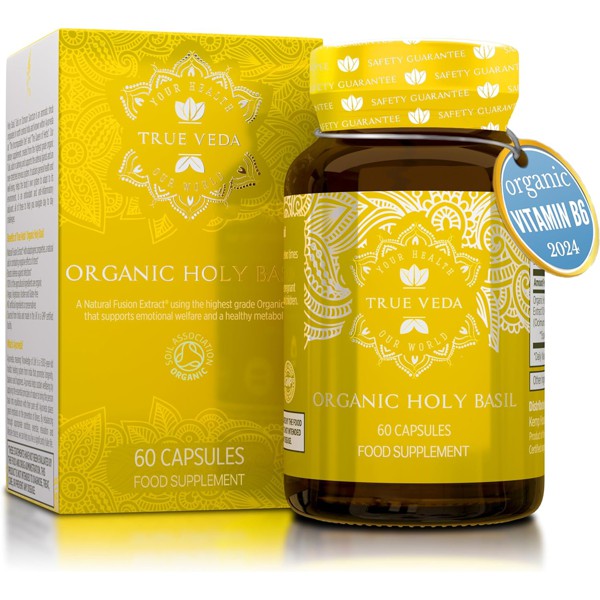
Revered in Indian tradition for thousands of years, holy basil is studied for a role in general stress balance, touching on both mood and, in some research, blood sugar and metabolic markers. It works well as a tea as part of a wind-down ritual, or as a 300-600mg capsule for those who prefer it — and unlike some adaptogens that build gradually, many people notice a fairly immediate sense of calm, which suits evening use particularly well. If you’re diabetic or on blood sugar medication, it’s worth mentioning holy basil to your GP given its studied effect on glucose metabolism.
Herbal Supplements
Reishi Mushroom
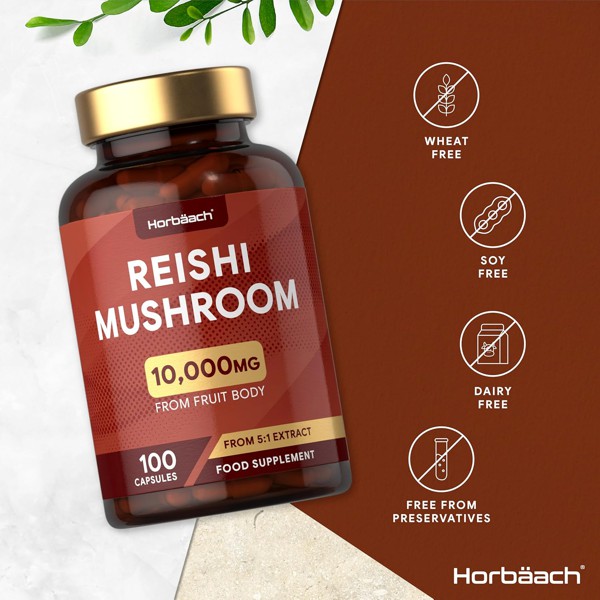
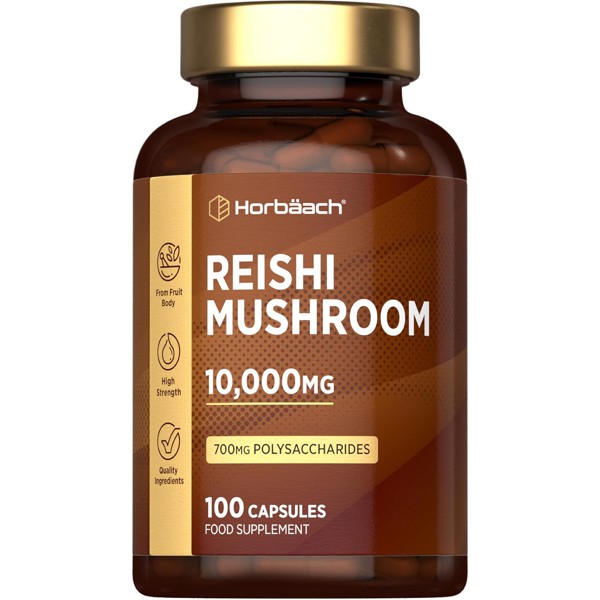
Used in Asian medicine for centuries and informally nicknamed the “mushroom of immortality” (a nickname that reflects its traditional reputation rather than a literal scientific claim), reishi is studied for a role in sleep quality without the grogginess sometimes associated with sleep medication. A typical approach is 1-2g of extract in the evening — the taste is fairly bitter in liquid form, so many people prefer capsules, though some UK cafés now serve reishi in hot chocolate as a more palatable alternative. Reishi has mild blood-thinning and immune-modulating properties, so it’s worth checking with your GP if you take anticoagulant medication or have an autoimmune condition.
Schisandra Berry
Known in Chinese medicine as the “five-flavour berry” for containing sweet, sour, salty, bitter, and pungent notes all at once, schisandra is studied for a role supporting several body systems together, including a possible influence on how the body processes stress hormones — some people also explore it in relation to liver-supportive research, which is a genuinely studied area rather than a “detox” in the marketing sense of the word. Start with a modest dose (around 500mg), since it’s a fairly potent herb — as a tincture in water, or in capsule form. Many herbalists suggest 6-8 weeks of use followed by a short break, though this is based more on traditional practice than strong clinical evidence either way.
Lemon Balm
A herb many people already grow in UK gardens, lemon balm is studied for effects on cortisol and GABA (the brain’s primary calming neurotransmitter), offering fairly gentle support for both stress and sleep. Fresh lemon balm makes a pleasant tea (1-2 teaspoons of leaves, steeped 5-10 minutes), and standardised supplements (300-600mg) work well too — the mild lemony scent alone makes it a nice addition to an evening routine, research aside.
Magnolia Bark
Magnolia bark, from traditional Chinese medicine, contains compounds — honokiol among them — studied for interacting with some of the same neurological pathways involved in relaxation and sleep. It’s worth being precise and cautious here rather than overselling it: this is a mechanistic research finding, not a basis for treating magnolia bark as equivalent to, or a side-effect-free alternative to, anti-anxiety medication — it isn’t a licensed medicine, its effects and dosing are far less rigorously established, and it can still cause drowsiness, particularly combined with alcohol or other sedating substances. A typical approach is 200-400mg of standardised extract 30-60 minutes before bed, sometimes paired with a warm bath or shower as part of a sleep-promoting routine — but if you’re already taking prescribed anti-anxiety or sleep medication, this is a conversation for your GP, not a supplement to combine casually.
Choosing Quality Adaptogens
With the UK wellness market growing quickly, it’s worth being a little careful about quality. Look for companies that prioritise testing and transparency — organic certification matters particularly for herbs like holy basil that might otherwise be heavily sprayed, and for mushroom-based products like reishi, check the label specifies actual extract rather than just ground mycelium (the root-like structure), since the two aren’t equivalent in terms of concentration.
Higher-quality adaptogens aren’t always the cheapest option, but they’re often more cost-effective over time than the coffee many of us reach for to push through fatigue instead.
Building Adaptogens Into a Routine
One genuine advantage of adaptogens is their flexibility. Rhodiola or schisandra tend to suit mornings, alongside breakfast. Ashwagandha, reishi, magnolia bark, and lemon balm are more commonly used in the evening, as part of a wind-down routine alongside reading or quiet time. Holy basil is unusual in being commonly used throughout the day, including during the typical afternoon energy dip many people experience.
There’s no single correct way to build this in — some people keep capsules at their desk for hectic days and prefer tea on calmer weekends; others stick to one consistent routine. What matters more than the specific ritual is consistency over a few weeks, since these aren’t generally fast-acting in the way caffeine or a sleeping tablet is.
Starting Out: A Sensible Approach
Start with one adaptogen addressing your main concern, at a modest dose, and increase gradually only if needed. Be patient — most people need 2-3 weeks of consistent use before forming a real impression of whether something is helping, and keeping a simple note of sleep quality or energy levels over that time makes it much easier to judge honestly, rather than relying on how any single day felt.
It’s also worth remembering that adaptogens are a complement to, not a replacement for, the fundamentals: decent sleep hygiene, regular movement, and genuine rest — the last of which many of us, adaptogens or not, aren’t always brilliant at prioritising.
Who Should Be Careful
Adaptogens are generally well tolerated, but a few groups should take extra care, and it’s worth being specific about why, given the different herbs above:
- Anyone on prescription medication — particularly for thyroid function (relevant to ashwagandha), blood sugar (relevant to holy basil), blood thinning or immunosuppression (relevant to reishi), or existing anti-anxiety or sleep medication (relevant to magnolia bark)
- Those who are pregnant or breastfeeding — safety data for most adaptogens in these groups is limited
- People with autoimmune conditions — particularly relevant to reishi, given its immune-modulating properties
- People with bipolar disorder — particularly relevant to rhodiola, given its stimulating properties
- Anyone with surgery scheduled within two weeks — several adaptogens have mild blood-thinning effects worth stopping beforehand
When in doubt, a conversation with your GP or a registered herbalist is the sensible next step, rather than guessing.
Matching an Adaptogen to Your Main Concern
Since individual response varies considerably — what works well for one person may do little for another — starting with the adaptogen most aligned with your specific concern is more useful than trying several at once. For racing thoughts at bedtime, ashwagandha or lemon balm are commonly considered first. For waking frequently during the night, magnolia bark or reishi are more often discussed. For burnout-related fatigue affecting sleep, some people use rhodiola during the day alongside holy basil in the evening. For stress that shows up as digestive discomfort disrupting rest, holy basil or schisandra come up more often in research and practice.
Final Thoughts
Adaptogens won’t override your body’s signals the way a strong sedative or a large coffee might — the research generally points to a more gradual, working-with-your-physiology kind of effect, which also means results are rarely dramatic overnight. For some people that’s exactly the appeal; for others, it may feel too subtle to notice.
None of the plants covered here are a substitute for the fundamentals of good sleep, movement, and stress management, and the ones with real interaction risks — ashwagandha and thyroid function, rhodiola and bipolar disorder, reishi and blood thinners, magnolia bark and existing sedative medication — deserve a GP conversation first, not an assumption that “natural” means risk-free.
Disclaimer: This article is for informational purposes only and does not constitute medical advice. Always consult your GP before starting an adaptogen, particularly if you take regular medication, are pregnant or breastfeeding, have an autoimmune condition, or have surgery scheduled.