“Superfood” isn’t a regulated term, but several of the plants marketed this way — spirulina, sea moss, and moringa among them — do have genuine research behind specific nutritional properties, even where the broader marketing overstates things. Below you’ll find our picks across these categories, with an honest look at what the evidence actually supports rather than the word “superfood” alone.
Superfoods & Greens
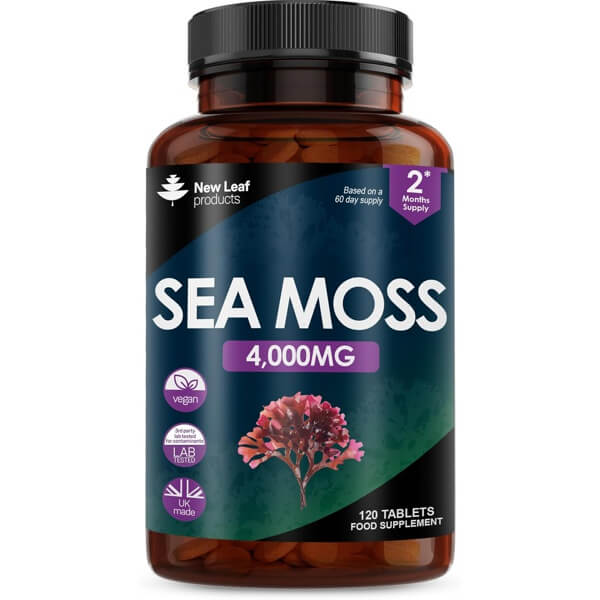
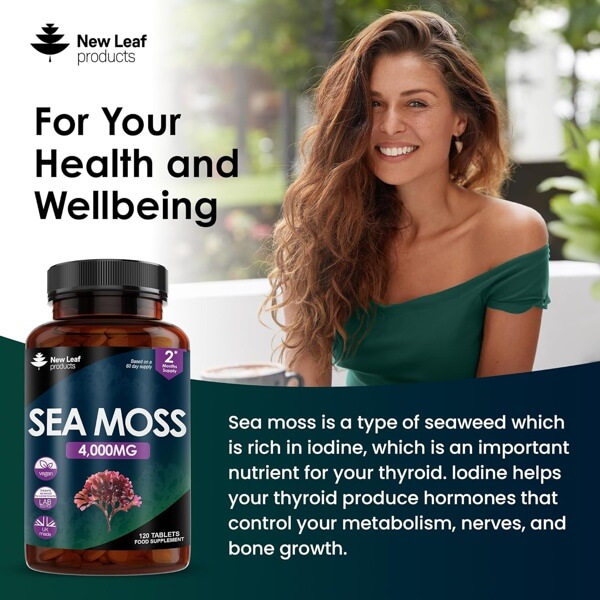
Sea Moss Supplement 4000mg High Potency Extract 120 Vegan Tablets
Superfoods & Greens
Superfoods & Greens
Superfoods and Greens: What Research Actually Shows
“Superfood” is a marketing term rather than a scientific or regulatory one — no food or supplement single-handedly transforms health, and it’s worth approaching this category with that in mind, even where individual ingredients have genuine research behind them.
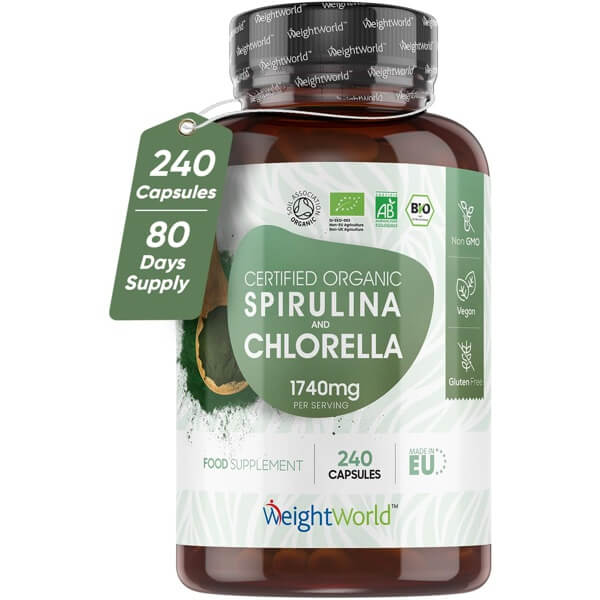
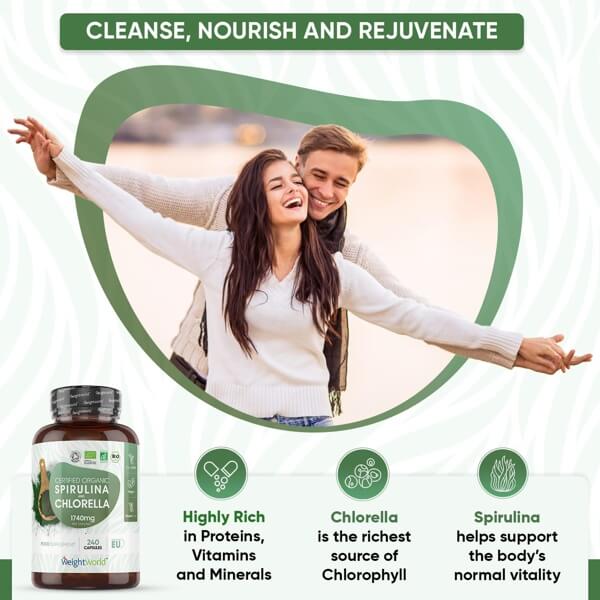
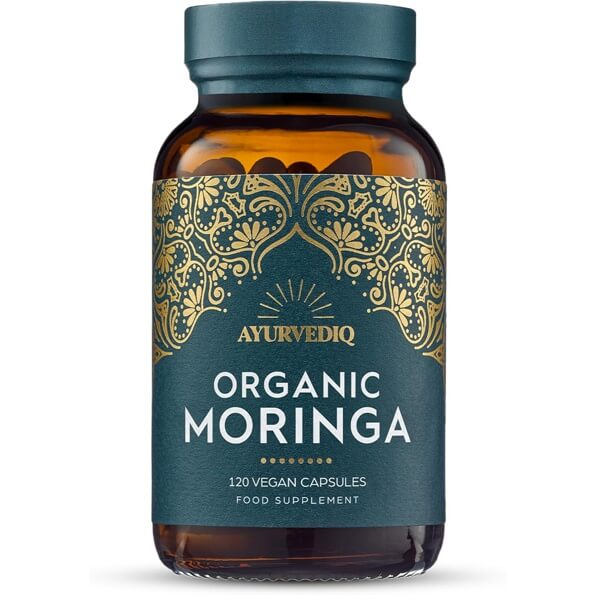
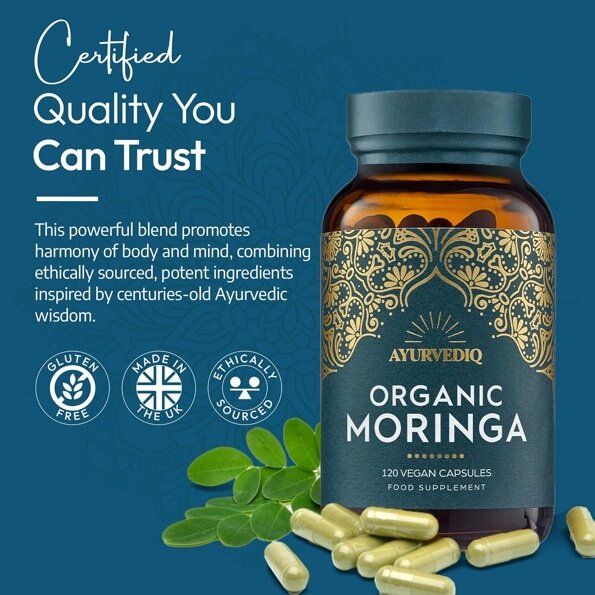
Spirulina, a blue-green algae, is one of the more studied options here, containing antioxidant compounds including phycocyanin, with some research suggesting a supportive role for energy levels and general antioxidant status. Sea moss (Irish moss) is a traditional source of iodine and other minerals, though it’s worth knowing that iodine content can vary considerably between products, and excessive iodine intake carries its own risks — particularly relevant for anyone with an existing thyroid condition, who should check with a GP before regular use. Moringa is studied for its nutrient density and antioxidant compounds, with a reasonable traditional use history, though much of the specific human research remains at an earlier stage compared to better-established supplement categories.
It’s worth being realistic about what “greens” and superfood powders can offer: they’re a reasonable way to add nutrient density to a diet, but they don’t replace whole fruits and vegetables, which offer fibre and food-matrix benefits that concentrated powders generally don’t fully replicate. General immune, energy, and antioxidant claims attached to this category are often broader than what any single ingredient’s research actually supports, so it’s worth reading specific product claims with some healthy scepticism.
If you’re considering sea moss specifically, checking the iodine content against recommended daily limits is worth doing before regular use, and as with any supplement, checking with your GP first is sensible if you have an existing health condition or take regular medication.