
Confused about the difference between cod liver oil and regular fish oil? You’re not alone. Both come from marine sources and offer genuine benefits, but they have distinct properties that make one more suitable than the other depending on your situation.
This guide explores the key differences, what research supports, and — importantly — a specific safety point that distinguishes cod liver oil from standard fish oil and matters more than most guides mention.
What Is Cod Liver Oil?
Cod liver oil is extracted specifically from cod livers, and has a long history as a traditional remedy in British coastal communities, particularly in northern fishing regions.
Unlike standard fish oil, cod liver oil naturally contains meaningful amounts of vitamins A and D alongside the omega-3s EPA and DHA. This vitamin content is exactly what sets it apart from standard fish oil — and it’s the reason cod liver oil needs to be treated somewhat differently, as covered throughout this guide.
What Research Supports
General Considerations for Women
The vitamin D content in cod liver oil is relevant to bone density, particularly important given the increased osteoporosis risk women face with age — vitamin D plays a well-established role in calcium absorption and bone mineralisation.
Omega-3s more generally are studied in relation to inflammation, including some research on menstrual discomfort, though this is a more general omega-3 finding than something specific to cod liver oil’s vitamin content.
An important correction on pregnancy, specifically: despite being commonly assumed to be beneficial in pregnancy because of its DHA and vitamin D content, cod liver oil is actually a product the NHS specifically advises against during pregnancy. This is because of its vitamin A content — high vitamin A intake during pregnancy is linked to a risk of birth defects, and the NHS guidance is clear: avoid vitamin A supplements, including fish liver oil such as cod liver oil, if you’re pregnant or trying to conceive. If you want the DHA benefits relevant to pregnancy specifically, a standard fish oil or algae-based omega-3 supplement — without the vitamin A content — is the appropriate choice, not cod liver oil.
General Considerations for Men
Omega-3s are studied in relation to cardiovascular markers including blood pressure and triglycerides, relevant given cardiovascular disease remains a leading health concern in the UK — though, as covered in more detail in our dedicated omega-3 guide, the evidence for general-population cardiovascular benefit from standard supplementation is more mixed than often presented, with NICE not recommending routine supplementation for primary prevention specifically.
Some research has explored omega-3’s anti-inflammatory properties in relation to prostate health, though this remains an area of ongoing research rather than an established benefit.
Vitamin D does play a role in normal testosterone production among its broader functions, and cod liver oil is one source of vitamin D — though it’s worth being accurate about the scale of this: correcting a genuine vitamin D deficiency is different from “boosting” testosterone in someone who isn’t deficient, and vitamin D is just one of many factors relevant to muscle mass, bone density, and general vitality.
Cod Liver Oil vs Standard Fish Oil: Key Differences
The most substantial difference is vitamin content: cod liver oil naturally contains meaningful vitamin A and D, while standard fish oil generally doesn’t unless specifically fortified.
Source differs too — cod liver oil comes specifically from cod livers, while standard fish oil is derived from the tissue of fatty fish like salmon, mackerel, anchovy, and sardines. Fatty acid concentration also tends to differ: standard fish oil often provides more EPA and DHA per gram than cod liver oil, since a meaningful portion of cod liver oil’s volume is the vitamin-carrying oil itself rather than concentrated omega-3s. Taste also varies, with cod liver oil generally having a stronger flavour than standard fish oil, though modern capsules largely address this for people who find the liquid form unpalatable.
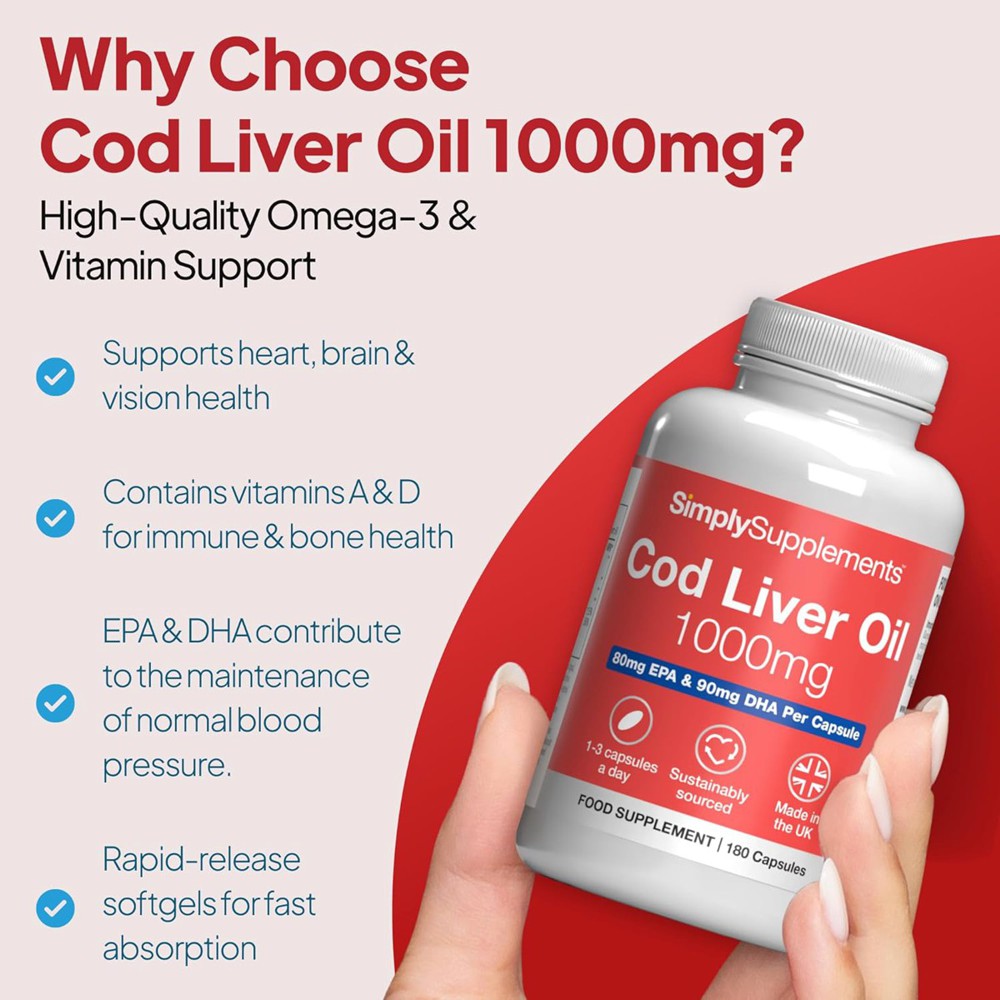
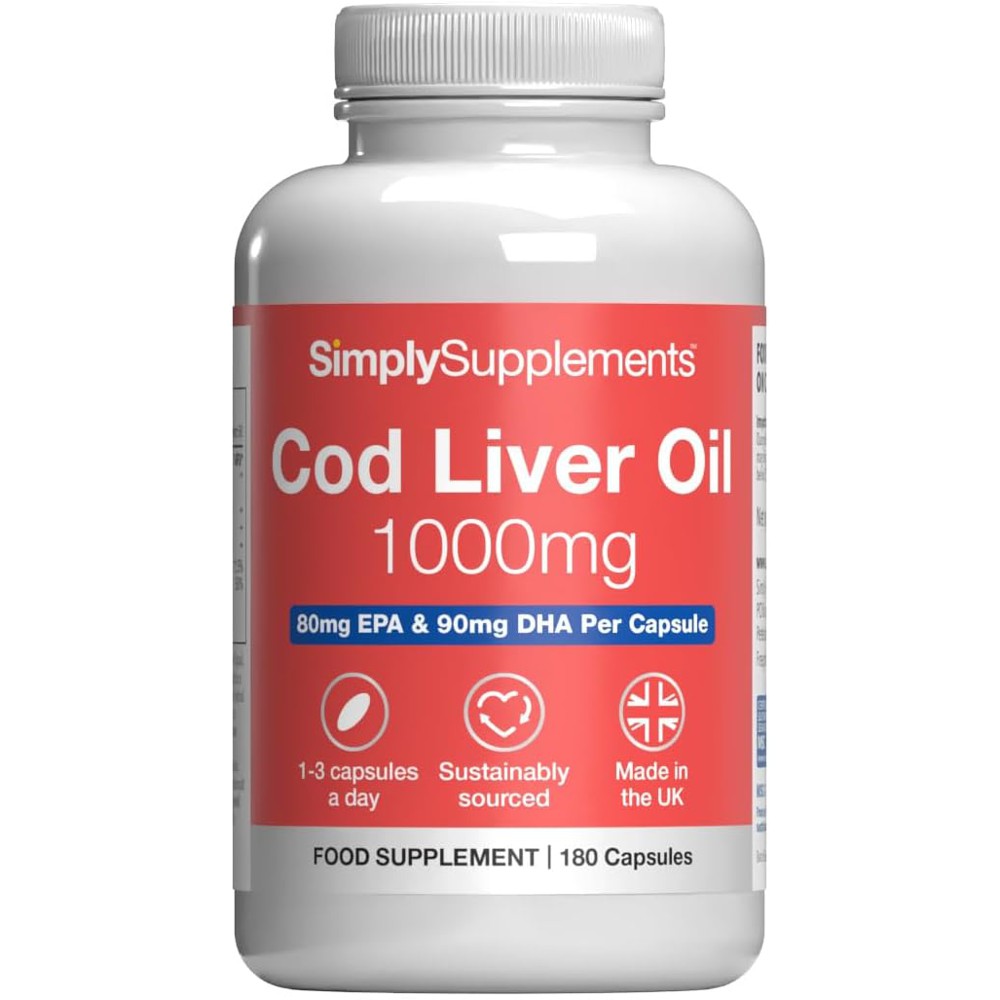
Omega-3 & Fatty Acids
Cod Liver Oil 1000mg Omega-3, EPA, DHA, Vitamins A & D 180 Capsules
When Standard Fish Oil Is the More Appropriate Choice
A few situations where standard fish oil generally makes more sense than cod liver oil: if you’re pregnant or breastfeeding (per the correction above); if you already get adequate vitamin A and D through diet, a multivitamin, or another source, where cod liver oil’s additional vitamin A could push your total intake toward or beyond the NHS’s 1.5mg (1,500mcg) daily supplement limit; or if you specifically want a higher concentration of EPA and DHA without the added vitamins, which is more straightforwardly available from a standard fish oil formulated for that purpose.
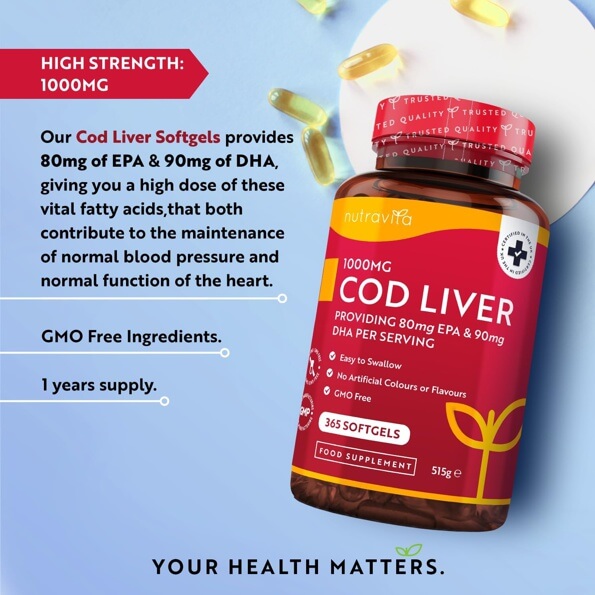
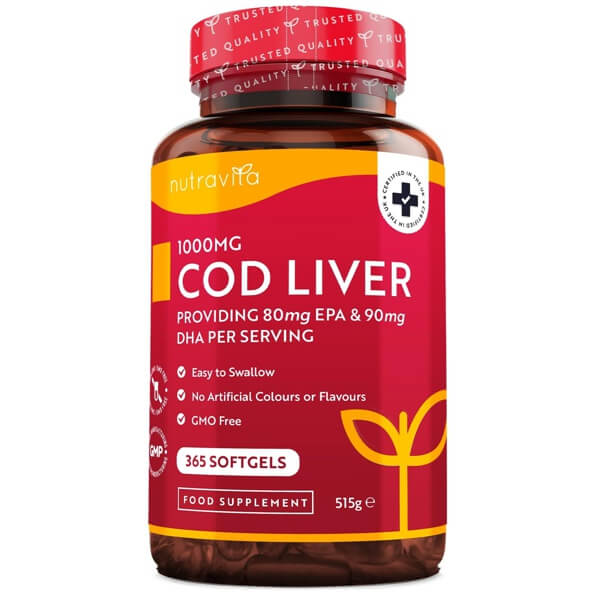
Omega-3 & Fatty Acids
Popular Cod Liver Oil Options in the UK
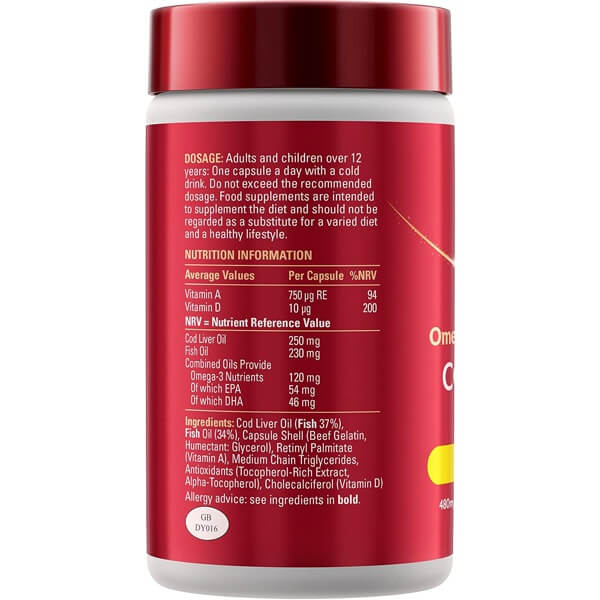
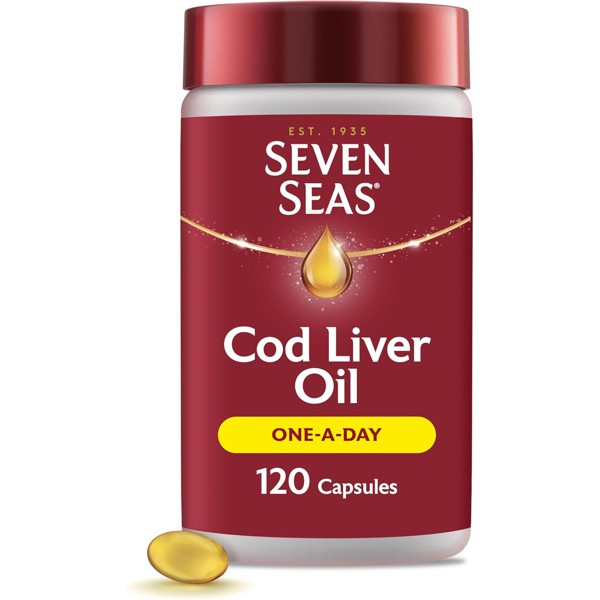
Seven Seas is one of the most established cod liver oil brands in the UK, offering both traditional liquid formulations and capsules for those who prefer to avoid the taste. The brand emphasises third-party testing for contaminants like heavy metals, and offers formulations for different age groups and needs.
Omega-3 & Fatty Acids
Some modern formulations combine cod liver oil with additional ingredients — vitamin E as an antioxidant to help preserve freshness, glucosamine and chondroitin for joint-related formulas, or minerals like zinc and selenium in some premium products aimed at immune and thyroid support. These combination products are worth checking carefully for total vitamin A content across all ingredients, not just the cod liver oil component.
Watch for Trace “Bonus” Ingredients
Some cod liver oil products list additional ingredients like garlic oil in small print — worth checking the actual amount before expecting any effect from it specifically. One product on the UK market, for example, includes garlic oil at just 0.011mg per softgel, far below the hundreds of milligrams typically used in garlic-specific research; at that level it’s reasonable to treat it as a label addition rather than a meaningful ingredient in its own right. It’s also worth checking the combined EPA and DHA amount on any product stating the EU’s authorised heart function claim — that claim specifically requires at least 250mg of EPA and DHA combined daily, and some lower-dose cod liver oil products state the claim without quite reaching that threshold, delivering closer to 170mg combined in a standard serving.
Dosage and Practical Considerations
How Much Cod Liver Oil Is Appropriate?
Typical adult doses are 1-2 standard capsules daily, generally providing around 500-1000mg of oil with roughly 200mg of combined EPA and DHA, alongside moderate amounts of vitamins A and D.
The genuinely important number to know: the NHS advises no more than 1.5mg (1,500mcg) of vitamin A daily from supplements combined — this includes cod liver oil, any multivitamin you take, and needs to account for regular liver consumption too, since liver is very concentrated in vitamin A. If you eat liver roughly once a week, the NHS advises against taking any vitamin A supplement, including cod liver oil, on top of that. Higher doses of cod liver oil for specific purposes should only be taken under a GP’s guidance, given the real toxicity risk of excess vitamin A discussed below.
Cod Liver Oil for Children
Children have different needs, and age-appropriate formulations — with vitamin A and D amounts calibrated for developing bodies — are important rather than simply giving a child a smaller adult dose. Flavoured liquid or chewable options can help with consistent use. During winter months, when sunlight-driven vitamin D production is limited, cod liver oil is one reasonable option for children, alongside standard NHS vitamin D guidance for this age group — though as with adults, checking total vitamin A intake across all sources matters, and a GP or health visitor can advise on age-appropriate amounts.
Side Effects and Precautions
Mild digestive effects — fishy burps, nausea, or loose stools — are the most common issues, and taking capsules with food or briefly freezing liquid formulations can help reduce the taste-related discomfort some people experience.
The more significant consideration relates specifically to vitamin A: because it’s fat-soluble, excess amounts accumulate in the body rather than being excreted, and long-term excessive intake carries a genuine toxicity risk — covered in more detail, including specific NHS guidance, in our dedicated vitamin A safety guide.
Cod Liver Oil and Kidney Health
For healthy adults taking cod liver oil at standard, sensible doses, there’s no strong evidence of a specific kidney risk. That said, people with existing kidney conditions should be more cautious and check with their GP before starting, since the kidneys play a role in mineral and vitamin regulation, and high vitamin A intake specifically is worth discussing in this context — this is a different consideration from environmental contaminants (heavy metals and similar), which reputable manufacturers test for separately through third-party testing, and which isn’t the same safety question as vitamin A load.
Making Your Choice
Cod liver oil may be a reasonable choice if you want omega-3s and vitamin D together in one product, you’re not already getting meaningful vitamin A from other sources, and you’re not pregnant or breastfeeding. Standard fish oil (or an algae-based option) is generally the more appropriate choice if you’re pregnant or breastfeeding, if you already have adequate vitamin A and D intake from other sources, or if you specifically want a higher, more concentrated dose of EPA and DHA without the added vitamins.
A Note on Why This Matters Particularly in the UK
Cod liver oil has real historical significance in Britain — it was distributed to children during and after World War II as part of public health efforts to prevent malnutrition. The UK’s limited sunlight, especially in winter, is a genuine reason vitamin D-containing supplements are widely relevant here. That said, historical popularity and modern safety guidance are two different things, and the pregnancy-specific correction above is the clearest example of where tradition and current NHS advice diverge.
Final Thoughts
Both cod liver oil and standard fish oil offer genuine omega-3 benefits, and the right choice depends mainly on whether you want (and can safely have) the additional vitamin A and D that cod liver oil provides. For most people outside of pregnancy who aren’t already getting significant vitamin A elsewhere, cod liver oil is a reasonable, traditional option, particularly during UK winters. For anyone pregnant, breastfeeding, or already meeting their vitamin A needs through diet or other supplements, standard fish oil is the more appropriate, safer default.
Whichever you choose, check the vitamin A content against the NHS 1.5mg daily guideline, look for third-party tested products, and speak to your GP if you’re pregnant, have a kidney condition, or take regular medication.
Disclaimer: This article is for informational purposes only and does not constitute medical advice. Cod liver oil is not recommended during pregnancy or if trying to conceive — choose a standard fish oil or algae-based omega-3 instead. Always consult your GP before starting any supplement, particularly if you have a kidney condition or take regular medication.