Tossing and turning at night is a genuinely common complaint — sleep difficulty is one of the most frequently reported health concerns in UK surveys. While prescription medication is one option for some people, many others look into natural sleep supplements first. This guide covers what research actually supports for some of the more popular options available in the UK.
Why Quality Sleep Matters
Sleep isn’t just about feeling refreshed — it’s when the body repairs tissue, supports immune function, and processes emotional information from the day. The NHS notes that chronic sleep deficiency is linked to increased risk of several serious health conditions over time, including cardiovascular disease and mood-related concerns.
UK adults are commonly cited as among the more sleep-deprived populations in Europe, with average nightly sleep frequently falling short of the 7-9 hours generally recommended for adults — a shortfall that affects mood, cognitive performance, and long-term health in research.
How Natural Sleep Supplements Are Thought to Work
Natural sleep aids are generally studied for one or more of these mechanisms: supporting the body’s own melatonin production, increasing GABA activity (a calming neurotransmitter), reducing stress and anxiety, relaxing muscle tension, or supporting a more regular sleep-wake cycle.
Compared with prescription sleeping pills, natural supplements are generally understood to carry a lower risk of dependence and next-day grogginess for most people — though, as covered throughout this guide, “natural” doesn’t mean risk-free, and a few specific supplements below carry genuine interaction considerations worth knowing about. They tend to work best alongside good sleep hygiene, not as a replacement for it.
Sleep Supplements Worth Knowing About
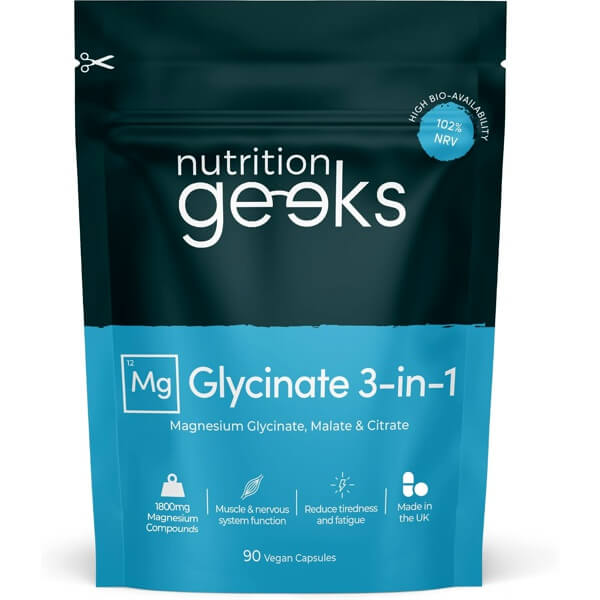
Magnesium Glycinate — For Physical Relaxation
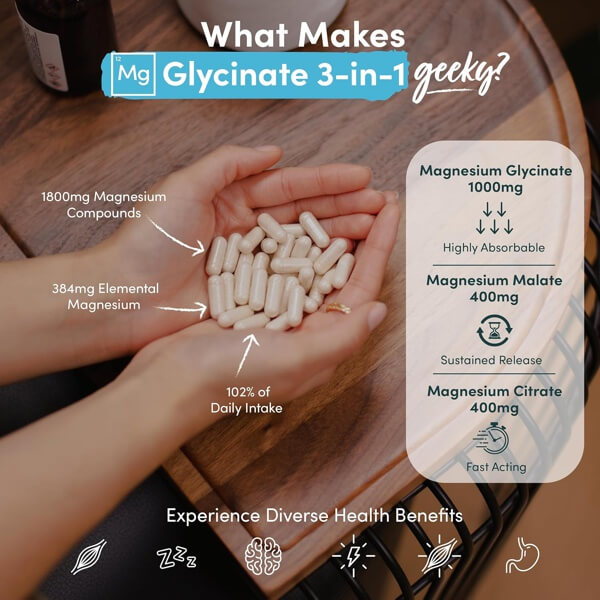
Magnesium is involved in over 300 biochemical reactions in the body, including processes relevant to relaxation and sleep, and glycinate is a well-absorbed, stomach-gentle form. Some research, including a study in the Journal of Research in Medical Sciences, has found improvements in insomnia symptoms, sleep efficiency, and melatonin levels with magnesium supplementation.
Magnesium is studied for a role in muscle relaxation and GABA support, and is particularly commonly discussed in relation to restless legs specifically. A common dose is 300-400mg before bed.
Vitamins & Minerals
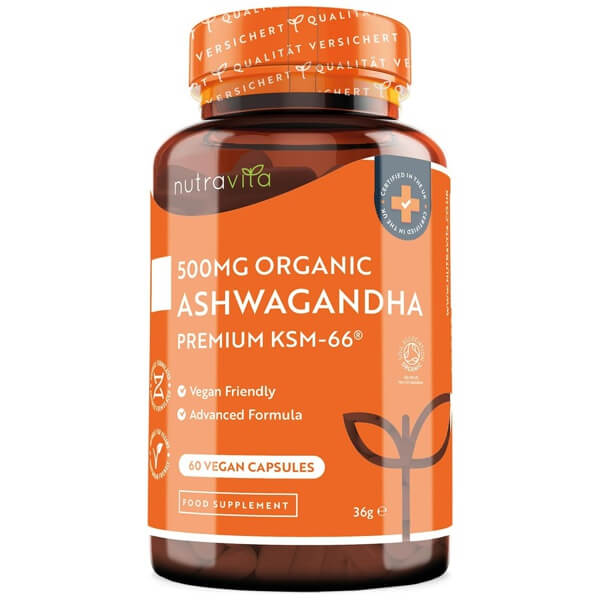
Ashwagandha — For Stress-Related Sleep Problems
This adaptogenic herb has grown considerably in popularity in the UK, largely due to research on its role in regulating cortisol — relevant for the kind of stress-driven wakefulness many people experience. A randomised controlled trial published in Cureus found a notably greater improvement in sleep quality scores with ashwagandha compared to placebo over the study period, though as with any single trial, this is a promising finding rather than a guaranteed individual result.
As covered in more detail in our dedicated ashwagandha guide, it genuinely affects thyroid hormone levels in some people, so anyone with a thyroid condition or on thyroid medication should check with their GP first. A common dose is 300-600mg of root extract daily.

L-Theanine — For a Racing Mind
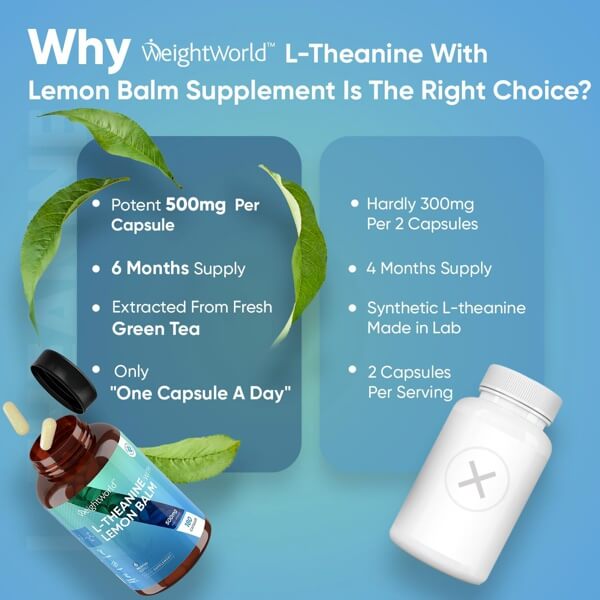
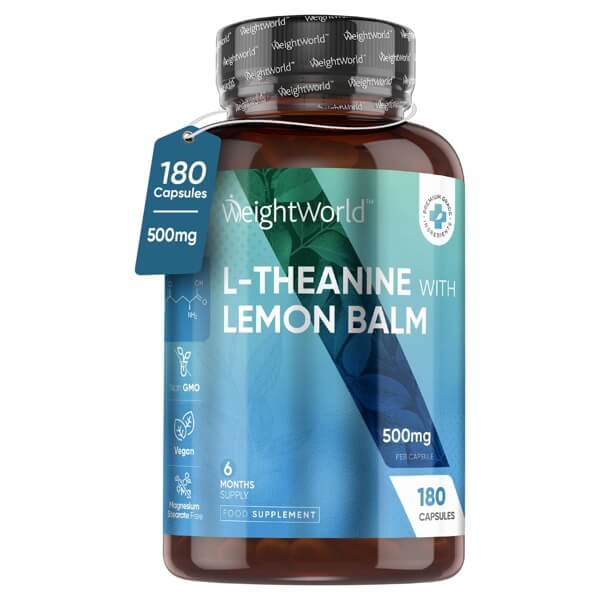
Found naturally in tea leaves, L-theanine is studied for promoting relaxation without drowsiness, largely through increasing alpha brain wave activity associated with calm, wakeful relaxation. Some research, including a study in the Journal of Clinical Psychiatry, found benefits for anxiety symptoms and sleep quality — worth noting that trial was conducted in people with major depressive disorder specifically, so results in a general population without a diagnosed mood disorder may look somewhat different, even if the general mechanism is relevant more broadly.
L-theanine is often used alongside magnesium, and a common dose is 200-400mg before bed.
Amino Acids
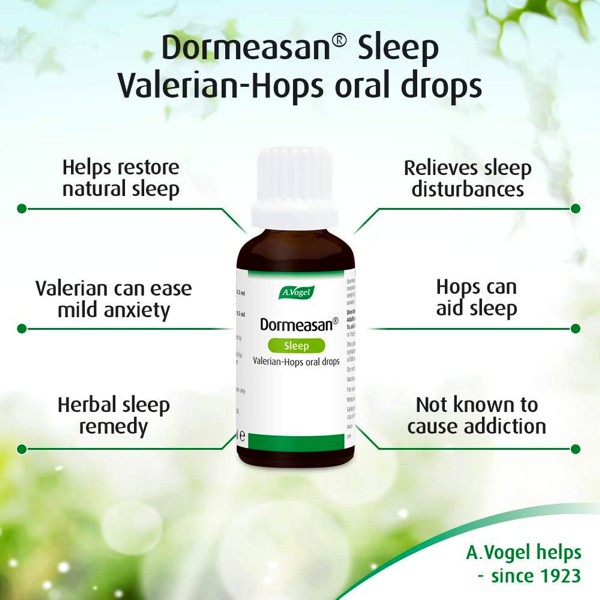
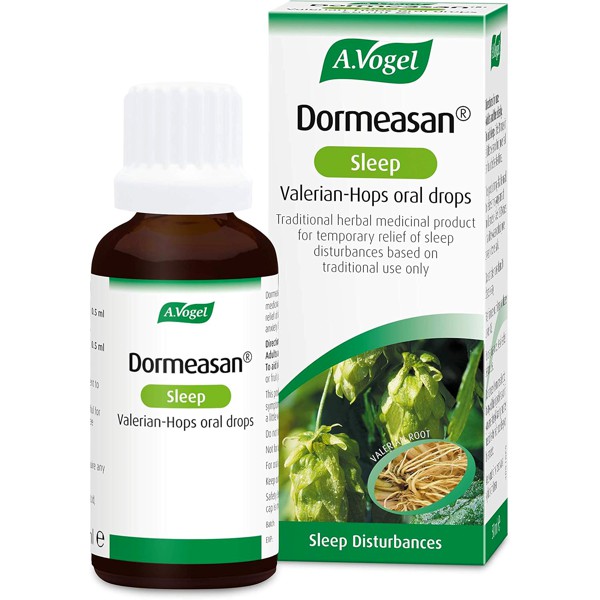
Valerian Root — For Falling Asleep Faster
Valerian has been used as a sleep remedy since ancient Greek and Roman times. Modern research suggests it’s studied for a role in increasing GABA activity in the brain — a mechanism-level research finding, not a basis for treating valerian as broadly equivalent to prescription anti-anxiety medication or assuming it carries no side effects of its own. Reviews of valerian research generally report a favourable pattern for reducing time to fall asleep and improving sleep quality, though study quality varies considerably across the research base, and mild next-day grogginess is possible for some people even if it’s less common than with some pharmaceutical options.
A common dose is 300-600mg of extract, taken 30-60 minutes before bed.
Traditional Herbs
5-HTP — Important Safety Note First
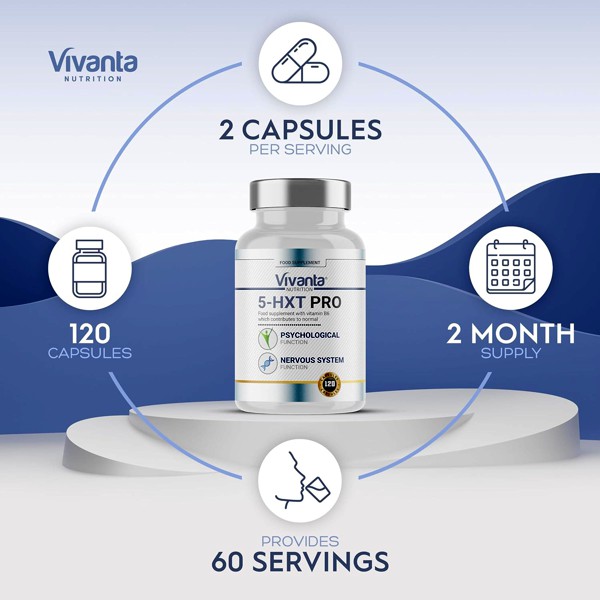
5-HTP (5-hydroxytryptophan) is a compound the body makes naturally from the amino acid tryptophan, and a precursor to serotonin, which the body converts into melatonin — the basis for its research interest in sleep-cycle regulation. Some research, including studies combining 5-HTP with GABA, has found reductions in time to fall asleep and improvements in sleep duration and quality.
This is the single most important safety point in this entire guide: if you take antidepressant medication, particularly SSRIs or SNRIs, do not take 5-HTP without your GP’s direct involvement. Because 5-HTP raises serotonin availability, combining it with serotonin-affecting antidepressants carries a genuine risk of serotonin syndrome — a potentially serious condition. This isn’t a minor caution buried in fine print; it’s a reason to have an explicit conversation with your GP before considering 5-HTP at all if antidepressants are part of your current treatment. A common dose, for those without this specific risk, is 50-100mg before bed.
Vitamins & Minerals
CBD Oil — For Anxiety-Related Sleep Difficulty
CBD has grown quickly in popularity in the UK sleep supplement market, interacting with the endocannabinoid system in ways studied for reducing anxiety and promoting relaxation. A well-known case series in The Permanente Journal found sleep score improvements in 66.7% of patients within the first month of CBD use — a genuine, verifiable finding, though it’s worth adding context: this study was conducted mainly in a clinical population primarily seeking anxiety treatment (with a smaller subset specifically for sleep), and sleep-related improvements were noted to fluctuate more over time than the anxiety improvements were. This suggests CBD may help sleep particularly where anxiety is the underlying driver, rather than as a general sleep aid for every type of sleep difficulty.
A UK-specific note: CBD products sold in the UK must comply with Novel Food regulations and legal THC limits — buying from a reputable UK retailer with clear lab testing (a Certificate of Analysis) is worth prioritising over the cheapest option available, given quality and legal compliance vary considerably across this market. A common dose is 25-75mg before bed, though the research above used a wider range up to 175mg under clinical supervision — worth starting low regardless.
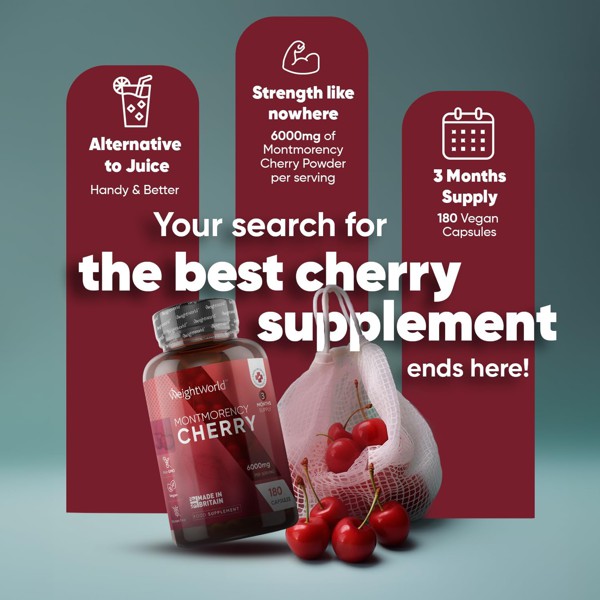
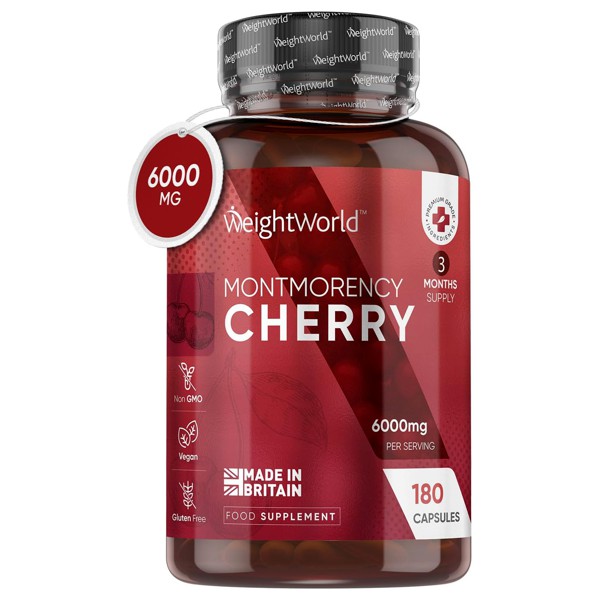
Montmorency Tart Cherry — A Natural Melatonin Source
Since melatonin itself requires a prescription in the UK, tart cherry is a popular natural alternative, containing small amounts of naturally occurring melatonin alongside anti-inflammatory compounds. Some research, including a study in the European Journal of Nutrition, found meaningful increases in sleep duration among adults with insomnia using tart cherry juice or concentrate.
A common dose is 30ml of concentrate or 2 capsules before bed.
Fruit & Berry Extracts
Matching a Supplement to Your Situation
This is general information to help you think through the options, not a diagnostic tool — persistent sleep problems are worth discussing with a GP regardless of which supplement you try.
| Sleep Difficulty | Often Discussed In Relation To |
|---|---|
| Difficulty falling asleep | Valerian Root, 5-HTP (with the safety note above), Tart Cherry |
| Stress and anxiety-related wakefulness | Ashwagandha, L-Theanine, CBD |
| Restless legs or physical tension | Magnesium Glycinate, CBD |
| Early waking or inconsistent sleep quality | Tart Cherry, 5-HTP (with the safety note above) |
| Pain interfering with sleep | CBD, Magnesium, Tart Cherry |
Combining Supplements — With Care
Some combinations are commonly used together, including magnesium with L-theanine, or ashwagandha with valerian. That said, some pairings need real caution rather than casual combining: never combine 5-HTP with prescription antidepressants, given the serotonin syndrome risk covered above, and check with your GP before combining several sedating supplements at once (valerian, magnesium, CBD) if you’re also taking any prescription sleep or anxiety medication.
Beyond Supplements: Sleep Hygiene Fundamentals
Supplements work best alongside habits with their own strong, independent evidence base: a consistent sleep-wake schedule (including weekends), a cool, dark, quiet bedroom, limiting screens for 1-2 hours before bed, avoiding caffeine after early-to-mid afternoon and alcohol close to bedtime, and regular exercise timed away from bedtime itself.
Final Thoughts
Natural sleep supplements offer genuine, evidence-backed support for many people, generally with a gentler side-effect profile than prescription options — but “natural” doesn’t mean risk-free, and a few specific interactions (5-HTP with antidepressants above all) are worth taking seriously rather than treating as a footnote.
Choose based on your specific sleep pattern, give a supplement 2-3 weeks of consistent use before judging it, and keep sleep hygiene as the foundation regardless of what you add on top of it. If sleep problems persist despite trying these approaches, it’s worth seeing your GP to rule out an underlying issue like sleep apnoea or a hormonal factor, rather than continuing to try supplements indefinitely on your own.
Disclaimer: This article is for informational purposes only and does not constitute medical advice. Never combine 5-HTP with antidepressant medication without your GP’s direct involvement. Always consult your GP before starting a new supplement, particularly if you take regular medication or have an existing health condition.