Folic Acid for Pregnancy Planning
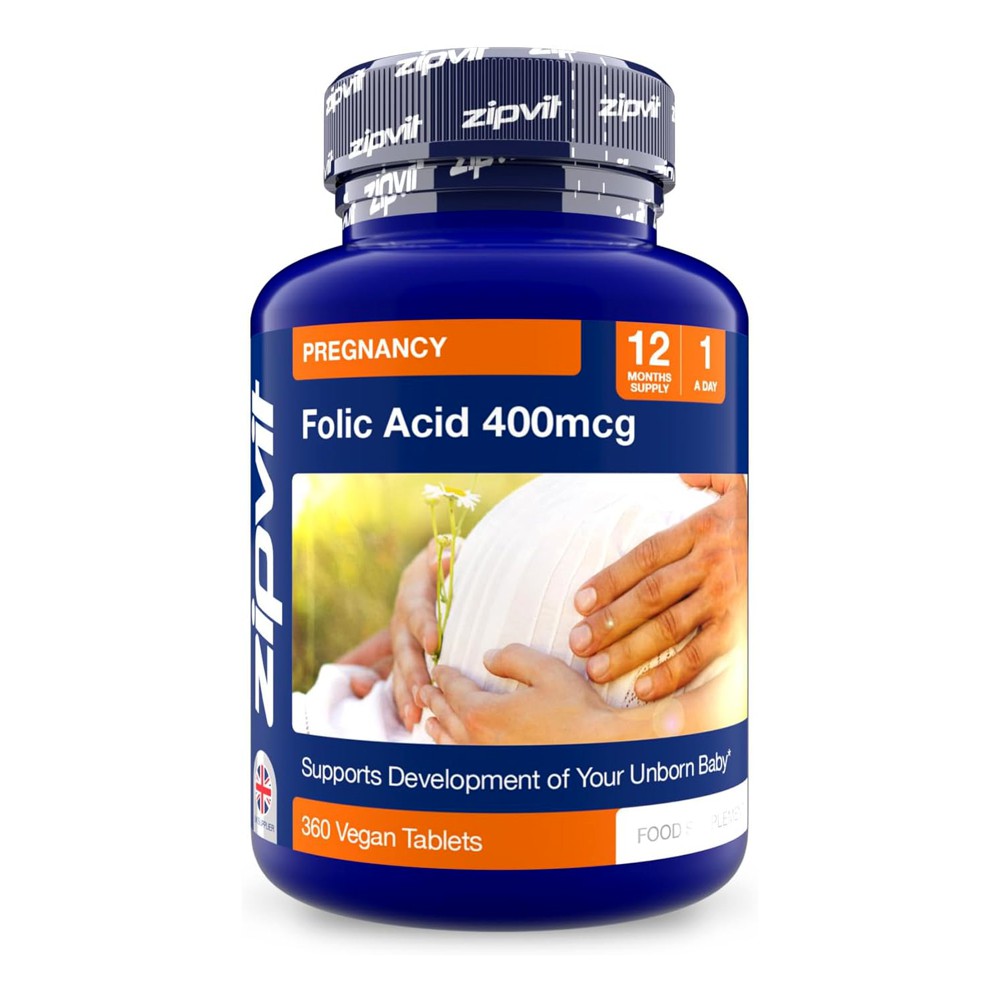
Each tablet provides 400mcg of folic acid, the dose the NHS recommends for women trying to conceive and through the first 12 weeks of pregnancy, when the neural tube — which develops into the baby’s brain and spinal cord — is forming. This development happens during weeks 3-4 of pregnancy, often before pregnancy is confirmed, which is why the NHS advises starting supplementation before conception, ideally around three months in advance, to build adequate folate stores in time.
As covered in more detail in our folic acid vs folate guide, this standard 400mcg folic acid dose remains the NHS-recommended, evidence-backed default for most women — not methylfolate, despite it sometimes being marketed as a general upgrade. Some women need a higher, prescription-only 5mg dose instead: this applies if you or your partner have a family history of neural tube defects, a previous pregnancy affected by one, diabetes, a BMI over 30, or take certain medications — this is a conversation for your GP, not a dose to self-select.
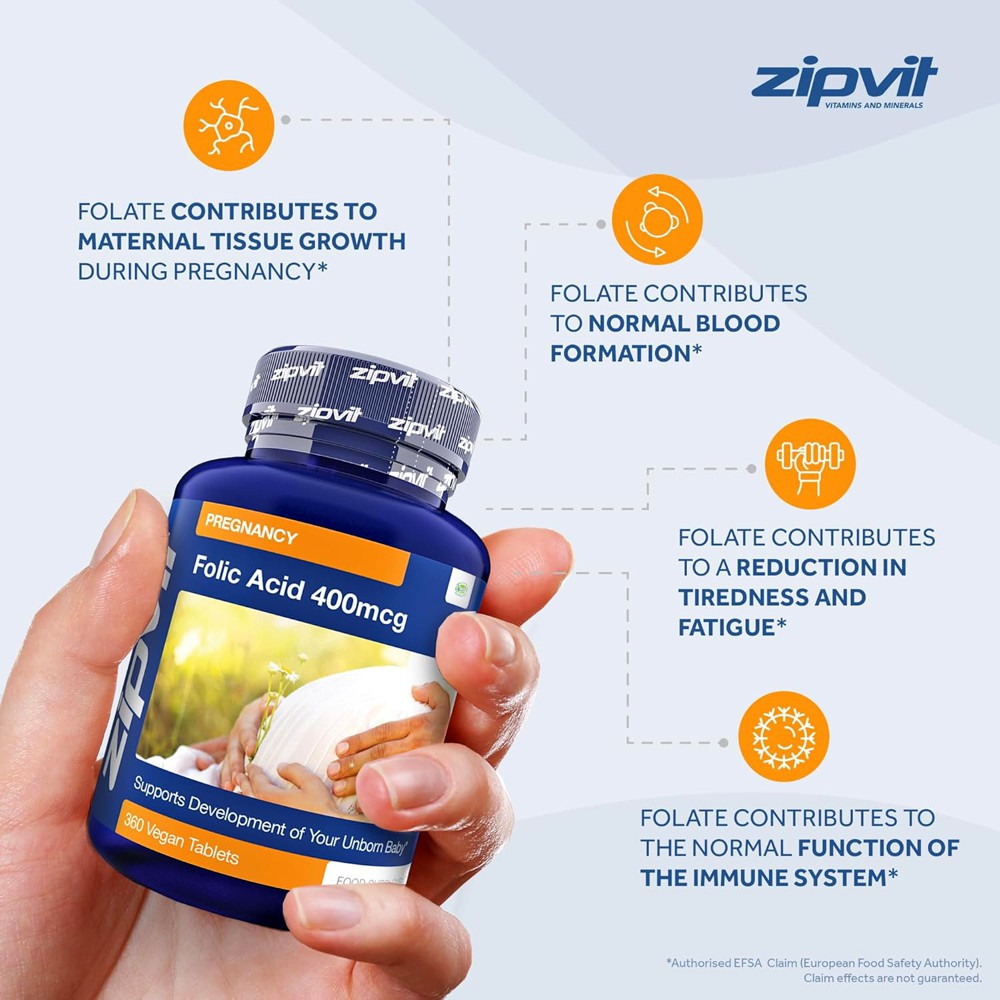
Beyond pregnancy, folic acid has established roles in normal immune function, psychological function, red blood cell formation (relevant to fatigue), and cell division — genuine, EFSA-recognised roles relevant to general health for both men and women, not just pregnancy-specific use.
Worth knowing: folic acid can interact with certain anticonvulsant medication used for epilepsy, and with methotrexate, given its effect on folate metabolism — check with your GP before starting if either applies to you. Do not exceed 400mcg daily without medical advice; higher doses should only be taken under medical supervision.
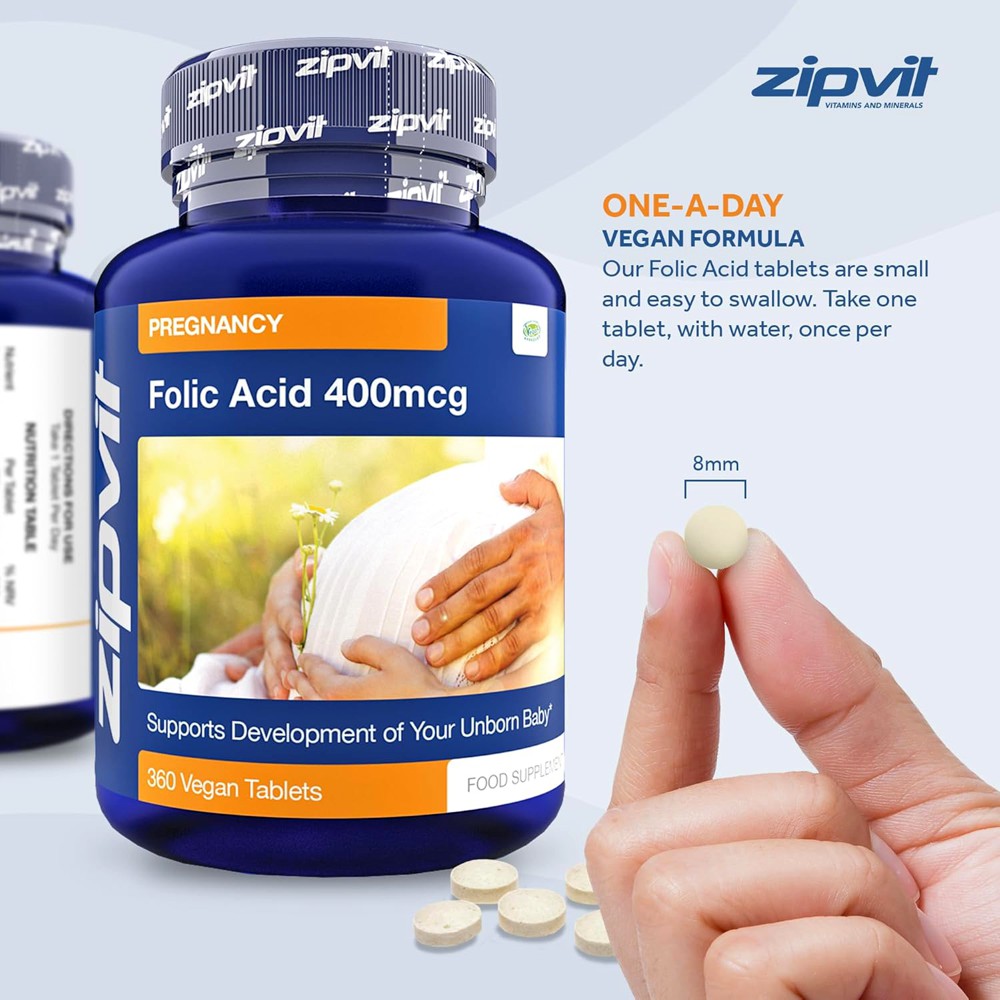
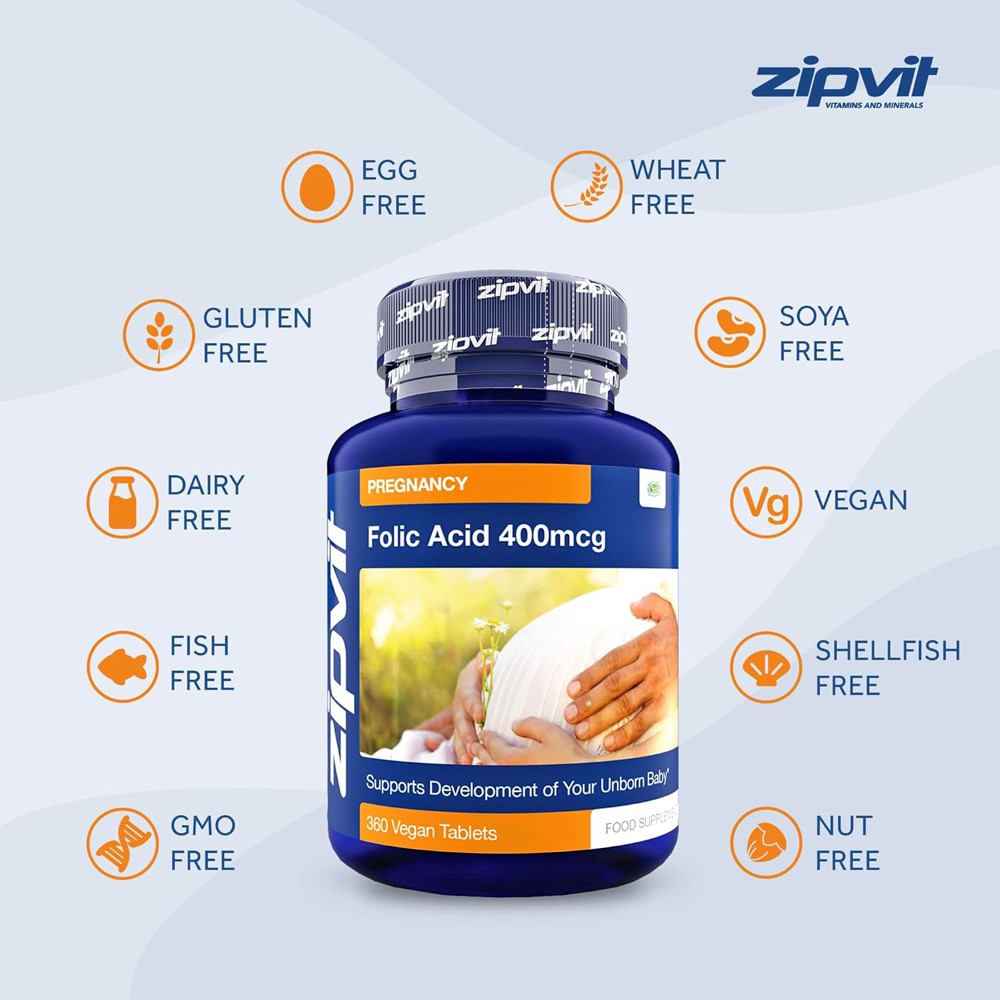
These tablets use a simple formulation (folic acid, dextrose, microcrystalline cellulose, magnesium stearate), are fully vegan, and free from gluten, dairy, soya, and nuts. Manufactured in the UK to GMP standards. Store in a cool, dry place away from direct sunlight, and keep out of reach of children.
The Research Behind This Product

Supplement Spotlights
Folate vs Folic Acid: What UK Guidance Actually Recommends
Folic acid vs methylfolate: what NHS, NICE and UKTIS guidance actually says — including why folic acid, not methylfolate, remains the evidence-backed standard for pregnancy.
Get the Full Guide